
But on a social media post last night and in comments to Media Insider today, Plunket indicated that wouldn’t be happening.
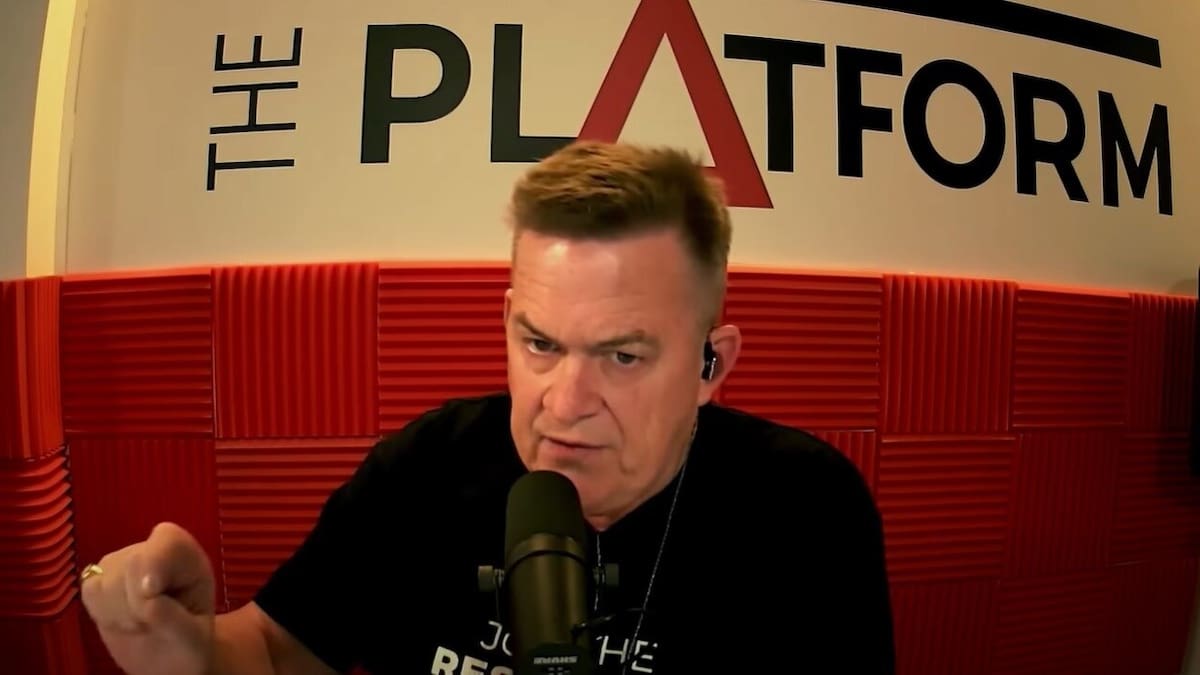
The Platform owner and host Sean Plunket. Photo / Mark Mitchell
“The BSA have accepted a raft of new complaints against me and @theplatform_nz,” he wrote on X.
“They are all from the same person who laid the mumbo jumbo complaint. We will not cooperate in any way with the BSA and do not recognise it has jurisdiction over us or any other non-broadcasters on the internet.”
Plunket told Media Insider today that he would not be engaging formally with the BSA, or providing recordings. “The BSA can become a Platform+ subscriber and download any of our excellent content they want from the internet.”
Amid claims of free-speech being undermined, The Platform/BSA dispute has forced the Government’s hand into fast-tracking an overhaul of New Zealand’s media regulatory framework, including making a decision on the future of the BSA.
The authority – established in 1989 to consider complaints about television and radio broadcasts – earlier this month controversially claimed jurisdiction over the online content produced by The Platform and Plunket.
NZ First and Act want the BSA scrapped and Media and Communications Minister Paul Goldsmith has now agreed this is the most likely option.
Goldsmith has indicated that the Media Council – a self-regulatory industry body which looks after digital, video and newspaper content produced by other media firms – could replace the BSA.
Goldsmith said a decision would be made in the next few months, and before the election.
All of which raises the question of the BSA’s options if its inquiries are somehow held up by Plunket’s position and whether its processes or outcomes are usurped by the Government’s moves on the media regulatory system.
The BSA has been approached for comment.
In its correspondence to Plunket last night, the BSA outlined the subsequent two formal complaints from the original complainant.
In one of the complaints, the man said being named by Plunket – and subsequently receiving an abusive email from a listener – was “pretty frightening”.
He referred to his original complaint about Plunket’s labelling of Māori tikanga as “mumbo jumbo”, and Plunket’s original response to his complaint about that: “We are not subject to the broadcasting standards, you plonker”.
The complainant said in a follow-up email complaint to Plunket and now the BSA that the issue had “taken on a very obvious life of its own when Mr Plunket received advice from the Broadcasting Standards Authority that the authority considers it has jurisdiction…”
“Mr Plunket was not happy and has launched a strong attack on the authority. But he hasn’t left me out. He delivered a scornful, totally false description of who I am (lefty activist working for an organisation I had never heard of) in the above broadcast.”
He also told the BSA that Plunket had “invited several guests to discuss the BSA covering the internet ‘issue’, but I believe I was mentioned in various dismissive ways … through these broadcasts”.
He said that Plunket also “clearly enjoyed repeating the label ‘plonker’ that he had given me in response to my first complaint”.
He also said Plunket was “almost certainly behind what I describe as a pathetic song … that clearly is about ridiculing the BSA and me”.
“Mr Plunket attempted to give some kind of message to his followers to ease off their attacks/abuse directed at me. But he couldn’t even get that right as he chose to describe me as ‘someone with issues’.”
Plunket said today the complainant was active online.
“He has made numerous personal attacks on me online. I’ve invited him on to The Platform to express his opinions, he has refused. He needs a nice big cuppa tea and a long lie down.”
Media regulatory overhaul
BSA chief executive Stacey Wood.
BSA chief executive Stacey Wood told Media Insider this week that the authority agreed the Broadcasting Act needed to change. “We’ve been saying it for 20 years.”
She said governments over that time had proposed various solutions for which the authority had input.
“We welcomed proposals from the current Government at the start of last year for a modern, platform-neutral and system-level regulation of professional media.”
She said it was “clear” any future regulator would need to look different from the existing BSA.
“This has never been about protecting our current operating model. Our interest is in ensuring the public continue to have access to accurate, reliable media content, and a regulator they can turn to if they think public standards have been breached.”
Editor-at-Large Shayne Currie is one of New Zealand’s most experienced senior journalists and media leaders. He has held executive and senior editorial roles at NZME including Managing Editor, NZ Herald Editor and Herald on Sunday Editor and has a small shareholding in NZME.