
Coachella, more than just a music festival, has evolved into a premier platform for brand engagement, where immersive experiences and strategic activations vie for consumer attention. In this RB insight, we dive into the top 10 most talked-about brand activations at Coachella 2026, examining their innovative approaches, impact on consumer sentiment, and overall reach.
The standout lesson from Coachella 2026 was the power of authentic integration. The “Bieberchella” effect, most visible through Rhode and SKYLRK’s alignment with Justin Bieber’s surprise performance, proved that celebrity endorsement reaches its full potential only when it feels genuinely woven into a brand’s story, not bolted on for exposure. Brands that chased proximity to that moment saw measurable spikes in Media Impact Value (MIV) and social sentiment almost immediately.
Technology also played a defining role, but with a meaningful caveat: utility beat novelty. Google’s AI-powered tools and Heineken’s Clinker activation resonated because they solved real problems and created real connections for attendees, personalizing experiences rather than simply dazzling them. Meanwhile, e.l.f. Cosmetics flipped the festival’s notorious exclusivity on its head, with the wide-open “e.l.f.scape” activation generating some of the highest volumes of organic content at the entire event, demonstrating that accessibility, when executed with conviction, is its own form of cultural currency.
Perhaps the sharpest insight of the weekend came from the brands that leaned hardest into their own identities. Barbie and Pinterest both resisted the temptation to mirror what other brands were doing, with Pinterest’s bold phone-free activation earning outsized buzz precisely because it felt like a genuine expression of the brand’s values rather than a conventional engagement play. At Coachella 2026, the activations that will be remembered longest were not the biggest or the flashiest; they were the most honest.
Score: 9.8
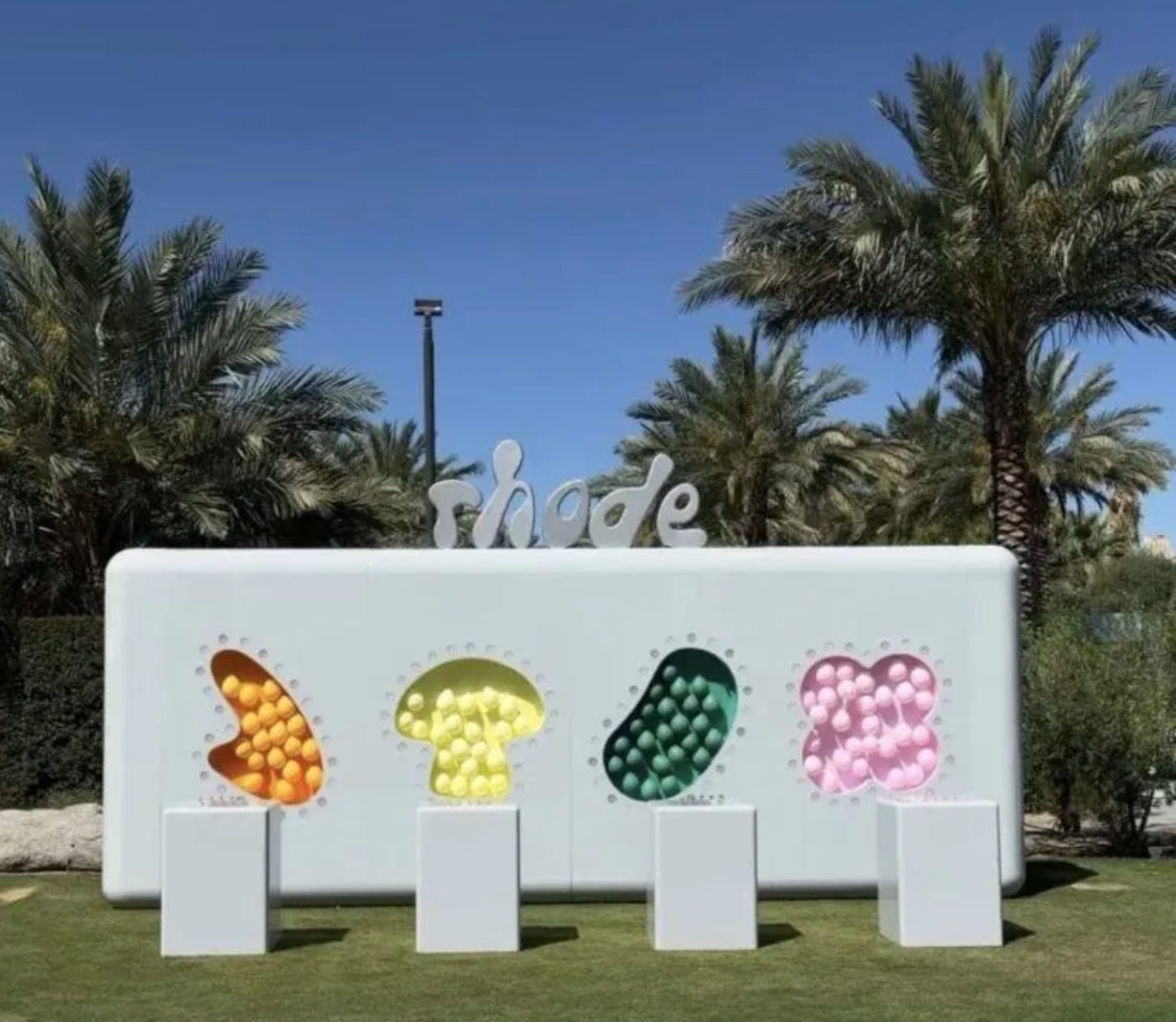
Rhode, Hailey Bieber’s skincare brand, dominated the conversation with its “Rhode World” activation. Achieving an impressive $10 million in Media Impact Value (MIV), Rhode strategically aligned its presence with Justin Bieber’s headline performance, creating a synergistic “Bieberchella” effect. The invite-only oasis served as the launchpad for the Rhode x The Biebers limited-edition collection, featuring a Sephora touch-up room and an 818 Tequila food truck that ingeniously attached a peptide lip treatment to every drink cup. This meticulous integration of product into the experience, coupled with the high-profile association, generated immense social media buzz and overwhelmingly positive sentiment.
Score: 9.2
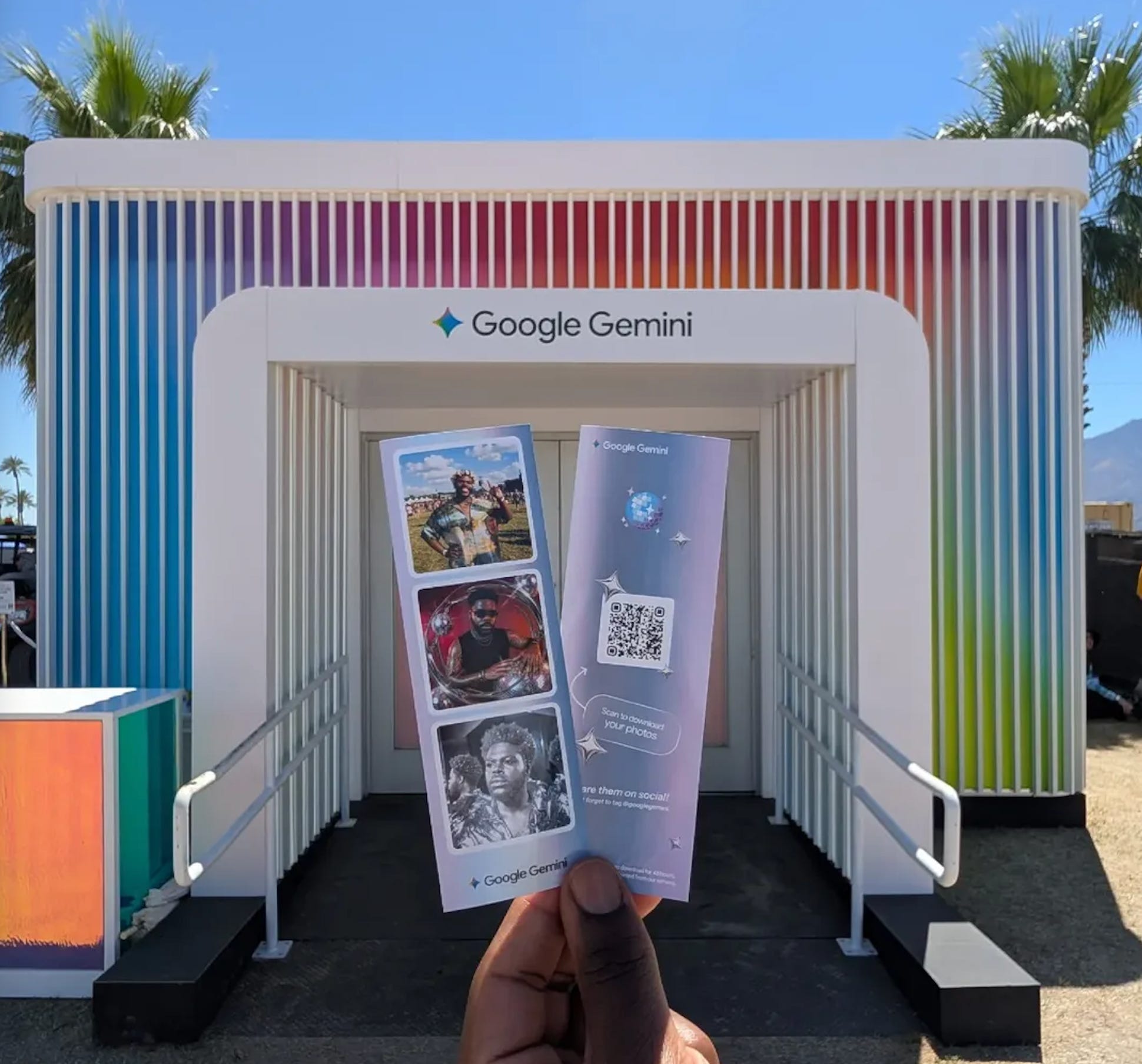
Google showcased a dual-pronged technological activation that extended its reach both on-site and globally. The on-ground AI-powered photobooth, driven by the Gemini API, offered attendees unique, high-fidelity transformations of their portraits, delivered as physical prints and digital shares. Simultaneously, Google Gemini was embedded into the official Coachella Livestream app, providing an AI artist discovery engine that personalized festival schedules for millions of remote viewers. This innovative use of AI to enhance both physical and digital experiences positioned Google as a leader in experiential marketing.
Score: 9.2
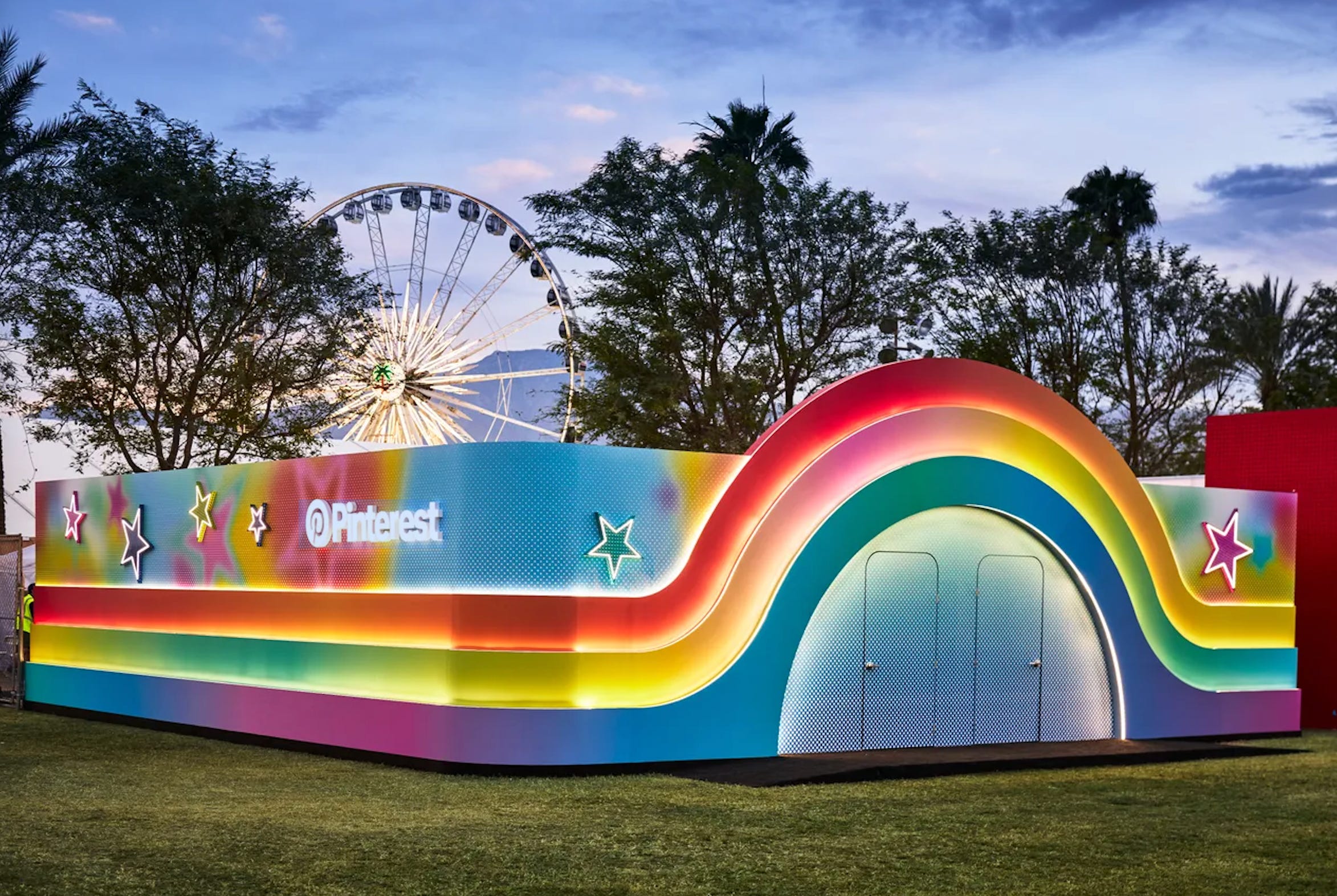
Pinterest, a platform synonymous with digital discovery, made a bold and counter-intuitive move with its “Trend Discovery Activation”—a phone-free zone. This analog experience allowed attendees to create custom charms, personalize stickers, and design postcards inspired by Pinterest’s live trend data, all without the distraction of their mobile devices. The activation garnered significant positive sentiment for its refreshing approach, proving that a social media giant could successfully encourage real-world engagement and generate viral content through its unique stance.
Score: 9.0
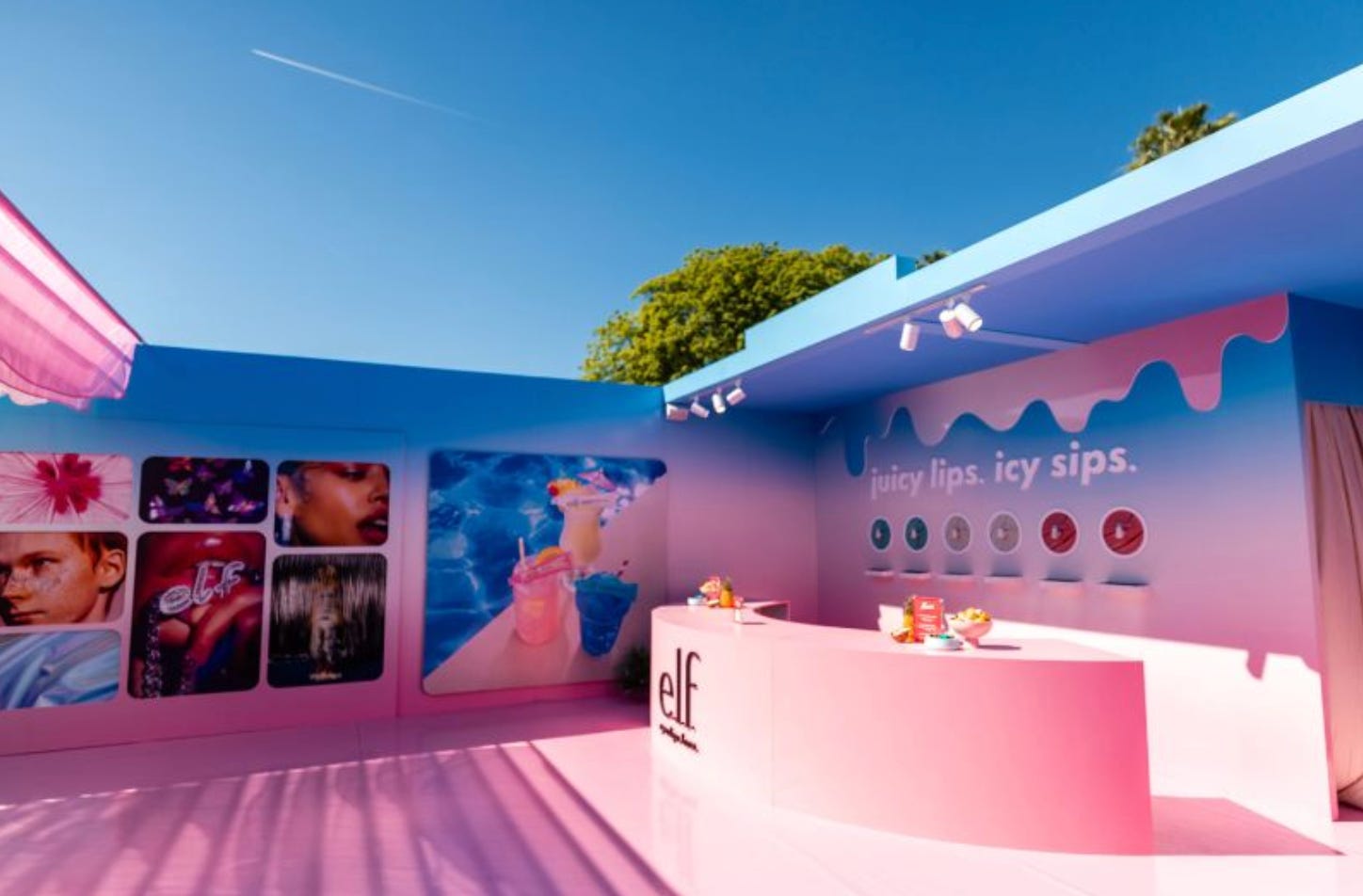
e.l.f. Cosmetics championed accessibility with its “e.l.f.scape to Balm Desert” activation. Positioned strategically across from the Gobi Stage, this immersive playground was open to all attendees, offering glam touch-ups from e.l.f. artists and free products, including limited-edition Glow Reviver Melting Lip Balms. The brand’s philosophy of inclusive beauty resonated strongly, generating substantial organic social media content and positive sentiment for its welcoming and generous approach.
Score: 8.8
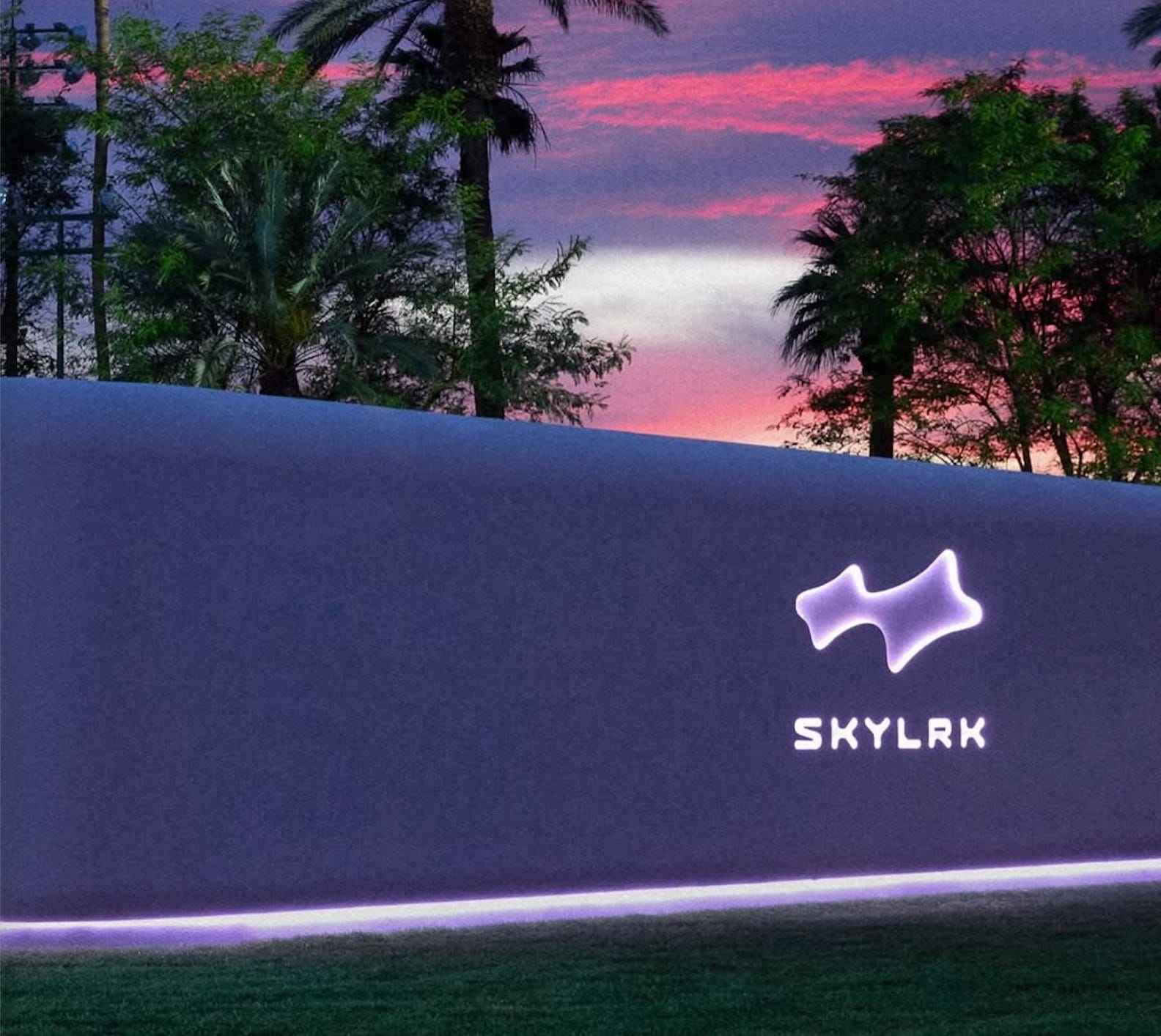
SKYLRK, the streetwear label co-founded by Justin Bieber, created the “SKYLRK Oasis,” a 10,000 square-foot space that served as its second-ever in-person retail moment. The activation generated an impressive $2.3 million in MIV, largely fueled by the anticipation and excitement surrounding Bieber’s performance. The space, which sold out within hours, capitalized on the existing hype and nostalgia associated with the artist, demonstrating the power of celebrity alignment in driving immediate consumer engagement and media value.
Score: 8.2
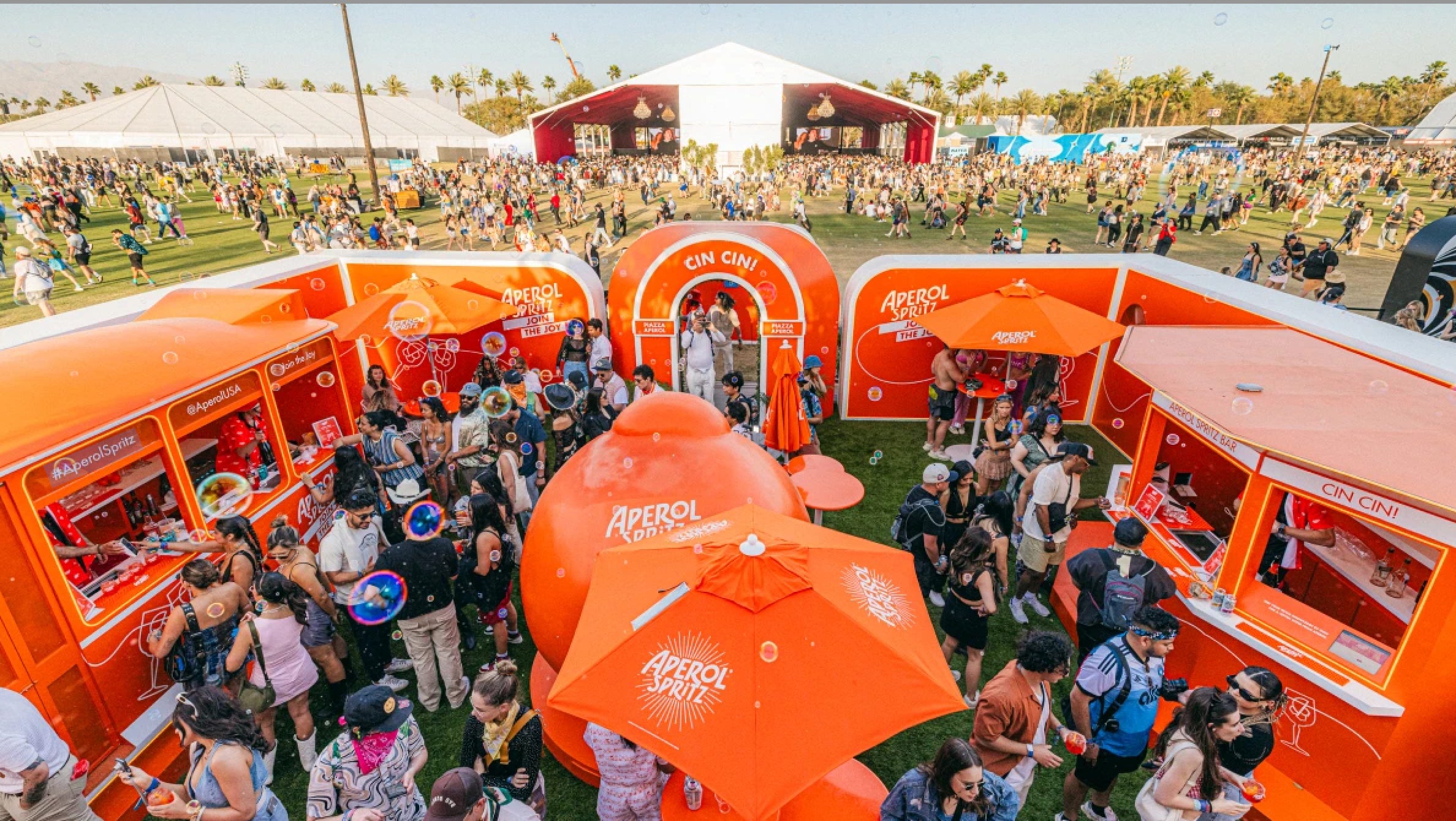
As the “Official Spritz Partner” for the fourth consecutive year, Aperol elevated its presence with the “Aperol Day Club.” This vibrant, orange-drenched escape transcended a typical sponsored zone, becoming a destination in its own right. Featuring live DJ sets and interactive style touchpoints like tooth gem and bracelet stations, the Day Club embodied Aperol’s “Be the Moment” platform. This evolution from partner to host allowed Aperol to earn attention by creating a space where attendees genuinely wanted to be, fostering positive sentiment and strong brand association.
Score: 8.2
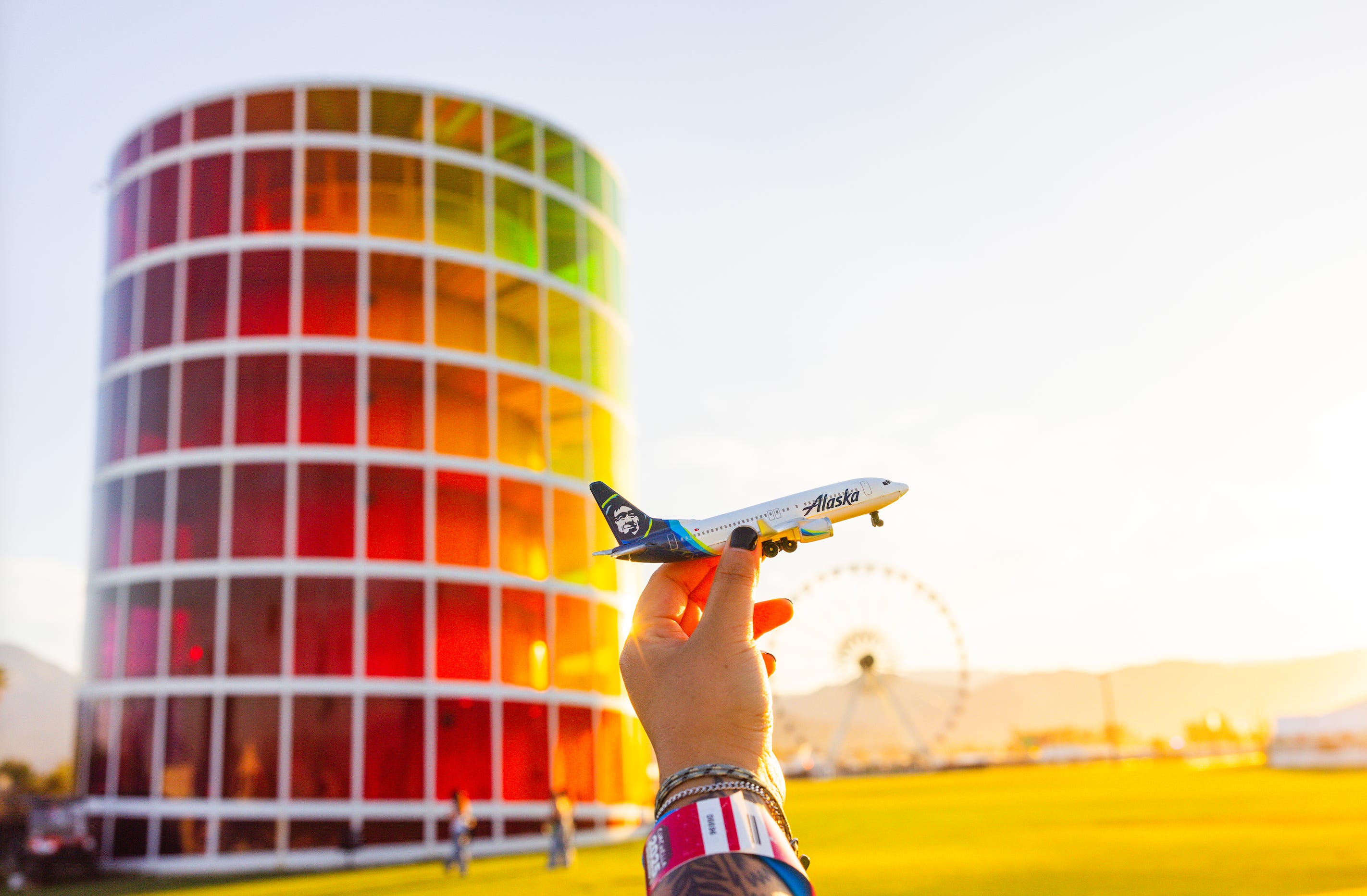
Alaska Airlines, returning as Coachella’s Official Airline Sponsor, innovated with its “35,000 Feet in the Air” activation. This full-sensory escape simulated the experience of flying, complete with LED-lit tunnels, inflatable cloud structures, and ambient design. Crucially, Alaska Airlines brought its fastest in-flight Wi-Fi technology to the ground, offering free connectivity—a highly valued amenity in the desert environment. This functional creativity, solving a real festival problem while showcasing its expanding global network, resonated strongly with the experience-driven, travel-hungry audience.
Score: 7.8
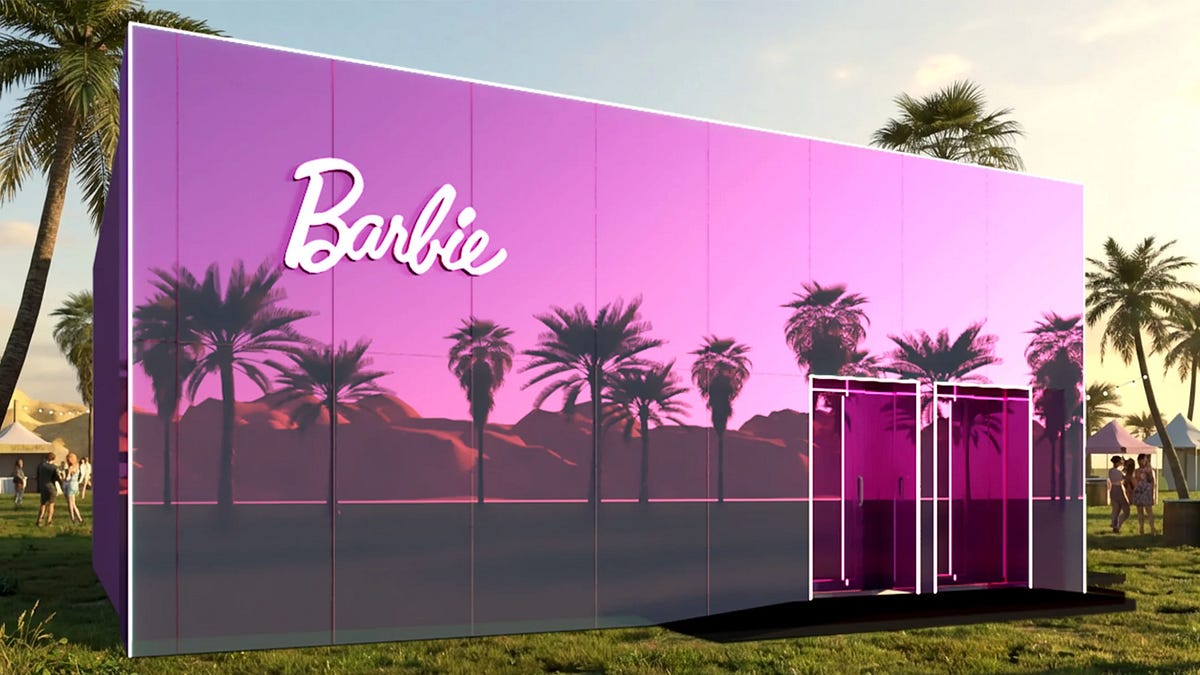
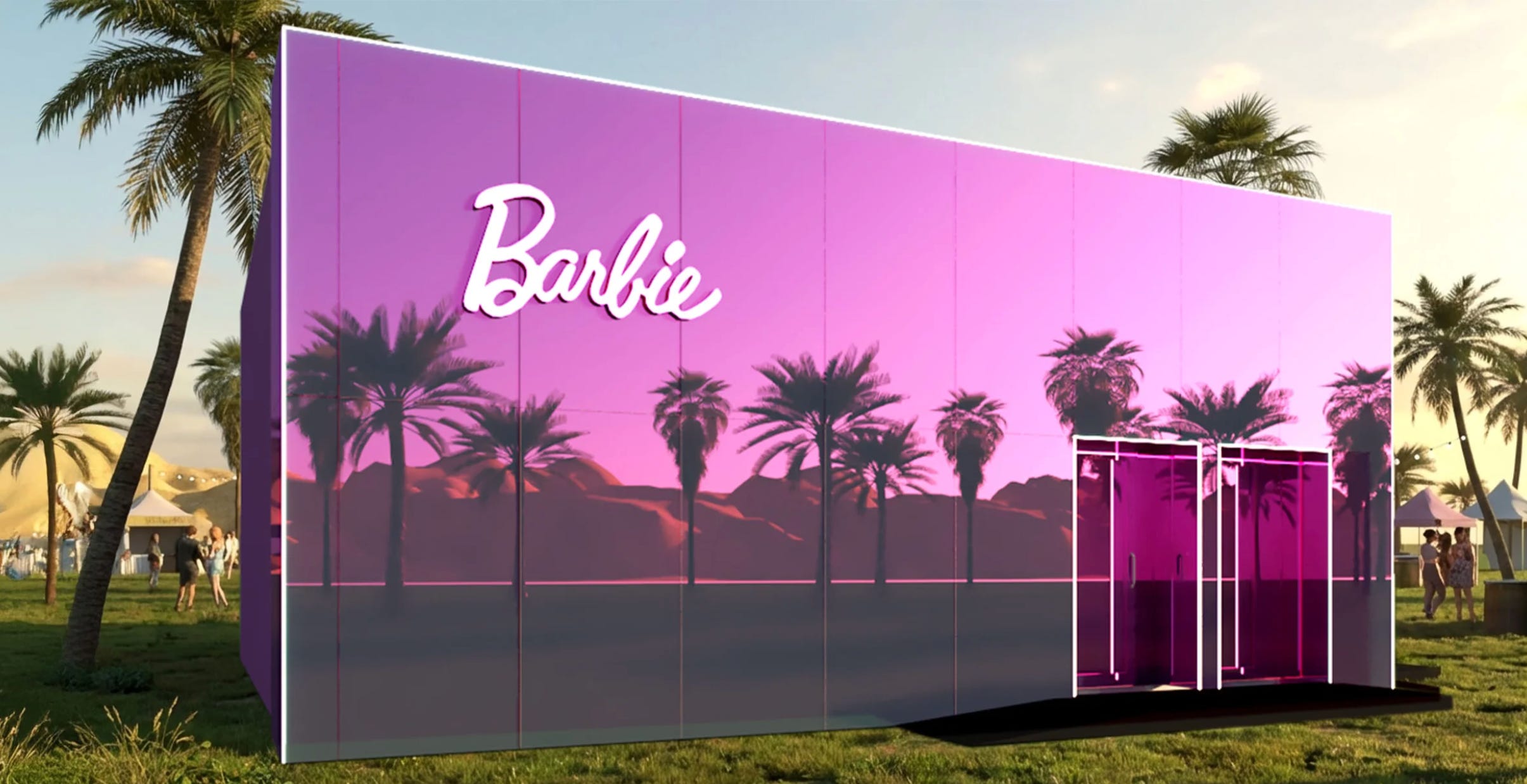
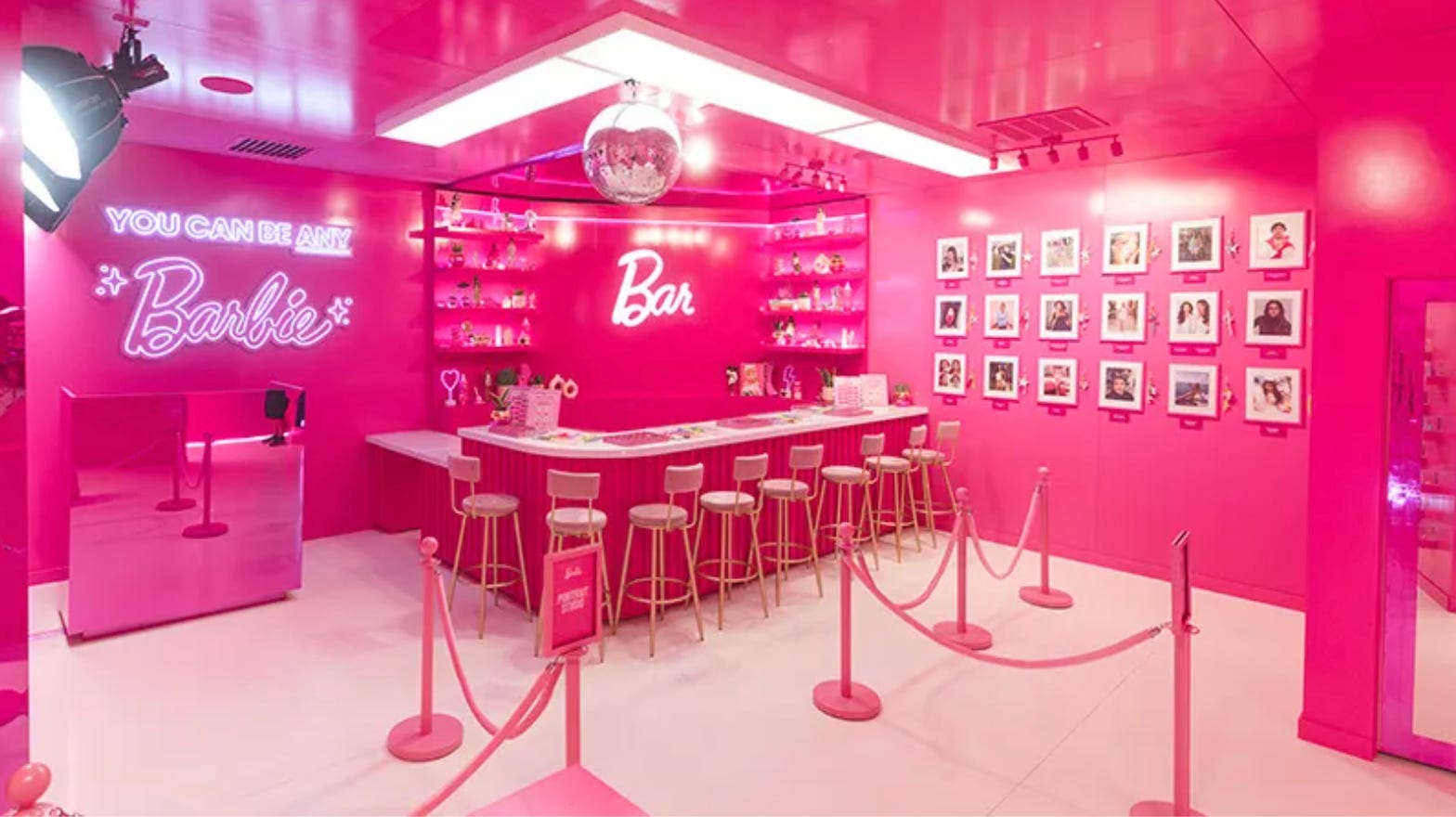
Making its Coachella debut, Barbie’s “You Can Be Any Barbie” activation championed limitless self-expression. Located near the Main Entrance, the immersive space featured a photo gallery celebrating Barbie’s diverse personas, a Charm Bar for custom keepsakes, and a professionally lit portrait studio for content creation. A limited Barbie x Coachella merchandise collection further amplified the experience. Barbie’s success lay in its authentic alignment with its core message, allowing the festival environment to amplify its values rather than forcing a narrative.
Score: 7.8
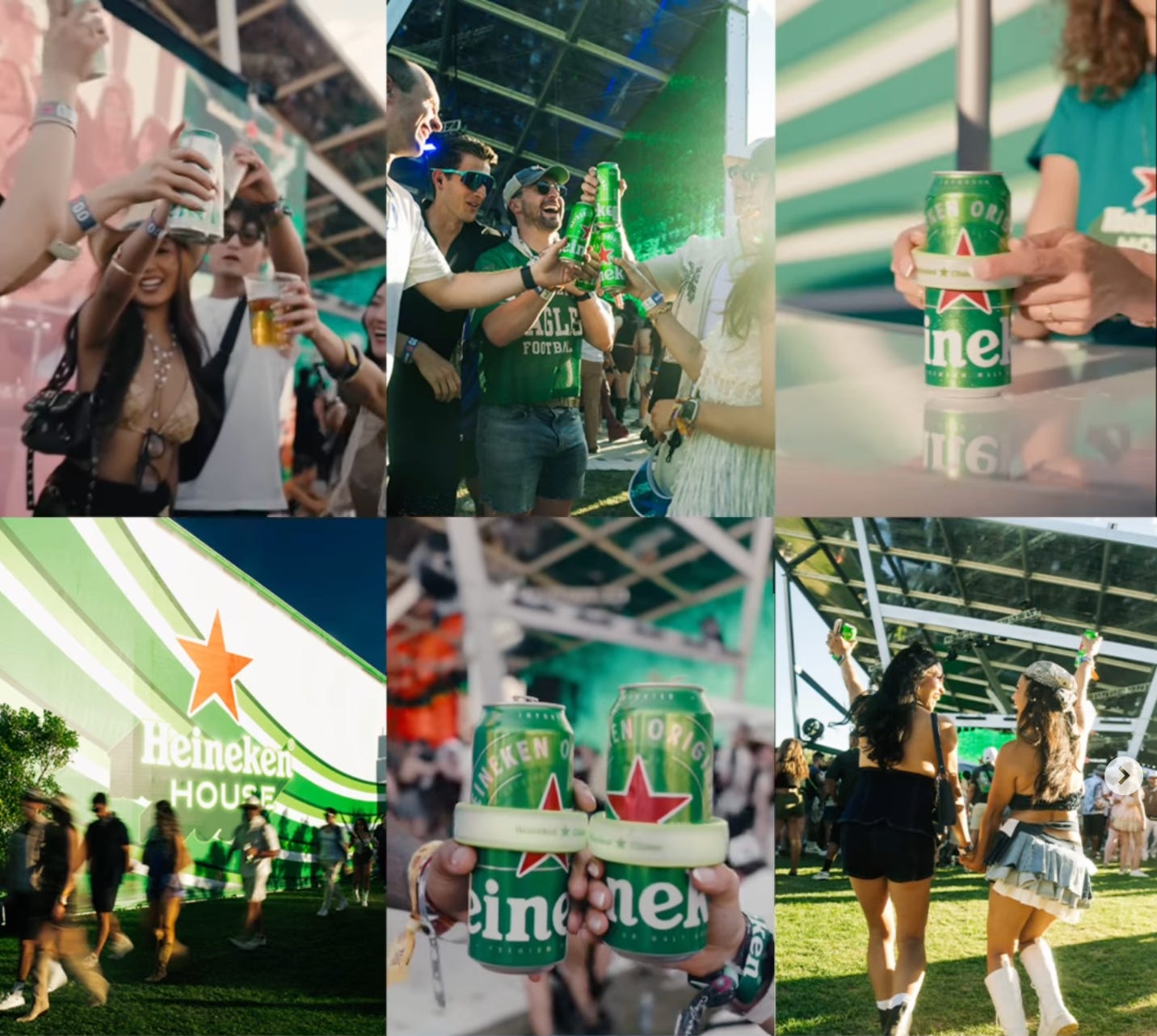
Heineken, a long-standing Coachella sponsor, introduced a novel concept with “The Clinker.” Beyond the traditional Heineken House, this smart band wrapped around cans and glasses, using an individual’s streaming music data to match them with other festival-goers sharing similar tastes. When compatibility was detected, the Clinkers lit up, encouraging genuine human interaction. This technology-driven approach to fostering real-world connections, without the need for apps or profiles, was lauded for enhancing the festival experience rather than interrupting it.
Score: 7.2
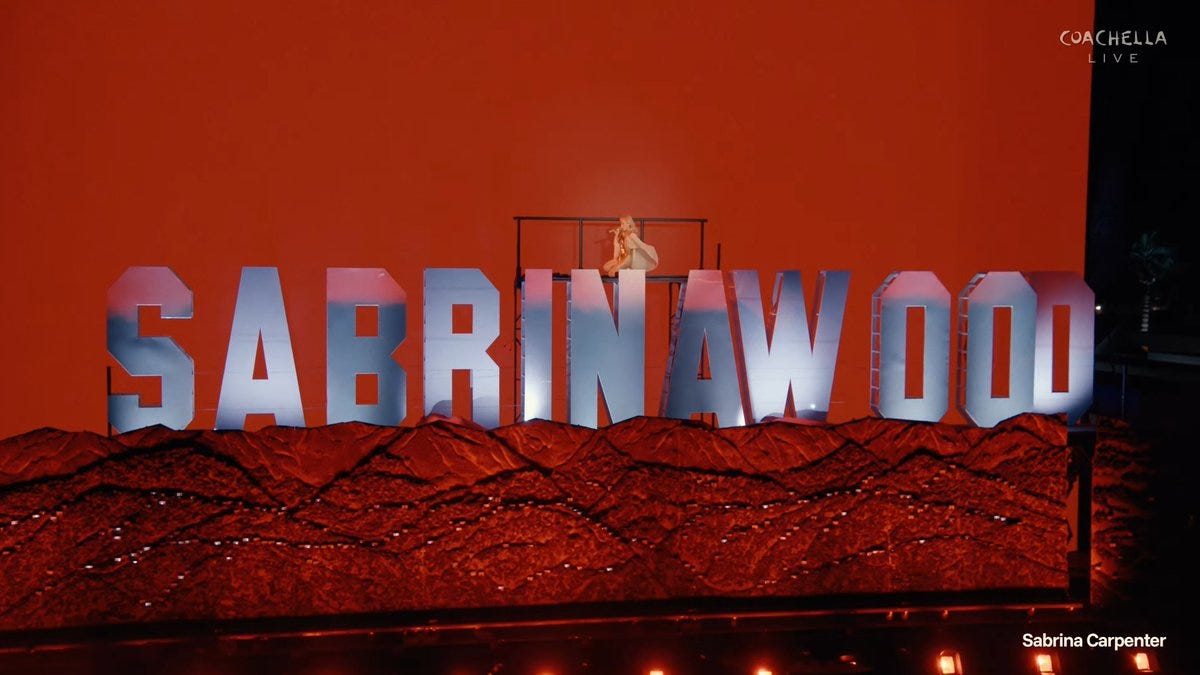
Dior leveraged its high-fashion status through strategic collaborations and custom creations. The brand was prominently featured through the “Sabrinawood” production, which saw Sabrina Carpenter in four distinct Dior costumes. Additionally, Ethel Cain performed in custom Dior distressed overalls. While not a traditional on-site activation, Dior’s presence generated significant Media Impact Value (MIV) through extensive coverage in fashion publications like Vogue, InStyle, and Harper’s Bazaar, demonstrating the power of high-profile fashion moments to drive brand visibility and conversation.
Our Ranking Method: To objectively rank the brand activations, we analyzed the breadth of conversation, the quality of engagement, and the innovative nature of each activation. Leveraging natural language processing (NLP) techniques, this score analyzes the qualitative nature of conversations surrounding each brand. Data was gathered from social media platforms (TikTok, Instagram, and X) and professional news coverage from leading publications such as Vogue, The Guardian, and FutureLabs. Positive sentiment was primarily driven by activations that demonstrated authenticity, accessibility, and successfully generated a sense of ‘Fear Of Missing Out’ (FOMO) among both attendees and online audiences.