
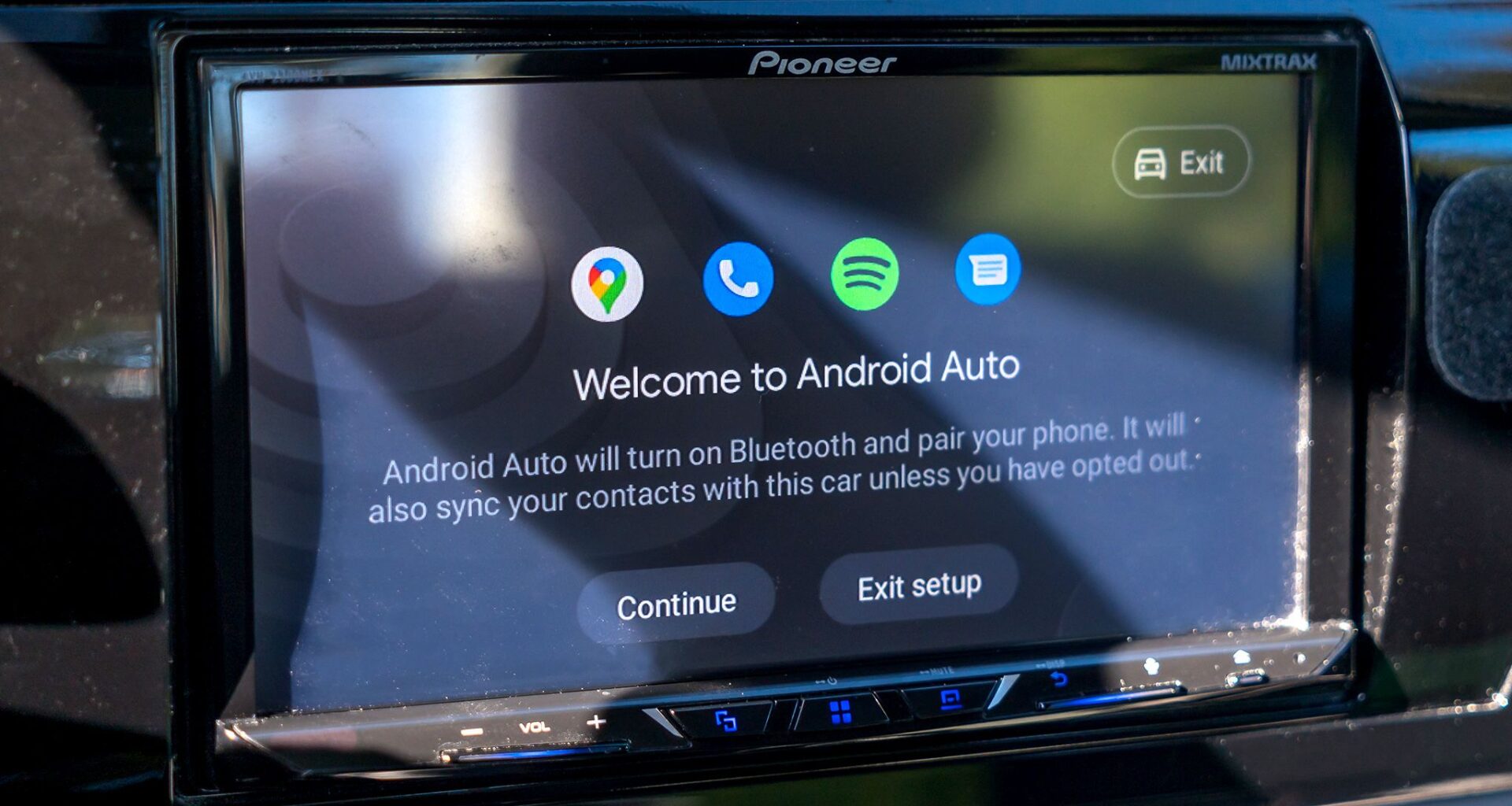
Android Auto has been around for more than a decade, and it’s an amazing solution for staying connected with your phone safely while driving. Most cars support a wired Android Auto connection, so make sure you have the best cables for the job. Wireless Android Auto is increasingly common in many new car models, not just premium ones. Plus, Google keeps updating Auto with new features like support for Google Meet in Android Auto.
While it works great out of the box, there are a few settings I always tweak every time I use a new phone with my car. These are simple toggle switches that can make a world of difference when using Android Auto daily, and all of them can be done via your phone itself. Here are my top five settings and tweaks that I recommend making if you’ve just set it up.
Stop music from auto-playing when connected
(Image credit: Roydon Cerejo / Android Central)
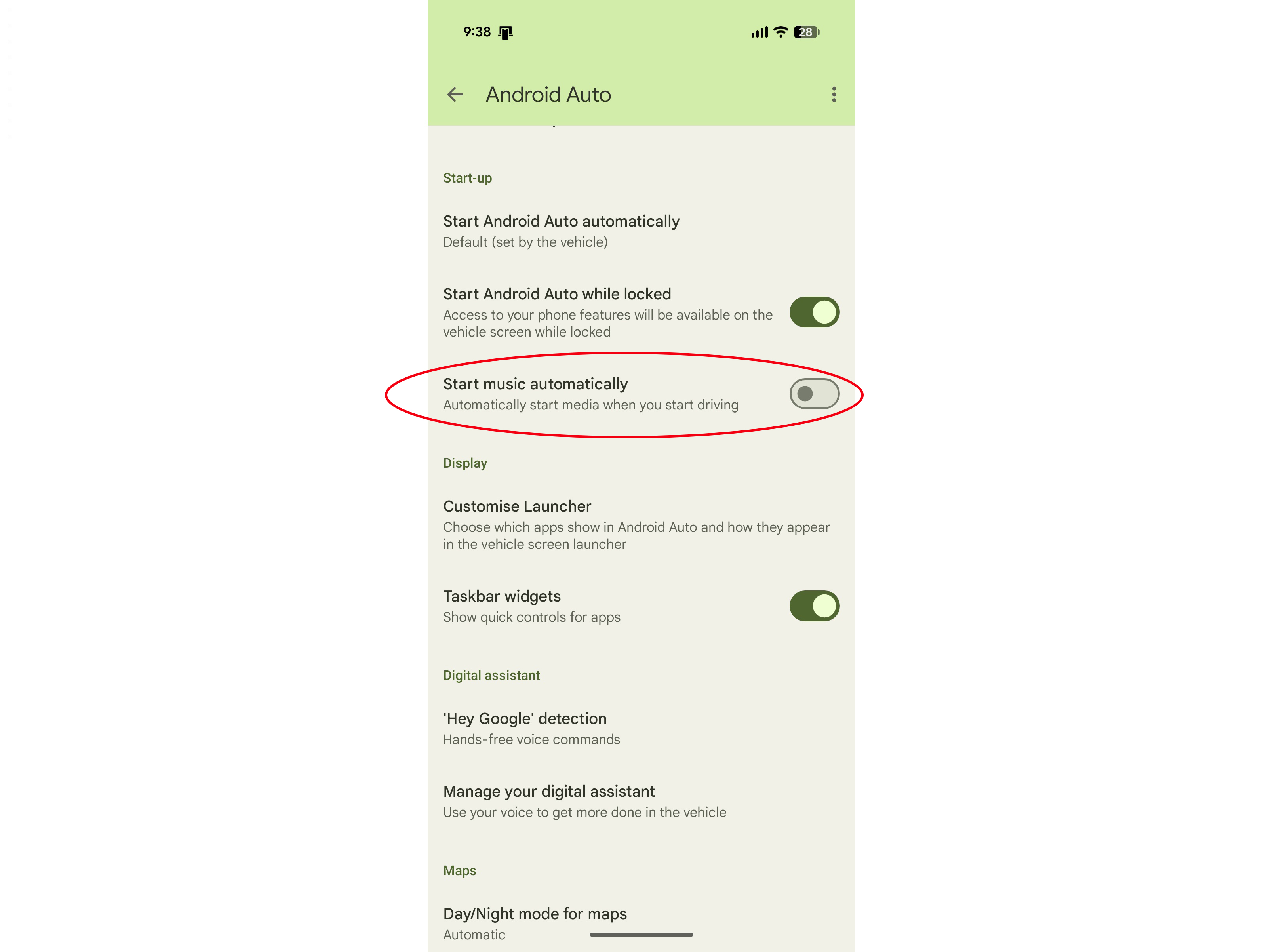
One of the most annoying default settings of Android Auto is that your music will start playing automatically as soon as your phone connects to your car. It can be very jarring at night if you had the volume turned all the way up the last time you used the car. It can also be downright embarrassing, depending on who’s in the car with you, and your secret guilty pleasure music starts blaring. Keep your dignity by simply disabling this toggle switch.
Article continues below
You may like
On your phone, head to Settings, and search for Android Auto. In the settings menu, scroll down to the Start-up sub-menu and disable Start music automatically. That’s it. Now the next time you connect your phone, your music will be in the paused state.
Minimize notification distractions from apps
(Image credit: Roydon Cerejo / Android Central)
By default, most messaging apps and some media apps (YouTube Music, Spotify) installed on your phone will appear in the Android Auto app drawer. Any notifications from these apps will also pop up on your screen as alerts. When driving, the last thing you want is spam alerts from insurance companies distracting you from the road. There are two ways to disable notifications.
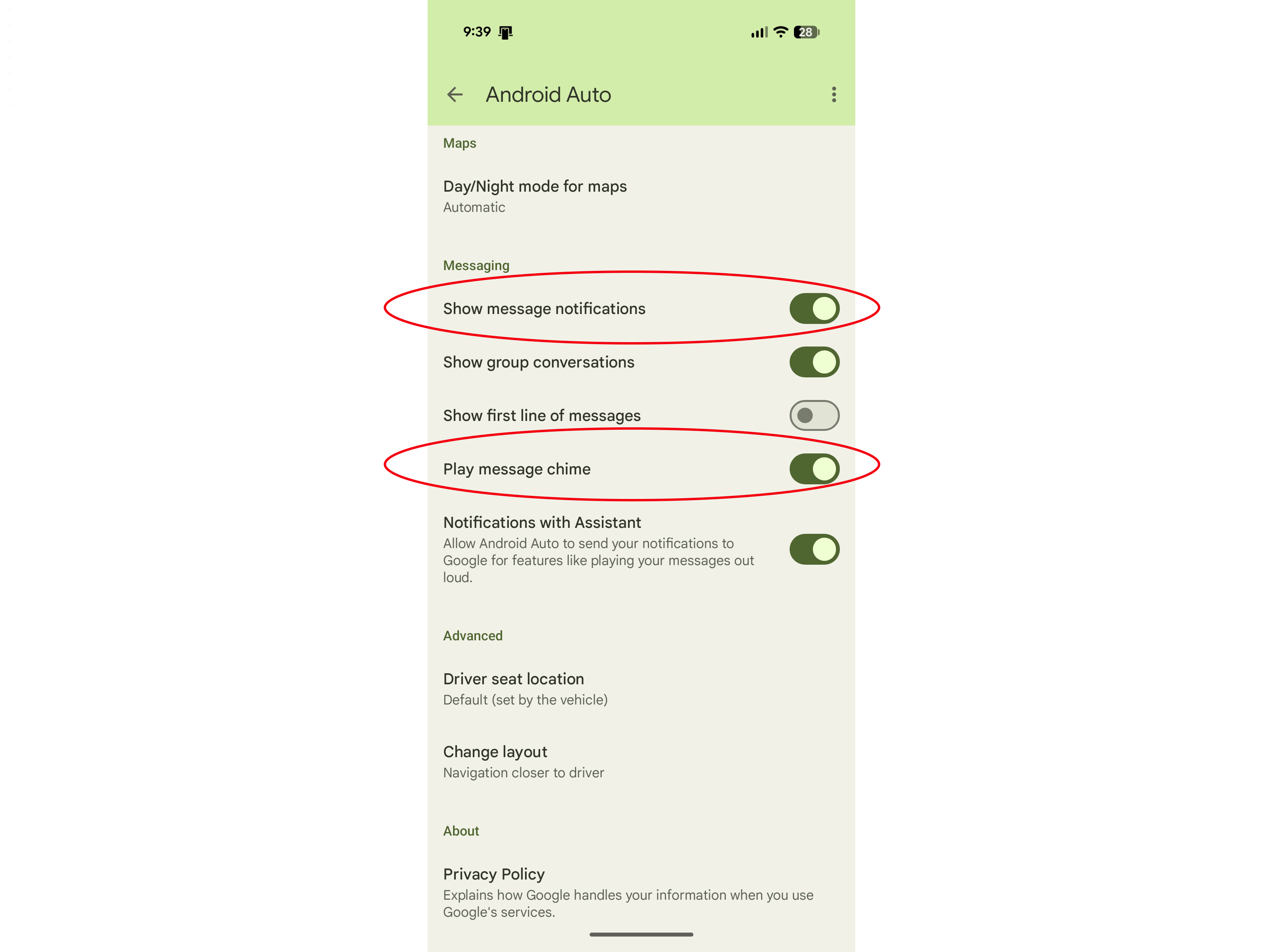
To minimize the audible pings, head to the settings menu of Android Auto, scroll down to the Messaging sub-menu, and simply disable Play message chime. This will at least stop the audible alerts, but will still show you incoming messages. If you wish to stop this as well, you can simply disable the first sub-menu item called Show message notifications.
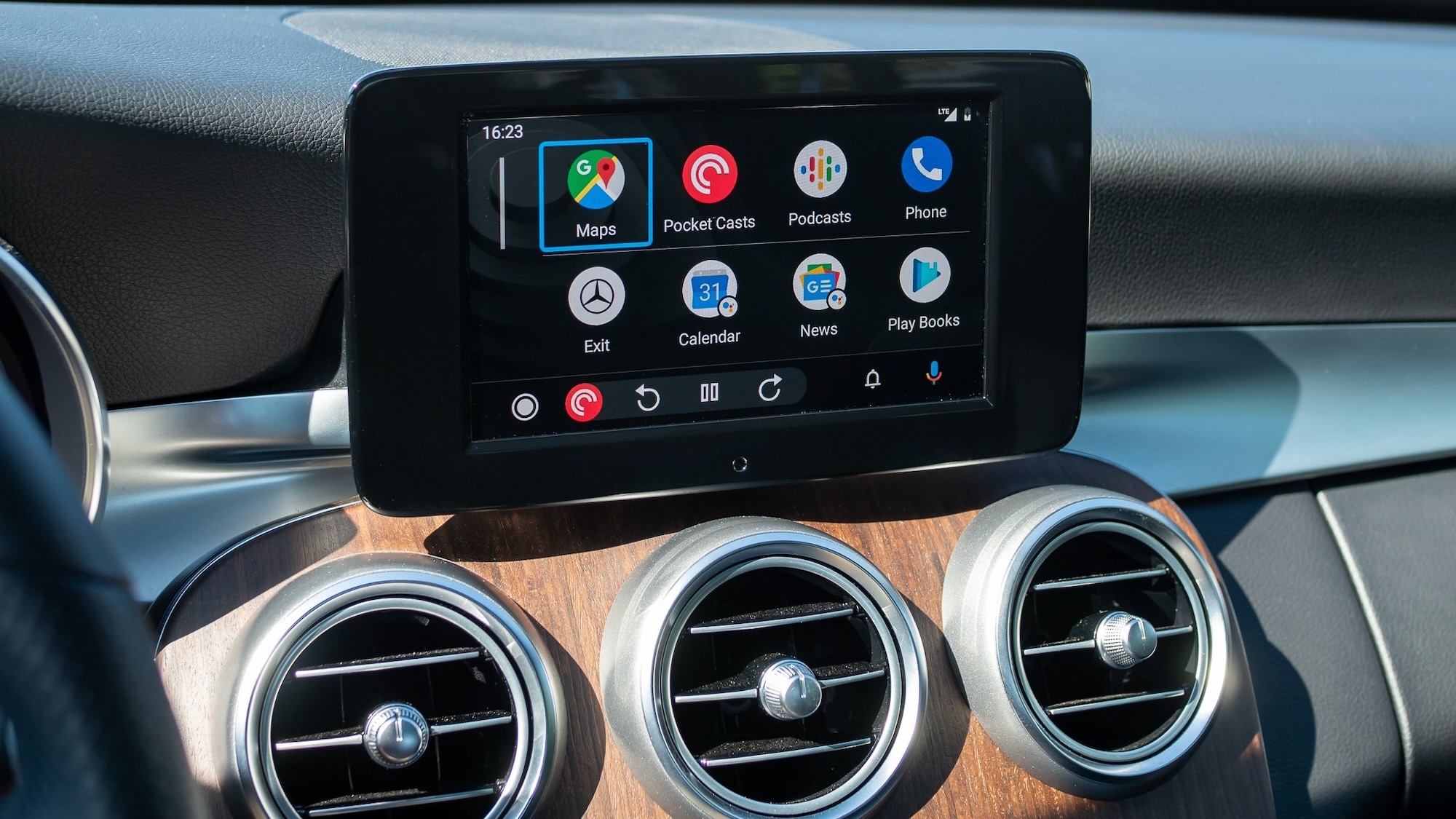
Another way to do this is to disable any unwanted apps from the app drawer so those notifications are automatically eliminated. From the same settings menu on your phone, scroll up to Customize Launcher, and simply uncheck the apps you don’t wish to use with Android Auto.
Prevent Android Auto from automatically starting up
(Image credit: Android Central)
One of the great things about Android Auto is that it seamlessly starts up when you start your car, but not everyone might want it set up this way. Android Auto does drain your battery quicker when connected wirelessly to your car’s head unit, and you might not always need it if you prefer tuning in to the radio or don’t need maps for shorter trips.
Unfortunately, there’s no dedicated setting for this in Android Auto itself at the moment. None of the selectable options in the Start Android Auto automatically menu allows you to do this. One workaround that has proven to work for me is to disable the toggle Start Android Auto while locked.
In doing so, your phone will still connect to your car via Bluetooth (for calls), but Android Auto won’t start, provided your phone is locked. If you do need to enable Android Auto in the middle of your drive, you should see a notification on your phone that says “Android Auto is available,” and tapping it should launch it. You could also manually enable it via your car’s dashboard.
What to read next
Create Shortcuts for frequent tasks
(Image credit: Roydon Cerejo / Android Central)
You can give voice commands to Google Assistant to call a contact or find places along your route. If you’re one of the lucky ones, chances are that you already have Gemini in Android Auto, which is far superior in terms of understanding instructions. However, there will be times when Assistant is simply unable to understand what you’re asking it to do due to wind noise if you’re driving with the window down or noisy kids in the back seat. In times like these, it’s good to have shortcuts for frequently used actions already set up.
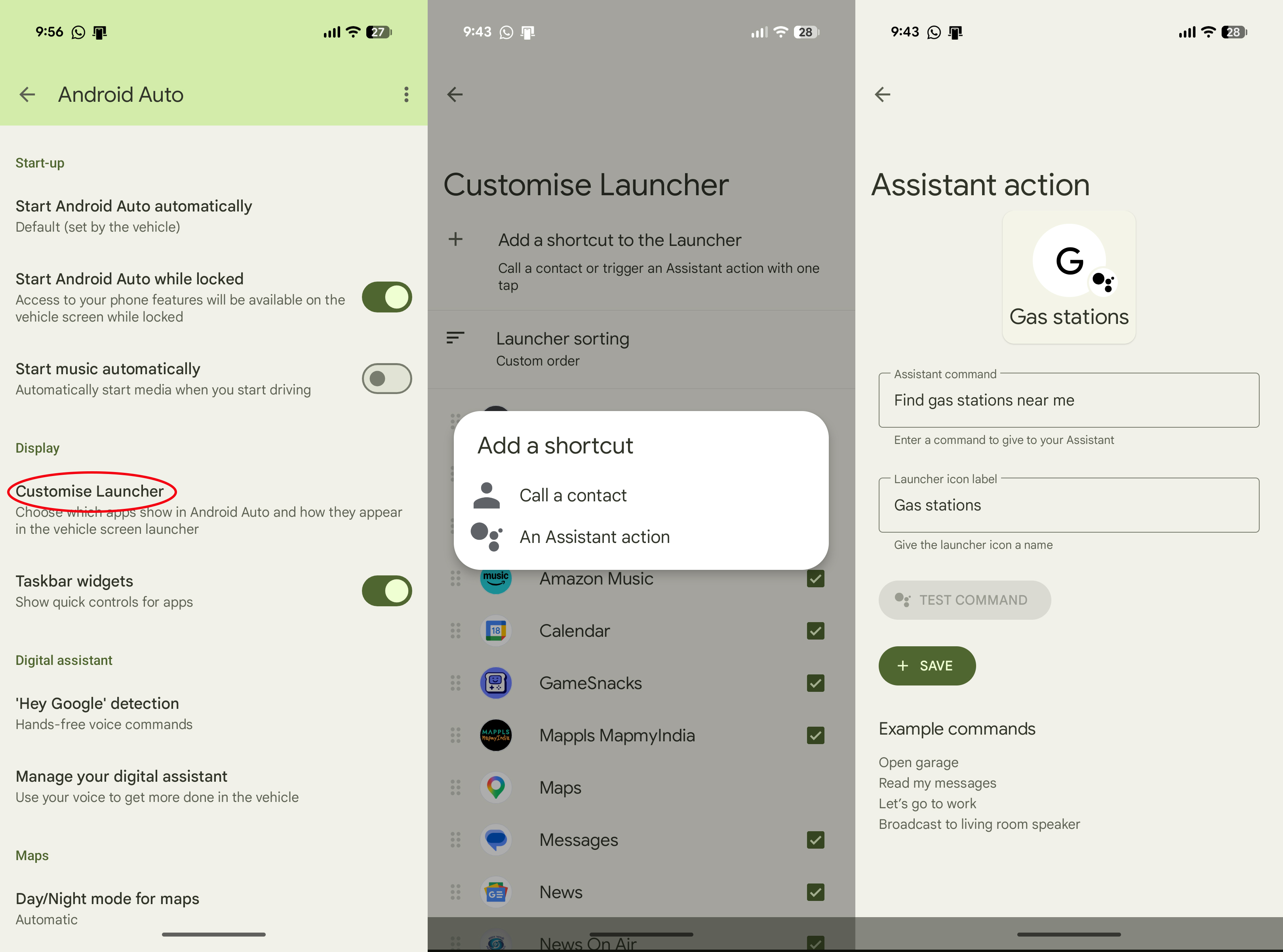
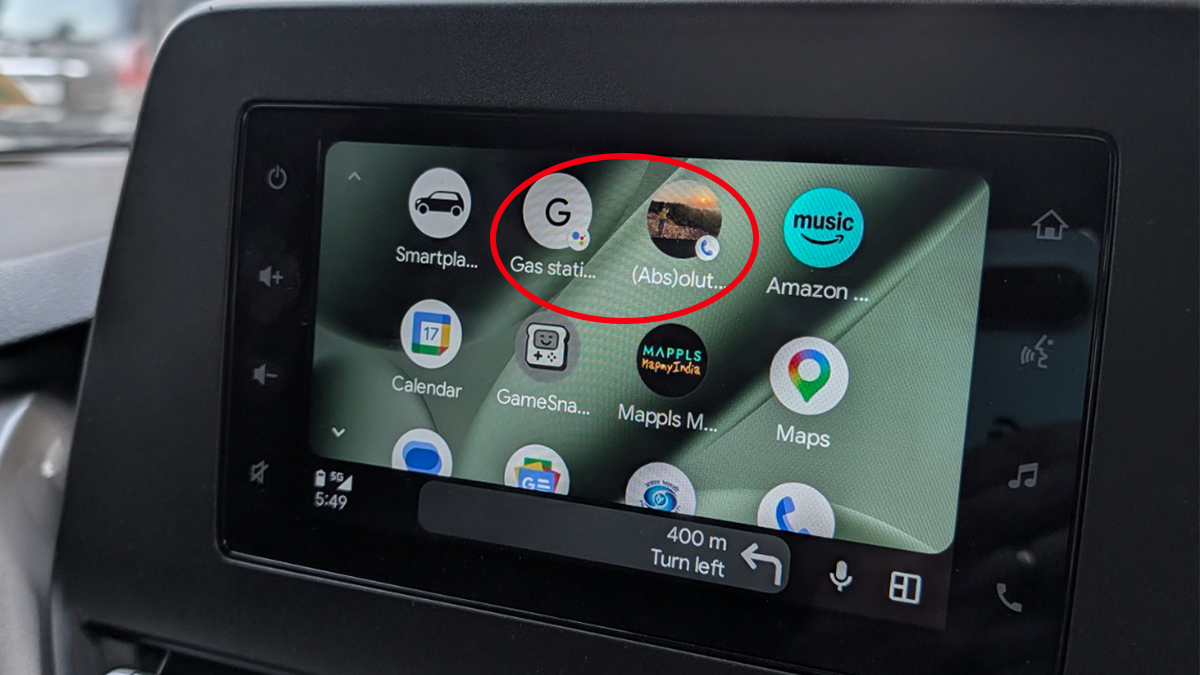
In Android Auto settings on your phone, tap Customize Launcher, then tap Add a shortcut to the Launcher. You can set shortcuts for “Call a contact” or “An Assistant action.” The former is self-explanatory as it basically lets you create a one-tap call shortcut for a contact. The latter is where it gets interesting, as it lets you create any command that you’d typically give Assistant, such as “find all gas stations near me.” You can then label it and even test it out (Android Auto needs to be active for this) before saving it.
(Image credit: Roydon Cerejo / Android Central)
Once you create these shortcuts, you can then go back and reorder them to the top of the list so that they are the first icons you see when you open the app drawer in Android Auto. Now, your favorite contacts and most used actions are just a tap away.
Enable quick controls
(Image credit: Roydon Cerejo / Android Central)
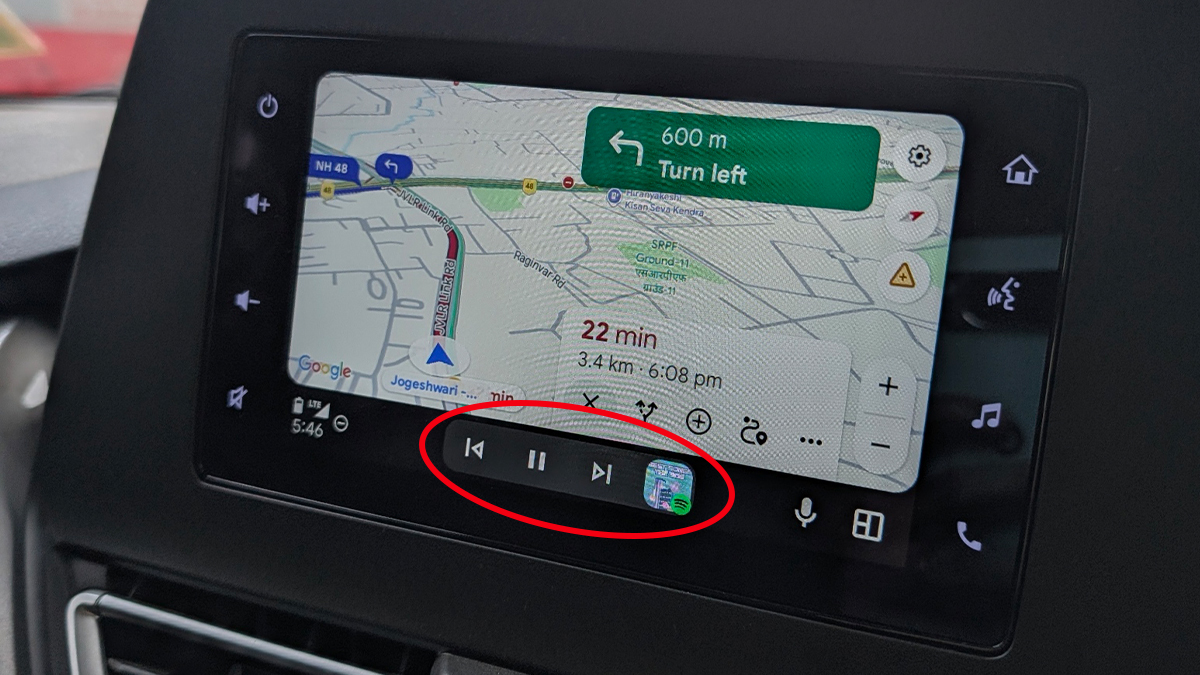
Under the same Android Auto settings menu, enable the toggle called Taskbar widgets. What this does is let you control music playback from the taskbar, even if you have another app like Maps open in full screen. By default, the taskbar will show you other apps, but doing so means your passenger can’t pause or skip a track if you have another app in full-screen mode.
These are some very simple yet important tweaks you can do to Android Auto for a safer and more enjoyable drive. Have an essential tip that’s missing here? I’d love to hear about it in the comments.
Google’s finest yet
The Google Pixel 10 Pro is the best way to experience Android, the way Google intended it. Plus, it gets two exclusive features for Android Auto called Call Screen and Call Notes, that have begun rolling out.