
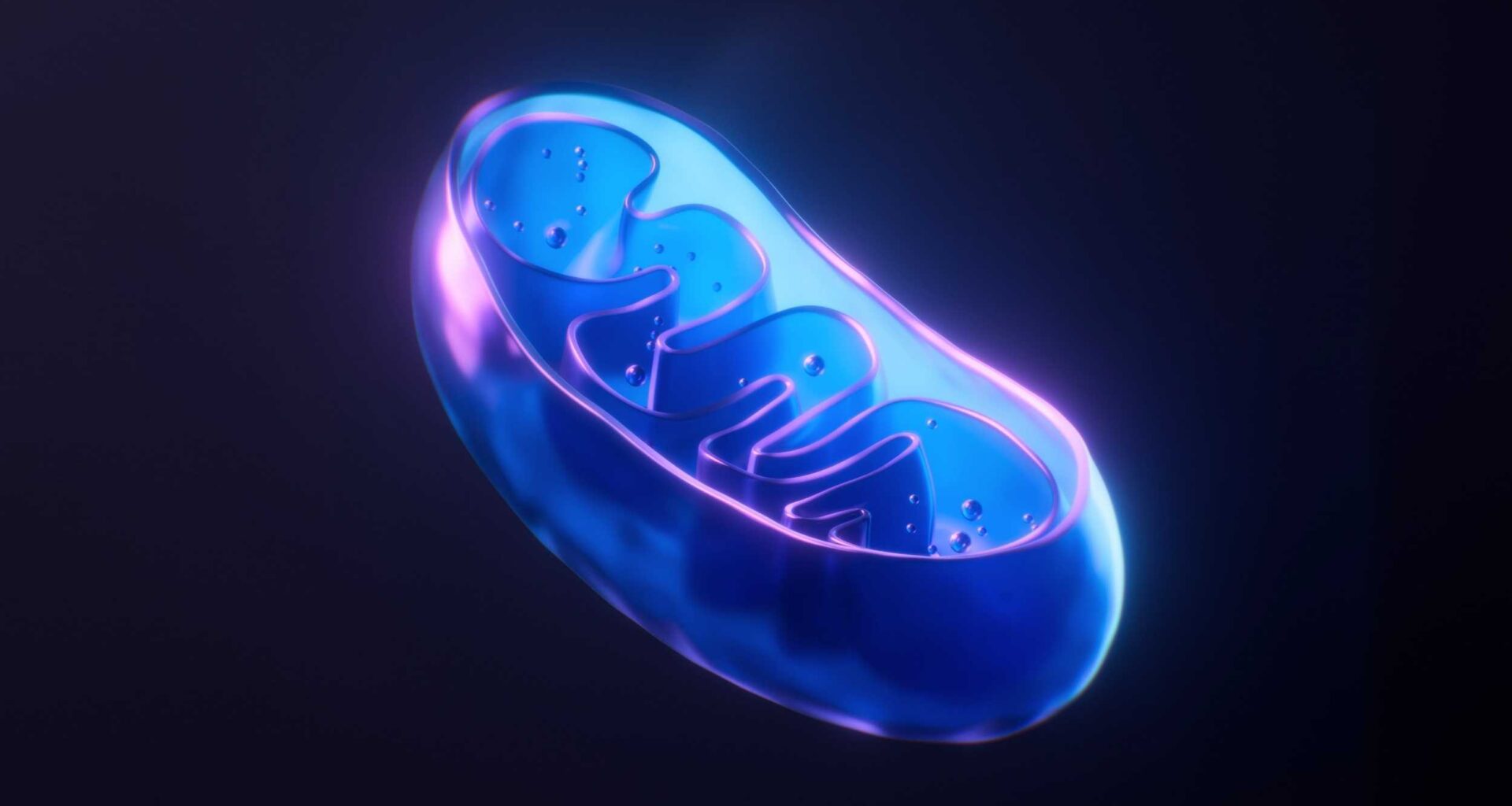
Healthy mitochondria that can be guided into failing cells can help damaged neurons survive both human and mouse tests.
That result generates more than a general rescue approach and produces treatment plans that can be directed to specific cells that are failing.
Directing mitochondria to needed areas

In human nerve cells, eye tissue, and mouse eyes, donated energy units gather inside the intended cells instead of spreading randomly.
At the Institute of Molecular and Clinical Ophthalmology Basel, (IOB) Botond Roska and colleagues showed that engineered binders could drive selective uptake.
The effect was strongest in human nerve cells, where about nine out of ten target cells were receptive to donated energy units, compared with about one in ten, and without the targeting system.
That precision proves to be more than a delivery trick and asks what tasks the mitochondria perform once they are inside.
Viability upon initial entry
Once inside the target cells, the donated energy units stayed intact and kept working instead of breaking down.
Some moved freely through the cell rather than getting trapped in temporary compartments. Imaging showed them traveling through the cell and mixing with the cell’s own energy supply.
That mattered because cells only benefit if the donated parts actually join in and help produce energy.
Three strategies for targeted delivery
To reach different kinds of cells, the system used three simple ways to guide the energy units to the right place.
One approach tagged the receiving cell, another tagged the donated parts, and a third directly linked the two together.
With that linking approach, some human immune cells were reached in nearly all cases at higher doses.
Having multiple options made it easier to adapt the method for different organs and conditions.
Balance of strength and specificity
Delivery improved when the guiding signals were strong enough to stick to the right cells but not to the wrong ones.
Strengthening one of these signals turned a weak result into a clear and consistent delivery at lower amounts.
Another signal showed similar gains, especially when smaller doses were used.
Still, some cells remained harder to reach, which showed the limits of how targeting can be improved.
Testing in real tissue environments
The results held up when the work moved from simple lab dishes into more complex tissue systems.
In donated human eye tissue, far more target cells received the energy units than in control conditions.
Lab-grown eye tissue and blood vessel models showed similar patterns, with delivery favoring the intended cell types.
These tests mattered because real tissues are more crowded and complex, which often reveals problems that simpler setups might miss.
Restoration of energy amidst damage
The team then tested nerve cells grown from a patient with a rare inherited condition that causes vision loss.
After the treatment, these damaged cells produced more usable energy, showing that the donated parts were working.
When the cells were pushed into a more stressful state, survival increased by about 24% in the treated group.
“Our vision is to advance this technology into a therapy that can restore cellular health and function in patients affected by these devastating diseases,” said Roska.
In mice, the researchers tested whether the same approach could protect vision-related nerve cells after injury.
One day after damaging the optic nerve, the donated energy units entered most of the targeted cells, compared with only a small fraction without targeting.
Ten days later, many more of those cells were still alive in treated eyes than in untreated ones.
Treated retinas also kept more light-responsive neurons and showed less axonal beading, a damage pattern seen in breaking nerve fibers.
Case for controlled mitochondria
Earlier transplantation studies suggested that healthy mitochondria could help stressed cells, but poor targeting kept the field imprecise.
Cells in the eye, brain, and heart suffer early when mitochondria fail because of their high energy demands.
Adding a simple coating helped reduce unwanted sticking in one immune cell test, improving accuracy without reducing delivery to the intended cells.
Better control could allow lower doses, less waste, and fewer effects on cells that do not need treatment.
Barriers to using research
Even strong early results do not remove the practical challenges of turning this approach into a real treatment.
Some versions required modifying either the donated parts or the target cells, which could make production and repeat use more difficult.
The human eye tests came from a single donor, and safety was only confirmed in animals rather than people.
Future studies will need to show lasting benefits, reach deeper tissues, and confirm that the treatment works over time.
Breakthrough to potential medicine
The system showed that these donated energy units can be guided into struggling cells and put to work where they are needed.
If later studies confirm durable benefit and safe delivery, mitochondrial therapy may finally become targeted enough to treat specific diseases.
The study is published in the journal Nature.
—–
Like what you read? Subscribe to our newsletter for engaging articles, exclusive content, and the latest updates.
Check us out on EarthSnap, a free app brought to you by Eric Ralls and Earth.com.
—–