
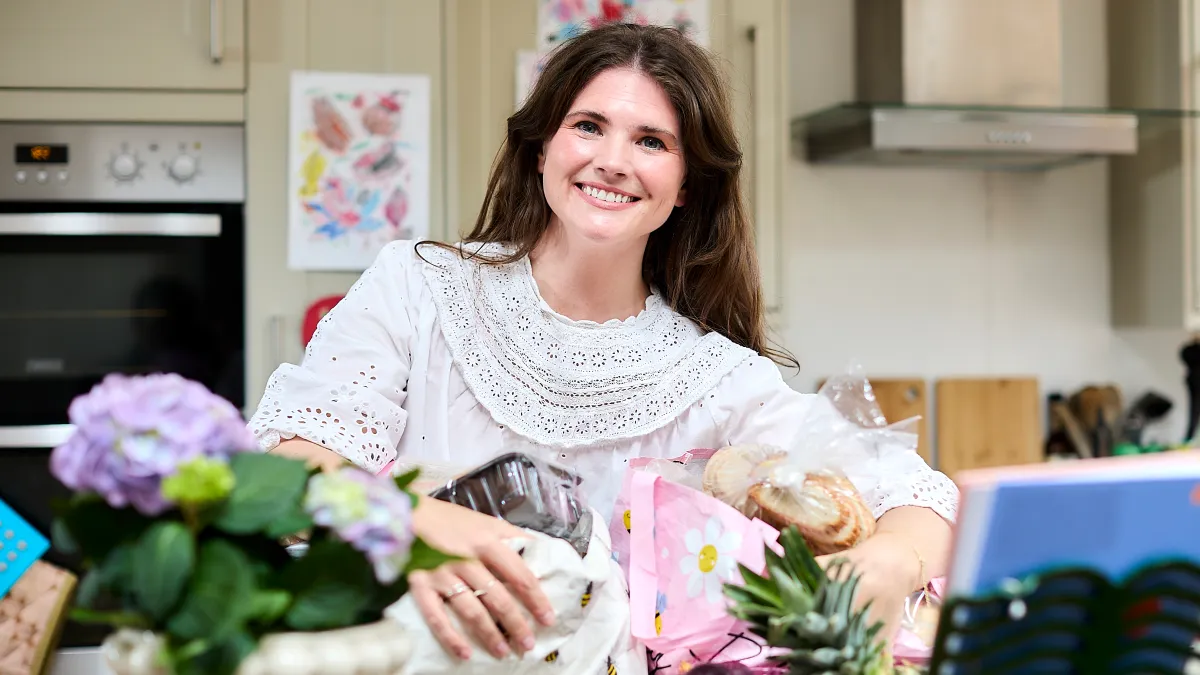
Many single people would struggle to keep their weekly food shop below £50. But Milly Rousseau has followed the strict budget for her family of four for more than five months.
With a household income of more than £100,000, Milly and her husband Ed would not seem the most likely candidates for such a frugal lifestyle. But they are among those feeling the squeeze from a punitive tax system, inflated housing costs and rising prices — otherwise known as Henrys (high earners, not rich yet).
Milly, 36, is a stay-at-home mum and Ed works in tech. In November last year she committed to spending money on nothing other than essentials, paying the bills and a £50 food shop for her and Ed plus their two children, aged four and two.
Money newsletter
The latest personal finance and investment news from our money team.
Sign up with one click
The idea was born after Ed’s previous well-paid contract job came to an end and he was out of work for a couple of months. “We had just moved home after living in Australia, bought a house in Twickenham, paying £3,000 a month on the mortgage, and were quickly burning through our savings,” Milly said.
They pay £300 a month for council tax and another £300 for other bills including gas, electricity and internet. They also have a £100-a-month life insurance policy.
Milly said: “Before that we were not really thinking about money. It was a wake-up call. I know we are not in the most sympathetic situation income-wise, but it is difficult.”
Because Ed’s income is more than £100,000 a year, the family do not qualify for tax-free childcare or free nursery hours from the government. The couple spend £400 a month on nursery fees and have a nanny once a week for £110. Ed also falls into the 60 per cent tax trap where he starts to lose his £12,570 tax-free personal income allowance once his income passes £100,000.
For every £2 earned over the threshold, £1 of the personal allowance is lost until it is completely gone by the time earnings hit £125,140. Those earning between £100,000 and £125,140 therefore face a marginal income tax rate — the tax they will pay on the next £1 they earn — of 60 per cent.
“Until I had my daughter I have always worked and I found it hard not contributing financially. I wanted to make a contribution to the mental load of our household, to help take the stress off Ed’s shoulders,” Milly said.
She found she was spending about £1,500 a month on running the house and caring for the children and wanted to work out where this money was going. “I knew groceries were a black hole for spending. When you are a mum, especially while on maternity leave, the supermarket is the place you go every day. And it’s not just food any more; they have clothing and a home section.
“I would feel guilty shopping or buying clothes for myself but if it was at the supermarket it felt like sanctioned spending and I would treat myself to things I didn’t need,” Milly said.
After deciding not to spend on anything other than the basics in November, she found she had almost £1,000 left over, when she would usually be down to her last £5. She said: “That blew my mind. I had kept it down to one £50 food shop a week with no top-up shops. It was quite difficult and I do want to caveat that being a stay-at-home mum makes it possible to cook more from scratch.
“The other thing I found was the little things that you don’t think matter, such as getting a takeaway coffee when out with the kids, buying snacks for the kids when out instead of bringing sandwiches. That really adds up.”
Recent price rises have made the £50 budget more challenging. “It is getting harder this year and sometimes it will go up to around £60 or £70. I think it will only get harder as the year goes on, too, with everything going up.”
The war in Iran has pushed up oil prices which has increased the cost of food production. The government is working on plans for food shortages this summer in case the war continues. The Food & Drink Federation warned this month that grocery prices could rise as much as 10 per cent by the end of the year.
A typical weekly menu in the Rousseau household includes toast, porridge with frozen berries and banana pancakes for breakfast and lunches of cheese quesadillas, cod fishcakes with pea puree, roast chicken wraps, cheese and Marmite pinwheels, cheese toasties and tomato soup. Dinners include spaghetti bolognaise, broccoli mac and cheese, vegetarian chilli with rice, Thai green curry, tuna pasta bake and butternut squash risotto.
Milly documents her weekly shops on social media, sharing tips on the cheapest supermarkets. Not all of the comments are positive. “Budgeting is such a hard topic to talk about online as people are so worried about it. People are so quick to scrutinise you when you are trying to stick to a budget, they’re defensive about how much everything costs at the moment. It also takes me ages to do a £50 shop, I scour the shelves looking for the cheapest possible options.”
Some of the savings are going towards rebuilding the family’s nest egg that was depleted while Ed was out of work. Milly said: “We really want to build a safety net this year. For me it’s not about not spending anything ever, it’s about making sure what you’re spending is worth it for you. My husband said, your time is not worth nothing either. So we took the savings from the food shop and hired a cleaner.
“Spending less on groceries but being able to afford a cleaner helps my mental load, it has done wonders for our relationship and halved the arguments in our household.”