
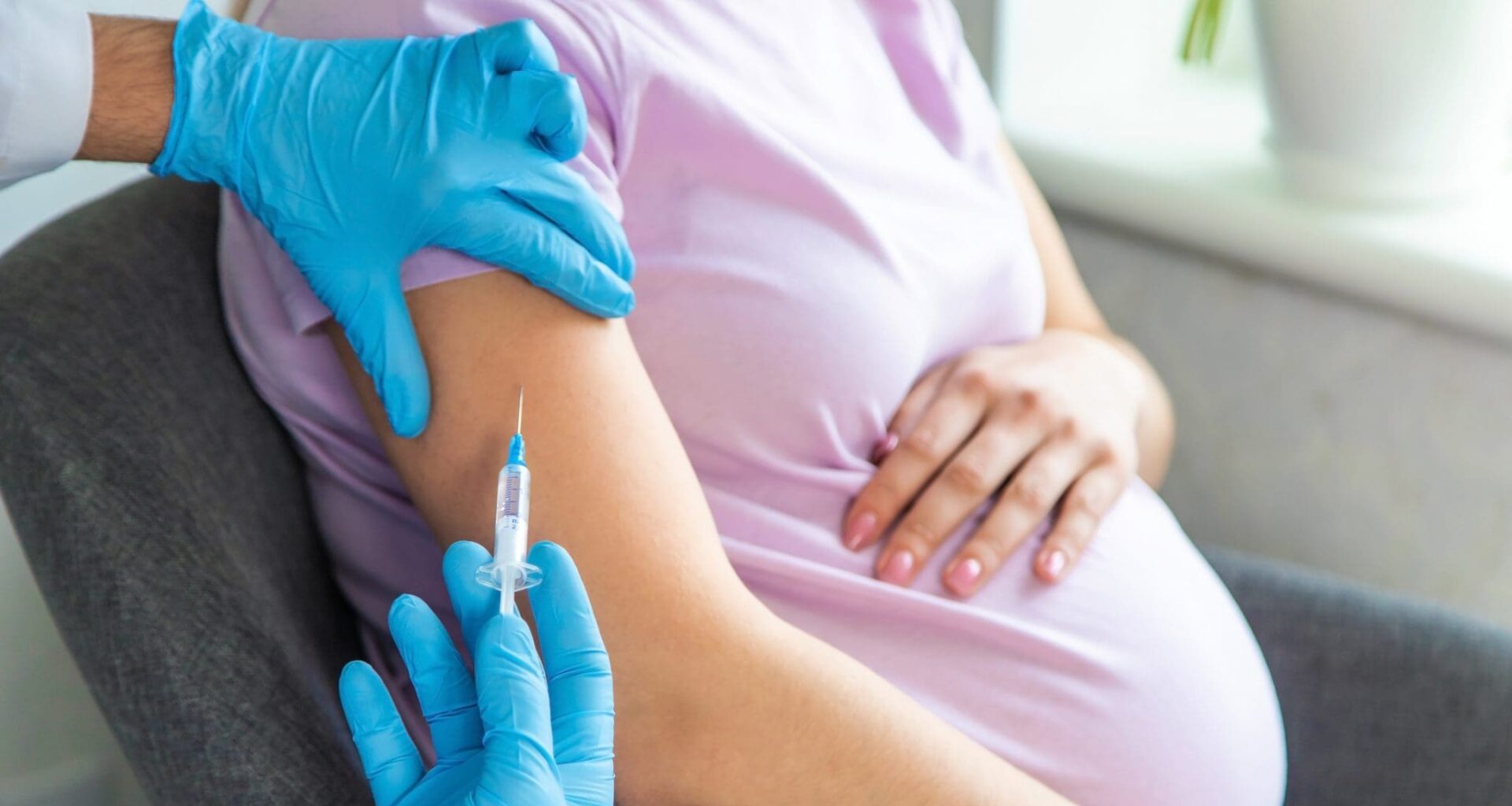
 image: ©Anna Solovei| iStock
A UK study finds the RSV vaccine in pregnancy can reduce infant hospitalisation risk by up to 85%, especially when given in early stages
A UK Health Security Agency study found the RSV vaccine protects mothers and newborns, including preterm infants, providing over 80% protection against RSV.
The study is believed to be the largest in the world to evaluate the effectiveness of maternal RSV vaccination in preventing hospitalisation of infants with RSV chest infection.
NHS offers RSV vaccine in pregnancy to protect newborn babies from serious lung infection
Respiratory syncytial virus (RSV) is a common cause of coughs and colds, and almost all children get it at least once before they are two years old. In babies, RSV is a common cause of a type of chest infection called bronchiolitis, which can cause breathing problems and may need hospital treatment.
In the UK, NHS guidance recommends RSV vaccination for all pregnant women to protect newborns from severe infection. The vaccine is offered from 28 weeks of pregnancy onwards, so the mother develops protective antibodies that cross the placenta before delivery. These antibodies provide temporary immunity in the first months of life, when infants are most at risk for bronchiolitis and hospital admission for serious illness. The vaccine requires a single injection during each pregnancy, typically administered through NHS maternity services or GP clinics as routine antenatal care.
Maternal RSV vaccination provides strong protection for newborn babies
The study followed nearly 300,000 babies born between September 2024 and March 2025, representing around 90% of all births in England during this period.
Researchers analysed routinely collected electronic health records to assess the effectiveness of the RSV vaccine in preventing hospital admissions. Over 4,500 hospitalisations occurred during the study period, and the majority of infants’ mothers had been vaccinated.
Receiving the vaccine on schedule (week 28 or shortly afterwards) yielded the best results: babies born at least four weeks after maternal vaccination had nearly 85% protection. Vaccination later in pregnancy still provided benefit; immunisation 10 to 13 days before birth reduced hospital admissions by 50%.
Matt Wilson, Epidemiologist at UKHSA, presenter and lead author, said: ”Our evaluation of the first season of the programme in England gives important confirmation that maternal RSV vaccination is highly protective for newborn infants, over 80%, and that effectiveness reached nearly 85% when vaccination occurred at least 4 weeks before birth.
These findings are also particularly important for preterm infants, who are among the most vulnerable to severe RSV infection. With sufficient time between vaccination and birth, we saw good levels of protection in these babies. Giving the vaccination early in the third trimester, as recommended by the World Health Organization, could protect most preterm infants, so it’s important that midwives and other healthcare workers offer vaccination on time with the schedule – and that pregnant women promptly take it up.”
Maternal RSV vaccine uptake in England continues to climb, reaching 55% during the study period, and the latest data show uptake rising to 64.1% for women who gave birth in November 2025
Dr Conall Watson, Consultant Epidemiologist at UKHSA, one of the senior authors and national programme lead for RSV, said: ”RSV can cause life-threatening chest infections for babies. Half of newborns will have caught RSV before they are a year old. As an expectant parent, you have no idea if they are going to be severely ill or not.
Our analysis of the RSV vaccination programme in England is important confirmation of the results from the clinical trial, but this study is 40 times bigger and clearly shows the hugely beneficial effect on reducing hospital admissions. Getting vaccinated in week 28 of pregnancy or soon after gives excellent protection to both term and preterm babies when they are tiny and most vulnerable to severe RSV. The RSV vaccine gives a brilliant boost to the pregnant woman’s immune system so it can pass antibodies through the placenta and protect the baby from the day they are born.”