
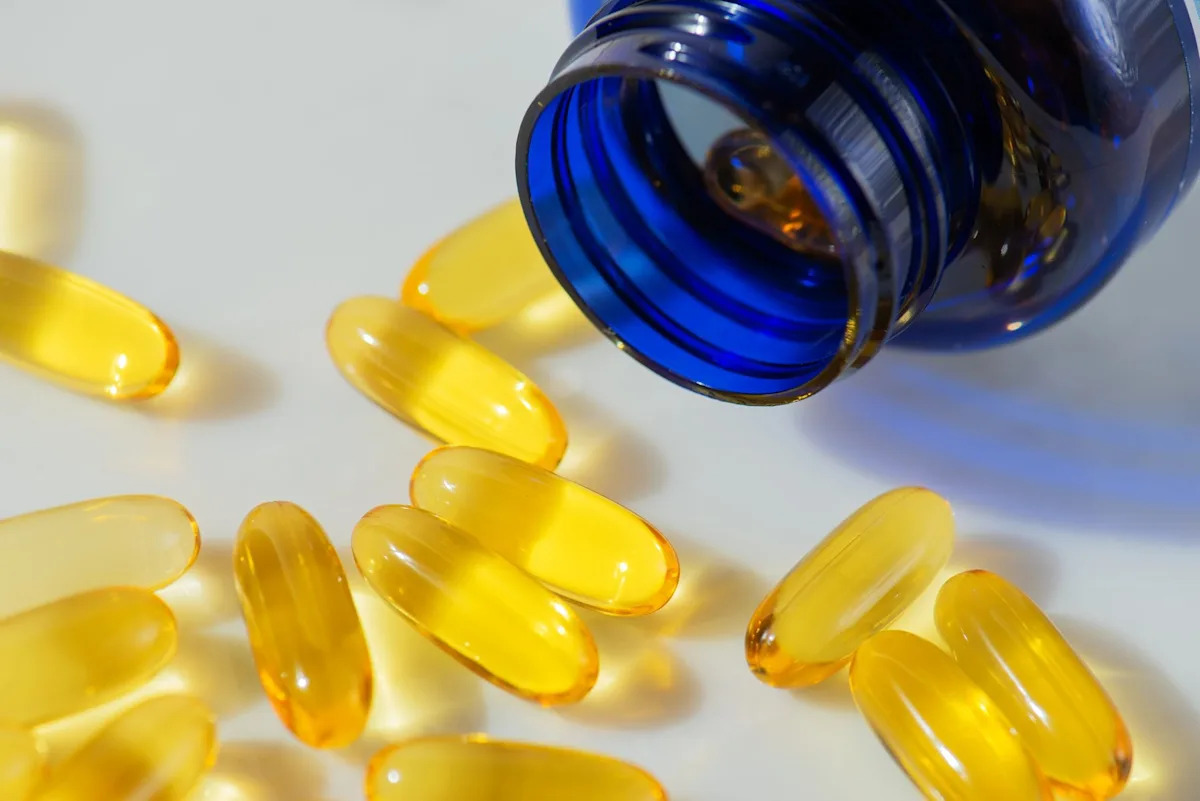
Vitamin D is among the most accessible—and tiniest (read: easy to swallow!)—vitamins that are prevalent in many American diets these days. In 2022, the Cleveland Clinic Journal of Medicine published research suggesting “about one-fifth of the adult population” in the United States was taking a daily vitamin D supplement.
It makes sense that vitamin D was under significant investigation back then, when the pandemic had raged in full effect and Americans worked to take greater ownership of their immune health to avoid viral transmission.
Now, in 2026, the Mayo Clinic may have found that vitamin D even has effects on the immune system for individuals whose digestive systems have a hard time absorbing vitamins due to what may be considered as inflammation-related diagnoses.
John Mark Gubatan, M.D., a gastroenterologist at the Mayo Clinic’s Jacksonville, Florida campus, led a team of 10 gastroenterology and pathology researchers from Mayo, as well as Stanford University and Australia’s Manesh University, in a study published March 2025 in Cell Reports Medicine. Via a press release, the group shares they set out to examine how “Vitamin D supplementation may help shape how the immune system responds to gut bacteria in people with inflammatory bowel disease.” They explain that inflammatory bowel disease, often shortened to “IBD,” can include Crohn’s disease and ulcerative colitis, both of whose symptoms “usually include belly pain, diarrhea, rectal bleeding, extreme tiredness and weight loss.”
The researchers evaluated 48 people with inflammatory bowel disease who also had low vitamin D levels. As part of the study, for 12 weeks those patients received weekly vitamin D supplements.
The research team analyzed blood and stool samples that were collected before, and after, treatment “to map interactions between immune responses and the gut microbiome.”
Indeed, “Our results demonstrate that vitamin D promotes immune tolerance to gut microbiota in patients with IBD,” the study authors report. This insight came from noted changes in “immune signaling pathways,” as well as “increased activity” of immune cells that help regulate inflammation.
The study results suggest that “vitamin D may help rebalance how the immune system sees gut bacteria,” according to Dr. Gubatan. “That’s an important step toward understanding how we might restore immune tolerance in IBD.”
One noteworthy point is that the weekly dosage these patients took was 10 to 50 times greater than a common vitamin D oral supplement, which typically comes in 1,000 to 5,000 international units, compared to the 50,000 administered in this study to the IBD patients.
It’s not advisable to take a higher amount without consulting with a doctor, and Dr. Gubatan says more research is necessary—but, for the up to 3.1 million Amerians the CDC has stated have IBD, this type of supplementation could help change regular disease management.
For daily wellness updates, subscribe to The Healthy newsletter and follow The Healthy on Facebook and Instagram. Keep reading: