
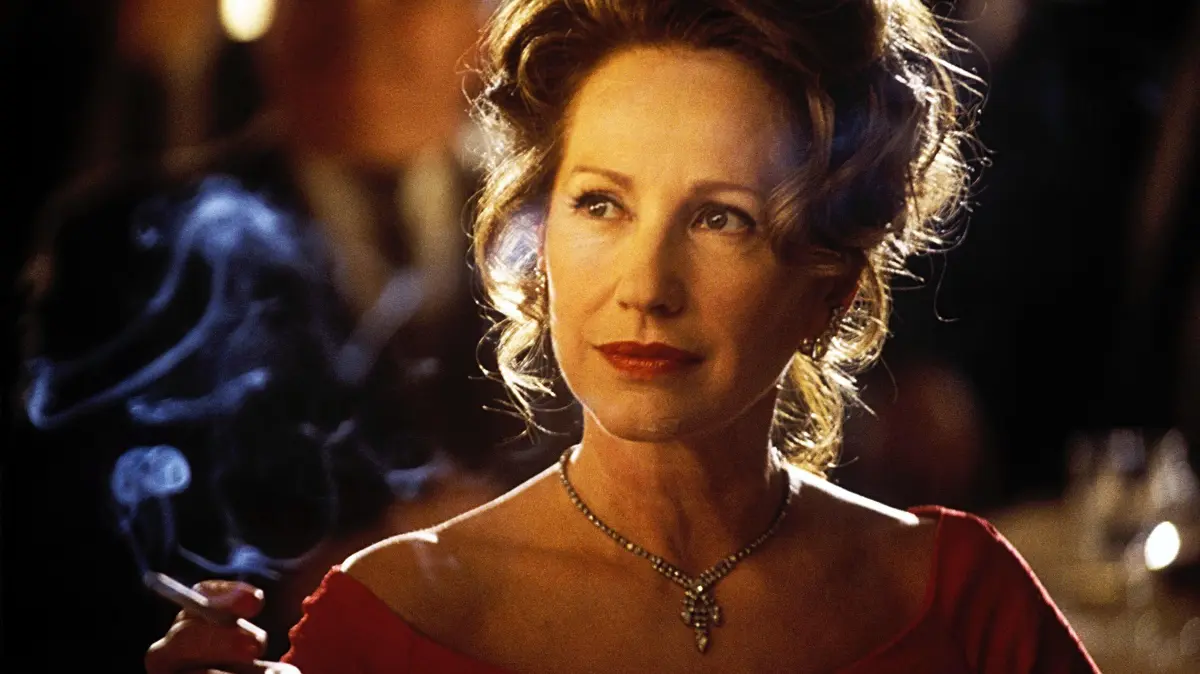
It took the rest of the world a long time to catch up with the talents of Nathalie Baye. By the time Hollywood eventually came calling — in the person of Steven Spielberg, no less — she was in her fifties with three decades behind her as one of the undisputed greats of French cinema.
An actress who — in the words of President Macron — the whole of France “loved” and “with whom we dreamt of and grew up”, she had starred in films by François Truffaut and Jean-Luc Godard and won every decoration the French film industry had to offer.
Outside the French-speaking world, aficionados of European arthouse cinema knew and revered her work but it was not until Spielberg cast her as the mother of Leonardo DiCaprio’s character opposite Christopher Walken and Tom Hanks in 2002’s Oscar-nominated Catch Me If You Can that a wider international audience really discovered her gifts as an actress of enviable charm, subtlety and sophistication.
That she was courted by Hollywood in her maturity was an irony for a decade earlier she had suggested that at her age it was never likely to happen. “I think in France there’s a greater fidelity to actors of all generations and directors are more audacious in offering roles to actresses who are older than 40,” she noted.
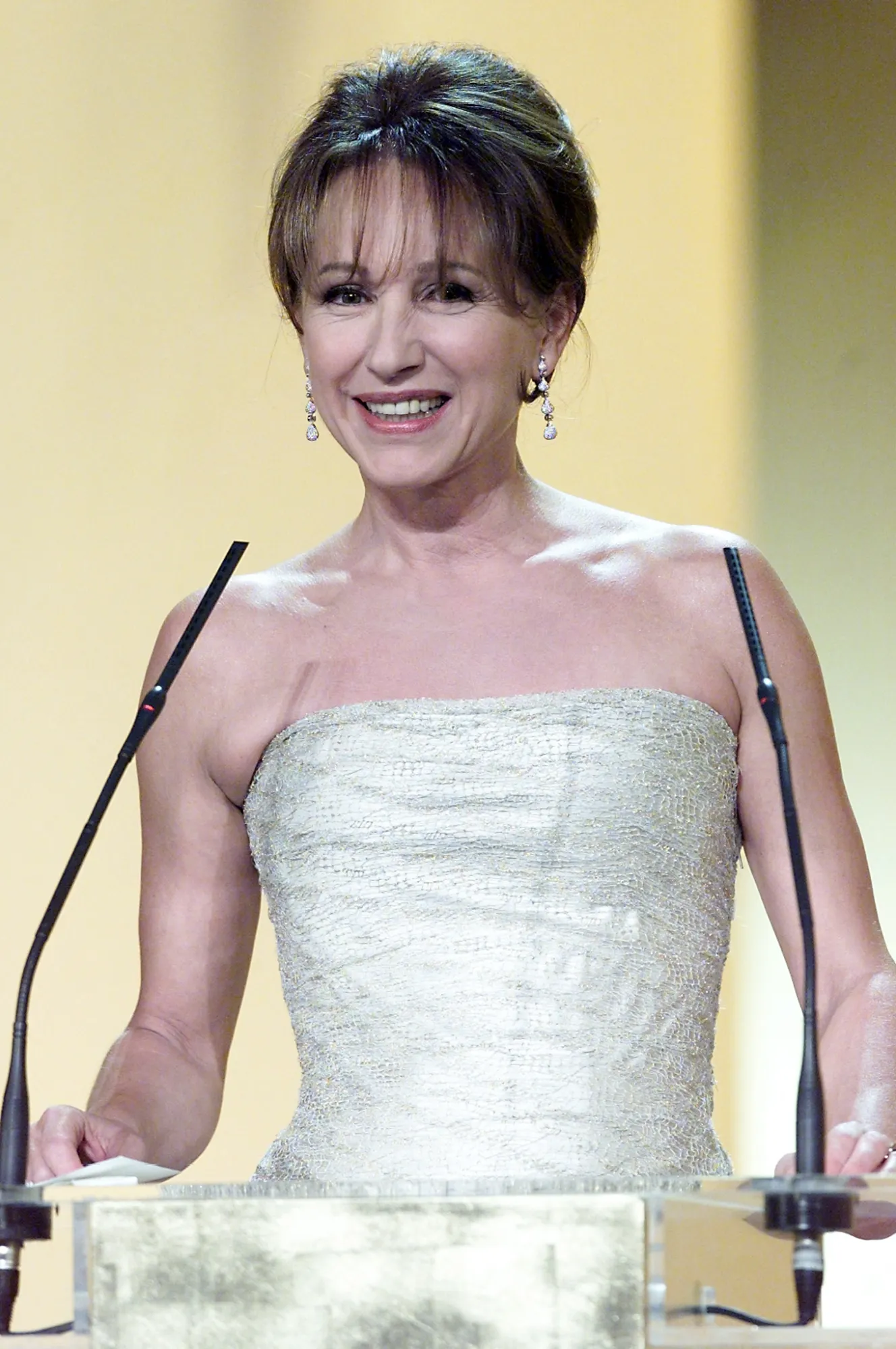 Baye addressing the César Awards in 2000; she won four of France’s top cinema awards Thomas COEX/AFP/Getty Images
The invitation came when Spielberg, in the interests of staying true to the book on which Catch Me If You Can was based, wanted a French actress to portray Paula, the French-born mother of the American conman Frank Abagnale, played by DiCaprio. Unsure where to turn, Spielberg consulted the director Brian De Palma, who was living in Paris, and who recommended Baye.
Why such international recognition has taken so long was not down to the lack of language skills that held back many great French actors from making it in America. Having spent 18 months as a teenage student at a dance school in New York while working as an au pair for a family with whom she remained in affectionate touch for the rest of her life, Baye spoke impeccable English with only the occasional hint of hesitancy.
The reason had more to do with the fact she was self-effacing, did not push herself forward and had little time for the Hollywood star system. She thought that wanting to be famous was “sad”.
“I hate that whole celebrity thing. It’s dirtying and destabilising and you lose yourself,” she said. “Fame isn’t happiness. Happiness is doing a job you love.” She enjoyed working with Spielberg — “the sheer scale of the thing, compared with France — the amount of kit, the personnel was amazing,” she noted. Yet she was in no particular hurry to repeat the experience and returned to France to make La Fleur du Mal (2002) with Claude Chabrol and Le Petit Lieutenant (2005) with the director Xavier Beauvois, for which she won her fourth César award.
Nevertheless, with the wider world belatedly aware of her talents, further international offers followed. She made two films with the Canadian director Xavier Dolan — Laurence Anyways (2012) and It’s Only the End of the World (2016) — and in a late career surge, she also appeared in 2022 as a French aristocrat in Downton Abbey: A New Era, the second full-length feature film in the franchise.
She is survived by her daughter, the actress Laura Smet, from her four-year marriage in the mid-1980s to the singer Johnny Hallyday, the “French Elvis”. She had a speaking part on his 1985 hit Quelque Chose de Tennessee and her rock’n’roll connections held her in good stead when she took on Joanna Lumley’s role as Patsy in 2001’s Absolument Fabuleux, the French version of Jennifer Saunders’s Absolutely Fabulous sitcom.
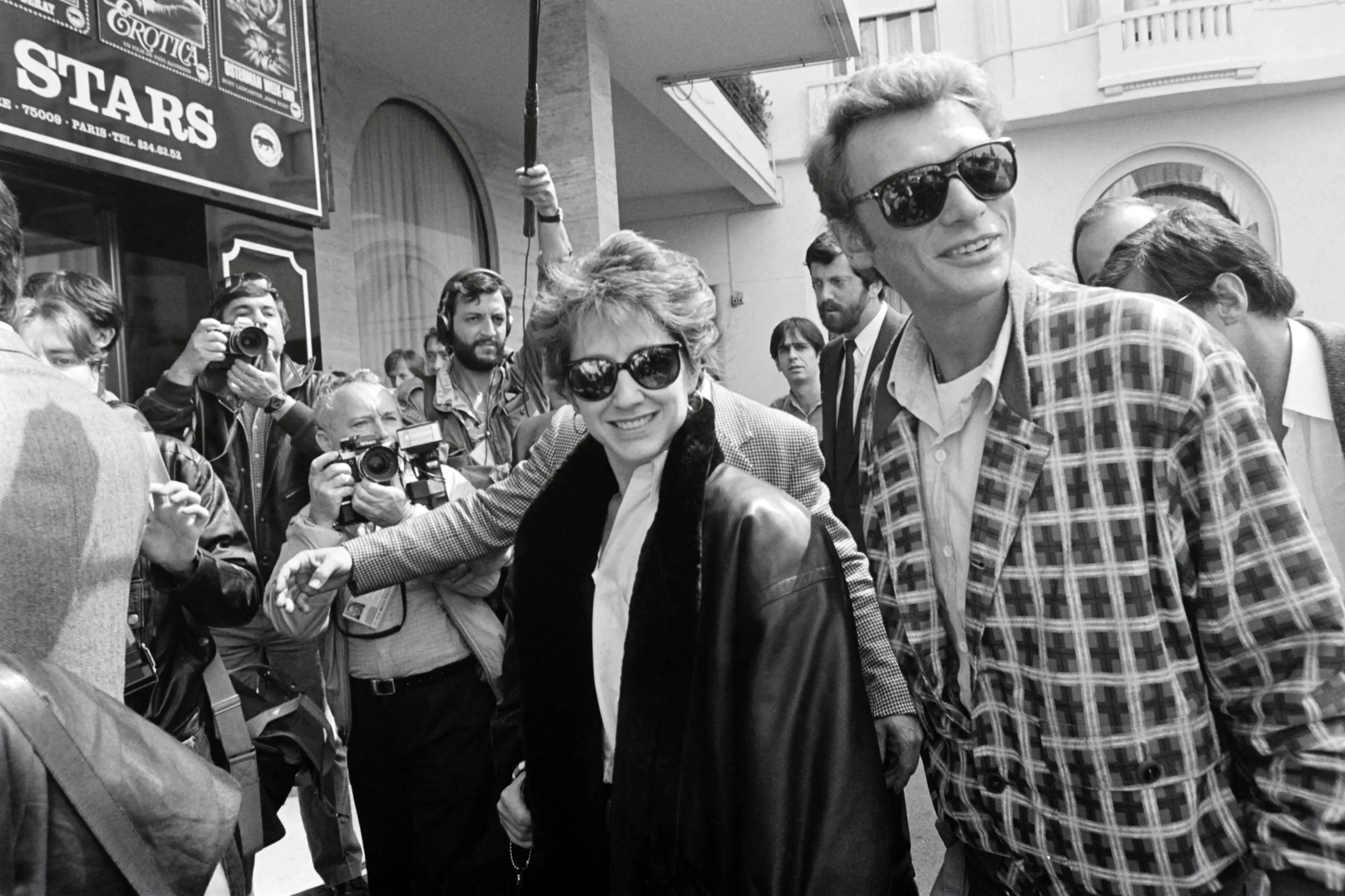 Baye and Johnny Hallyday in 1985 Raph GATTI and Dominique FAGET/AFP/Getty Images
After divorcing Hallyday in 1986, she remained on good terms with him until his death in 2017 (obituary, December 6, 2017).
Nathalie Marie Andrée Baye was born in 1948 in Mainneville, Normandy, the daughter of painters Claude Baye and Denise Coustet. A bohemian upbringing “with very few rules” in contradictory fashion instilled “an overriding need for neatness and order and punctuality”.
At school she was a poor student due to undiagnosed dyslexia and at 14 persuaded her parents to let her transfer to Marika Besobrasova’s ballet academy in Monaco, where Rudolf Nureyev was a regular visitor. “I didn’t have the little girl’s dream to be a dancer,” she admitted. “Dance allowed to me escape the normal school system because I didn’t fit the mould.” By the age of 17 she was in New York to continue her training.
Back in France, she accompanied a friend to an acting class in Paris and was invited to join. She “felt instantly at home and like I belonged”, and auditioned for the Conservatoire National Supérieur d’Art Dramatique (National Academy of Dramatic Arts) from where she graduated in 1972.
Her first screen appearance came that same year as an uncredited extra in Robert Wise’s English-language drama Two People starring Peter Fonda and Lindsay Wagner. However, it was in Truffaut’s 1973 French rom-com Day For Night that set Baye on her way.
“I was looking towards a career in theatre rather than in film. But working with Truffaut was magical and made me love cinema,” she said. “You get maybe two or three chances like that in a lifetime. You have to seize them and it sets the bar high.” Truffaut cast her again in 1977’s L’Homme qui aimait les femmes (The Man Who Loved Women) and in 1978’s La Chambre Verte (The Green Room). After winning her first César for her role alongside Isabelle Huppert in Goddard’s Sauve qui peut (la vie) (also released as Every Man For Himself), she enjoyed a golden run in the early 1980s with three Césars in as many years. The further awards came for Une étrange affaire (1982) as a provincial schoolteacher coping with a breakdown and La balance (1983), in which she played a tough but smart and dignified prostitute.
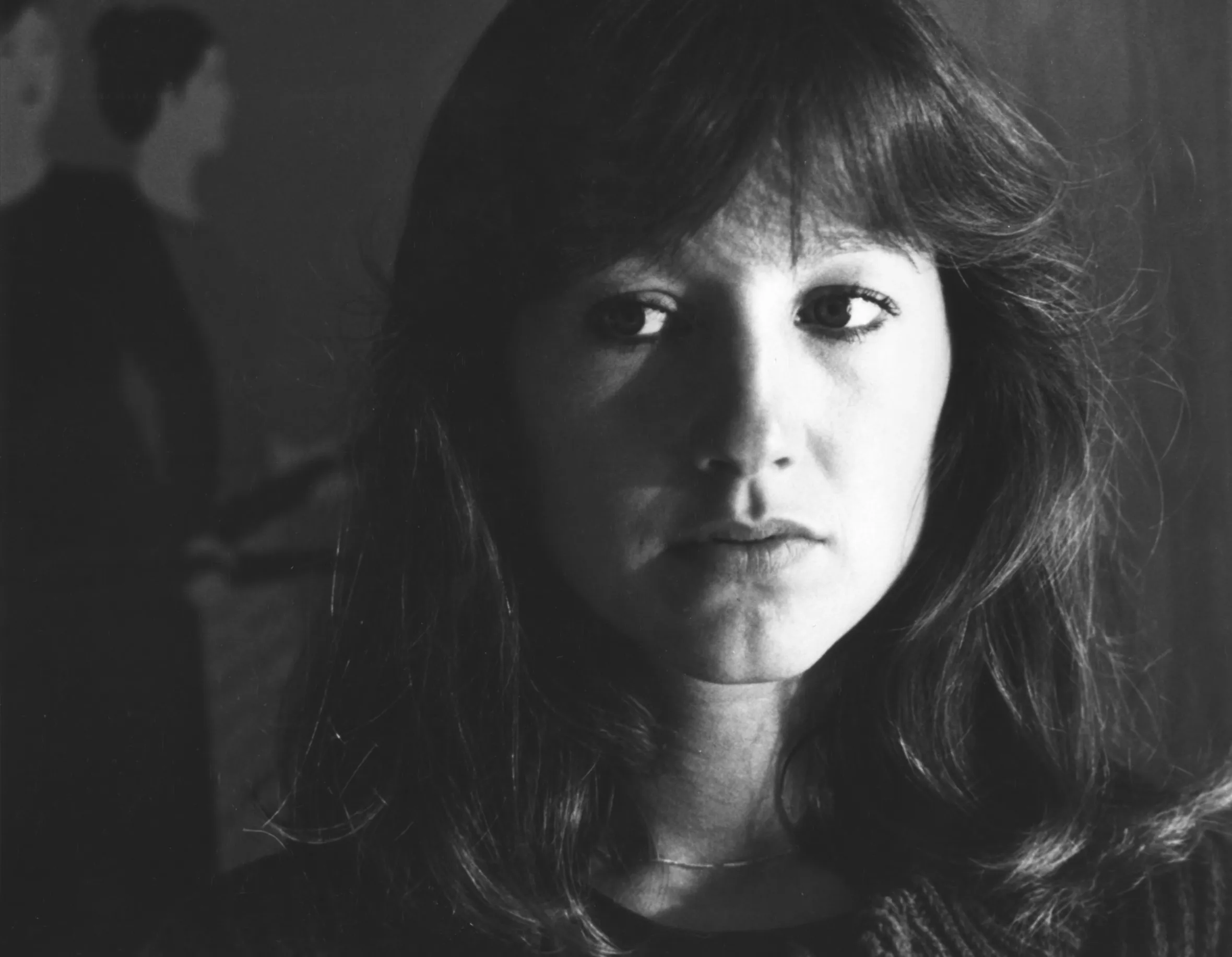 Baye in Jean-Luc Goddard’s Sauve qui peut (la vie)Sara/Mk2/Saga/Kobal/Shutterstock
In between came one of her most acclaimed performances in 1982’s Le Retour de Martin Guerre, one of half a dozen films in which she co-starred with Gérard Depardieu, and in which she was magnificent in the enigmatic and understated way she portrayed the conflicted inner life of a wife whose husband returns after years of absence but is, in fact, an imposter.
Self-contained and not given to grandstanding, she was nevertheless prepared to speak out on issues she felt passionate about, including climate change and the reform of France’s assisted dying laws and she was awarded the Légion d’honneur by President Sarkozy in 2009.
“I try to do things I would like to go and see at the cinema,” she said. “My starting point isn’t my character but the project as a whole. I’m much more interested in a small part in a good project than a big part in a bad one.”
Nathalie Baye, actress, was born on July 6, 1948. She died of Lewy body dementia on April 17, 2026, aged 77