

Listen to this article
Estimated 4 minutes
The audio version of this article is generated by AI-based technology. Mispronunciations can occur. We are working with our partners to continually review and improve the results.
Warning: This article discusses an offensive term, which appears uncensored below.
An Indigenous-led health clinic, aimed at providing culturally safe health care to the urban Indigenous population, is expected to start operating in St. John’s in the fall.
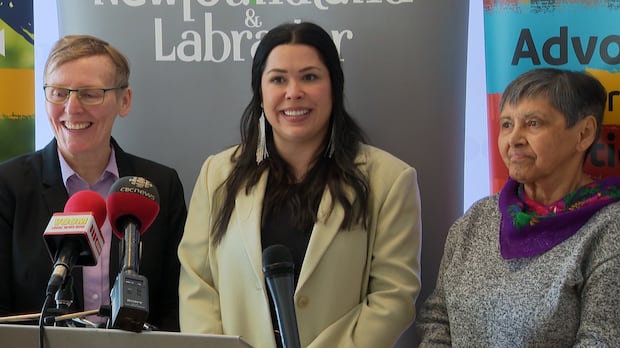
At a press conference on Monday, the province’s health minister Lela Evans said the clinic is a step forward for the province’s Indigenous population.
“We know that Indigenous people have been harmed in the past, especially with colonization, and I know, you know, a lot of people don’t really understand the harms that happened years ago are continuing to harm Indigenous people, and that’s what today is about,” she said.
“It’s really meaningful action that’s in the spirit of true reconciliation.”
The clinic is the result of a partnership between the province and First Light Friendship Centre, a non-profit dedicated to supporting Indigenous people.
According to a news release, the province is providing $185,234 during the 2026 to 2027 fiscal year to support the clinic in staffing non-medical personnel. Medical staff, including a doctor and nurses, will be funded through the province’s Medical Care Plan (MCP) and the Nurse Practitioner Funding Pilot.
First Light says the clinic could ultimately save the health system millions. In the St. John’s area, there are about 7,000 Indigenous people, and as many as 1,300 don’t have a primary care provider, according to First Light.
Inuk elder Emma Reelis told reporters about her experience with the province’s health-care system, and how she hasn’t always been met with understanding.
“I had experiences with going to the Health Sciences and St. Clare’s. ‘Oh hello, Mrs. Reelis…how are you today? Where are you from?’ I said I’m from Labrador. He said, ‘oh you’re an Eskimo.’ I said, ‘no…we’re not called Eskimos no more.’ I said, ‘we’re Inuit,’” she said.
The word Eskimo is considered an offensive and outdated descriptor.
“It’s a racist term for some people … It has been used for hate against Inuit,” Natan Obed has said previously. Obed is the president of Inuit Tapiriit Kanatami, the national organization that represents Canada’s 60,000 Inuit.
WATCH | Health clinic expected to open this fall: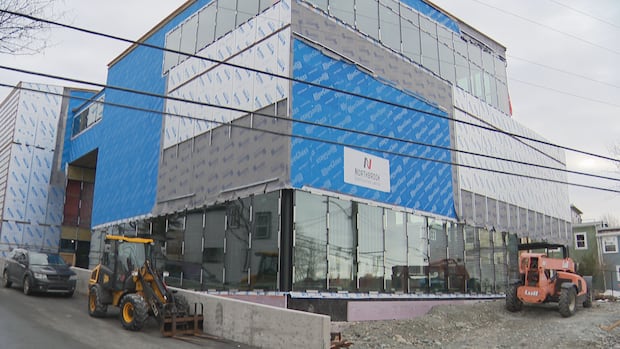
Indigenous-led health clinic coming to St. John’s
Newfoundland and Labrador’s health minister announced more than $185,000 for an Indigenous-led primary health clinic that aims to close the gap for Indigenous people who lack a family doctor or nurse practitioner. CBC’s Mark Quinn reports.
Reelis also hopes that the clinic will help residential school survivors, such as herself, and their children who are still dealing with trauma.
“There’s a lot of our people that suffer from residential schools [and] that was passed onto our children. So, they weren’t showed love and affection too, and we have a lot of suicides in with our youth and we need to keep our youth,” she said.
First Light President Stacey Howse also told reporters that institutions, including medical institutions, have not been designed with Indigenous people in mind.
“In fact, a lot of Indigenous people have experienced harm at the hands of these institutions,” she said. “I think that’s what it comes down to is seeing people as people and, you know, building that trust, understanding them, accepting them … how they are and who they are.”
Howse also said traditional medicines will also be a part of the clinic.
“Traditional healing is a big part of our culture and that will be implemented in this Indigenous-led clinic,” she said.
With emergency rooms in the province overburdened and limited access to primary care, Howse said the clinic will also help the province’s health-care system save money.
“By providing wrap-around care in one place, we will reduce unnecessary emergency room visits, decrease hospital admissions and re-admissions, support people earlier before issues escalate into crises,” she said.
Download our free CBC News app to sign up for push alerts for CBC Newfoundland and Labrador. Sign up for our daily headlines newsletter here. Click here to visit our landing page.