
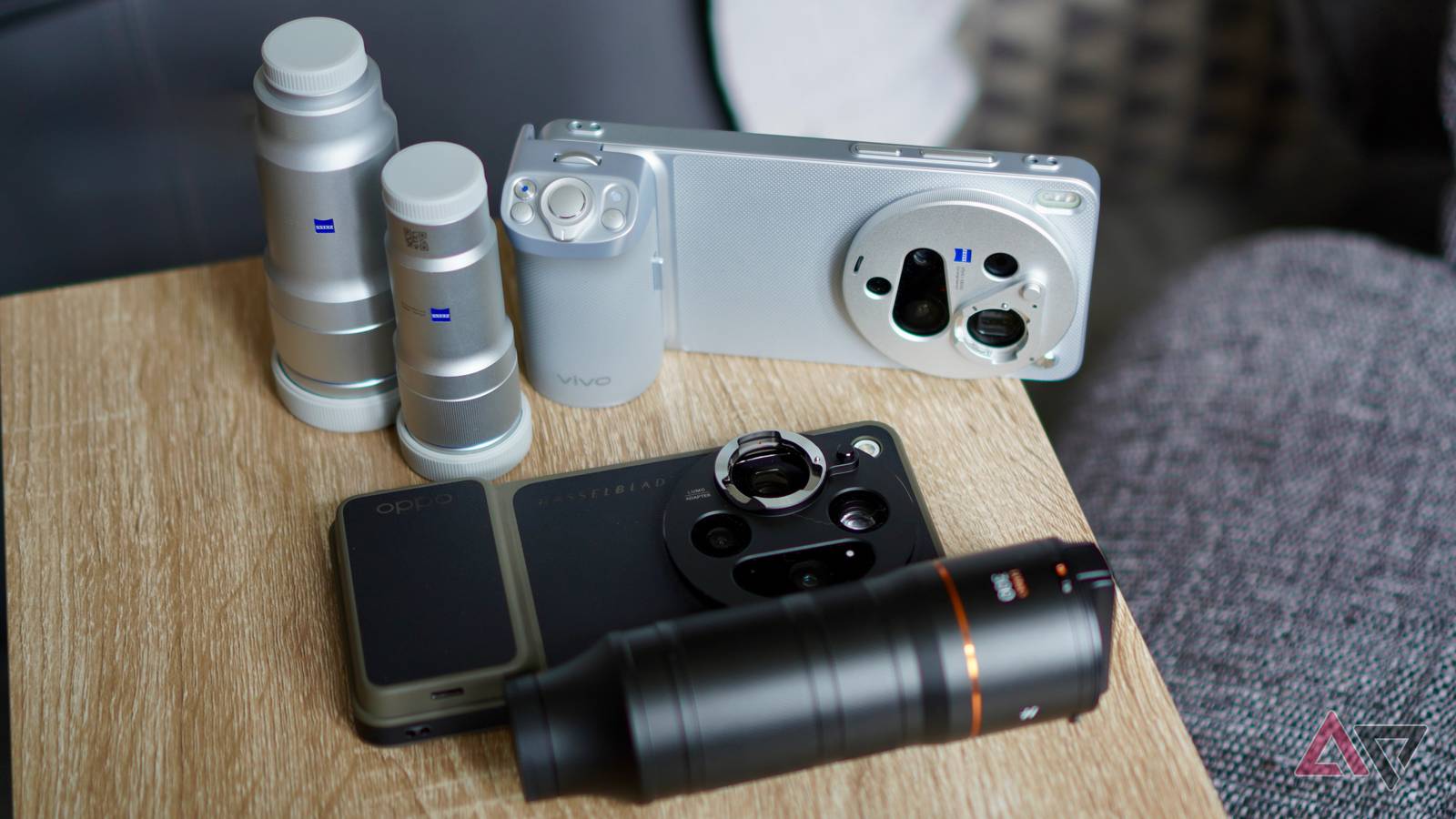
The Oppo Find X9 Ultra and the Vivo X300 Ultra offer optional “photography kits” that include a special phone case and teleconverter lens accessories, ready to turn the already impressive cameras into something truly special.
I’ve used both over the past few weeks and have been surprised at the differences between them.
Here’s what to expect, and an answer to the question of whether one is better than the other.
Related
I’ve found the secret to making phones exciting again — and it’s not what you think
It’s time for phone companies to embrace an underappreciated part of smartphones
What is a teleconverter?
Mirror, mirror
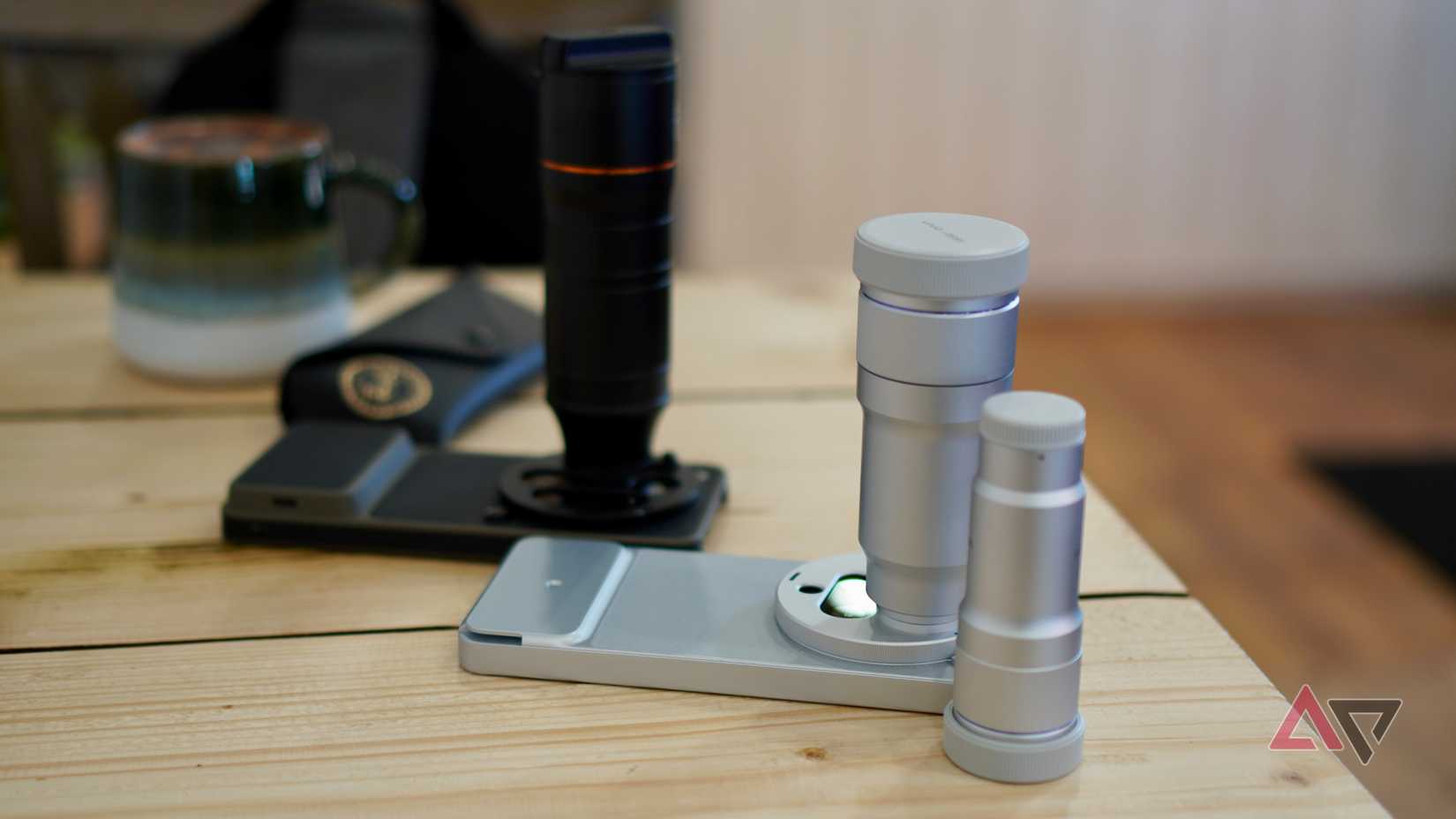
Both teleconverters extend the zoom range of their respective smartphones.
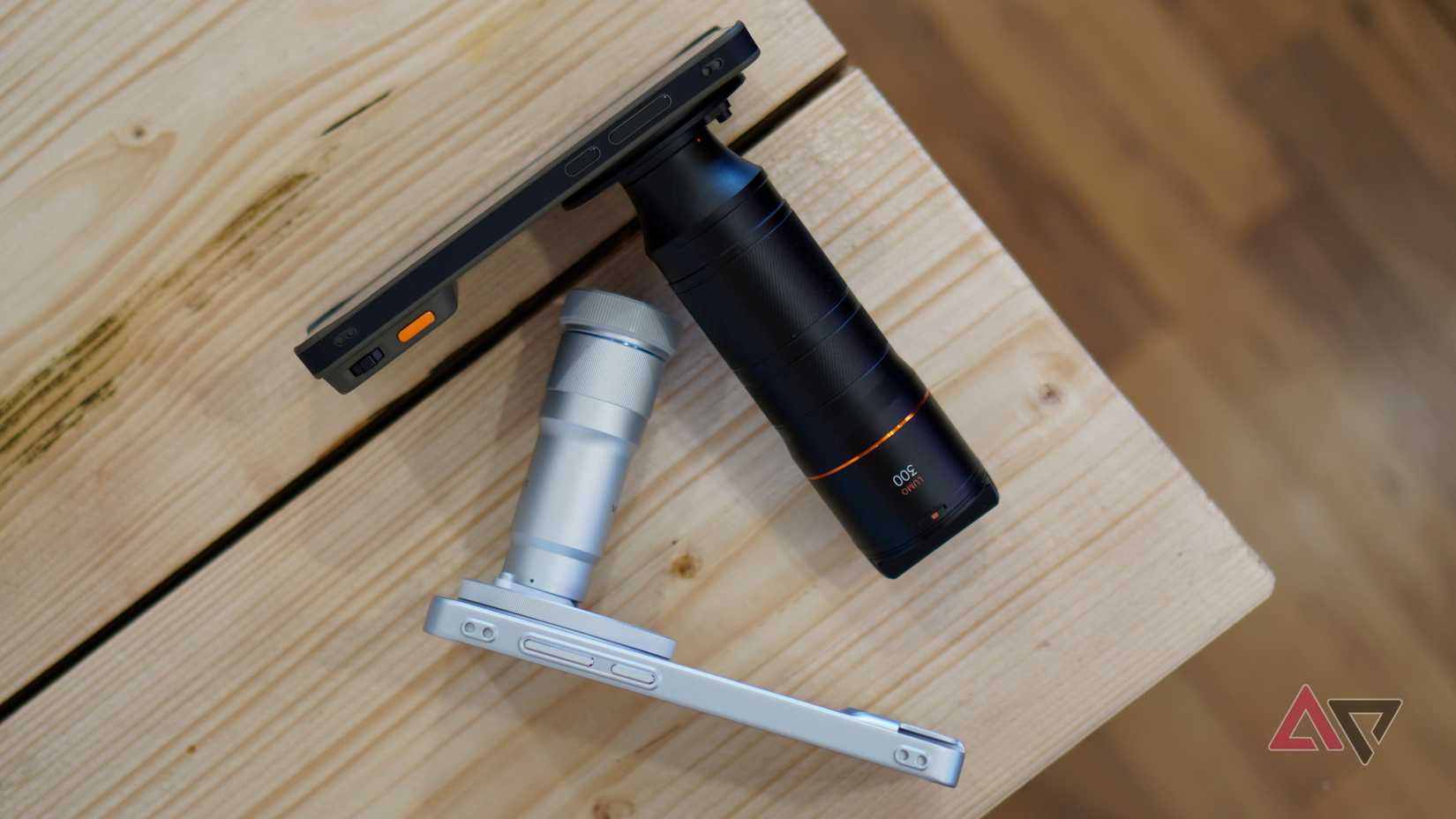
The Oppo Find X9 Ultra has a single, 300mm teleconverter, while the Vivo X300 Ultra has two. The first is a smaller 2.35x teleconverter called the G2, and the second is a 400mm teleconverter called the G2 Ultra.
The teleconverters don’t have controls or specific features of their own. Instead, they use a series of mirrors to extend the zoom range of the standard camera.
The Find X9 Ultra has a 3x and 10x optical zoom, while the Vivo X300 Ultra has a 3.7x optical zoom.
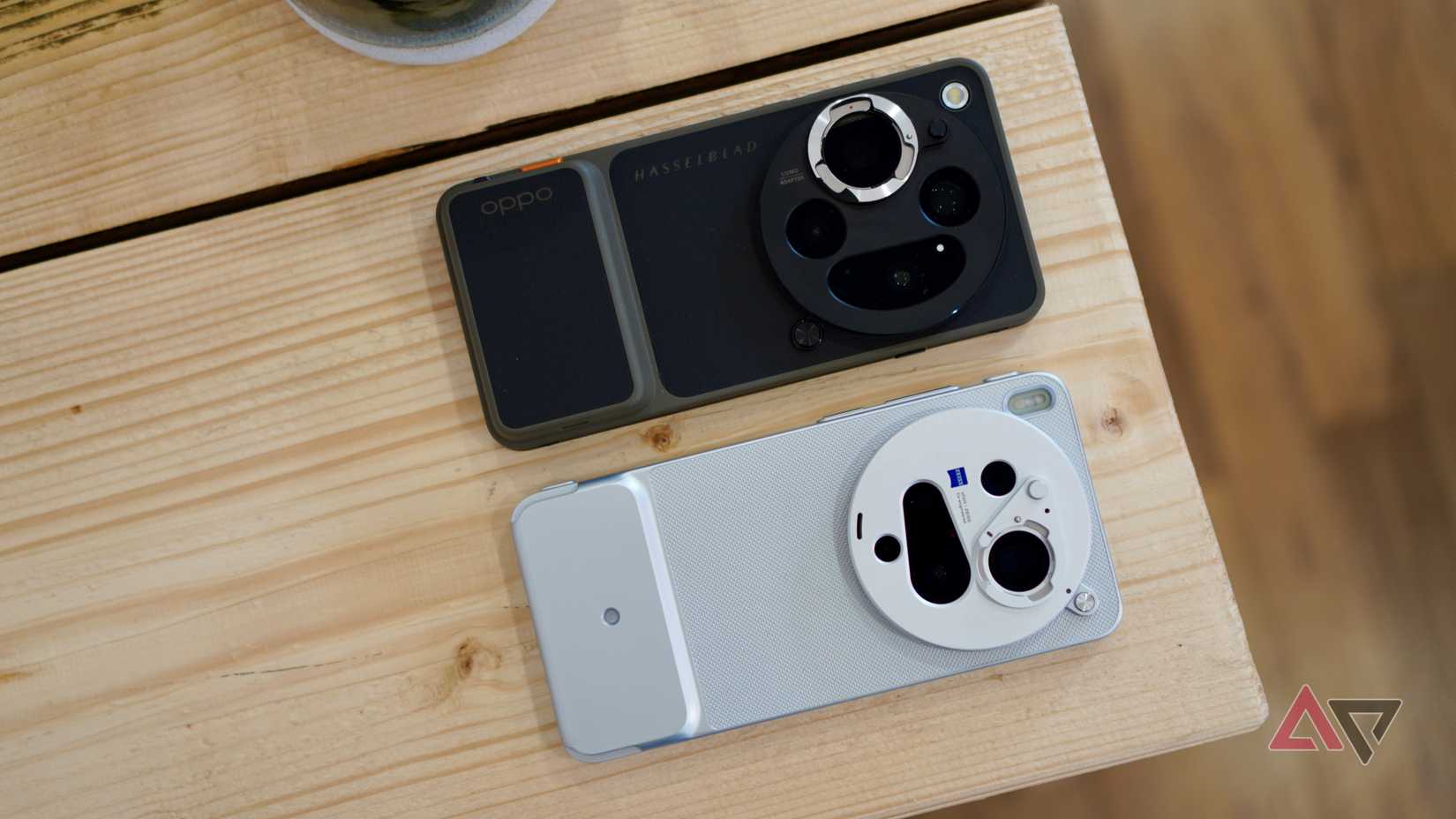
Each teleconverter attaches to a special adapter on the back of the case. Each photography kit includes another adapter that accepts 67mm filters. Additionally, a set of tripod adapters is included.
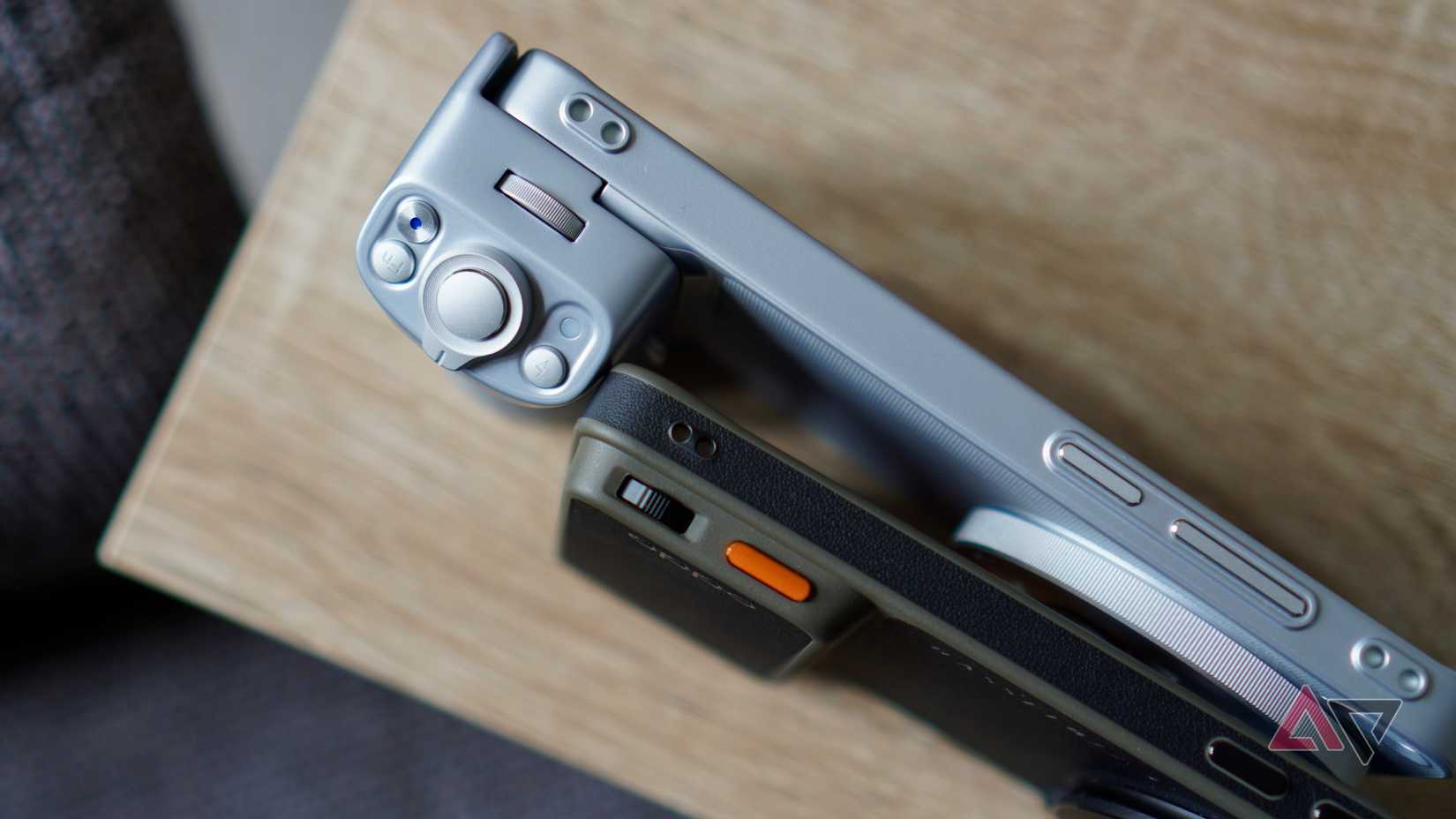
Finally, the Vivo X300 Ultra has a camera grip that uses the USB-C port and includes a two-stage shutter release, a zoom control, video controls, and a built-in battery.
A similar camera grip is built into the X9 Ultra’s case and has a two-stage shutter release, a zoom control, and a small battery.
Using the two phones
Big differences
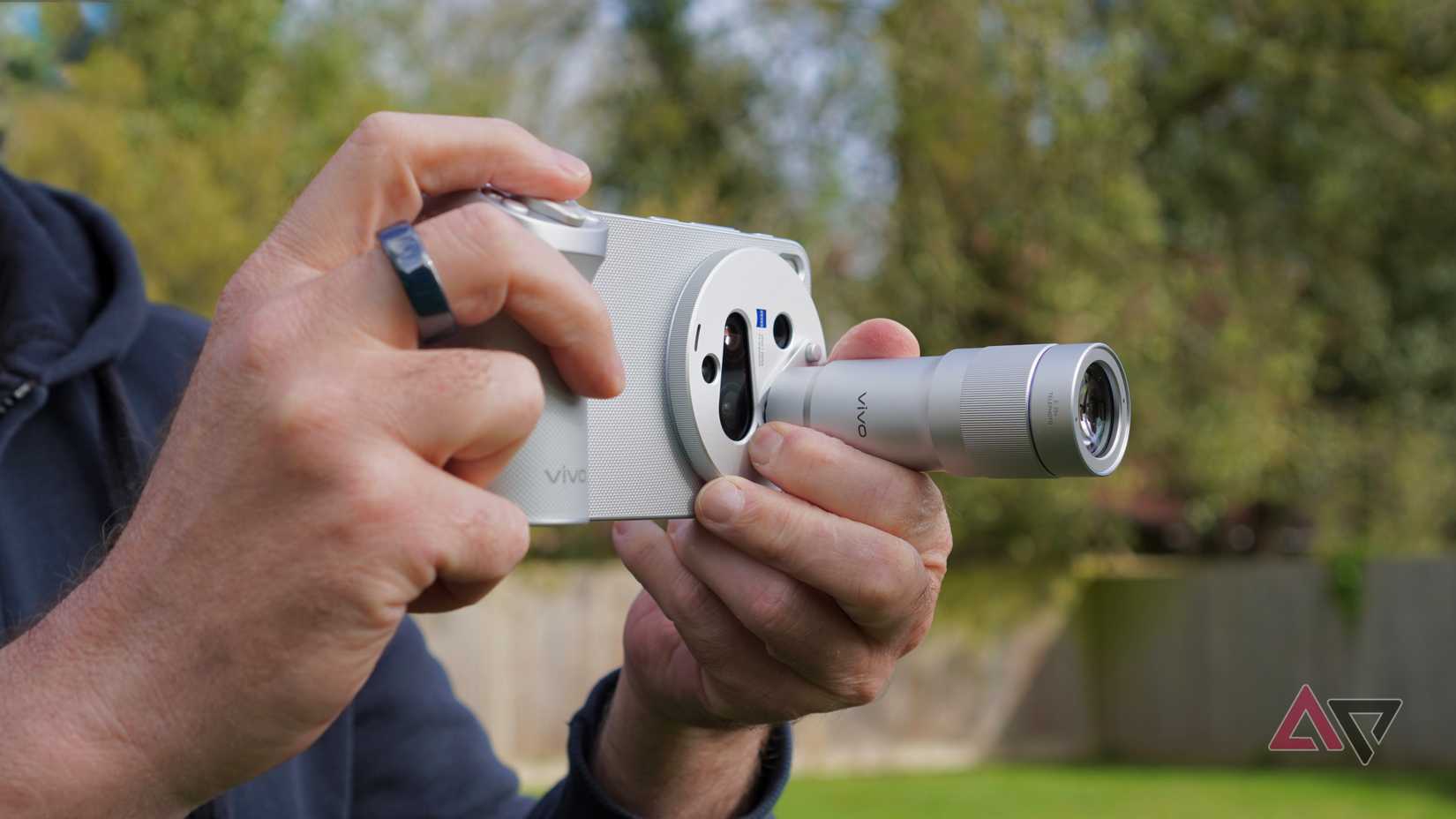
Attaching the teleconverters to the cases is the same for both phones, although alignment is easier and faster on the Oppo phone.
This is an outlier, though, as Vivo’s package is more polished and feels higher quality than Oppo’s kit.
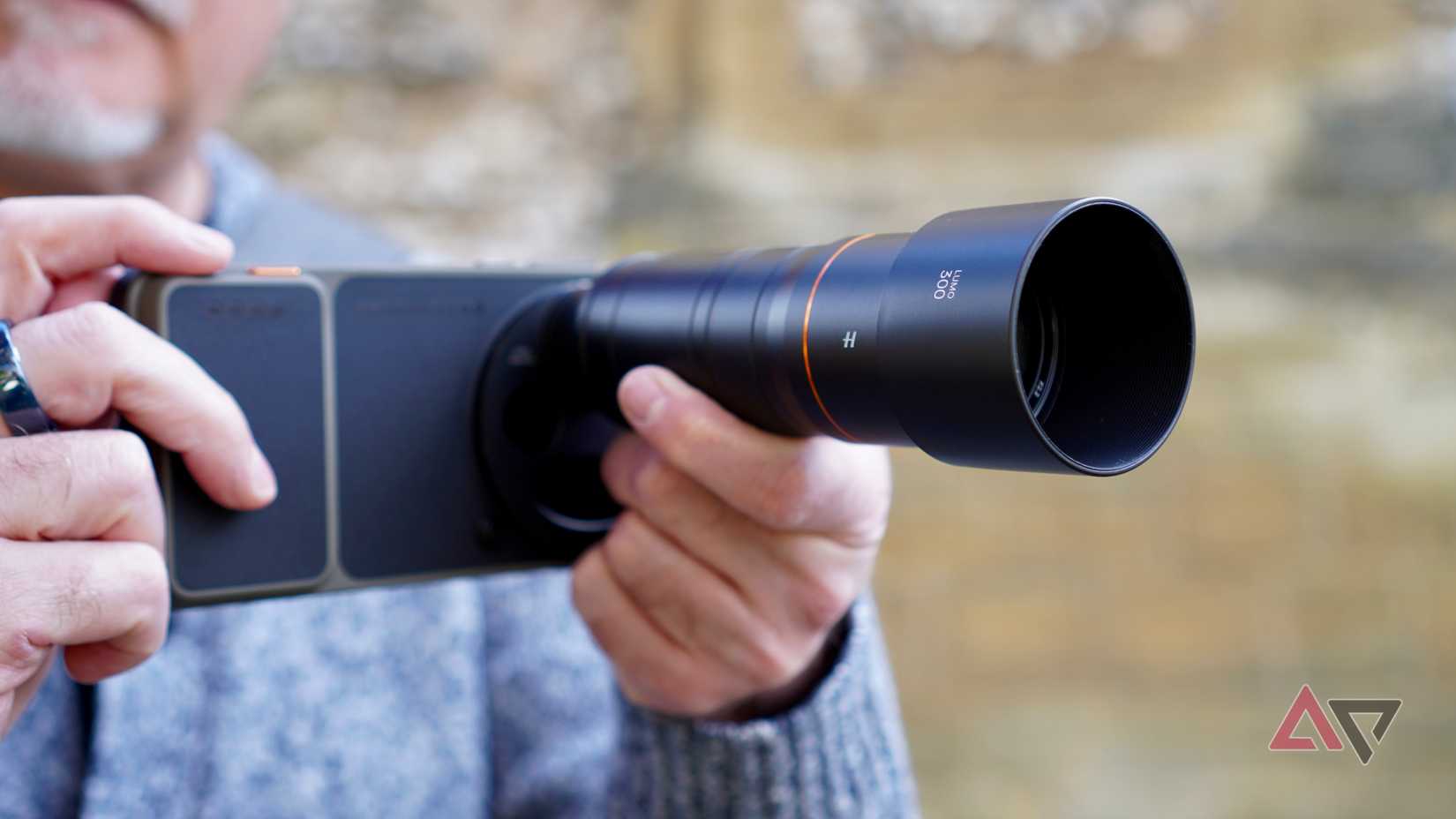
Oppo’s teleconverter is massive, even bigger than the G2 Ultra lens. It adds so much size and weight to the phone that it becomes a serious two-hander.
The smaller G2 on the Vivo X300 Ultra is more subtle, and it’s easy to handle and hold, even with one hand.
That said, people will notice you using any of the massive lens attachments on the phone.
When you open the camera app after fitting a teleconverter to the Vivo X300 Ultra, you’re greeted with the option to select which teleconverter lens you’re using. It’s slick and simple.
The Oppo requires you to manually select the teleconverter under the More menu in the camera app. However, you can add a shortcut to the main menu for future use. I’ve found it slower to use, which can be critical in some situations.
Additionally, Oppo’s case and controls require a Bluetooth connection with the phone to work, which must be manually activated.
Vivo’s USB-C link means it works immediately without any further work, and buttons and controls react much faster than Oppo’s, too.
Vivo’s buttons and controls feel far higher quality than those on Oppo’s case, with Oppo’s fiddly, wobbly zoom control being especially poor.
Taking photos
Different experiences
When I played with the Vivo X300 Ultra’s teleconverters, the G2 was by far my preferred option. It’s easier to handle, and it takes better-quality photos.
Vivo has to use AI and other software tools to improve its longer zoom images taken with the G2 Ultra, and this was less noticeable with the G2.
It’s a similar issue with the Find X9 Ultra’s 300mm teleconverter. Take photos with the 13x zoom, and they can look spectacular, but go beyond this to 30x and 60x, and the enhancement becomes clear.
When the X9 Ultra has a 10x optical zoom without the teleconverter, and it takes brilliant photos, it’s hard to see where the benefit from the teleconverter comes on paper.
Shutter release times are about the same on both cameras, and not the fastest.
When taking photos of very distant, moving objects like planes, you will think it’s centered in the frame and press the button, only to find three-quarters of the plane appears in the final photo.
Stabilization is much better on the Oppo Find X9 Ultra. It’s especially noticeable compared to the G2 Ultra teleconverter on the Vivo phone, which emphasizes shake a lot more.
The Vivo X300 Ultra’s kit is undeniably more versatile due to the two teleconverters. However, in reality, it’s a pain to carry both around, and I think most people will end up preferring the G2 anyway.
What’s more, stabilization will let it down if you shoot video or take a lot of handheld photos using the maximum zoom.
On the Find X9 Ultra, it’s the 13x zoom that’ll likely be the one you use most if you want the best quality images. The trade-off is that you’ll have to carry around the massive lens just to get it.
Comparing photos
Getting closer
The gallery above shows the Vivo X300 Ultra’s photos, and the gallery below shows the Oppo Find X9 Ultra’s photos.
Now we’ve looked at the hardware, what about the photos?
The first image in each gallery was shot on both phones (at 35mm) using the main cameras. In it, you’ll see why we think the Find X9 Ultra is such a fantastic camera phone, as it easily eclipses Vivo’s high contrast, saturated, and enhanced image.
Get closer, and there are other notable differences.
The first photo of the sign in front of the church shows the Find X9’s lovely overall balance, with warm tones, sharp detail, and good white balance.
The Vivo’s photo is striking, but there’s obvious haloing around the white sign.
The next shot turns the tables, as the super close-up of the sign was taken with the G2 Ultra lens attached to the Vivo X300 Ultra, and it’s sharper and more detailed than the X9 Ultra’s photo.
The X9 Ultra’s photo (taken at 30x) is a more obvious digitally-enhanced zoom image.
The final image in this series shows where both struggle to create an image without enhancement at this zoom level (60x in Oppo’s case), but the Vivo comes out on top with a better shot than the Oppo Find X9 Ultra.
It shows where the G2 Ultra lens succeeds in providing greater versatility, at the expense of convenience.
A deeper comparison
Vivo pulls ahead
In the image comparison boxes, the Vivo X300 Ultra’s photo is on the left, and the Oppo Find X9 Ultra’s photos are on the right.
While taking different photos with both, I found the Vivo X300 Ultra often beat the Oppo Find X9 Ultra when taking photos in difficult conditions and when the subject was moving.
The photos of the ducklings highlight this, as Vivo’s photo is so sharp and detailed, right down to the droplets of water on the feathers.
The Find X9 Ultra never quite captured the same photo and exposure due to the water reflections seeming off.
The second photo comparison was taken without a teleconverter attached, at 10x zoom. It’s a digital zoom photo from the Vivo X300 Ultra, and an optical zoom on the Find X9 Ultra.
You can spot the haloing and edge enhancement in the Vivo’s photo, which is missing from the Find X9 Ultra’s photo. It has a lot more detail and a very natural depth of field, leading us back to the question of whether many will really need a 13x zoom from the teleconverter.
However, there’s still work to be done on Oppo’s focusing. I took several photos of the goose, and all had slight variations in focus, but none focused on its eye. The Vivo X300 Ultra’s focusing was far more accurate.
Which one to buy?
Both are good choices
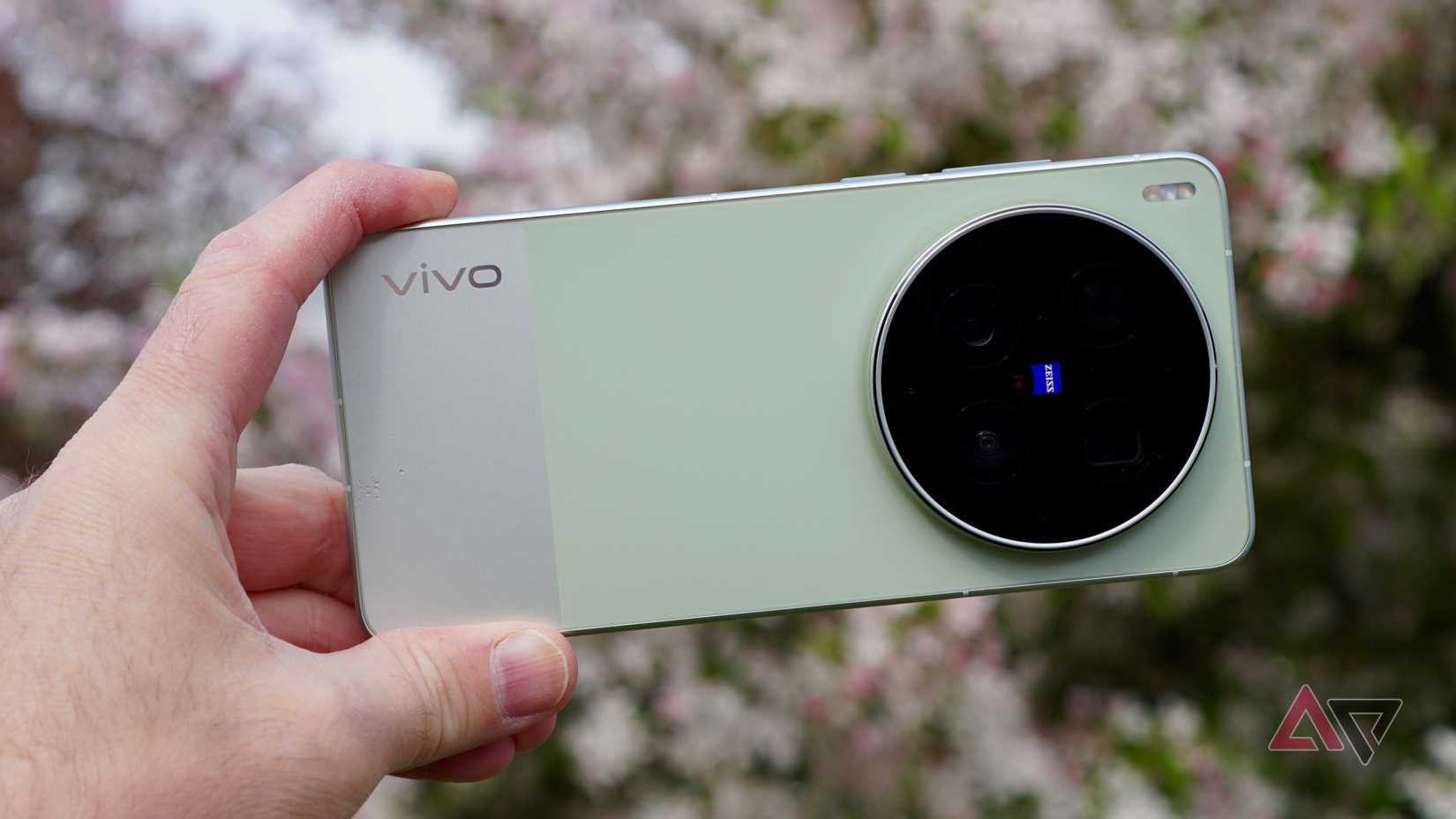
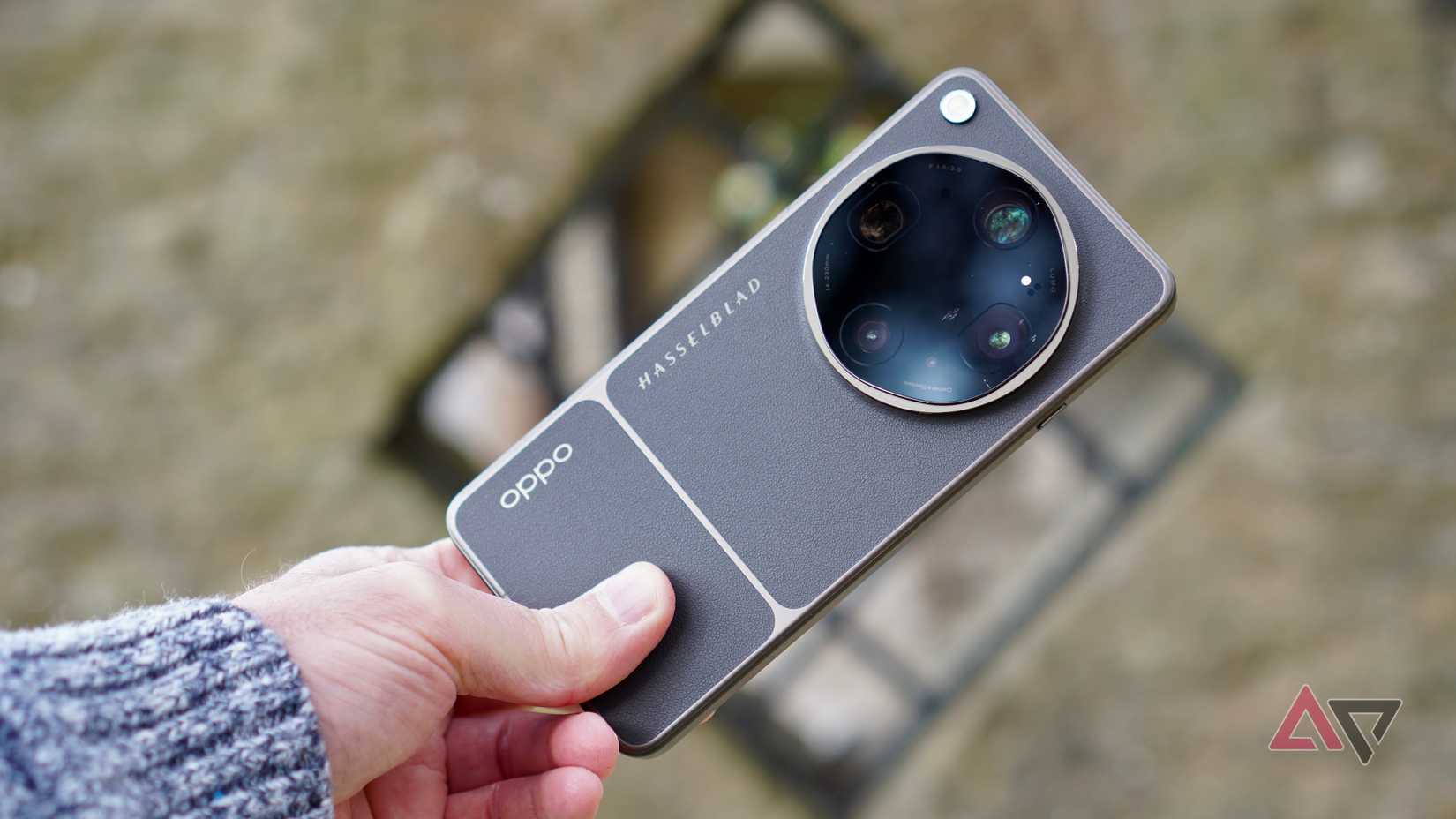
If you’re in a position to buy either the Vivo X300 Ultra or Oppo Find X9 Ultra along with its respective photography kit accessories, the Oppo phone has a more technically adept and capable main camera. It takes fantastic photos and is more versatile than the Vivo X300 Ultra.
However, Vivo’s two teleconverters bring versatility back, and between them, you can take some great photos almost regardless of the situation.
Oppo’s teleconverter is less capable, and its size makes it a pain to carry around compared to the X300 Ultra’s G2 lens.
The thing is, I’ve enjoyed taking photos with both phones and both sets of lenses far more than I have when using the Samsung Galaxy S26 Ultra and the Google Pixel 10 Pro XL, despite both being good camera phones.
Vivo and Oppo have taken mobile photography to a new level with the teleconverters, and while there are differences between them, I think you’ll have a lot of creative fun with either, should you decide to splash out.