
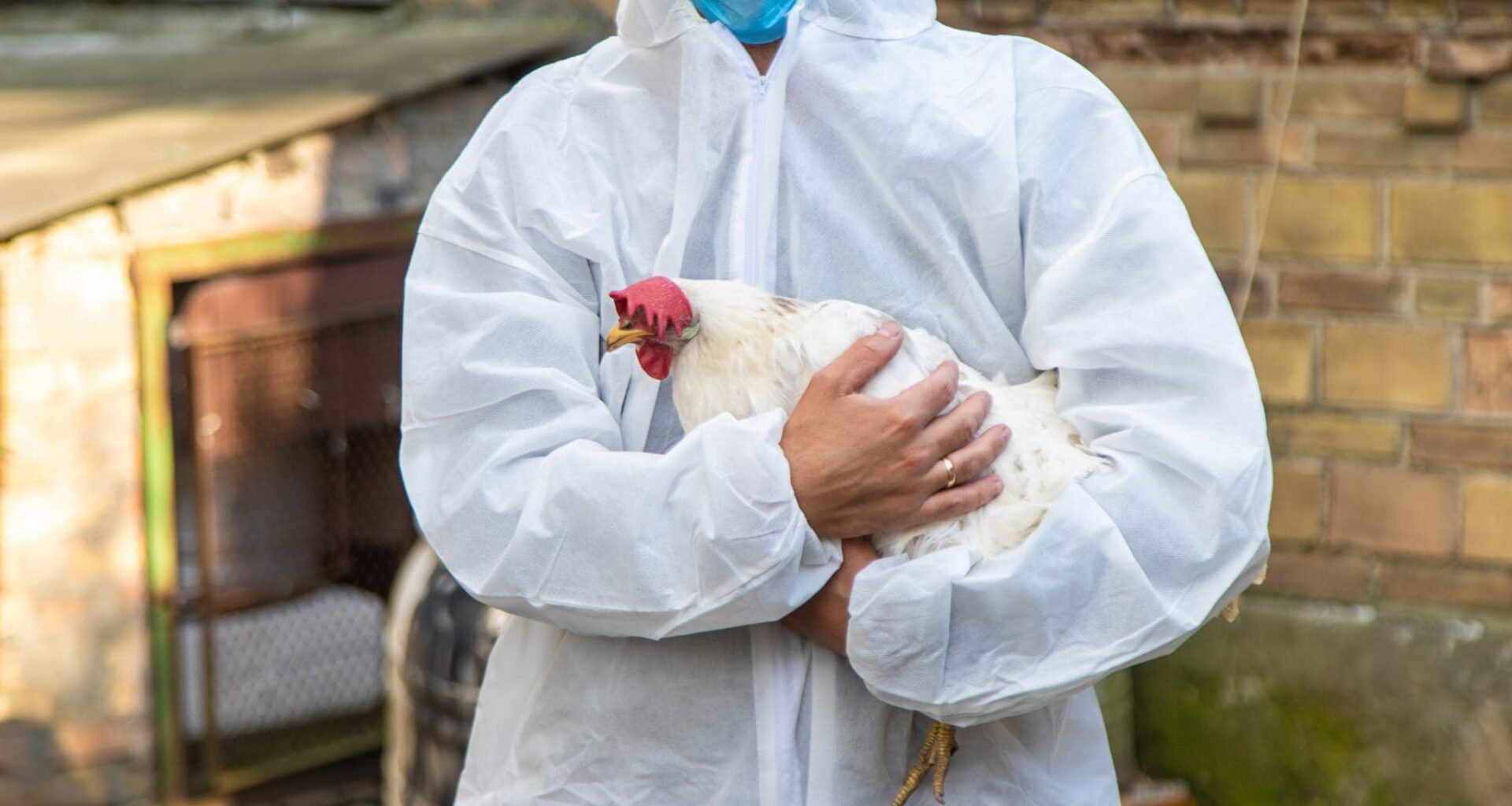
 Image: ©Yana Tatevosian iStock
Researchers at the University of Nebraska–Lincoln have developed a new H5N1 bird flu vaccine that shows strong protection in mice and cattle, raising hopes for improved control of the virus in animals and agriculture
Strong early animal studies in both mice and cattle, led by virologist Eric Weaver, indicate the vaccine could not only reduce severe illness but also limit the spread of infection between animals.
This offers a potential breakthrough for controlling a virus that has already caused major disruption to global agriculture.
Experimental H5N1 vaccine shows strong protection in cattle and mice
H5N1 bird flu has disrupted agricultural systems globally, resulting in the loss of over 166 million commercial poultry birds in the United States since 2022. In 2024, the virus spread to dairy cattle and caused illness in about 70 farm workers who had close contact with the infected cattle.
Researchers from the University of Nebraska–Lincoln have developed a vaccine platform to protect against multiple H5N1 strains and induce immunity in the bloodstream and respiratory tract.
The vaccine was tested in mice and dairy calves, producing strong immune responses and complete protection against severe disease in preclinical models. As there is no licensed H5N1 vaccine for cattle, these results suggest the approach could offer protection for livestock.
To test the vaccine’s efficacy, the researchers obtained calves for testing in early 2025. The calves were vaccinated with the H5N1 injection in January 2025, followed by a booster four weeks later. Likewise, vaccinated mice were fully protected against lethal infection from multiple H5N1 strains.
Researchers seek funding to advance a multi-species H5N1 vaccine
The researchers are seeking funding and partnerships to further evaluate the vaccine, including the development of a multispecies option. Protecting cattle from H5N1 could reduce producers’ economic losses and limit its spread to humans.
“I had started working on this as a potential problem in 2005, but the last publication was around 10 years ago,” virologist Eric Weaver, professor of biological sciences and director of the Nebraska Center for Virology said. “When the outbreak began, my hope was that this would cycle through dairy cattle and be gone, but that didn’t happen. It got progressively worse, and I was worried.”
“The idea was that if we put it intramuscularly, we can prevent it from spreading in the body, and then a mucosal aspect, intranasally, would prevent it from spreading from animal to animal,” Weaver added.
“We’d like to have a vaccine for the farm and the farmer, and everything shows that this would be an effective vaccine platform for humans, as well,” Weaver said.
As diseases continue to cross species barriers, Weaver said research like this will be critical to protecting Nebraska and the global community.
“Historically, these things will move into other species if there is extended contact long enough for the evolution to occur,” he said. “Influenza A viruses have never been an issue in cattle, but it is now, and it’s not going away.”