
2. Rethinking how we age
Much research on aging happens in controlled settings like clinics and labs. But aging itself unfolds day to day, in the spaces where people live.
For many older adults, a fall is often the moment when aging becomes most visible. Falls can mark a turning point, often leading to injury, loss of independence and a cascade of health challenges that can be difficult to reverse. As more Americans than ever reach this stage of life, preventing those moments — and understanding what helps people recover from them — has become an urgent focus of research.
At Belmont Village Senior Living in La Jolla, that gap is beginning to close. Inside a sixth-floor apartment known as the Living Lab, researchers from the Sam and Rose Stein Institute for Research on Aging work alongside residents, turning everyday routines into opportunities to study what helps people stay strong, resilient and connected as they age.
In the Living Lab, research becomes part of daily life. Residents take part in interviews, complete cognitive and physical assessments and help test new ideas as they’re being developed. In many cases, they also help shape what those ideas become, offering input based on their own experiences. The work spans more than physical health, including questions about cognition and how practices like mindfulness meditation may influence the aging brain.
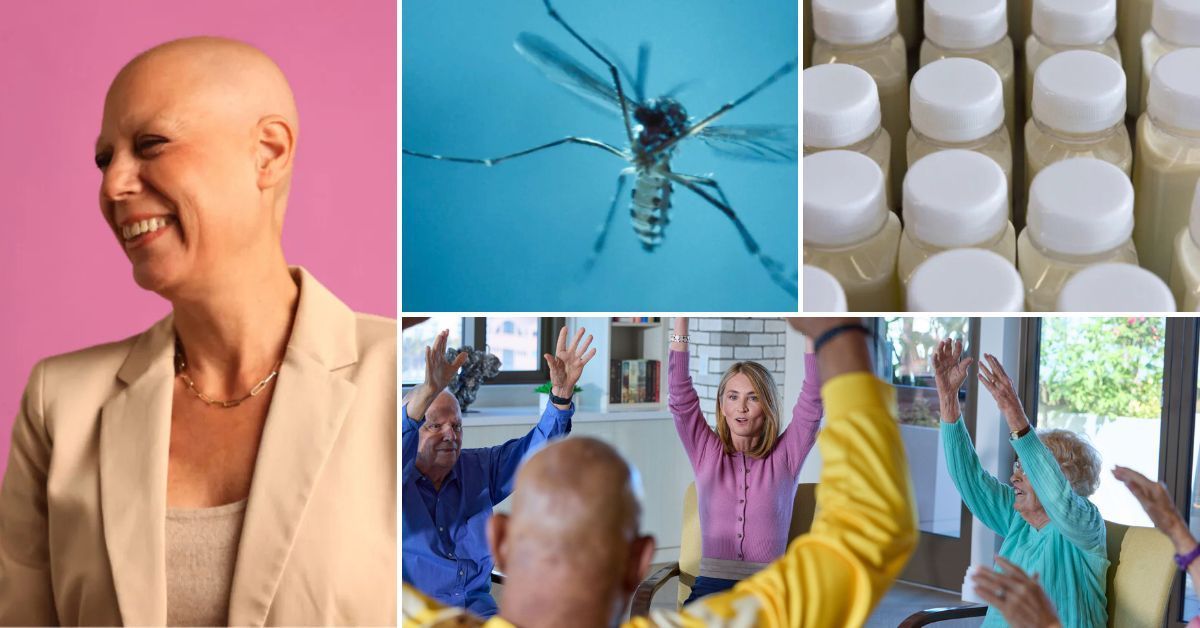
That dynamic is already influencing how interventions are designed. In one recent project, residents tested a 12-week fall prevention program focused on improving strength, posture and balance. Working closely with participants allowed researchers to refine the program in real time and begin thinking about how it could extend beyond a single community.
At the same time, researchers in the School of Medicine are examining a related question: why some older adults recover and maintain independence after a stress event like a fall-related injury, while others decline. Through a multi-institutional effort, scientists are studying the biological markers of resilience, or what allows the body to recover after stress. The goal is to understand why people with similar health profiles can follow very different paths, and how those differences might be addressed earlier.