
Most photographers hit a ceiling not because they lack technical skill, but because they keep doing the same things over and over. Breaking out of that pattern is what separates a one-trick shooter from someone who can walk into any situation and come away with something worth showing.
Coming to you from Sean Dalton, this practical video makes the case that versatility, what Dalton calls being “multifaceted,” is the single most important quality a photographer can develop. He filmed much of it on location in Hong Kong, which gives the advice real texture. The first tip he covers is one of the most straightforward: shoot everything. Not randomly, but intentionally follow whatever style genuinely interests you at a given moment. Dalton traces his own path from still life and coffee shop work to travel, landscape, and portrait photography, and explains how each obsession built transferable skills that shaped the next phase. Letting yourself pivot isn’t a lack of focus. It’s how you actually build range.
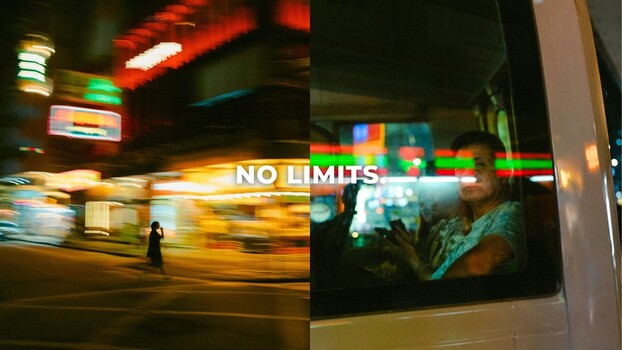
The second tip is about light, specifically your relationship with all of it, not just golden hour. Dalton argues that knowing how to work in harsh midday sun, flat overcast skies, and nighttime environments is what gives you options when conditions aren’t ideal. Several of the images he captured at night, including a standout reflection shot through a bus window, came directly from experimenting with techniques he’d just learned.
Two more tips in the video are worth paying close attention to. The first is about photography crutches: habits like always shooting wide open, always finding symmetry, or always working at eye level. These aren’t inherently bad, but leaning on them constantly means you stop making real decisions. The second is a shooting framework Dalton calls “shooting in sets,” where every scene gets at least four distinct approaches: a wide establishing shot, a midground shot, a tight detail shot, and an abstract or texture image. He walks through a specific set he captured on a rainy night in Hong Kong, showing how one unremarkable street corner became four genuinely different images, including one shot at a half-second shutter speed while tracking a pedestrian. The results speak for themselves, and the method is something you can apply immediately the next time you’re out.
What ties all of this together is curiosity. Dalton’s final point is that the photographers who stay sharp over time are the ones who keep approaching their craft like they’re still learning, because they are. It’s easy to get comfortable with what works. The problem is that comfort and growth rarely coexist.
Check out the video above for the full breakdown from Dalton, including the complete Hong Kong photo sets and his walkthrough of the shooting-in-sets method in action.