
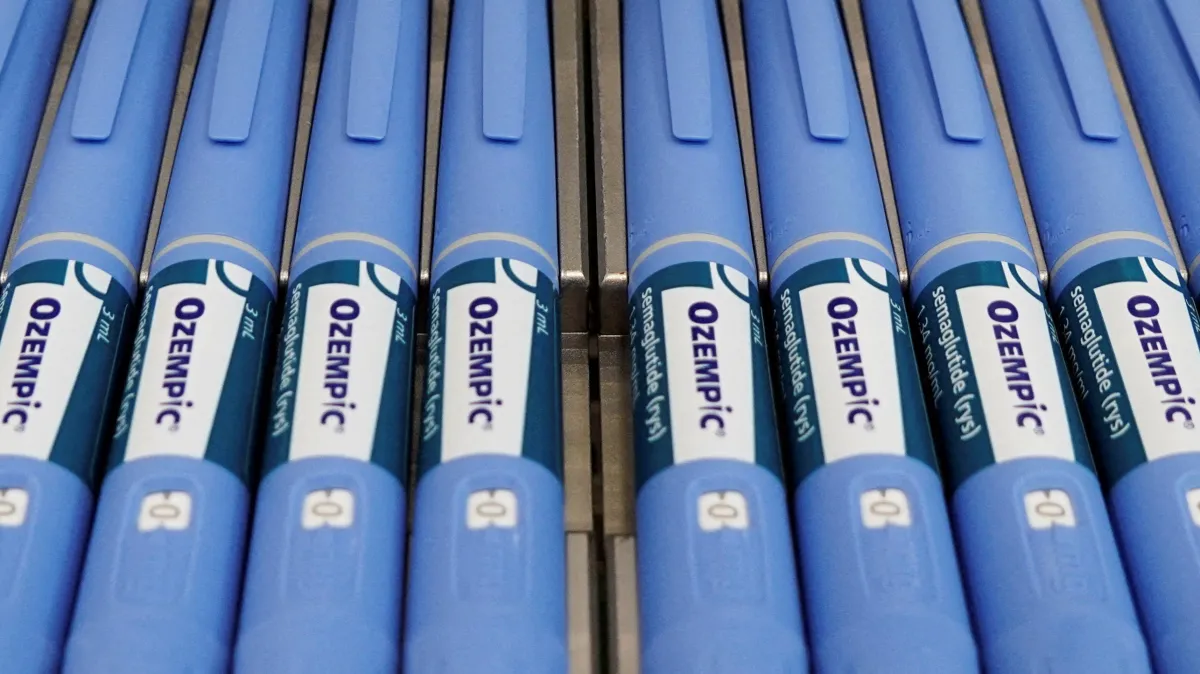
PwC’s consultants and bean counters in the US are used to trimming the fat from clients’ budgets, but they will no longer be able to get weight-loss drugs through the firm’s healthcare scheme to help them watch their own figures.
The Big Four firm blamed “rapidly rising costs” for its decision to limit its coverage so that only staff with diabetes will be eligible for GLP-1 (glucagon-like peptide-1) medicines, such as Ozempic or Mounjaro.
Employees learnt of the changes, which will come into force from July, when they went to renew their annual benefits. “We work so hard and do such long hours sitting in front of a computer, it is not conducive to an active lifestyle,” one employee told the Financial Times, which first reported the policy changes. “I don’t think the obesity diagnosis is being treated respectfully.”
In a statement, PwC US confirmed it would continue to cover the cost of its employees’ GLP-1 medication “when prescribed for conditions aligned with established standards of care, such as type 2 diabetes, but [they] will not be included under pharmacy coverage for weight management”.
The firm added: “This change reflects broader industry trends and the need to manage rapidly rising costs, while maintaining access to clinically necessary treatments. We will continue to monitor the external landscape to make thoughtful benefits decisions that will support our people broadly and help keep coverage sustainable over time.”
A spokeswoman for PwC UK confirmed that UK-based staff did not typically have access to weight-loss drugs through its private medical insurance either. Accounting industry recruiters in the UK said they could not recall access to weight-loss drugs ever being discussed by people considering a move to one of the Big Four firms.
The popularity of weight-loss drugs has soared in recent years and they can cost upwards of £300 a month for the strongest injections and heaviest doses. The cost is prompting other companies to also drop coverage of weight-loss jabs from their employee healthcare plans.
Research last year by Blue Cross Blue Shield, an American not-for-profit health insurer, showed that including GLP-1 medications in coverage increased employers’ insurance premiums by as much as 14 per cent. At the beginning of this year, Blue Cross Blue Shield stopped including weight-loss drugs for its own staff unless they had diabetes, saying that spiralling costs had become an “unsustainable burden”.