
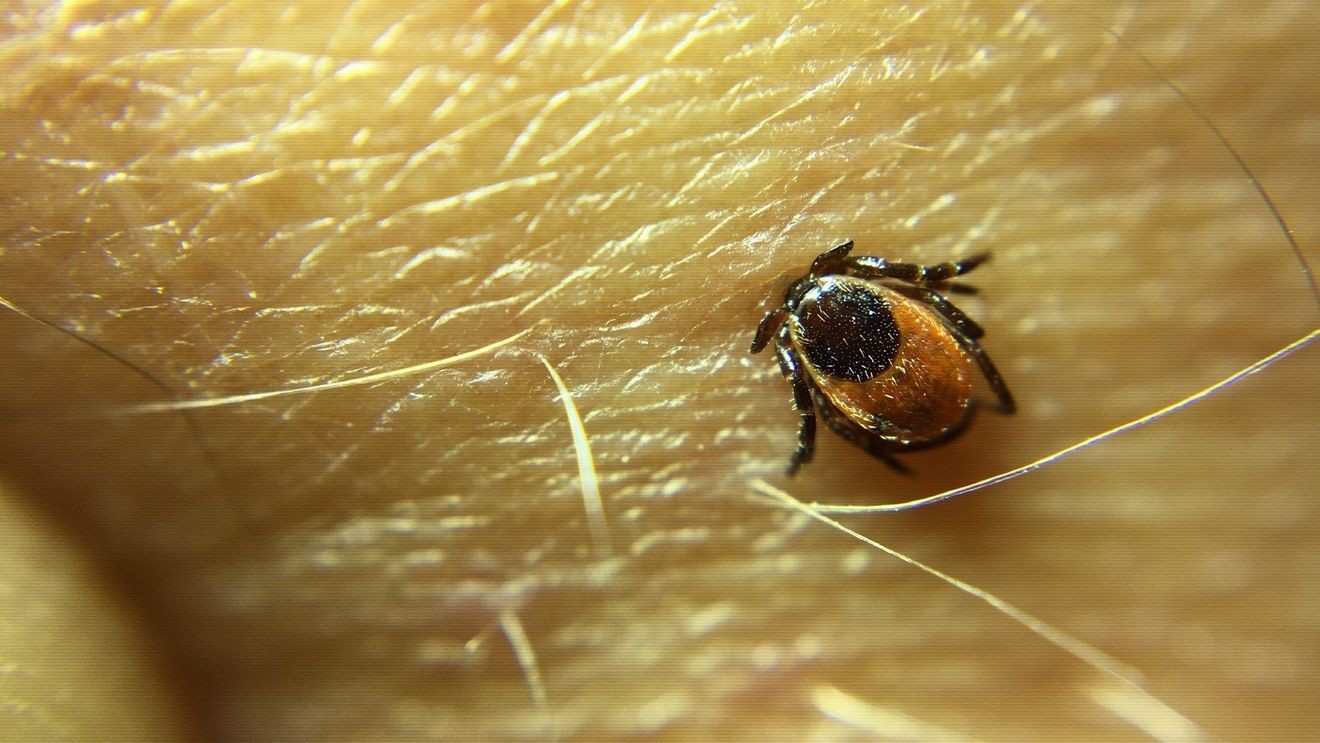
HAMILTON COUNTY, Tenn. — The Tennessee Department of Health is reminding everyone to take precautions to avoid tick bites and tick-borne diseases.
This comes as recent nationwide numbers from the Centers for Disease Control and Prevention (CDC) showed a spike in emergency room visits due to tick bites.
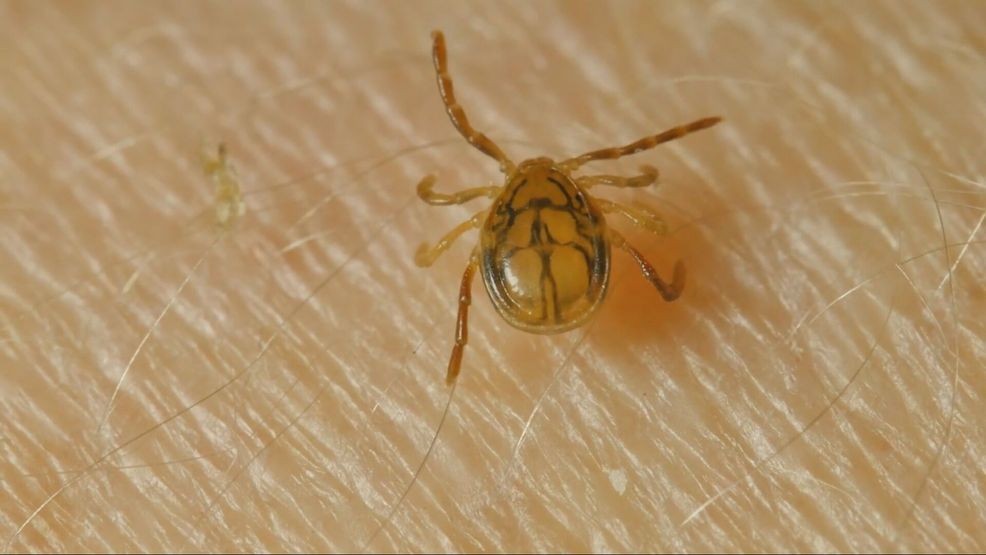
The Southeast region, including Tennessee, has trended slightly higher in tick bites than last year. Last month, 50 per 100,000 emergency room visits across the U.S. were linked to tick bites.
“This is a great time of the year for outdoor activities. It’s important to protect yourself from tick bites,” says Tennessee Health Commissioner Dr. John Dunn. “Simple precautions, like use of insect repellant and other steps, can help to reduce the risks of common tick-borne illnesses in Tennessee like Rocky Mountain spotted fever, ehrlichiosis, Lyme disease, and alpha-gal syndrome.”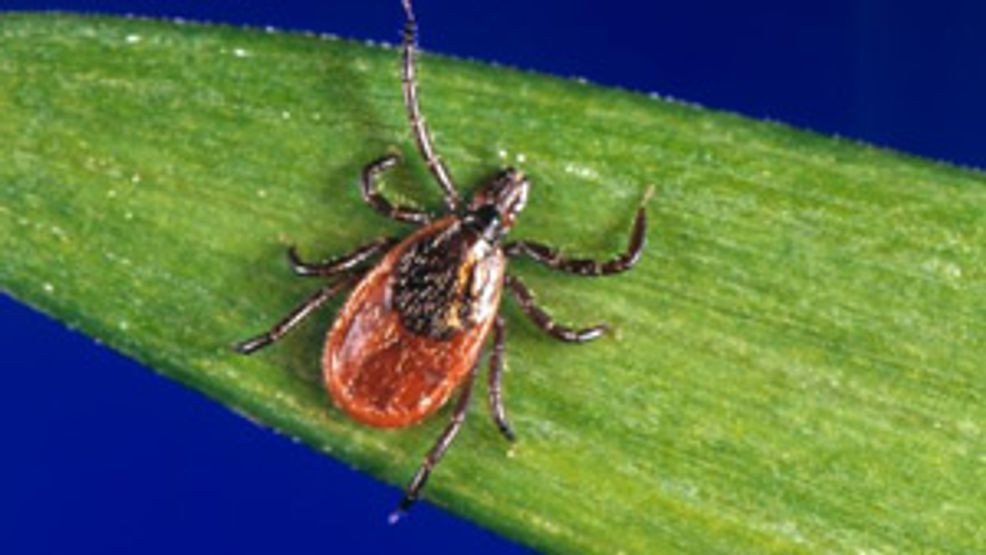
Tips to avoid tick bites:
Know where ticks live: Ticks can be found in grassy, bushy or wooded areas. In these areas, staying on trails rather than venturing off trail can reduce tick exposures.Treat clothing and gear: Treat boots, socks, clothing, and camp gear with 0.5% permethrin and allow to dry for at least two to four hours before you go out (follow label instructions). Permethrin is not a repellant but an acaricide that kills ticks on contact. Alternatively, you can buy permethrin-treated clothing and gear. Self-applied permethrin spray generally lasts for six washings or up to six weeks. Factory-treated clothing can last up to 70 washes.Use insect repellants containing DEET, Picaridin, IR3535, Oil of Lemon Eucalyptus (OLE), para-methane-diol (PMD), or 2-undecanone on your skin, following all label recommendations for use. Do not use products containing OLE or PMD on children under 3 years old. Never apply any of these products around the mouth or eyes. Consult your healthcare provider if you have questions. If using sunscreen, apply sunscreen first and insect repellant second to maintain repellency.Do a tick check after you come indoors. Check clothing and body (including hair and scalp) for attached ticks and shower within two hours to help remove unattached ticks.
Pathogens transmitted by ticks can cause mild, flu-like symptoms which can progress to serious illness with major consequences if left untreated.
According to the CDC, Lyme disease is the most common tickborne disease in the United States, with an estimated 476,000 patients treated for Lyme each year.
Comment with Bubbles
BE THE FIRST TO COMMENT
For more information on tick-bite protection, go here.