


Listen to this article
Estimated 3 minutes
The audio version of this article is generated by AI-based technology. Mispronunciations can occur. We are working with our partners to continually review and improve the results.
Prince Edward Island’s health minister says he wants to see nurse practitioners be able to work under a fee-for-service agreement, and there’s a goal set to make that happen by this time next year.
The Opposition, meanwhile, isn’t buying it.
Doctors can currently work a fee-for-service model if they choose, meaning they earn money for every patient they see. Nurse practitioners, or NPs, can’t — even though they’re regarded as excellent primary care providers who work in lockstep with physicians.
Questions about NPs came up in the legislature Tuesday, as Liberal MLA Gord McNeilly pressed government to allow them to do more within the health-care system.
“Many still face barriers, whether it’s access to usable billing numbers or the ability to fully operate within the system,” he said.
“They are a dedicated and determined group of caregivers who, if given the opportunity, are willing to expand access by seeing patients in the evenings, weekends and … walk-in clinics.”
Health Minister Cory Deagle said giving NPs the ability to bill fee-for-service is the goal.
“We do want to allow that. Obviously, that would have to take place at the bargaining table in negotiations,” he said during question period.
“Our hope is that nurse practitioners on P.E.I. will be able to bill fee-for-service in the spring of ’27, so about one year from now.”
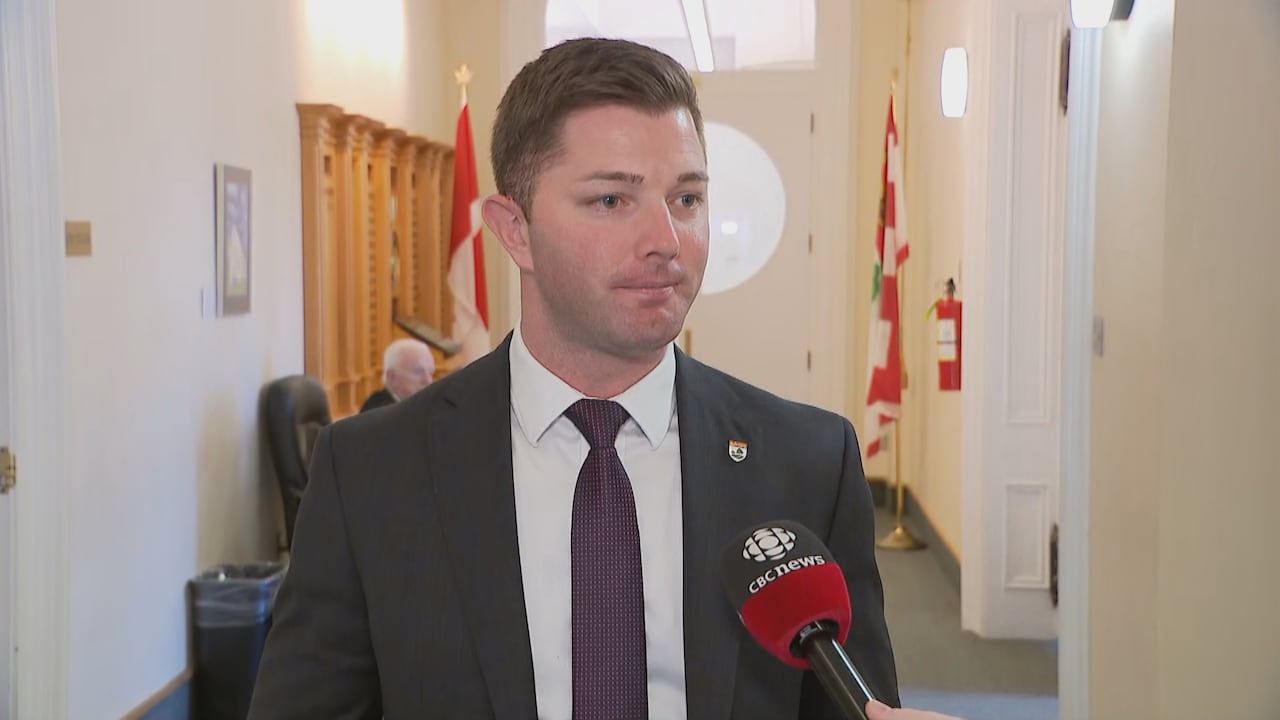 ‘We just want to take our time and roll it out properly and not rush into it,’ P.E.I. Health Minister Cory Deagle says of allowing nurse practitioners to work under a fee-for-service model, similar to some doctors in the province. (Rick Gibbs/CBC)
Deagle told CBC News outside the legislature that it probably would cost government more money to have nurse practitioners use the fee-for-service model, but ultimately it would mean more primary care providers for Islanders.
“I think that would be a good cost that government could take on,” he said, adding the model would give NPs more options to practice how they want.
“We’ll have to work with the union, work with nurse practitioners, obviously, to make sure that all the concerns are laid on the table [so] that when we do implement this it goes smoothly.”
The P.E.I. Nurses’ Union said it hasn’t been consulted on anything yet. The union is working on a new agreement with Health P.E.I., and has been in negotiations for nearly a year.
‘It’s starting to stack up for this government’
McNeilly said it’s optimistic to aim for next spring to allow nurse practitioners to take on a fee-for-service model — but he has zero hope that the government will make it happen.
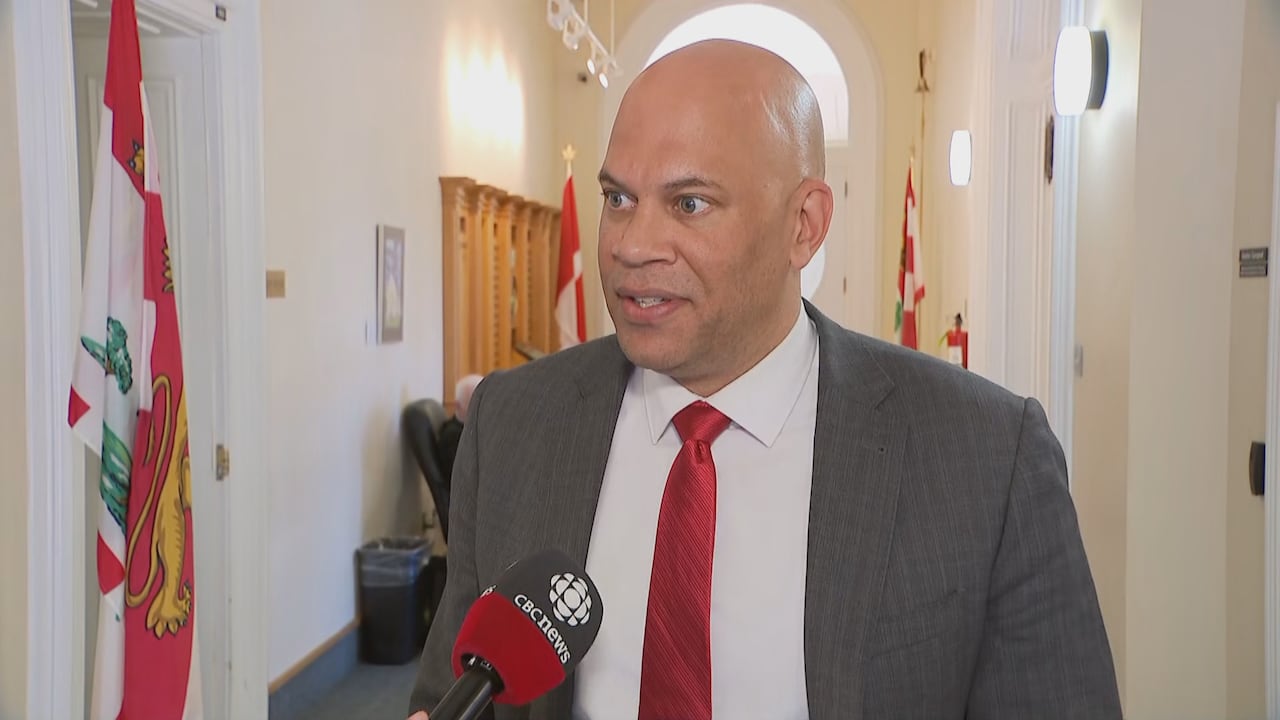 Liberal MLA Gord McNeilly says the province is heading down the same road with nurses and nurse practitioners as it has with doctors and the contentious implementation of the Physician Services Agreement. (Rick Gibbs/CBC)
He pointed to the long-awaited Physician Services Agreement — the province’s contract with physicians, which is not yet formalized and has driven a rift between Health P.E.I. and doctors — as an example of why he’s lost faith in government’s ability to deliver on its goals and promises.
That agreement and its implementation caused a firestorm this past winter, culminating in then-Health P.E.I. CEO Melanie Fraser “departing” the role on the same day that 93 doctors sent a letter to the premier and health minister saying they’d lost confidence in Fraser’s leadership.
“You haven’t done this with family physicians, and now you’re heading into the same boat with nurses and nurse practitioners,” McNeilly said.
“It’s starting to stack up for this government and they’ve got to start making some decisions.”