
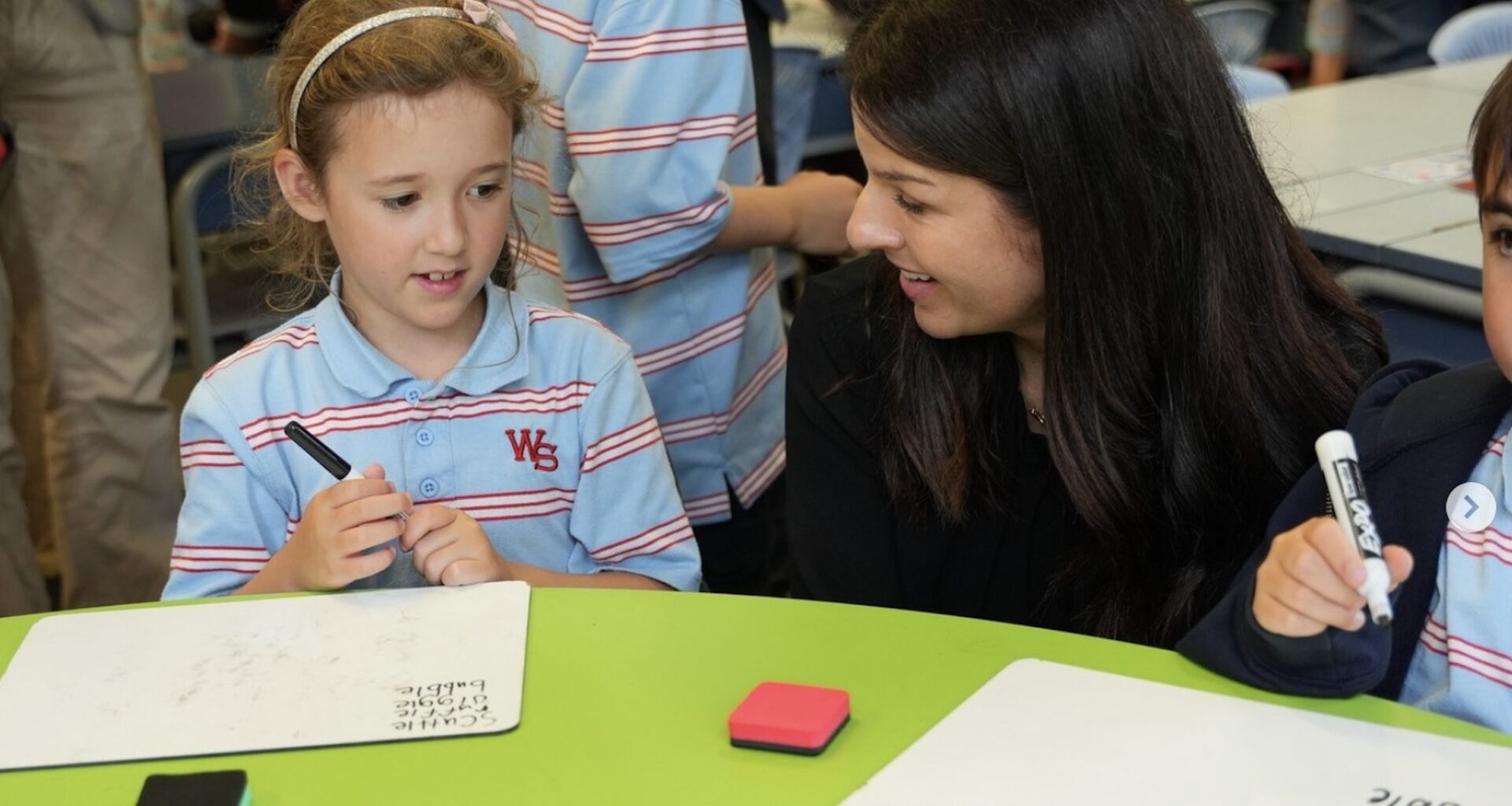
Health and Māori experts have raised concerns over the draft health curriculum, which has erased all explicit mentions of mental health and previously embedded concepts including hauora (wellbeing).
But Education Minister Erica Stanford said picking on the wording around mental health was “semantics” and there was “greater inclusion of te ao Māori and mātauranga Māori across the curriculum refresh”.
Consultation on draft curriculums for year 0 to 10 health and physical education, languages, science, social sciences, technology and the arts closed last month, garnering about 3800 submissions, according to the Ministry of Education.
Darren Powell, a former teacher and associate professor in health education at the University of Auckland, said the health side of the health and physical education curriculum didn’t fare as poorly as the other. There were some positive elements, such as the introduction of consent across age groups and a good focus on the online environment and its relationship to wellbeing.
However, he was concerned mental health was not explicitly mentioned once in the draft curriculum even though it had been a focus in health education since 1999.
Powell said it was “mind boggling” that there was so little emphasis in the curriculum, despite the growing awareness about mental health in society more broadly.
Aoteaora also continued to have one of the highest youth suicide rates among OECD countries, as well as one of the highest rates of bullying.
“It’s been reinvented under this guise of self-care, which is a very wooly concept, which really comes down to teaching children to take responsibility for themselves and their own emotions and moods and mental health, and not that notion of collective responsibility,” Powell said.
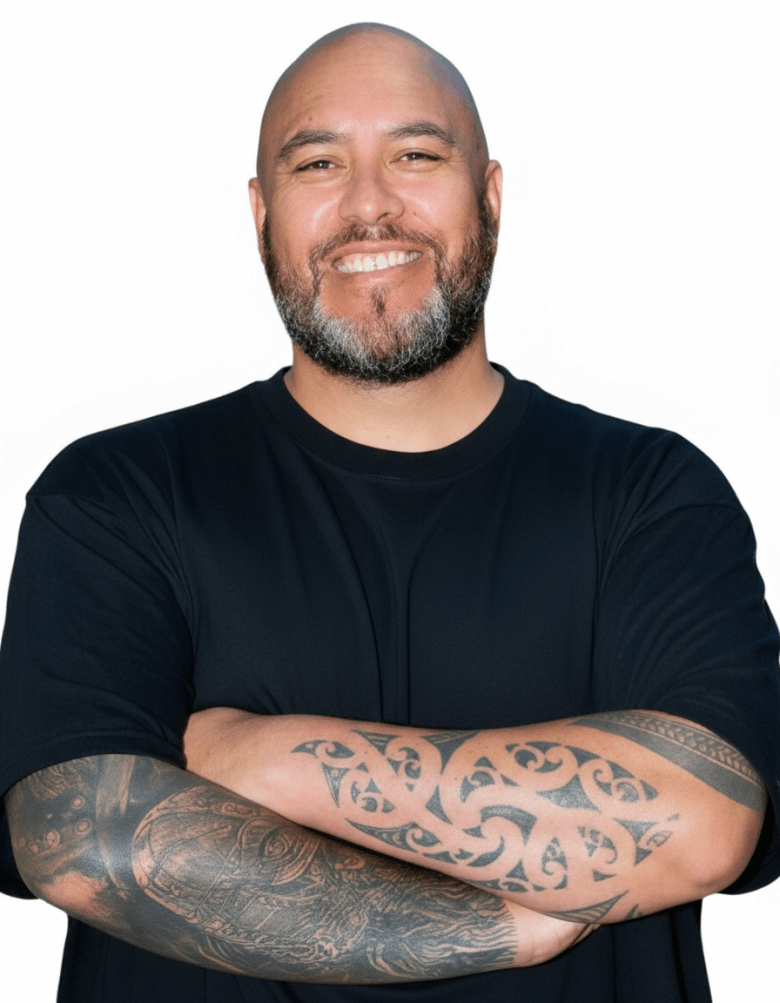 Jase Williams (Ngāti Tamaterā), a relational neuroscience and trauma expert, said erasing Māori concepts from being explicitly mentioned in the draft curriculum was like going back in time. Photo: Supplied
Jase Williams (Ngāti Tamaterā), a former principal and relational neuroscience and trauma expert, said the erasure of language was significant and triggering because of te reo Māori being beaten out of his father and grandparents’ generations.
Concepts such as Te Whare Tapa Whā, developed by Sir Mason Durie in 1984, had become fundamental to holistic understandings of health, interconnecting the four walls of hauora, being physical, mental and emotional, spiritual, and social health but had been removed in the draft curriculum.
“We know through neuroscience that belonging is a fundamental need for everybody … and we’re asking our generations to come – our mokopuna – to fit into a system that is not built for them,” Williams said.
“It really does feel like we’re going back in time here and we have all the science, we have all the knowledge and understanding to know that this is not the way to be.”
Dr Ella Cullen, director of wellbeing at Te Hiringa Mahara Mental Health and Wellbeing Commission, said rates of psychological distress for young people had increased significantly in the past decade.
In the New Zealand Health Survey 2025, it found 22.9 percent of young people aged 15-24 reported high or very high psychological distress – about 156,000 young people. A further 25 percent reported moderate levels, about 168,000 young people, Cullen said.
The recently published Youth Health and Wellbeing Survey of 13 to 17-year-olds found 22 percent experienced very high levels of psychological distress.
“They’re especially high for rangatahi Māori, young rainbow communities, young disabled people and young Pacific people,” she said.
“With that context in mind, it is absolutely crucial for mental health to be included in the education curriculum. Young people have told us that they want to see education systems supporting and growing mental health awareness, such as supporting young people to identify mental distress, where to go for support, how to build their resilience, coping mechanisms and how to support others.”
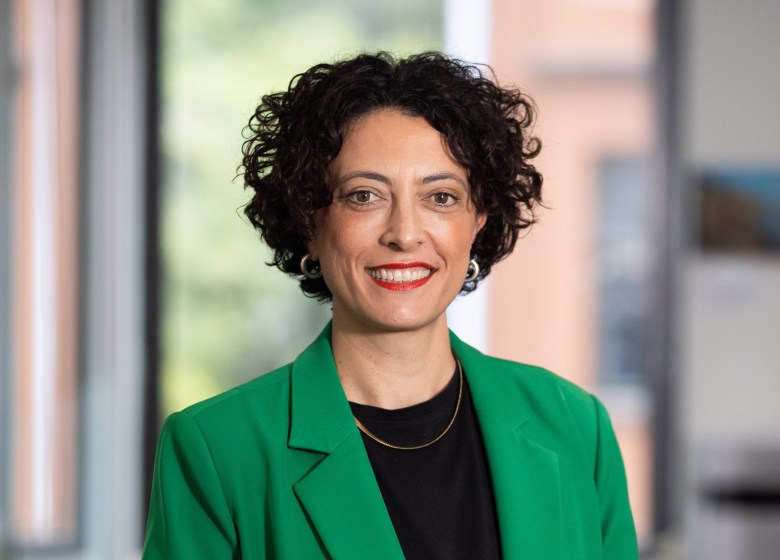 Dr Ella Cullen of Te Hiringa Mahara Mental Health and Wellbeing Commission said it was important mental health was explicitly mentioned in the curriculum, especially in the context of increasing rates of psychological distress among young people. Photo: Supplied
As seen in results from kura kaupapa Māori, higher educational achievement had a direct link with mātauranga Māori, te ao Māori and te reo Māori and having connection to their culture, she said. “So we are very concerned to see removal of reference to those critical wellbeing enablers for young learners.”
Mental Health Foundation chief executive Shaun Robinson said there were “very good guidelines” on how to teach mental health in the current curriculum.
It looked at a whole-school approach to mental health and wellbeing, including bullying prevention and celebration of diversity, reducing racism, homophobia and transphobia – all things that affected mental health.
But he was concerned the removal of mental health as an explicit concept in the draft curriculum could lead to the removal of the guidelines as well.
“It’s all very well to say, here’s some self-care, but if you’re in a school where bullying in a variety of forms is very prominent and you don’t feel safe, self-care is really blaming the victim,” Robinson said.
“The big concern is, once this is gone, then the guidelines will be gone, which may in fact be part of the agenda of some people who don’t like the celebration of diversity that goes with addressing mental health – we really need to wonder what is behind this.”
The Ministry of Education’s deputy secretary, Pauline Cleaver, said it received a wide range of perspectives from submission but some common themes so far were around the overall volume of content, the pace of change and the need for clearer prioritisation of content.
The ministry would be engaging with external subject and academic specialists to inform any changes to the draft, and the updated curriculum was expected to be released mid-year.
Cleaver also said mental health was a core part of the draft curriculum and the suggestion that it was missing was incorrect.
“Rather than being confined to a single unit or lesson, mental health capability is built progressively over time, in age‑appropriate ways that reflect how children and young people develop.”
It did not reduce wellbeing to individual self-care alone and recognised it was shaped by relationships, schools and community environments, inclusion, safety and belonging, she said.
“Students learn how supportive, respectful and safe environments influence mental and emotional health, alongside personal skills and coping strategies.”
Māori concepts of hauora and Te Whare Tapa Whā had also not been removed “from the intent of the draft curriculum”, Cleaver said.
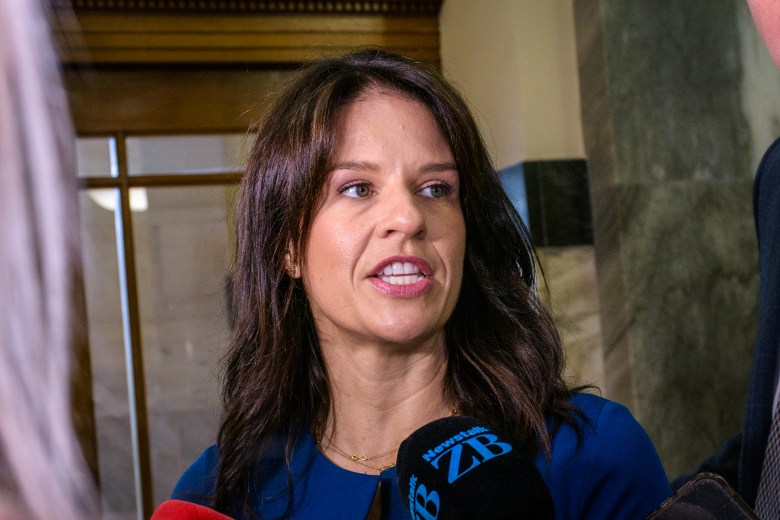 Education Minister Erica Stanford and the Education Ministry both said mental health had not been removed from the draft curriculum, nor had it removed Māori concepts – both of which were embedded throughout the curriculum. Photo: Marc Daalder
“Instead of prescribing a single named framework, the draft embeds the same holistic understanding of wellbeing throughout the learning area — recognising the interconnectedness of physical, mental and emotional wellbeing, relationships, identity and belonging. Schools and teachers remain free to explicitly use Te Whare Tapa Whā or other cultural frameworks that best reflect their communities.
Education Minister Erica Stanford referred comments to the ministry but on Newstalk ZB on Monday evening, after an interview with Darren Powell, she said mental health was “absolutely” in the curriculum.
People complaining about the lack of the words “mental health” were semantics, Stanford said, pointing to sections around body and mind, the importance of sleep, nutrition, consent and self-care in the new draft curriculum.
“Everything in the curriculum, all the way up, is about mental health and building resilient kids. It’s doing it in a wonderfully positive way … and it just indicates to me that, frankly, a lot of these people who are speaking out have not actually read the curriculum.”
When asked about the omission of hauora Māori, Stanford said it “probably” was in the curriculum.
“The reason I say it probably is is we made a really conscious decision to make sure we included lots of te ao Māori and mātauranga Māori – so much so than what was in before, where it made sense and all the way through the curriculum in every single learning curriculum area, in science and PE and health, everywhere.”