
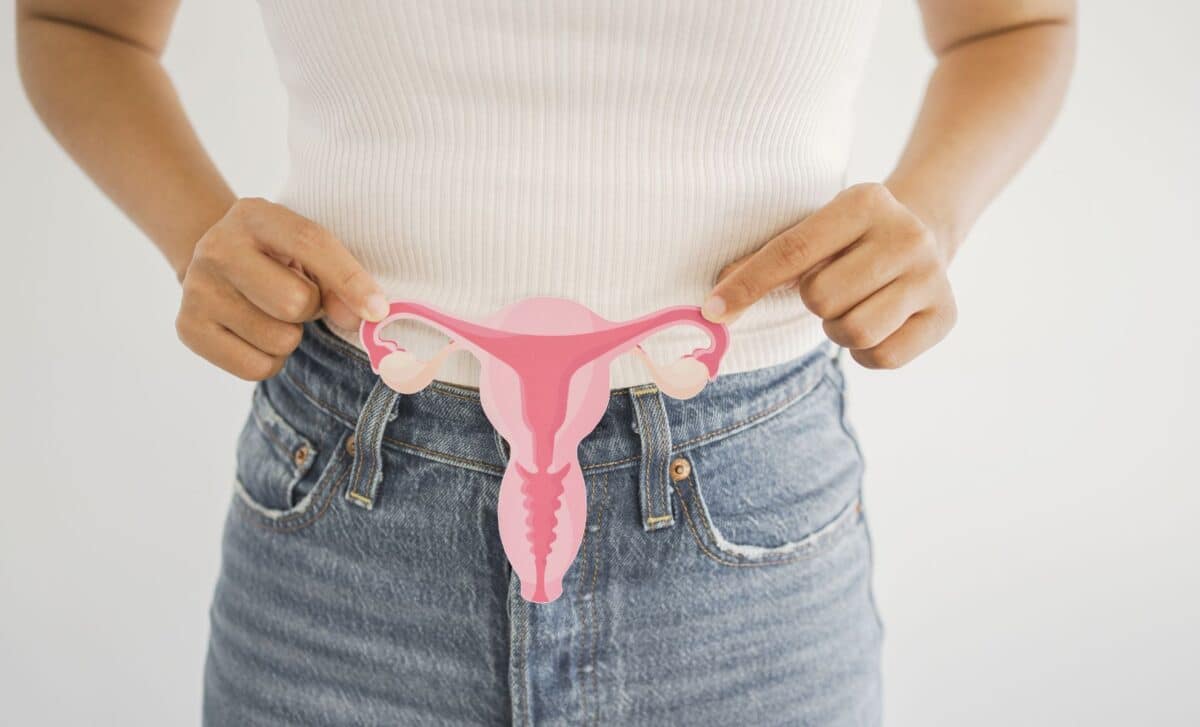
For decades, the term PCOS shaped how millions of women understood one of the world’s most common hormonal disorders. Now, in a major international medical shift published in The Lancet, experts have officially renamed the condition polyendocrine metabolic ovarian syndrome, or PMOS. Researchers and clinicians say the new name reflects the true complexity of the disorder and could dramatically improve diagnosis, treatment, and long-term care for women worldwide.
Why Experts Say The Old PCOS Name Was Misleading
The original term, polycystic ovarian syndrome, placed heavy emphasis on ovarian cysts even though many patients never developed actual cyst-related abnormalities. That wording shaped decades of misunderstanding among patients, clinicians, and even healthcare systems. Women often arrived at clinics with symptoms like unexplained weight gain, acne, insulin resistance, infertility, or irregular periods, only to face delayed diagnosis because imaging did not show the “expected” ovarian appearance.
The newly adopted term, PMOS, shifts attention toward the broader hormonal and metabolic nature of the condition. Researchers argue this reframing is more scientifically accurate and far more useful clinically. The condition is now being recognized as a multisystem endocrine disorder rather than a disease centered mainly on ovarian morphology.
The renaming effort was led by Professor Helena Teede of Monash University alongside international experts, advocacy organizations, and patients with lived experience. The announcement follows a 14-year campaign to modernize medical understanding of the syndrome. According to Professor Teede, the previous terminology distorted how physicians interpreted symptoms and delayed appropriate care for many women.
“What we now know is that there is actually no increase in abnormal cysts on the ovary, and the diverse features of the condition were often unappreciated,” Professor Teede said.
“It was heartbreaking to see the delayed diagnosis, limited awareness and inadequate care afforded those affected by this neglected condition.
“Make no mistake, this is a landmark moment that will lead to desperately needed worldwide advancements in clinical practice and research.”
The official announcement, published in The Lancet, marks the beginning of a global transition period expected to continue through 2028, when updated international guidelines will fully adopt the new terminology.
Experts reach consensus to rename polycystic ovary syndrome (PCOS), better reflecting the condition’s full health impacts.
Find out more 👉 https://t.co/Azue7YDFcn @ESEndocrinology #ECE2026 pic.twitter.com/Fteqi5CtDH
— The Lancet (@TheLancet) May 12, 2026
Doctors Say The New Definition Could Transform Diagnosis
General practitioners are expected to play a much larger role under the new framework. For years, many women experienced long diagnostic delays because physicians focused too narrowly on ovarian imaging rather than considering broader metabolic and endocrine symptoms. Some studies have shown diagnosis can take up to 12 years after symptoms first appear.
Associate Professor Magda Simonis, a GP with a strong focus on women’s health, says the new terminology gives clinicians greater confidence to diagnose patients earlier and more accurately. Rather than searching for cysts as a defining feature, doctors can now evaluate the full hormonal and metabolic presentation of each patient.
“We’re really empowered now to make a diagnosis,” she told newsGP.
“We don’t need to focus on cysts and the size of cysts on ovaries as a diagnostic criterion, which PCOS always featured as the key criterion.”
That shift could significantly alter clinical practice. Women may now receive earlier intervention based on symptoms that previously appeared disconnected, including fatigue, insulin resistance, acne, menstrual irregularities, and difficulty losing weight. Experts say this broader diagnostic approach better reflects the lived reality of patients whose symptoms evolve across different stages of life.
“We can now do this with confidence,” Associate Professor Simonis said.
“This is really emphasising the importance of addressing the woman’s full presentation. She may well come in not necessarily talking about irregular periods, but she might be talking about resistance to weight loss. She might be talking about her acne. It depends on the stage of life she’s at.”
The new definition also reduces reliance on ultrasound findings that often confused patients and contributed to inconsistent diagnoses between healthcare providers.
PMOS Could Help Detect Future Chronic Diseases Earlier
One of the most significant implications of the reclassification involves long-term preventive healthcare. Researchers increasingly recognize that the condition is strongly associated with elevated risks for type 2 diabetes, cardiovascular disease, sleep disorders, infertility, and mental health challenges. The broader metabolic framing of PMOS could encourage earlier screening and intervention before these complications become severe.
Healthcare experts believe this may be one of the most transformative aspects of the new terminology. Instead of treating the syndrome primarily as a reproductive disorder, physicians may begin approaching it as a lifelong metabolic and endocrine condition requiring ongoing monitoring.
Associate Professor Simonis says this opens major opportunities for preventive medicine in general practice.
“When you think about capturing women who are at risk of late onset diabetes and cardiovascular disease, this falls into that really interesting preventative care category, where we can identify the women at risk and manage them appropriately,” she said.
“When such a significant endocrine disorder affects so many women, and with so many implications for their life down the track, lifestyle modification is really key, and this is the thing that, in general practice, we’re really well equipped to have these longer conversations with our patients.”
Medical organizations now hope the updated terminology will improve awareness among both clinicians and the public. International education campaigns targeting governments, researchers, and healthcare providers are expected to roll out during the transition period.