
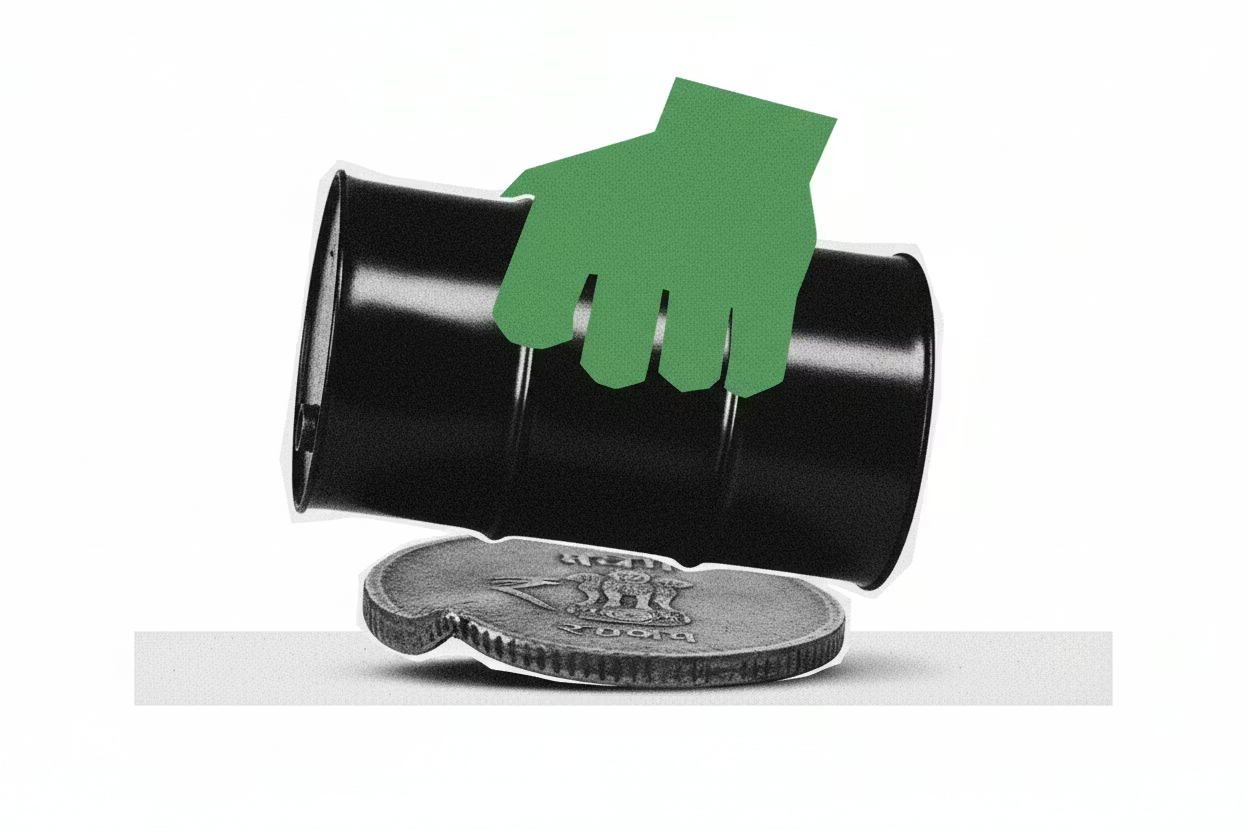
ome overseas selling of Indian stocks and limited exporter selling of dollar earnings, and demand for dollars can outstrip supply. Outside India, higher US government bond yields and expectations that the Federal Reserve (Fed) keeps rates higher for longer tend to support the dollar, leaving many Asian currencies on the back foot.
Why should I care?
For markets: Oil-linked dollar buying can keep USD/INR tilted higher.
When crude stays expensive, India’s trade balance (the gap between what it imports and exports) can worsen because energy costs more. That shows up quickly in foreign exchange markets: oil marketing companies are consistent buyers of dollars, which can keep USD/INR biased higher even if the RBI leans against sharp daily moves. That dynamic can also weigh on Indian assets, since a sliding currency can make some foreign investors more cautious.
For you: Fuel hikes can spread into other everyday prices.
State-run fuel retailers raised gasoline and diesel prices by 3 rupees per liter for the first time in four years. Because crude is priced in dollars, a weaker rupee pushes up the local cost of energy even if global oil prices barely move. Diesel is a key input for freight, so higher pump prices can filter into the cost of getting goods to stores and doorsteps.