
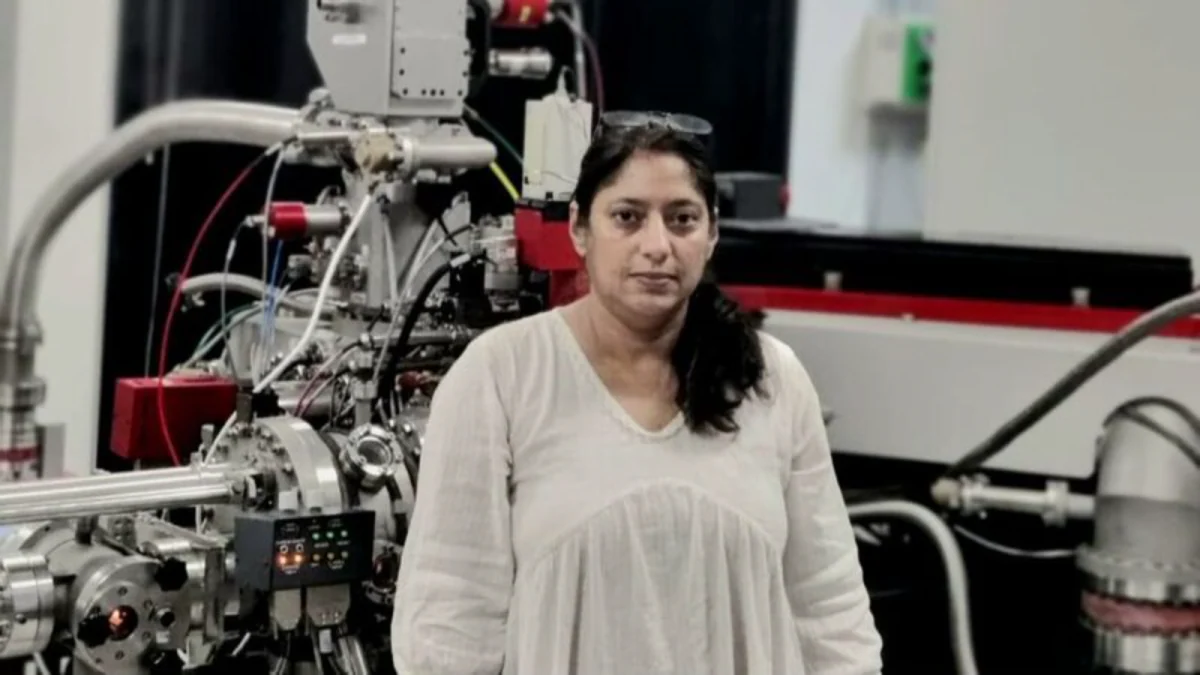
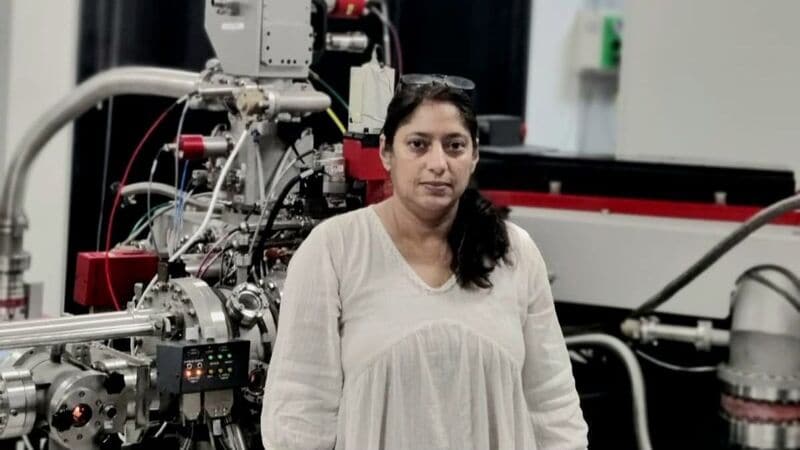
Kuljeet Kaur Marhas created history by becoming the first Indian woman elected Fellow of The Meteoritical Society, one of the world’s most prestigious honours in planetary science and meteoritics. The recognition places her among the group of scientists acknowledged for advancing the understanding of meteorites, planetray material, and the origin of the Solar System. (Image: LinkedIn)
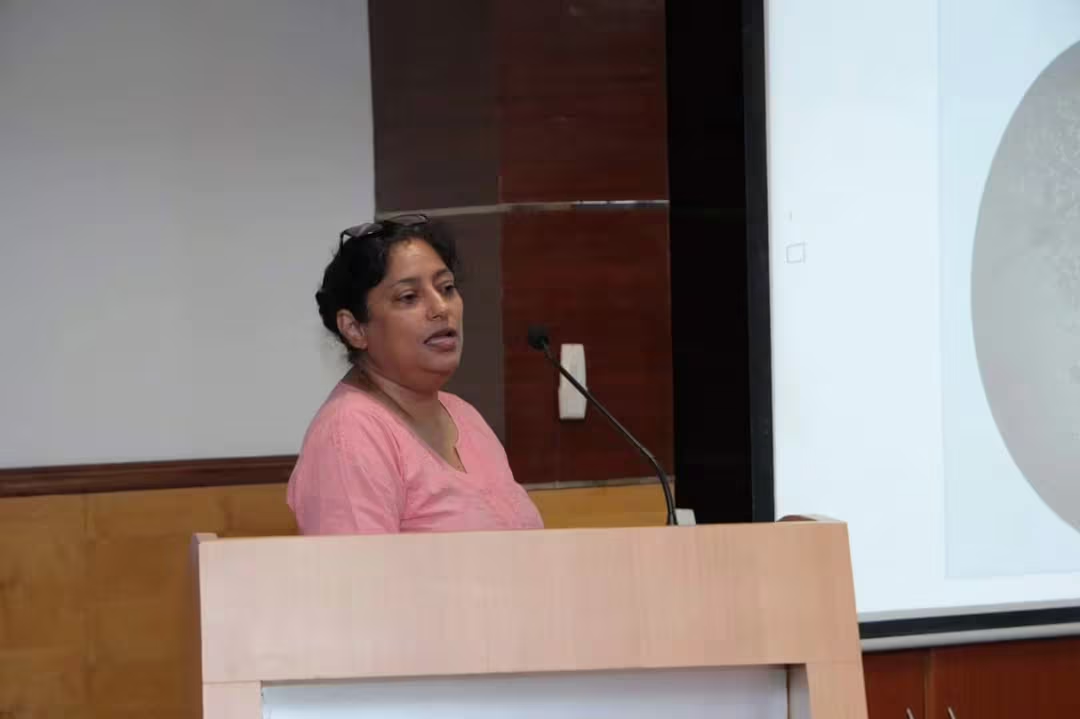
Marhas is the first Indian woman to receive the honour and the third Indian scientist elected Fellow in the soceity’s history, following Devendra Lal and JN Goswami. Furthermore, the recognition is especially notable because meteoritics and cosmochemistry remain highly specialised disciplines dominated by institutions in the US, Europe, and Japan. (Image: Instagram)

Kuljeet Kaur Marhas is based at the Physical Research Laboratory in Ahmedabad, where she spent decades analysing ancient extraterrestrial material using advanced isotopic techniques to uncover how planets, asteroids, and the Solar System evolved for over 4.5 billion years ago. (Image: Instagram)
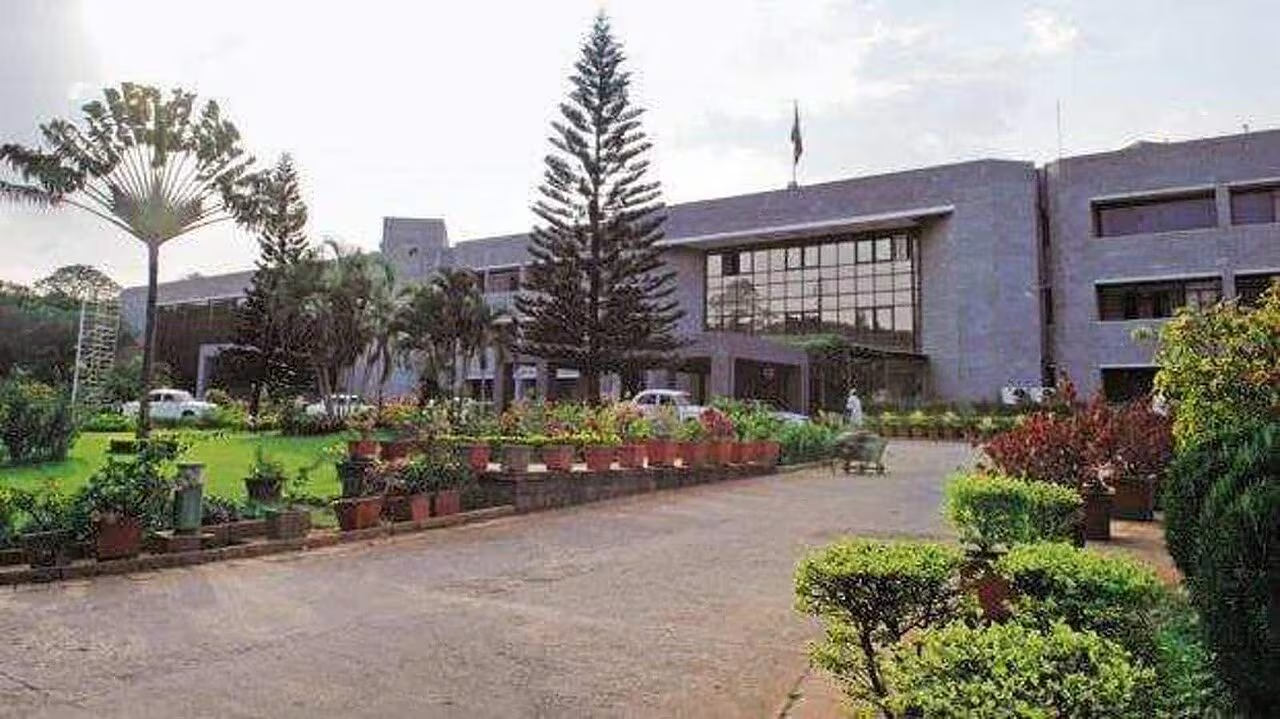
Marhas is a professor in the Planetary Science Division at Physical Research Laboratory (PRL), one of India’s leading centres for planetary science and astrophysics, closely associated with the Indian Space Research Organisation (ISRO). She is internationally recognised for her expertise in advanced isotopic analysis tools such as Secondary Ion Mass Spectrometry (SIMS) and NanoSIMS. After returning to India following research work abroad, she helped establish one of the country’s most advanced NanoSIMS facilities at PRL. (Image: Wikimedia Commons)

Marhas has held several important international scientific roles. According to her PRL profile, she has served as a council member of The Meteoritical Society, participated in NASA review panels, contributed to scientific advisory committees, and worked on editorial boards for planetary science publications. She is also a Fellow of American Geophysical Union and recipient of the Devendra Lal Memorial Medal for her contributions to planetary science and cosmochemistry. (Image: Wikimedia Commons)