
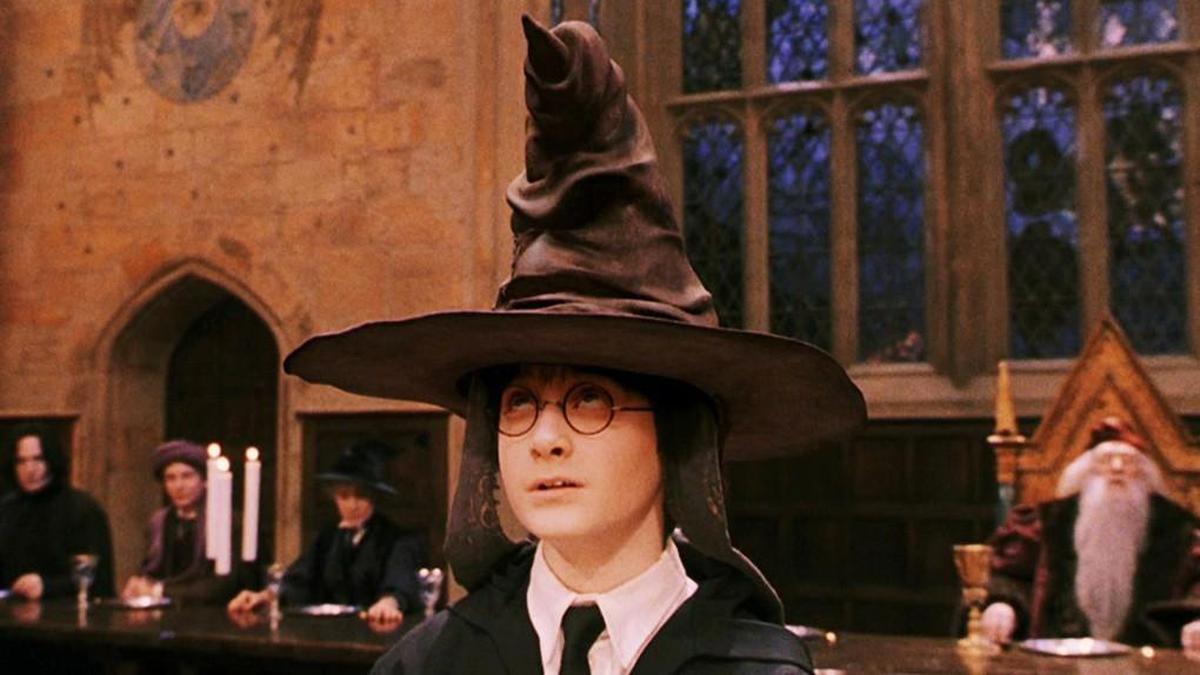
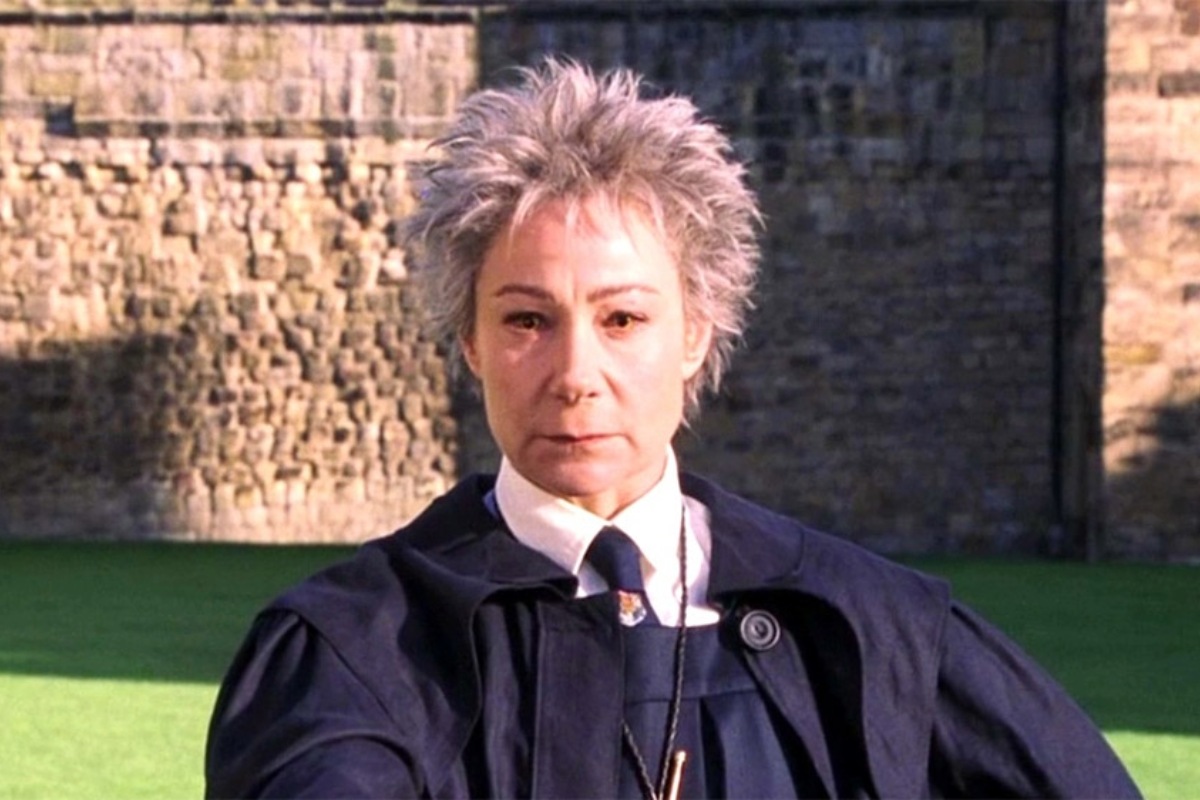
Zoë Wanamaker, who played Madame Hooch in the first Harry Potter film, walked away after movie one, citing low pay and the unpaid use of her digitized likeness for video games. Her grievances sit against sharp contrasts, from Daniel Radcliffe’s renegotiated $1 million debut paycheck to HBO’s new series leads reportedly starting around $660,000 for season one.
Zoë Wanamaker’s brief stint as Madame Hooch became a flashpoint over how much supporting actors are worth and what happens to their likeness once the cameras stop. She walked away after the first movie, citing thin pay and discovering her digitized image had flown into video games without compensation, a grievance she voiced as early as 2001. The contrast was stark: Daniel Radcliffe’s paycheck leapt to $1 million while others, on set and in the costume department, saw their work replicated with little reward. As HBO readies a new adaptation with starters reportedly on about $660,000 for season one, the industry’s lesson in value and consent is back under the spotlight.
A familiar face vanishes after one film
Some characters feel like they were always there, which makes their sudden absence linger. That was the case with Zoë Wanamaker, who played Madame Hooch in Harry Potter and the Sorcerer’s Stone. She was memorable on the Quidditch pitch, then gone. Fans kept asking why. The answer, pieced together over time, points to money, credit and respect on a massive production.
Salary concerns and unpaid digital appearances
Wanamaker signaled her exit early, citing pay that didn’t meet expectations for a global franchise in the making. She also objected to being scanned for tie-in products without compensation. Licensed games later featured characters modeled on the film cast, including mobile releases like Harry Potter: Hogwarts Mystery (launched in 2018), and the disconnect over rights and residuals lingered for years.
Allegations of industry-wide practices
Back in 2001, she told The Guardian that Warner Bros. underpaid staff and overlooked crucial contributors on set. She contrasted the blockbuster’s pay with her work on the BBC’s Gormenghast, where she said she earned more despite a far smaller scale. According to that reporting, Daniel Radcliffe’s initial offer hovered near $100,000 before renegotiations lifted it closer to $1 million, underscoring the wide gaps between leads and supporting players.
The new HBO series takes a new approach
Two decades on, the franchise is starting fresh on HBO and streaming in the US on Max. The new series has reportedly dangled stronger starter deals for its young trio, with figures around $660,000 each for the first season being circulated in industry chatter. If those numbers hold, they suggest a recalibration: better upfront terms that can grow with audience demand.
A reflection on industry norms
Wanamaker’s stand wasn’t just about one role. It spotlighted a recurring Hollywood problem, where supporting actors shoulder iconic moments yet see limited upside. If this new chapter truly learns from the old, fairer contracts and clearer approvals for digital likenesses should follow. That would honor what made the films endure in the first place: a cast far bigger than any single hero with a scar.