
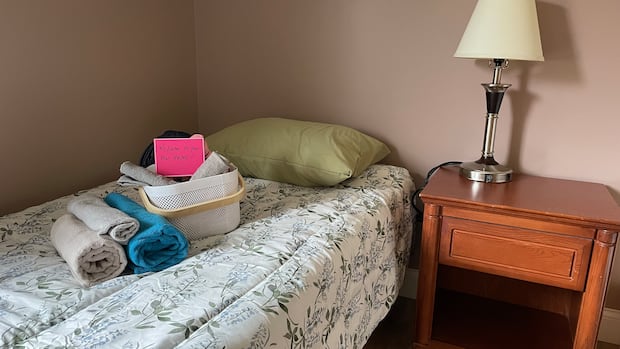
Moncton’s new mental health court program is underway, giving an alternative to the traditional court system for people dealing with severe mental health or addictions issues.
The court, which started April 1, is modelled after other mental health court programs but with some key differences: the Moncton version is available for those struggling with addictions and also offers participants housing throughout the process.
To participate in the program, participants must meet several qualifications and be referred by the Crown prosecutor on their case.
“If you found yourself involved with the law, charged, and if there’s a mental illness or an addiction as an underlying issue that led to the commission of that crime, you’re able to take an alternate pathway to justice to be partnered with other services throughout the city,” said Rob McKee, New Brunswick’s minister of justice.
The participant must only be charged with a less serious summary conviction offence, rather than an indictable offense, and accept responsibility for their actions.
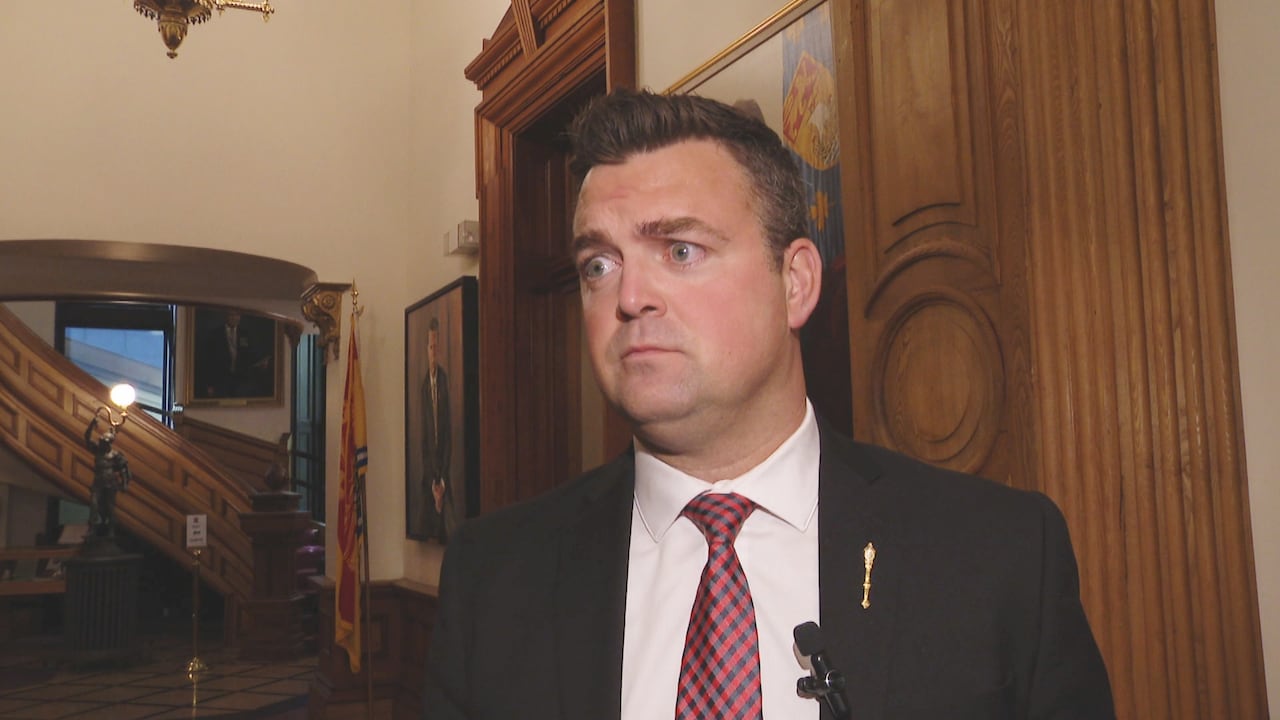 Justice Minister Rob McKee said there are currently 10 beds secured and the government is hoping to have another eight to 10. (Tara King-Stewart/CBC)
They will then work with a court health navigator and probation officer, and if the program is successful their charges will be withdrawn after it’s completed, which is expected to be about 12 months.
“The mental health court has been identified as a 12-month program. But … it’s not set in stone. It’s adaptable to each unique person,” said McKee. “But we know there can be delays in accessing mental health and addiction services. We’re working at reducing those delays.”
Similar but different
The Moncton mental health court is modelled on a similar program that’s existed in Saint John, on-and-off, since 2000.
Mary Ann Campbell, director of the Centre for Policing and Criminal Justice Research at the University of New Brunswick in Saint John, has acted as an evaluator for that program.
“It gives us an opportunity to see how a different way of doing business, so to speak, impacts the outcomes that we’ll get from clients going through the program,” she said. “And also see if it’s a more efficient model that might allow a higher volume of clients to go through.”
WATCH | Up to 20 beds available for clients of new Moncton mental health court: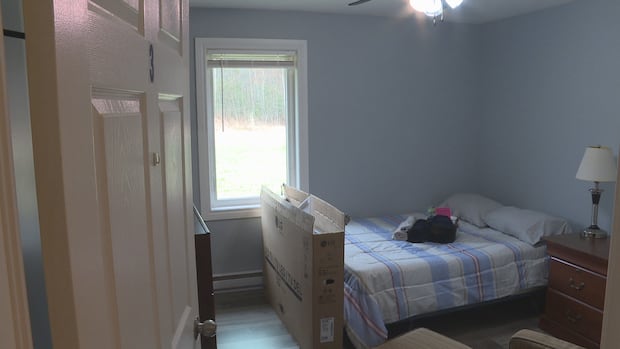
Moncton mental health court gives people a place to stay
The city’s newly launched mental health court provides an alternative for people dealing with mental health or addiction problems.
The Saint John program has a few differences. It doesn’t specifically treat addictions, but there are many people with addictions issues who participate.
“A lot of traditional, quote unquote, mental health court cases often also have addiction issues, about one-third tend to have that,” Campbell said.
“It’s always something that still is addressed or monitored. What’s different here is you may have cases that have addiction related issues, but not necessarily any chronic, severe or really impacting other mental health issues.”
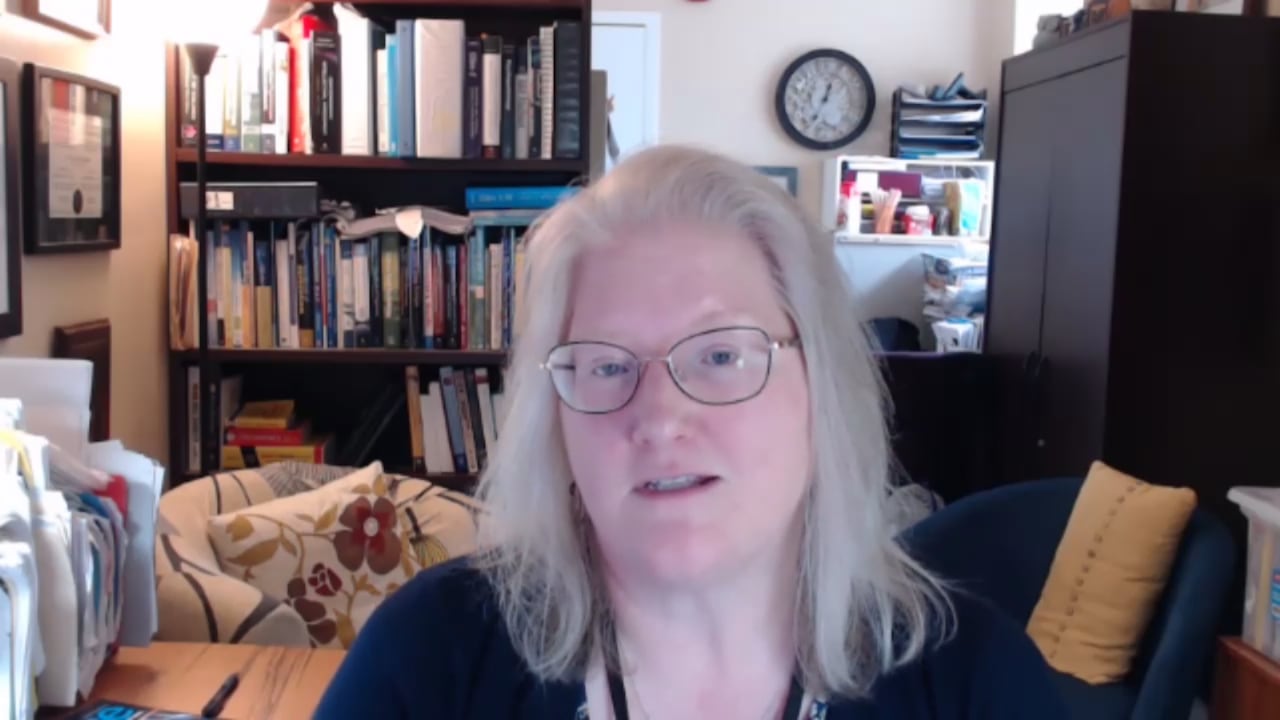 Mary Ann Campbell said the housing component is a fundamental piece of mental health courts. (Zoom)
In Moncton, all bail court judges will be able to refer people to the program, rather than just one specific judge in Saint John.
Although, Campbell said, it’s mostly Crown attorneys who are referring people to the program, with support from judges, defence lawyers and legal aid. And it’s that whole network that keeps people on the path to getting their charges withdrawn.
“What we see is that you have fewer rates of re-arrest in the mental health court or drug court program” said Campbell. “And we see greater access to services, better mental health recovery or addiction recovery outcomes.”
Housing options for participants
The program doesn’t just offer a new court system, it also gives clients of the mental health court additional supports.
In some cases, that could include giving them a place to stay.
“We know and believe in the housing first model. So if you don’t have a roof over your head, it’s hard to get the help and support that you need,” said McKee.
The Moncton mental health court has partnered with non-profit organizations, including Alternative Residences, which will reserve two beds for court participants, and the John Howard Society, which will reserve eight.
“It really is intended to be a very comfortable home for people that are living with mental illness,” said Al Pendergast, executive director of Alternative Residences at the opening of the organization’s new 12-bed residential building in Salisbury in April.
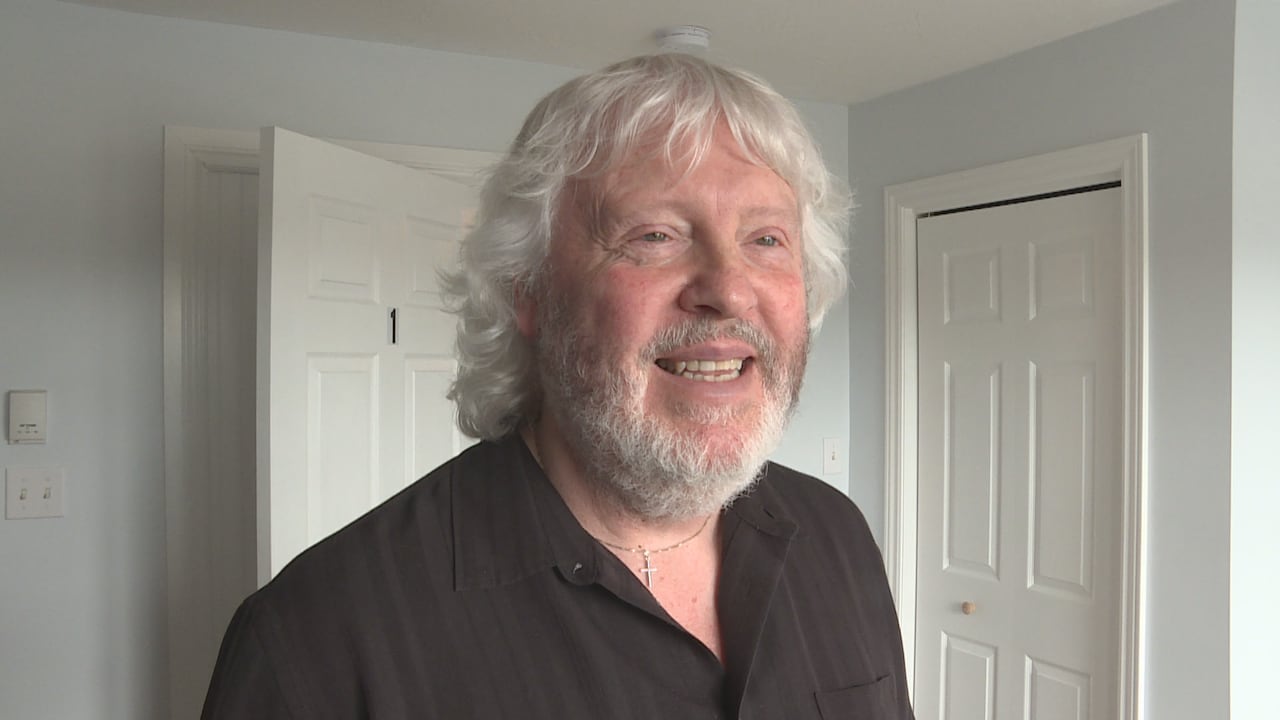 Al Pendergast is the executive director of Alternative Residences. (Victoria Walton/CBC)
The government is still looking for eight to 10 more beds for potential future mental health court participants.
Campbell said that housing is a “fundamental” part of a mental health court program.
“That’s often one of the challenges with some of the clients that come through problem solving courts like this is that housing is often an issue,” she said. “And it’s very difficult to get someone to appointments or, you know, when they’re worried about where they’re going to eat and where am I going to sleep.”
The mental health court also gives people access to services, including addictions treatments, psychiatric services, primary health care, housing co-ordinators and income assistance.
McKee said he hopes that clients of the mental health court won’t be treated any differently than other people who are staying at these transitional housing facilities.
“My hope would be that they are not singled out … as being from the court program,” he said. “And that’s the same with the other units around the city, that they will blend in with everyone and not have that attached stigma to them.”
After they complete the court program, clients will be supported to move on from transitional housing into more long-term housing.
“We really don’t want them to get blocked and stuck in a transitional housing unit,” McKee said. “It’s meant to be a temporary solution for that person to move them to a more stable housing.”
The Department of Justice and Public Safety said six people have agreed to participate in the mental health court system in Moncton so far.