
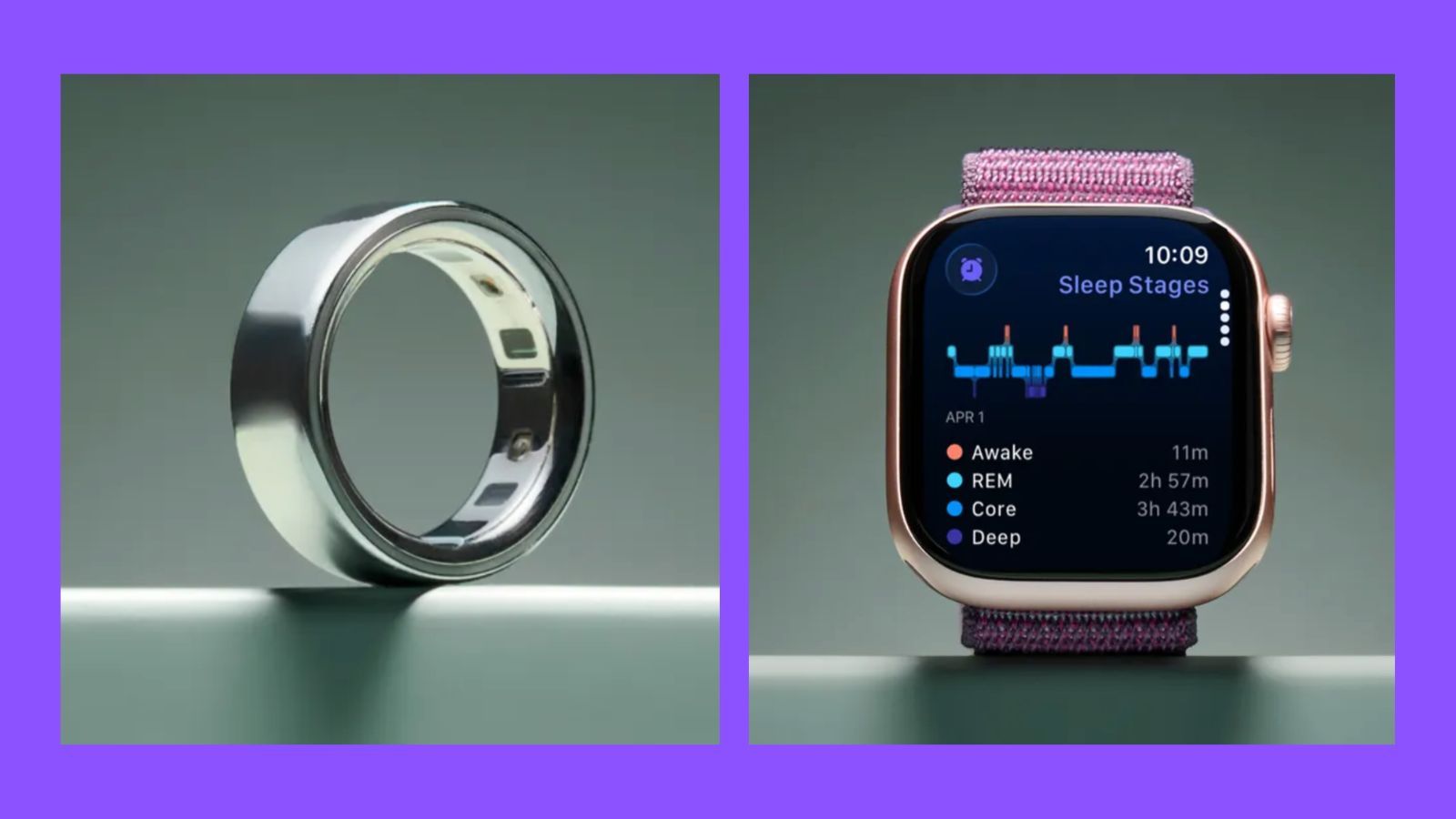
Fed up of wearables in bed?
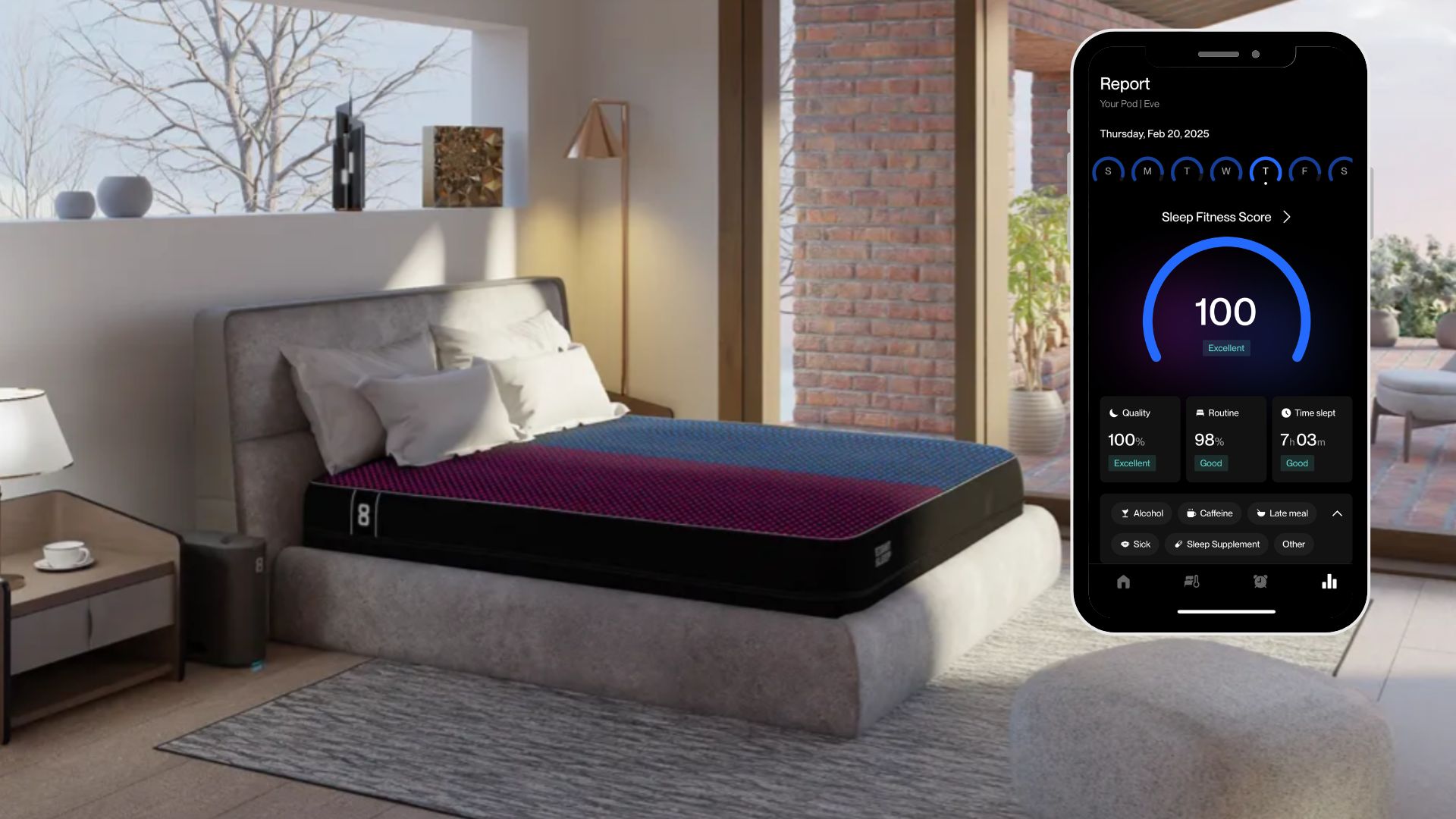
(Image credit: Eight Sleep )
The best smart beds and mattresses are complete with integrated sleep tracking sensors, so you can get a nightly sleep report without any extra accessories.
I’ve been tracking my sleep with a range of the best sleep trackers for well over a year now, and the Oura Ring 4 and Apple Watch 10 are two I’m always recommending to friends looking to improve their sleep.
What can the Oura Ring 4 do that the Apple Watch 10 can’t? Which offers the more accurate sleep tracking? Which will provide you with the most overnight metrics? And which gives you the best value for money?
I have the answers ahead, where we’ll delve into the key differences between the most popular smart ring and most popular smartwatch in the wearable sleep tech market to help you decide which is the right investment for you and your sleep in the Memorial Day sleep sales.
Oura vs Apple: Price & availability
As two of the most popular, comprehensive commercial health monitors, neither the Oura Ring nor the Apple Watch are budget buys. But for the price, you get top-notch sleep, activity, and biometric tracking.
The Oura Ring 4 ranges from $349/£349 to $499/£499 MSRP depending on finish and color. We usually see it down to $249/£249 around major sales periods, so keep an eye out for this discount this Memorial Day.
Just remember that you have to pay a monthly subscription fee of $5.99/£5.99 to access all features and software the ring offers.
Meanwhile, you’re subscription-free with the Apple Watch. The Series 10 we’re discussing here is currently on sale at Amazon, where you can get the 46mm size for $354.30 down from $429, or the smaller 42mm model at MSRP for $399. These are the prices for the aluminum models. Upgrading to the polished titanium collection will drive the starting price up.
Now discontinued as it’s been replaced by the Apple Watch Series 11 which launched in September 2025, shopping the Apple Watch 10 (still a highly functional smartwatch) is a wise financial decision, in my opinion.
Refurbished and open-box models are available at a lower price from Apple, as well as third-party retailers like Best Buy and Walmart. It’s worth shopping around for the best price. The cheapest I’ve spotted is $215 for a 46mm Jet Black Aluminum Apple Watch 10 at Walmart.
If you have a tighter budget and want a sleep-only tracker, check out our comparison of the Garmin Index Sleep Monitor vs Withings Sleep Analyzer (both at $169).
Oura vs Apple: Design & battery
The Oura Ring 4 is designed with an all-titanium tarnish-resistant frame with 18 sensing paths that intersect across your finger. It comes in 12 different sizes and six color options including gold, silver, and rose gold, plus a new ceramic collection.
Sat on your index finger, there’s one thing I’ve noticed about the Oura Ring: it’s a conversation starter (and I gladly wax lyrical about it whenever someone gives me the time of day). But it’s also supremely comfortable to wear overnight — that’s coming from someone who is easily irritated by wearing jewelry to bed.
A touch-screen wrist-band, the Apple Watch is a little more intrusive to wear overnight. Although most compatible straps are lightweight and comfortable, having the screen light up around bedtime or during the night can be disturbing (remember experts recommend you keep screens away from bed as much as possible for peaceful sleep).
Image 1 of 2
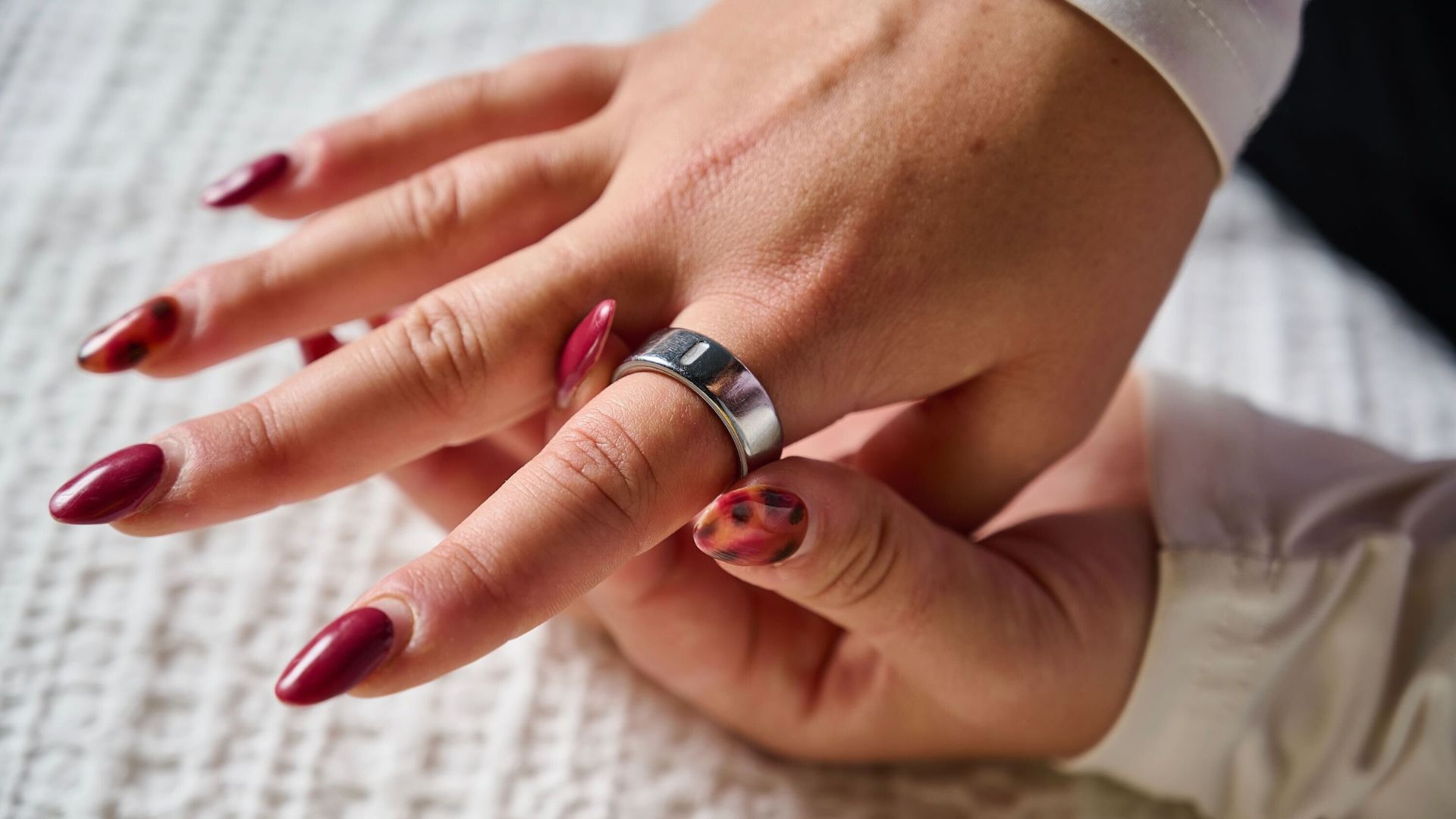 (Image credit: Future)
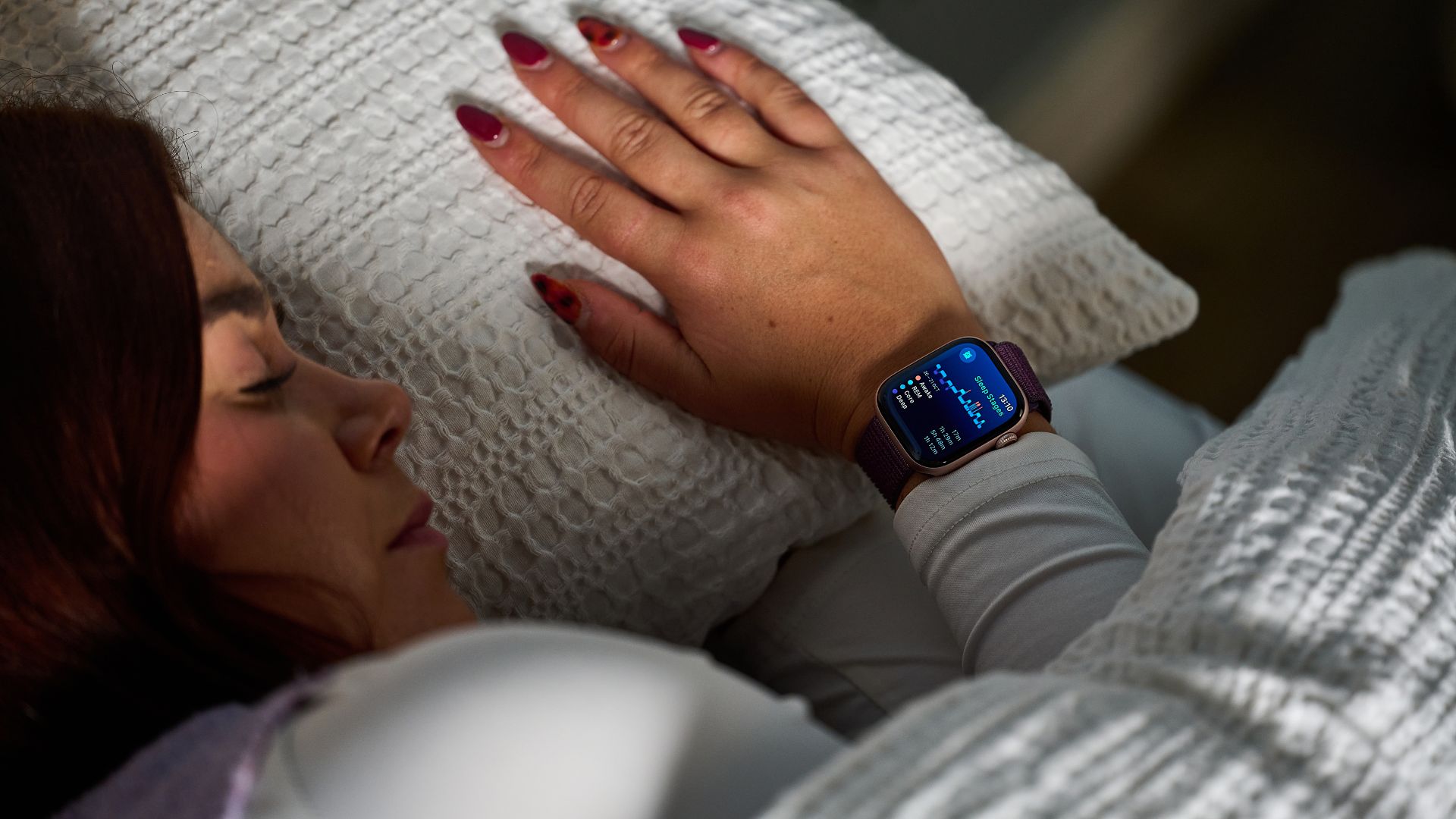 (Image credit: Future)
That said, the Apple Watch Series 10 is the lightest and thinnest Apple Watch you can buy at roughly 1oz/30g and 0.4″/9.7mm (it does in fact it have the same dimensions and screen display as the newer Series 11). There are two case sizes (1.6″/42mm and 1.8″/46mm) and two different finishes (aluminum and polished titanium), with six case colors altogether.
And if you want to do away with wearables in bed for good but still get sleep insights, check out my review of the Withings under-mattress sleep tracking mat.
With a job to do day and night, strong battery life is essential for wearable sleep trackers. In terms of power, the Oura Ring knocks the Apple Watch out of the park. The watch’s 18 hours simply can’t compare with the ring’s 144 hours (that’s six nights of complete sleep tracking on a single charge).
Winner: More discreet and packing tons more power, the Oura Ring is a clear winner in terms of design.
Oura vs Apple: Sleep tracking
During testing, I was impressed by the accuracy and depth of both sleep trackers. Sleep timings and scores from both devices largely aligned with my perceived sleep quality and non-digital sleep diary.
Both trackers keep tabs on things like sleep stages, sleep consistency, overnight heart rate, respiratory rate, and body temperature (which actually has a big sway on how well you sleep). But thanks to more thorough insights and personalized software, the Oura Ring is my sleep tracker of choice.
While I’m aware you can get third-party sleep tracking apps for the Apple Watch, left unassisted, its built-in sleep tracking functionality isn’t quite as advanced as the Oura Ring’s.
Sure, it can tell you about your sleep timings, sleep stages and interruptions; plus, providing your Watch 10 runs on watchOS 26, it awards you an overall sleep score. But more advanced sleep metrics like HRV (the variation in the time between your heartbeats through the night) and sleep latency (the time it takes you to fall asleep after laying down to rest) are absent.
(Image credit: Tom’s Guide)
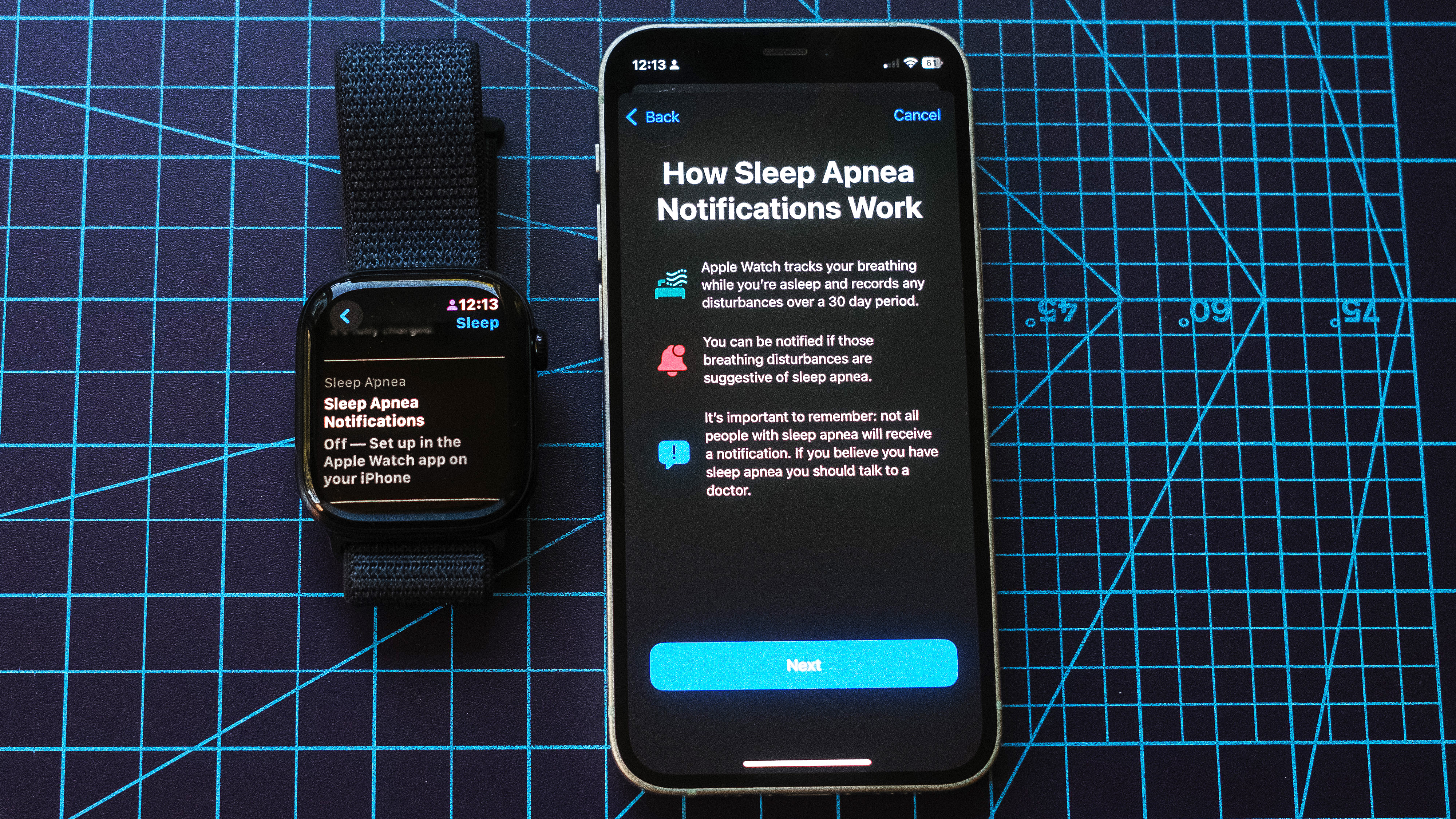
Where the Apple Watch does impress, however, is in its sleep apnea detection tool. One of the few wearables to get FDA-clearance, the Apple Watch Series 10 can analyze your breathing patterns and alert you if it detects more breathing disturbances than the average, indicating you have the sleep disorder.
That’s not to say you can rely on the watch to diagnose sleep apnea. Instead, you can take your sleep data to a medical professional for an official diagnosis and treatment plan.
(Image credit: Future)
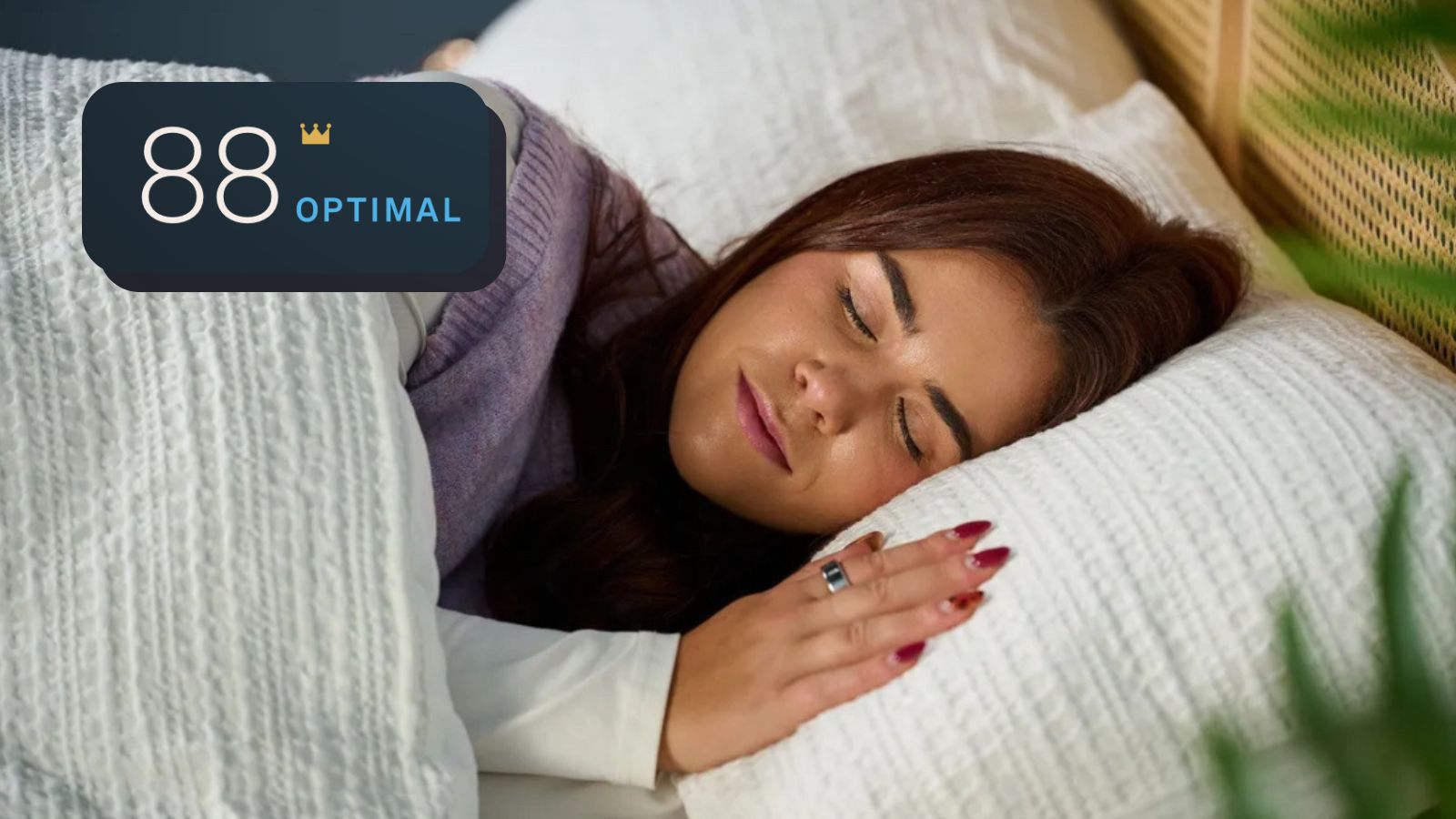
Moreover, Oura tracks more of your individual biometrics including oxygen saturation and HRV. The latter metric is particularly useful as it reflects how your daytime habits – like drinking alcohol – and stress levels impact the quality of your sleep.
I find that getting a visual indication of the impact these things have on my recovery in my Oura sleep charts helps me make wiser choices. Knowing my Oura Ring will highlight where I’ve let things slide, I’m more inclined to prioritize a stress-reducing bedtime routine and cut out that glass of wine when it’s not necessary.
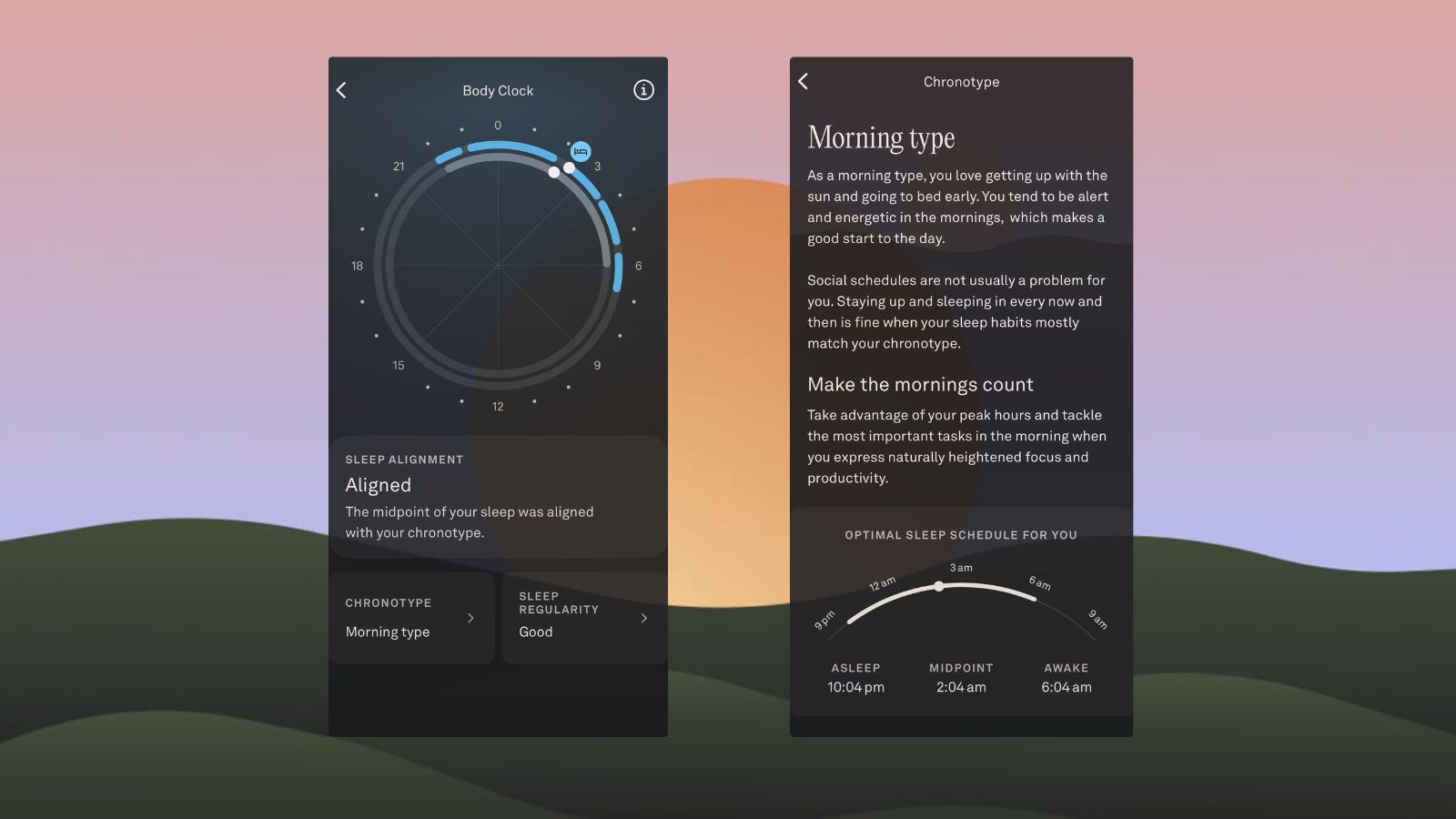
Understanding the importance of sleeping and waking at the same time every day for positive health outcomes (a large-scale study published this year proved a consistent sleep schedule can add four years to your life expectancy), Oura also pays attention to how well you stick to specific bed and wake times.
After three months of consistent wear, the Oura algorithm will calculate your biological chronotype (identifying whether you’re a morning lark or night owl) and chart how well your actual sleep timings align with your body’s natural preferences. Thanks to this Body Clock feature, you can work with your natural energy peaks and troughs rather than against them.
Image 1 of 2
 (Image credit: Future / Oura)
 (Image credit: Oura / Future )
While Apple also keeps an eye on how well you stick to a consistent bedtime, it doesn’t provide insight on your chronotype.
Winner: Oura offers more in-depth, personal sleep tracking, providing more and clearer action points for improving your sleep.
Oura vs Apple: The apps
Both trackers connect seamlessly with their compatible apps, where you can find visual, interactive graphs presenting your nightly sleep data.
As a faceless wearable it’s pretty crucial that the compatible Oura app is functional, as this is where you access all data. Luckily, the interface doesn’t disappoint.
Opening the Oura app, you can quickly glance at the previous night’s sleep data via figures and graphs, gleaning plenty of insight into how well you slept and how prepared you should theoretically feel for the day ahead.
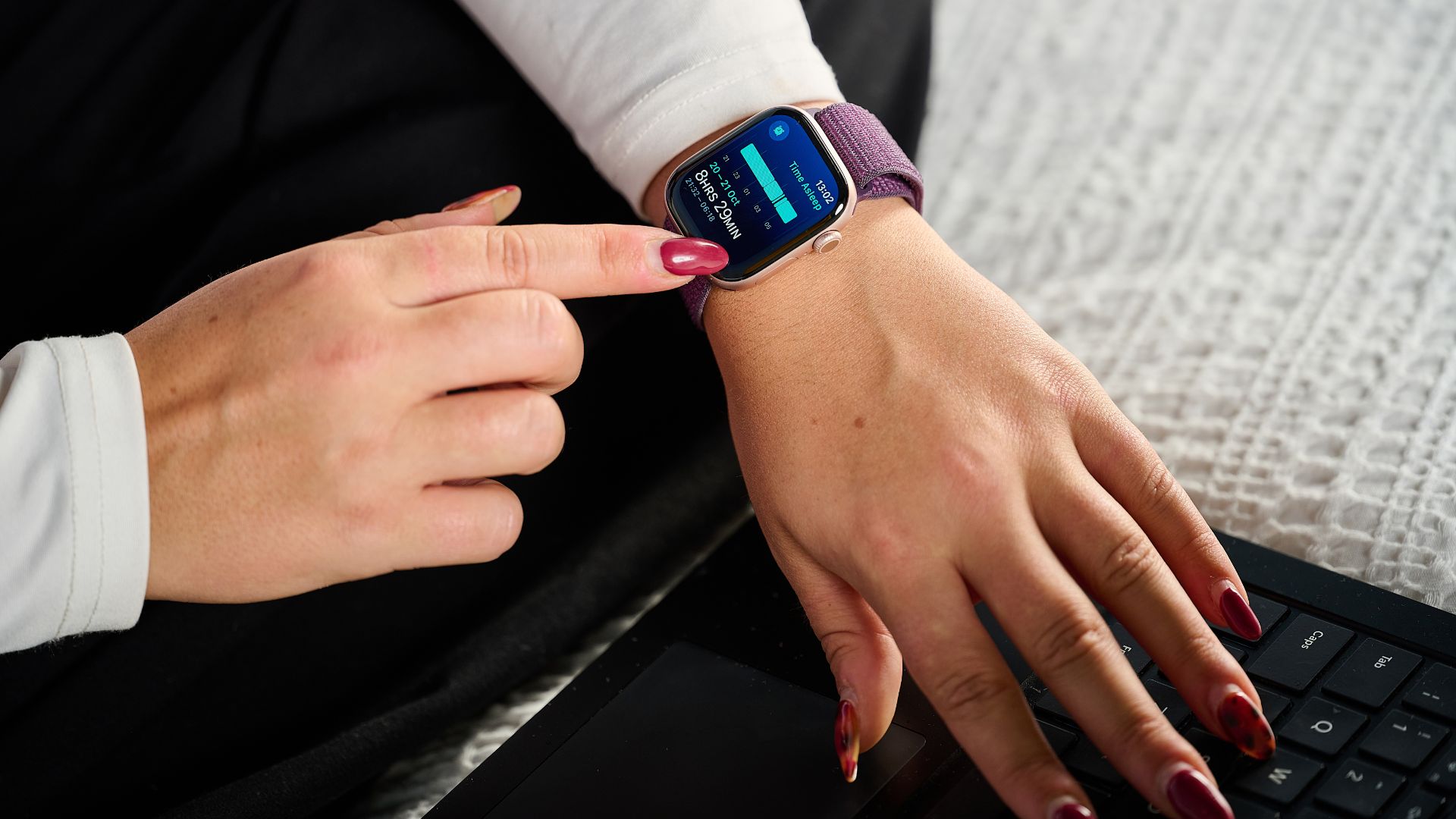
In comparison, you can find basic sleep data on your actual Apple Watch, with more details metrics and charts living in the Apple Health app on your iPhone.
The Apple Health sleep tab has a section for your nightly sleep score, sleep stage graph, and your overnight ‘Vitals’ where a collection of measurements, such as heart rate, respiratory rate, and wrist temperature, are presented with an indication of whether each metric is in your typical range, or if it is low or high.
An atypical reading can signal something is wrong: you could be coming down with a fever, have drunk too much caffeine, or are holding on to too much stress.
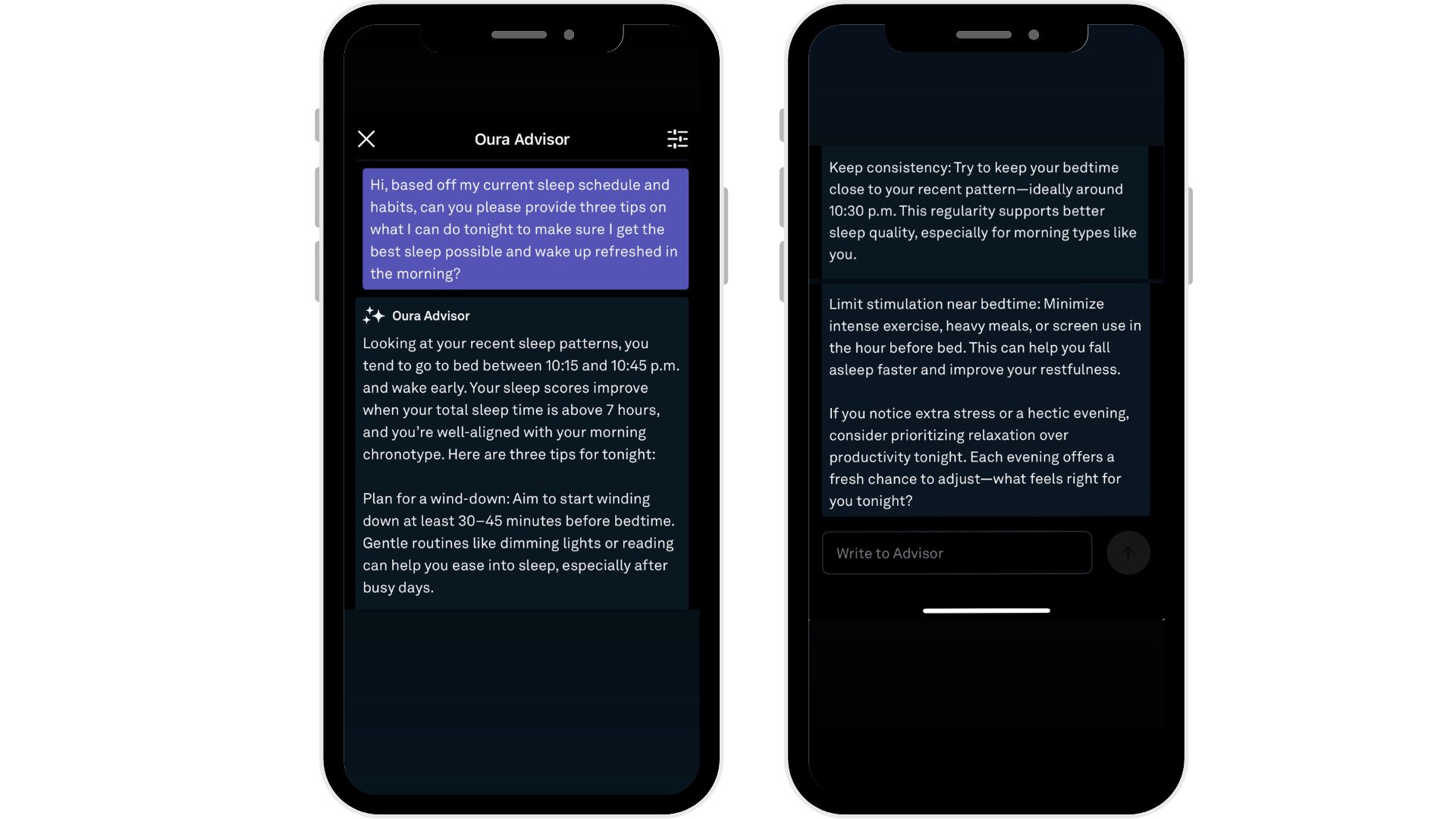
While Apple Health presents you with all this useful data, Oura tells you what to do with it through an AI-driven advisor geared towards improving your rest. The chatbot analyses your sleep report each night and provides personalized sleep tips you can put into action the following night.
(Image credit: Future)
On the other hand, sleep advice in the Apple Health app, while thorough, is less personal. There’s plenty of content to get your teeth stuck into, informing you how to optimize your daytime and nighttime habits for better sleep, explaining what certain sleep metrics mean, and what to do if you have a sleep apnea notification.
But, unlike the Oura Advisor, Apple takes a one-size-fits-all approach. There’s no chatbot analyzing your individual sleep metrics to provide real-time, actionable tips on improving your sleep.
As well as sleep data, the Oura app features a library of 26 sleep sounds that you can play to help you wind down at bedtime and drift off peacefully.
Winner: Oura — the Oura app prioritizes sleep content, while the Apple Health app offers general sleep advice.
Oura vs Apple: Final verdict
Overall, the Apple Watch is a more well-rounded fitness tracker for logging workouts and keeping track of your daytime activities. It’s also perfect if you want a smartphone on your wrist to take calls from and view notifications. But if sleeping better is your priority, Oura is the better wearable for you.
Unless you’re particularly concerned about sleep apnea (in which case Apple’s FDA-approved detection tool would be handy) and just want a sleep tracker to help you stick to a consistent sleep schedule and learn more about your sleep habits and biometrics, you’d get more value with the Oura Ring’s core sleep tracking functionality.
It reliably collects sleep data, presents metrics in a user-friendly app alongside pointers on how to improve your snooze scores, and provides extra sleep features like a calming audio library. It does all this while looking chic and sitting comfortably on your finger.
Wearing a watch to bed? Not for me!
Today’s best sleep tracker deals