
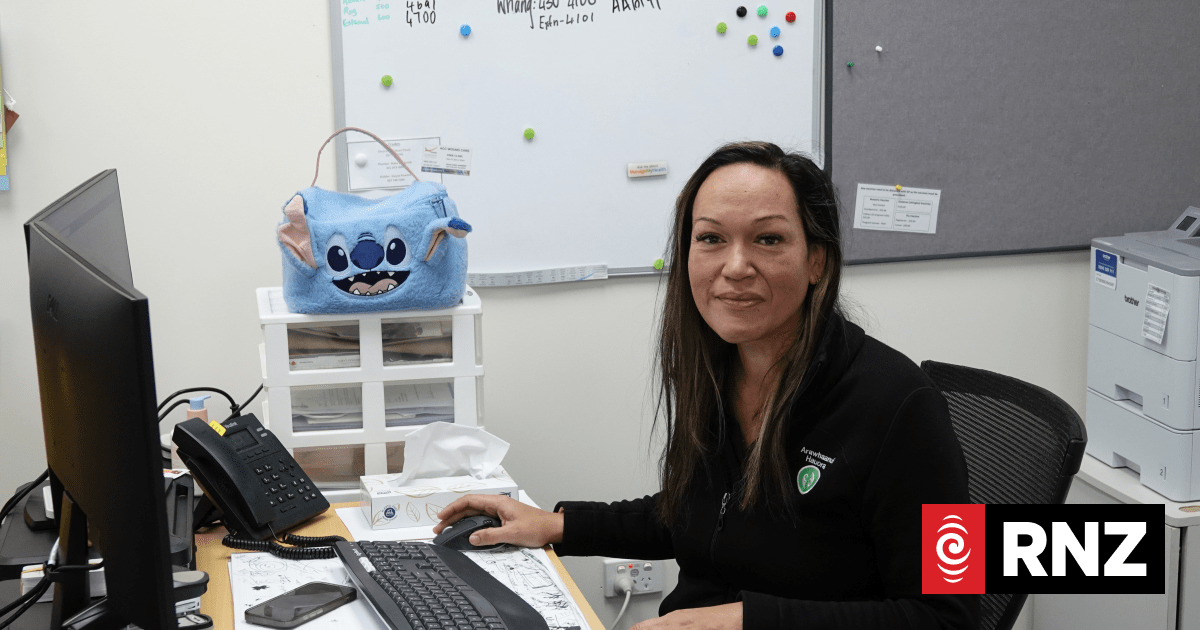

Northland GPs say soaring fuel prices have led to a sharp increase in patients failing to show up for appointments.
Photo: 123rf
Northland GPs say soaring fuel prices have led to a sharp increase – more than 400 percent in one case – in the number of patients failing to show up for appointments because they can’t afford to fill up their cars.
Some doctors worry that will lead to a health crisis as people put off seeking medical help until it is too late.
Since the joint US-Israel war on Iran started on 28 February, petrol prices in New Zealand have increased by a third and diesel has almost doubled.
Those increases came as many New Zealanders were already grappling with a cost-of-living crisis.
Patients heading to Broadway Health in Kaikohe, such as Shanae, a mum of three, told RNZ skyrocketing fuel prices had hit her family hard.
“It’s quite stressful to be honest. As a family of five, sharing one vehicle and one income, the price of petrol has become quite a financial burden,” she said.
“With that added cost, then having to pay for medicine and appointments, it adds up. It’s not cheap, it’s kind of ridiculous, but it is what it is, I guess.”
Shanae said in the past month her family had turned to Ngāpuhi Iwi Social Services for the first time, making use of their “awesome” Whata Kai social supermarket for low-income whānau.
Meanwhile, Max, from Taheke, said he had cut back on driving, and now packed all his appointments, chores and shopping into a single trip.
“It went from a $20 trip into town to $50 now. So we only come into town once a week now, because it’s so expensive.”
Shravika, a caregiver from Ōkaihau, worried about kaumātua and kuia who lived out of town.
“For our elderly, it’s a big problem. They’ve got to [go to] appointments and then go pick up their prescriptions and stuff like that. It’s just too much.”
At Ngāti Hine Health Trust, which operates across Whangārei and the Mid North, the effect of the fuel price hikes was immediate and unmistakeable.
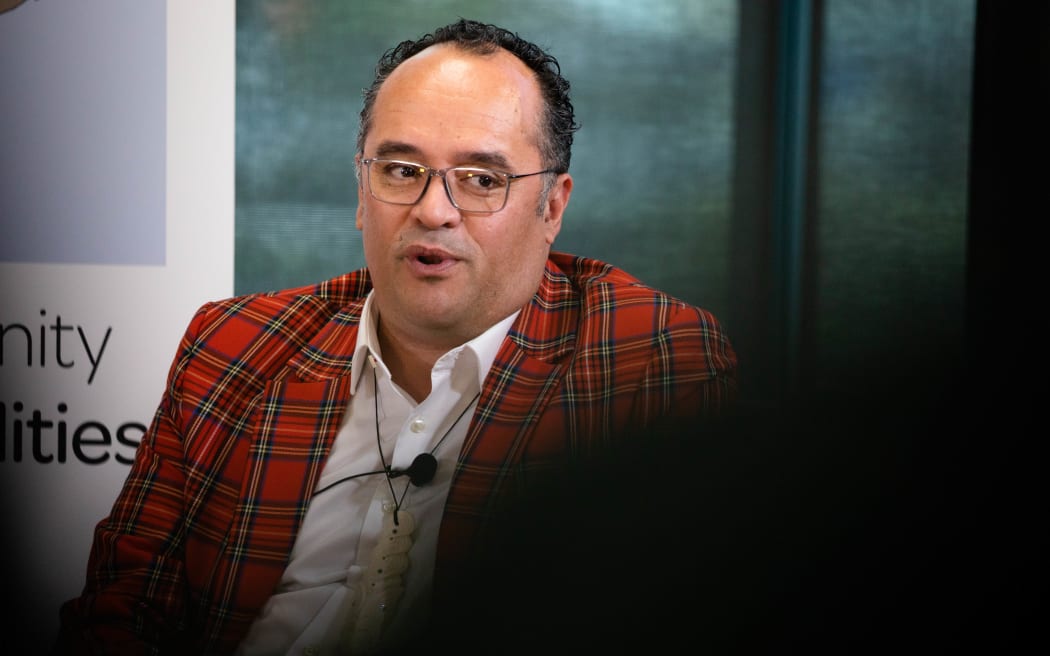
Ngāti Hine Health Trust chief executive Tamati Shepherd-Wipiiti.
Photo: RNZ / Angus Dreaver
Chief executive Tamati Shepherd-Wipiiti said many Northland whānau lived in remote, far-flung areas, where public transport was not available.
“We noticed, about five or six weeks ago, our no-show rates increasing. So we did some investigation as to why, and it’s pretty obvious really. In the north, there’s a long way to drive to get to a medical appointment,” he said.
“So we’ve responded proactively. We identify the whānau we know have to travel a lot. They could be having to come to Whangārei or even Auckland for specialist appointments. And we talk to them and offer our support, including transportation.”
In some cases the trust was also providing fuel vouchers, supplied by Northland’s Primary Health Organisation, and it had expanded its outreach services.
Marae-based clinics
Shepherd-Wipiiti said the trust now offered 12 marae-based clinics a month, so people in Pipiwai, for example, could see a doctor at their local marae instead of having to drive to Whangārei.
Clinics have also increased the number of medications they stocked so patients did not have to make a separate trip to the pharmacy, he said.
“Many of our whānau live right on the bread line so just having to put $10 extra gas in the car to come to a doctor’s appointment, unfortunately, can be beyond their means. Whānau shouldn’t have to sacrifice their health, but they are.”
Shepherd-Wipiiti said he had seen fuel price hikes before, but not on this scale.
“To be fair, this has come on top of a cost-of-living crisis, which was already having an impact. And we’re heading into the winter season so everything’s going up. Food, power, add fuel to that as well as rent increases, and it’s becoming quite unsustainable for many of our whānau,” he said.
“And these are not always whānau who are on benefits. These are working whānau that are actually struggling.”
Broadway Health, which operates clinics in Kaikohe, Kaitāia and Waipapa, has also seen a dramatic increase in patients not turning up for appointments.
Chief executive Jessie Hoskins said 59 patients had missed their appointments since the fuel price increases kicked in.
That compared to 11 in the same period last year, an increase of more than 400 percent.
The true picture was significantly worse because patients were only invoiced as a “did-not-attends” (DNAs) after missing several consultations.
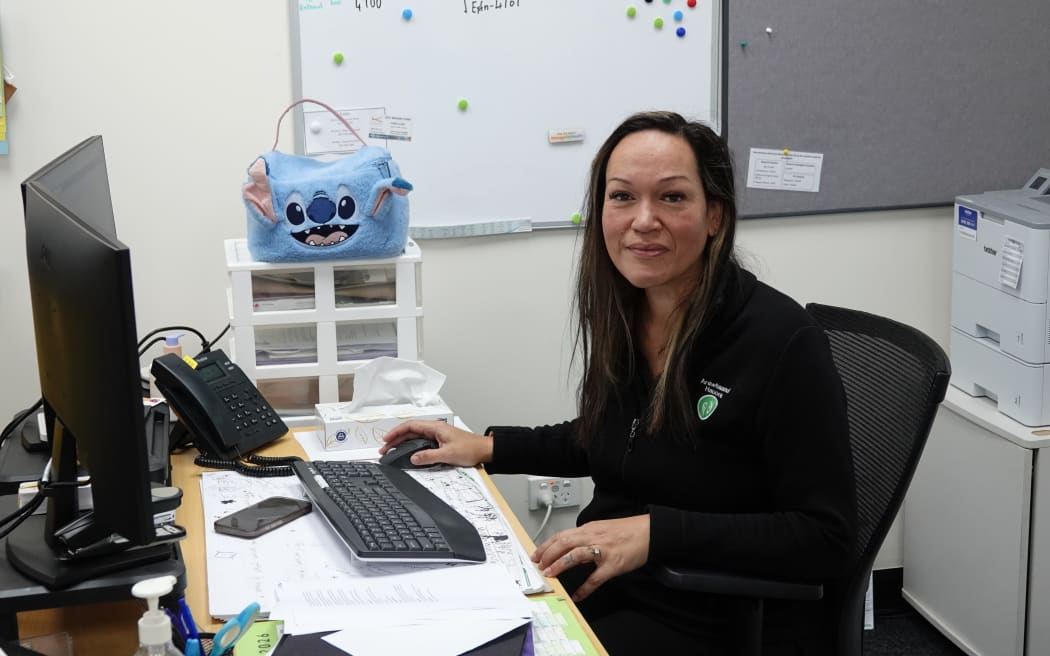
Broadway Health chief executive Jessie Hoskins worries about the long-term effects of patients skipping medical appointments because of high fuel prices.
Photo: RNZ / Peter de Graaf
Rural patients were worst affected, Hoskins said.
“If you live 45 minutes out of town and you have to come in for the doctors, that cost, if we’re talking about an hour 30 minutes of travelling, is substantial. And so they’re just not coming in. It’s really concerning for me.”
As a result people were putting off seeking help until they were so ill they had no choice but to go to the doctor, often after hours.
Hoskins worried that would lead to a health crisis as those problems mounted up and people’s conditions worsened.
Another trend was that people were cutting back the number of trips they made into town, and then trying to do everything at once.
That meant patients would turn up late or wait until they had to pick up children from school, leading to an influx of “walk-ins” after 3pm.
Hoskins said medical centres were reluctant to turn anyone away – especially children – but they did not have the capacity to see so many patients at once.
It also led to delays for patients who had made appointments.
She said it was not just high-needs patients feeling the pain of high fuel prices.
“It’s also families who have financially been okay and have a really robust budget in their home. They can account for food. They can account for all the winter demands like heating. But the sudden increase in fuel prices … it’s hard to budget for something no one forecast at all.”
Hoskins said she did not know what the answers were.
“But socially, as a country, we could really look at what we, and the government, are prioritising at the moment. I think we need to come up with a better resourced system.”
Sign up for Ngā Pitopito Kōrero, a daily newsletter curated by our editors and delivered straight to your inbox every weekday.