
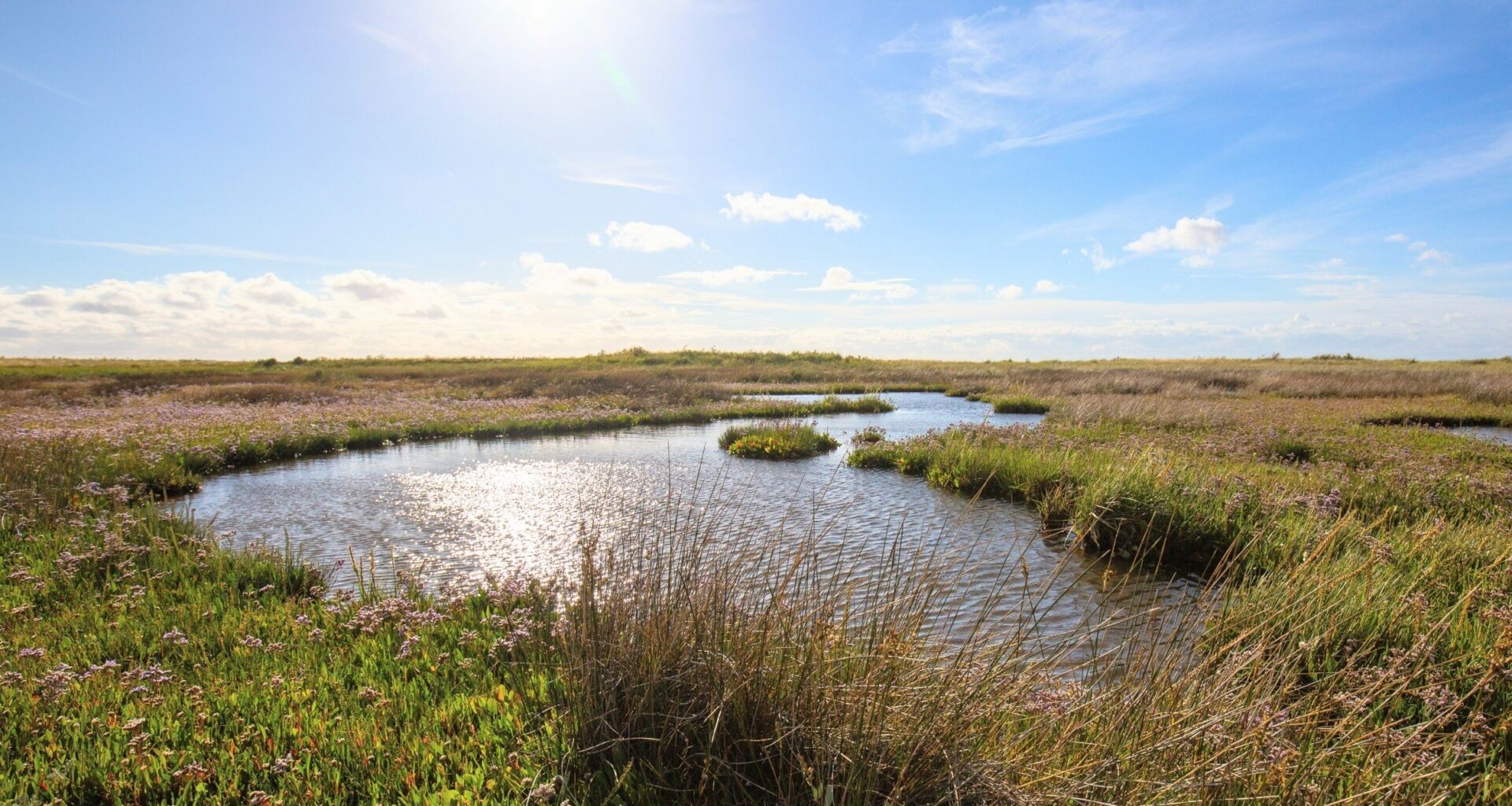
Sea level isn’t constant, even within a single year. Along most shorelines, water sits a bit higher during certain months and lower during others.
This steady seasonal rhythm is driven by temperature changes, wind patterns, and ocean currents. But that rhythm is now changing.

The gap between seasonal highs and lows is widening in many parts of the world, according to a new study – and almost no coastal planning accounts for it.
Seasonal variations with large impacts
Climate scientist Tim Hermans of Utrecht University has been watching that pattern grow.
With colleagues at the University of Antwerp and two Dutch marine institutes, Hermans led an analysis showing the ocean’s seasonal swing is widening in many places.
The cycle is what it sounds like. Water climbs along coasts in certain months and falls in others.
The old news in oceanography, and what’s new is how fast the range is growing.
Most projections of sea-level rise focus on the annual average – that steady creep upward. The team wanted to know what happens when the seasonal swing on top of it is also getting larger.
“These seasonal variations occur on much shorter timescales than average sea-level rise, which means they can have surprisingly large impacts on coastal ecosystems,” said Hermans.
From hours to weeks
The researchers built a mathematical model of coastal flooding to test the effect.
Even modest increases in the seasonal range, they showed, can reshape how often and how long intertidal zones are submerged.
These are the strips of coast that go wet at high tide and dry at low. A patch of mudflat that gets submerged for hours today could spend days underwater under a wider seasonal swing. Days could become weeks.
A separate paper on warming seawater explains why: for every 3.6 °F of upper-ocean warming, seasonal sea-level swings grow by 4 to 10 percent worldwide. Thermal expansion isn’t linear.
That sounds modest on paper. Stretched across months and applied to coastal habitats fine-tuned to a smaller swing, the consequences scale up fast.
Where the tidal range is small
The damage isn’t uniform. According to the model, the worst-affected places are coastlines where the tidal range – the vertical distance between high and low tide – is naturally small.
In the Mediterranean Sea, tides rise and fall only a few inches each day. That means the seasonal sea-level swing is already makes up a meaningful share of the daily tide.
When the cycle widens further, it doesn’t take much to leave a low marsh underwater for weeks – or bone-dry for the same span.
At the wet-dry edge
For the creatures living at the wet-dry edge, the timing of flooding counts as much as its depth.
Mussels, barnacles, seagrasses, and salt marshes are all tuned to a specific wet-dry rhythm.
A recent study on East Coast salt marshes found that some keep pace with rising water by building elevation faster, while others fall behind.
It’s a delicate balancing act, and not one that handles a wider seasonal cycle well.
“Tidal ecosystems operate within very narrow wet–dry limits,” said Gregory Fivash, a coastal ecologist at the University of Antwerp.
The consequences of pushing past those limits, he added, run through productivity, biodiversity, and the system’s resilience.
Animals face new stressors
Stretch the wet and dry phases out, and creatures there face stressors they aren’t built for.
When water stays too high, seabed sediments can run low on oxygen. This puts worms, clams, and the microbes that recycle nutrients at risk.
Long exposure does the opposite. Plants and shellfish can bake and dry out.
A 2020 review of salt marsh dynamics showed how these habitats hold together through sediment buildup and root growth – a balance not built for big timing changes.
Seasonal swings, big impacts
Most coastal planning still treats sea-level rise as a slow-moving average.
Adaptation plans and protection budgets are built around the water level expected in 2050 or 2100. They do not usually account for what the water does during the months in between.
According to the researchers, that has to change.
Even before the long-term creep does its work, they found, the seasonal swing alone can rearrange which habitats survive, migrate inland, or collapse.
Broader implications of the study
Until this study, no model had worked out what a growing seasonal cycle actually does to coastal species and habitats.
Researchers had documented the larger swings in the data. The consequences for coastal life were never spelled out. Now they’re explicit.
Whether a mudflat or salt-marsh meadow can keep functioning through the century depends not only on average sea level, but on how much it rises and falls within each year
For coastal ecologists and managers, that opens a different set of questions including which sites to protect, which species to monitor, and where to expect surprise losses.
The slow creep upward still counts. The cycle riding on top just joined the list.
The study is published in the journal Nature Climate Change.
—–
Like what you read? Subscribe to our newsletter for engaging articles, exclusive content, and the latest updates.
Check us out on EarthSnap, a free app brought to you by Eric Ralls and Earth.com.
—–