

Listen to this article
Estimated 3 minutes
The audio version of this article is generated by AI-based technology. Mispronunciations can occur. We are working with our partners to continually review and improve the results.
P.E.I.’s mobile mental health service has seen a sharp rise in demand over the past two years, but its manager says the team is still keeping pace.
Carolyn Taylor, a clinical social worker who has managed the province’s mobile mental health program for about six months, said calls to the service grew by about 50 per cent between 2023 and 2025.
“2025 received 11,000 calls, and the mobile visits increased as well, so they increased over that same period about 30 per cent,” Taylor told Island Morning host Mitch Cormier on Friday.
Despite rising demand, Taylor said current staffing levels are meeting the need.
“We feel like we’re at a good level,” she said. “If we are finding that our staff are pushed to the limit, then… we’ll look to broaden the complement of staff.”
The increase comes as the province prepares to take on more of the program’s costs.
Last month, P.E.I. Health Minister Cory Deagle said Health Canada will not renew more than $29 million in several funding agreements with the province.
That includes $2.6 million for mobile mental health units and student well-being teams, with the funding set to end March 31, 2027. Deagle said the province will assume those costs.
Despite that announcement, Taylor said it has not changed day-to-day operations.
“So really we’re … business as usual, moving forward.”
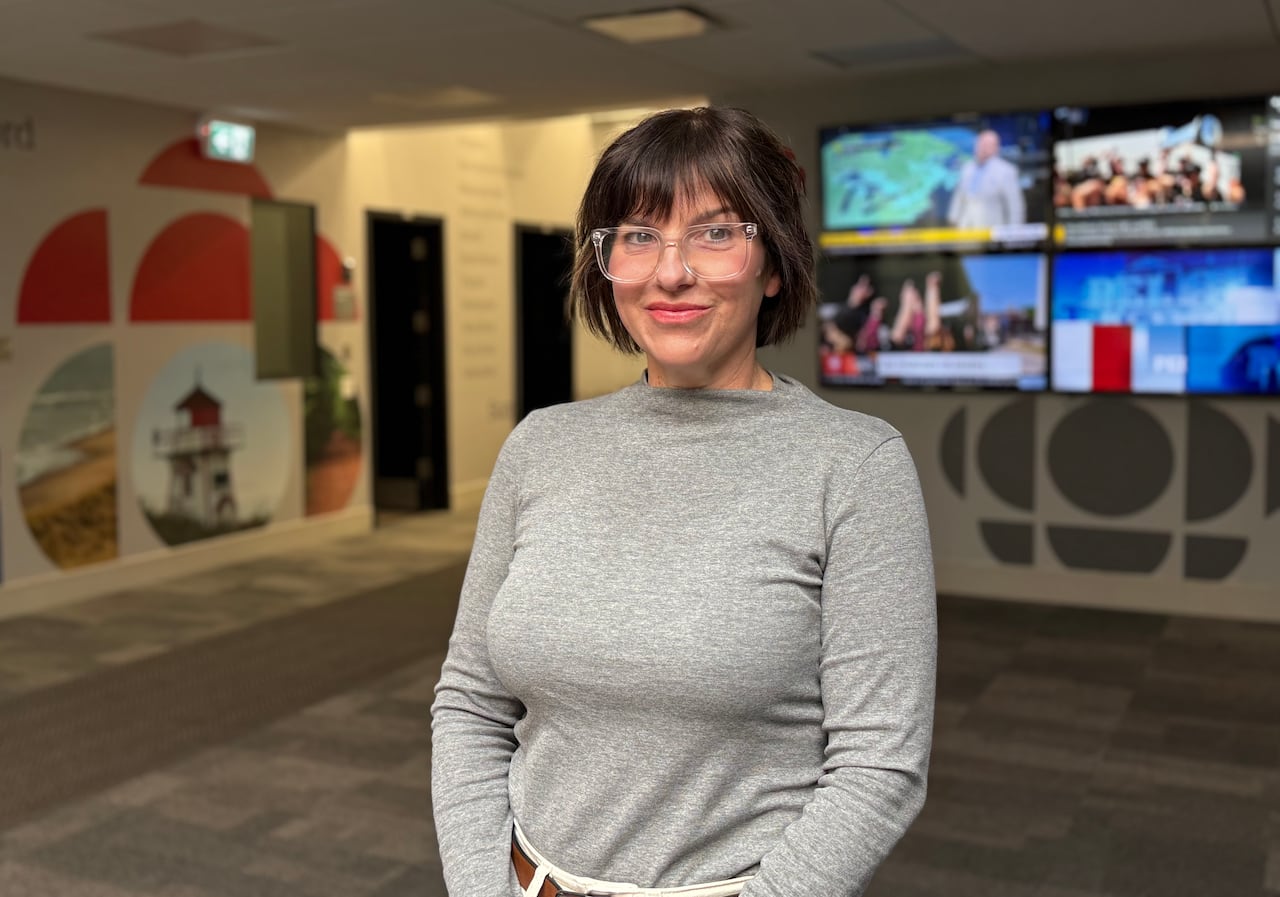 Taylor says staffing levels are OK for now and the team can manage the workload, though they may look to recruit more people in case call volumes keep rising. (Thinh Nguyen/CBC)
Taylor manages a team of about 30 staff. She said the program relies on close coordination with 911 operators, police, EMS and community organizations.
Most calls are what she describes as “moderate-acuity.” In those cases, the team aims for a low-key, two-person response: a clinician — such as a social worker or nurse — and a mental health paramedic.
She said the goal is to offer the “least amount of intrusion” possible.
“For the most part people do not want… lights and sirens,” she said. “We want the client to have autonomy over their health care and mental health care.”
However, the response depends on each situation, with staff assessing whether a more intensive intervention is needed.
“There’s certainly a clinical assessment that comes from our team, our professionals. They are well used to looking for and listening for signs that things might be a little more escalated and need more of a response than just our team of two,” Taylor said.