

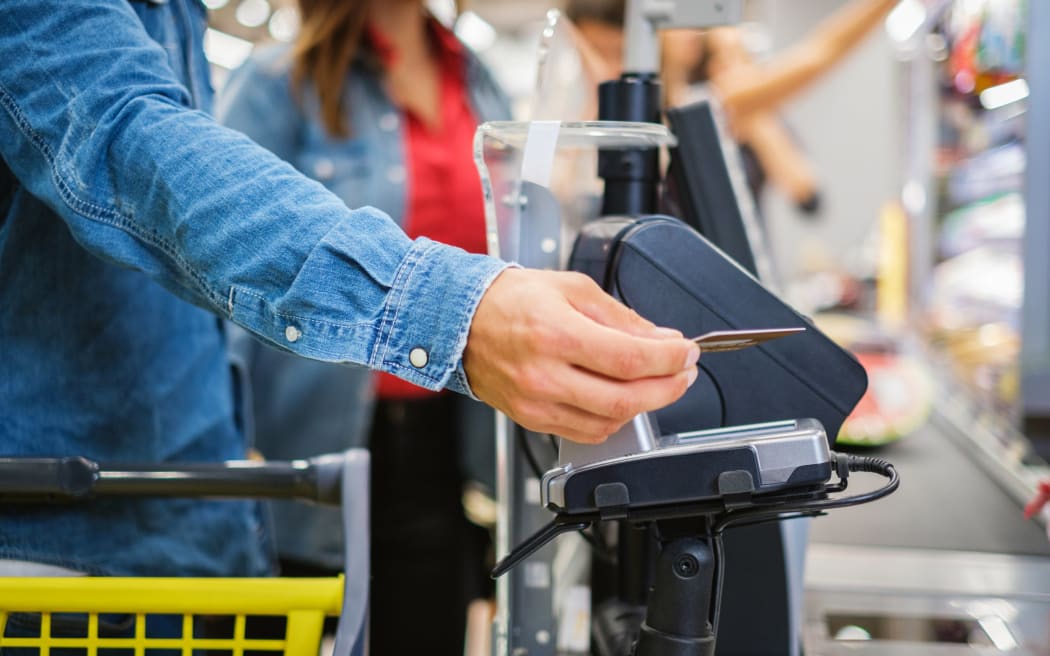
Figures showed there was also growth in furniture and hardware spending.
Photo: 123rf
The latest retail figures show a rise in spending across the sector wasn’t shared by all retailers.
Retail NZ chief executive Carolyn Young said retail figures for the first three months of the year show, overall, retail spend was up six percent compared to the same time last year.
In a “strong standout” quarter for electrical retailers, spend was up 14.4 percent for the quarter, she said.
“We continue to see really strong results in electrical and that includes all of the technology side of things and we know that that’s been a strong area of sales for the last 12 to 18 months, and it continues to thrive.”
There was also growth in furniture and hardware, which she said showed New Zealanders were thinking about investing in their homes again.
The StatsNZ data covered the period of post-Christmas sales from January 1, through to March 31, when the Middle East crisis had begun.
Young said the figures showed some positive sales “even with some of those really tricky conditions”.
However, the growth wasn’t felt across all parts of the sector, and it had been a tough start to the year for clothing retailers, where sales volumes dropped nearly eight percent, she said.
The figures showed shoppers got fewer groceries for their money, compared to the same period in 2025. Consumers spent 4.1 percent more on groceries from January to March this year, compared to 2025, but the amount of groceries they bought stayed the same.
Inflation, not price gouging, drove the rising costs, she said.
“We know that inflation has been high during this period, and there’ll be some seasonality to some produce…So people haven’t been out buying more produce, but they’ve been spending slightly more on the same products.”
She said Retail NZ had also heard that a number of consumers had switched to supermarkets’ homebrands.
The overall growth in retail wasn’t felt evenly across the country.
Retail spend grew 5.6 percent in Wellington, and 5.8 percent in Auckland during the first quarter, while in the same period, the increase in spend in Otago was more than double that, at 12.3 percent.
An increase in international tourists, along with the strength of the farming sector, explained a large part of why Otago was up so high, she said.
The figures, based on StatsNZ data, showed retailers have not yet passed on to consumers the increased freight costs they were absorbing, which was squeezing their margins, Ms Young said.
Sign up for Ngā Pitopito Kōrero, a daily newsletter curated by our editors and delivered straight to your inbox every weekday.