
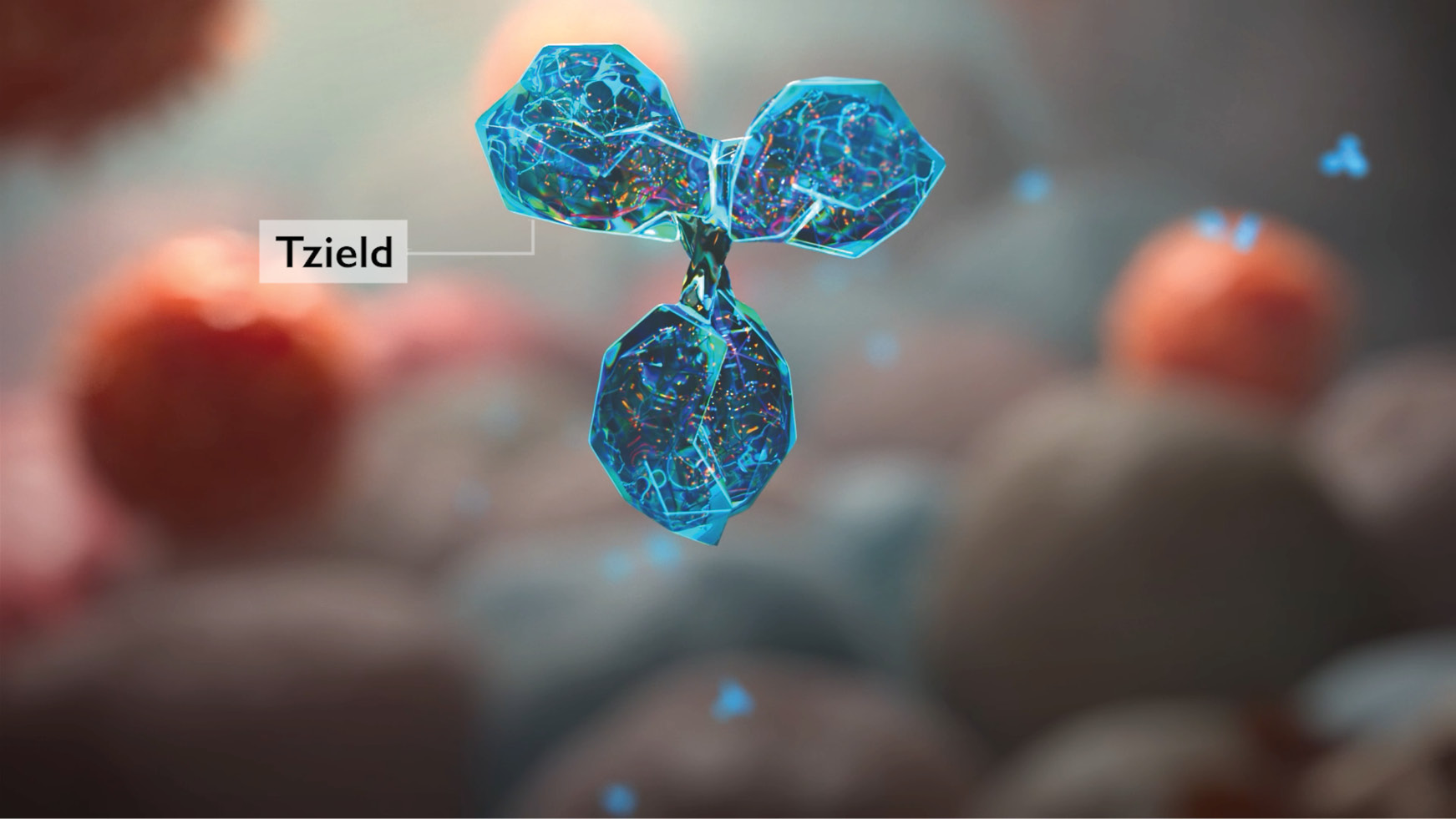
THE Therapeutic Goods Administration has approved the biologic therapy Tzield (teplizumab, Sanofi), the first non-insulin therapy for type 1 diabetes and the first medicine of any sort to delay the onset of the clinical stage of the condition. The CD3-directed monoclonal antibody preserves beta cell function by targeting the immune…
Checking your subscription…
Subscribe to Continue
You”ve reached a subscriber-only article.
Subscribe free to Pharmacy Daily for unlimited access to all articles, plus our regular newsletter and breaking news bulletins delivered to your inbox.
Subscribe for Free
Already subscribed? Sign in here
THE Therapeutic Goods Administration has approved the biologic therapy Tzield (teplizumab, Sanofi), the first non-insulin therapy for type 1 diabetes and the first medicine of any sort to delay the onset of the clinical stage of the condition.
The CD3-directed monoclonal antibody preserves beta cell function by targeting the immune system’s T-cells to counter their attack on the pancreas’ insulin-producing beta cells, delaying the need for insulin treatment by around two years.
Already approved in many other jurisdictions, including the European Union, UK, US, China, Canada and Russia, its registration marks the biggest treatment development in Australia since the discovery of insulin more than 100 years ago.
Patients older than eight years with a confirmed diagnosis of Stage 2 type 1 diabetes – where blood glucose levels have started to be affected but patients are asymptomatic – are eligible to be treated with Tzield.
Sanofi has applied for PBS listing, but in the meantime, the treatment – which has a list price in the US of around US$200,000 – is available for free on compassionate grounds.
Medical experts and advocates are now calling on the Federal Government to introduce a screening program to identify people with early-stage pre-symptomatic type 1 diabetes. KB
