
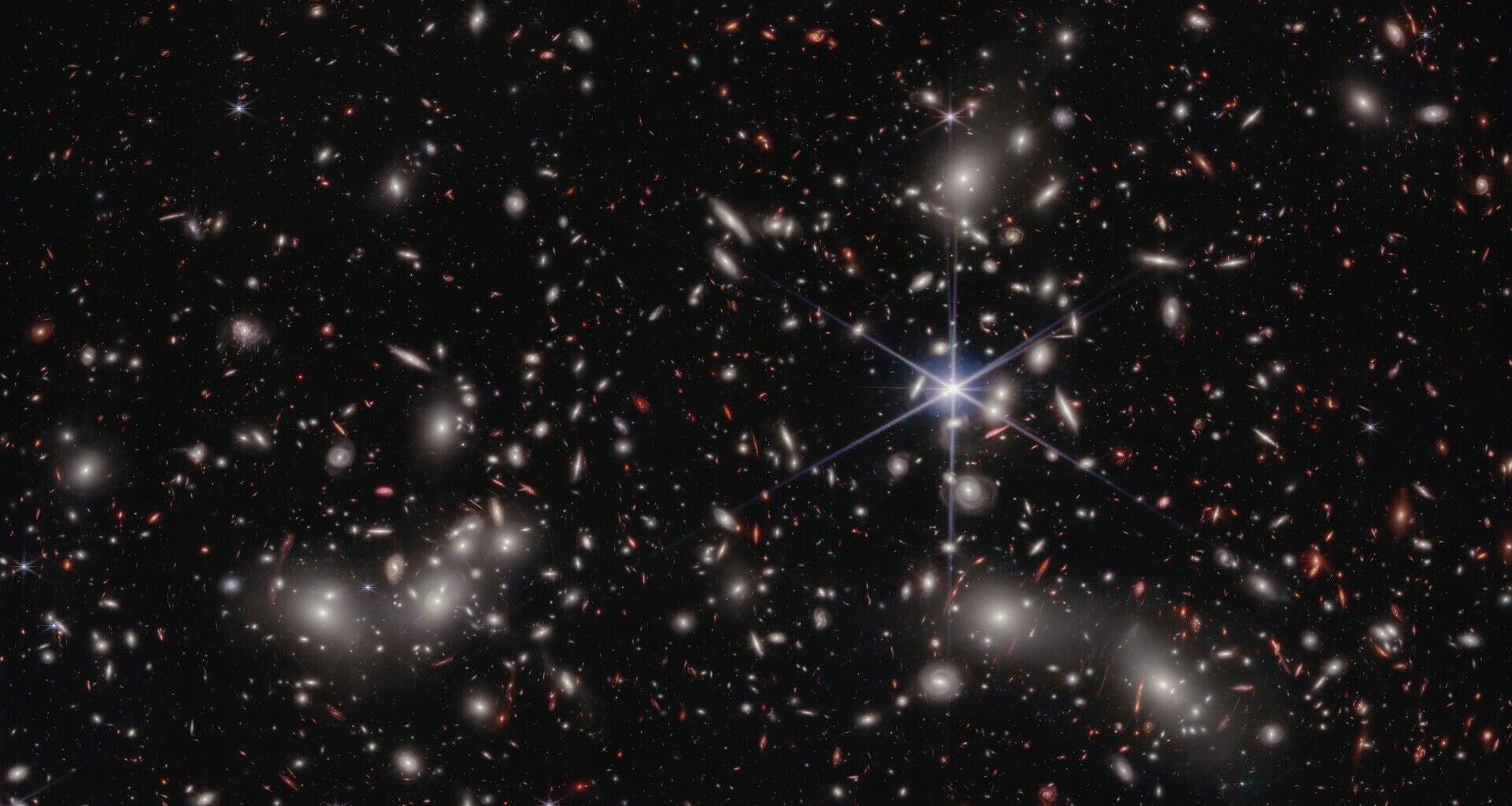
Astronomers have found the most extreme example yet of a black hole outweighing its own galaxy, and it may be hiding clues to how the supermassive black holes seen today formed in the early universe.
In a new study, astronomers directly measured the mass of a black hole sitting in a “little red dot” seen when the universe was just 700 million years old. The results suggest that the black hole is much too massive for its host galaxy — meaning it may have formed before the galaxy itself had a chance to develop.
You may like
When the “stars” aligned
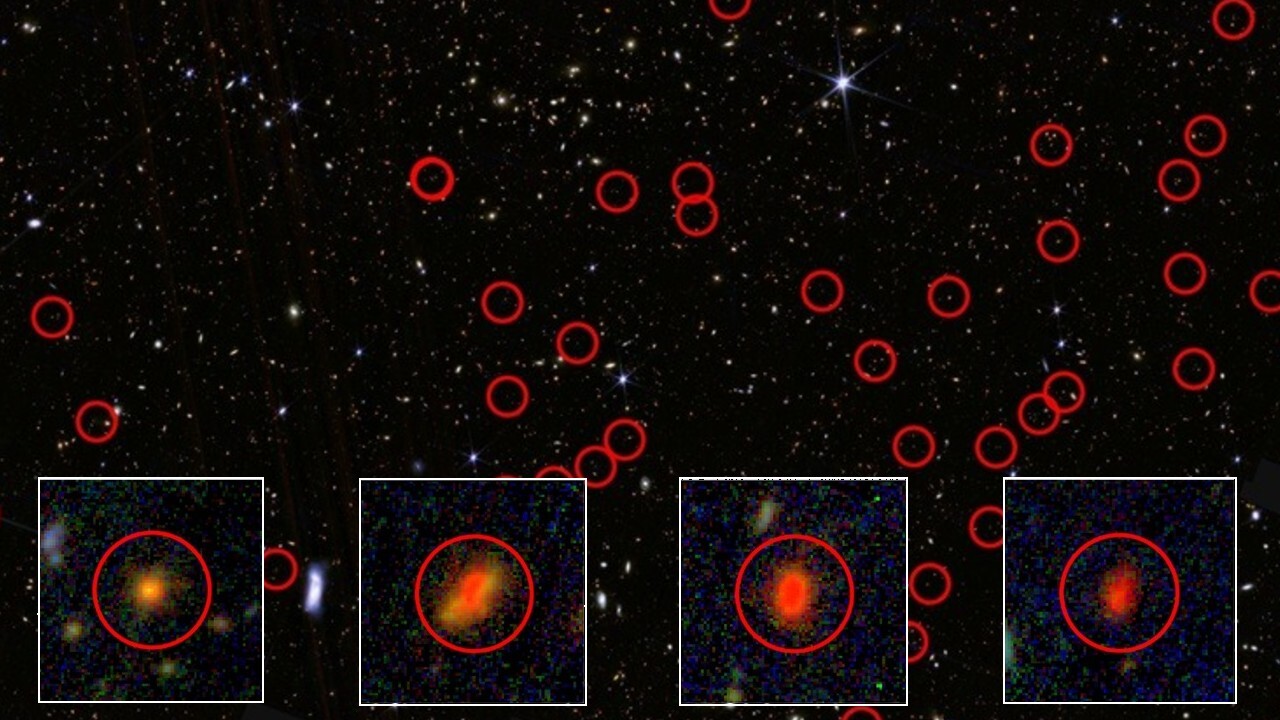
The James Webb Space Telescope has detected dozens of peculiar ‘little red dots’ in the early universe. The new study hints that some of them may be ancient black holes that took shape even before galaxies formed around them.
(Image credit: Bangzheng “Tom” Sun)
What to read next
Not too exotic
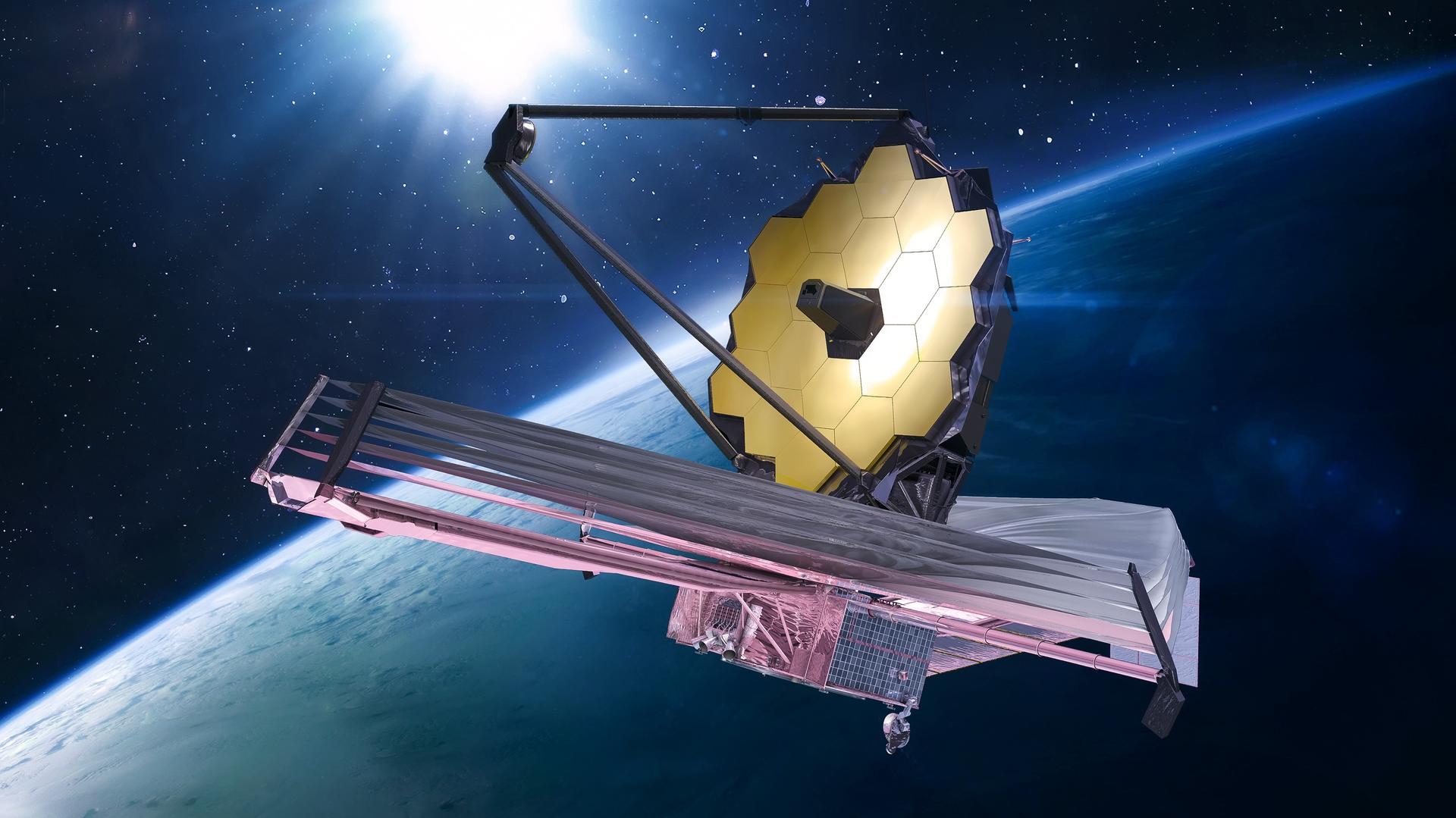
The James Webb Space Telescope’s infrared instruments can see farther and fainter light sources than any observatory in history.
(Image credit: NASA)
“Naked” black hole
TOPICS