

The new season of Love Island USA hasn’t started yet, and producers are already asking viewers not to harass contestants once the villa chaos begins.
Ahead of season 8’s June 2 premiere, the official Love Island USA accounts posted a statement reminding fans to ‘keep it kind’ and remember the Islanders are real people deserving of respect on social media. That message wasn’t random. The show knows exactly what happens every summer once audiences start attaching themselves emotionally to couples, breakups, betrayals, and villa arguments.
At this point, watching Love Island USA almost feels secondary to watching everyone react to it online afterward.
Last Season Turned into Total Internet Chaos
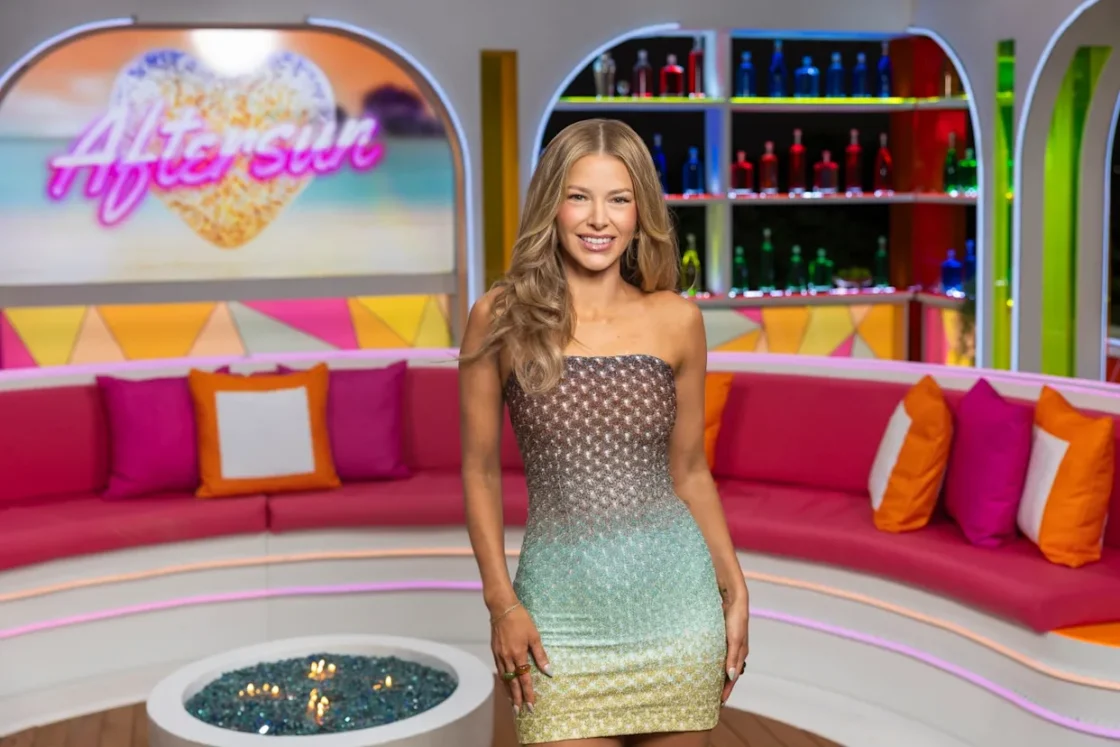 (Peacock)
Season 7 became one of Peacock’s biggest reality hits, but the online reaction surrounding each episode spiraled constantly.
Contestants dealt with harassment, racist comments, conspiracy theories, obsessive fan behavior, and viewers acting like Islanders personally ruined their lives because of one bad conversation during an episode. Some contestants became fan favorites overnight while others got treated like villains before the season even finished airing.
And once social media decides somebody is the problem inside the villa, things move fast.
TikTok clips started circulating without context. Instagram comments become brutal. Reddit threads dissect facial expressions like courtroom evidence. Suddenly a contestant who spent three weeks flirting badly on television is trending nationwide because viewers turned relationship drama into a full character trial.
That environment clearly pushed producers toward addressing things before season 8 even starts.
Love Island USA Became Much Bigger Than Peacock Expected
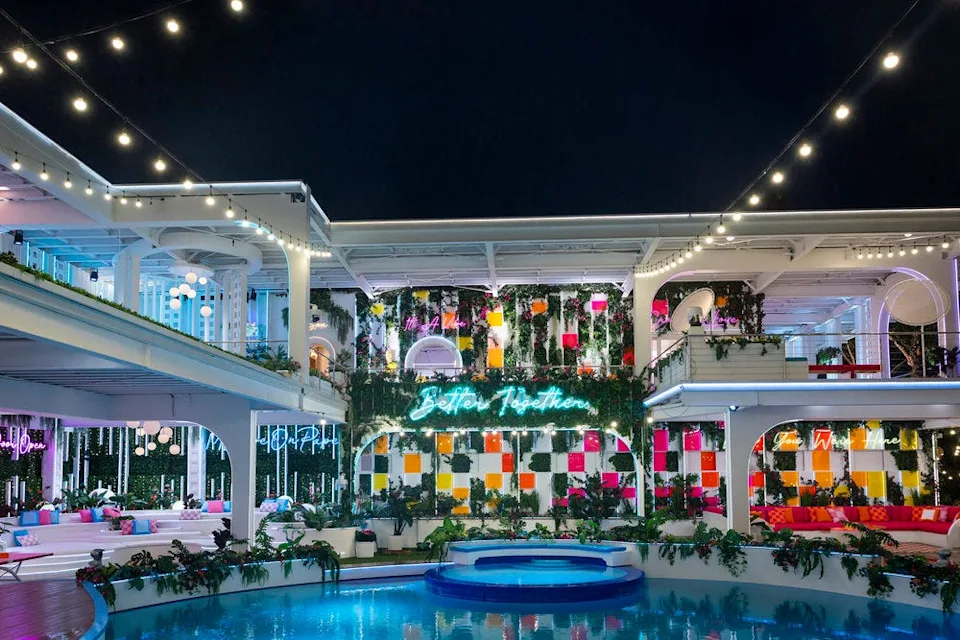 (Peacock)
A few years ago, the show mostly existed as a summer dating series people watched casually while scrolling their phones. Now – it dominates social media nightly while episodes roll in the background.
The faster release schedule changed everything. Because episodes arrive constantly, audiences don’t really ‘catch up’ with the show later anymore. They experience every breakup, recoupling, betrayal, and argument together in real time while reacting online simultaneously.
That turns contestants into internet celebrities in a heartbeat. One emotional speech or messy confrontation can completely change how millions of people view somebody within hours.
Social Media is Part of the Show Now
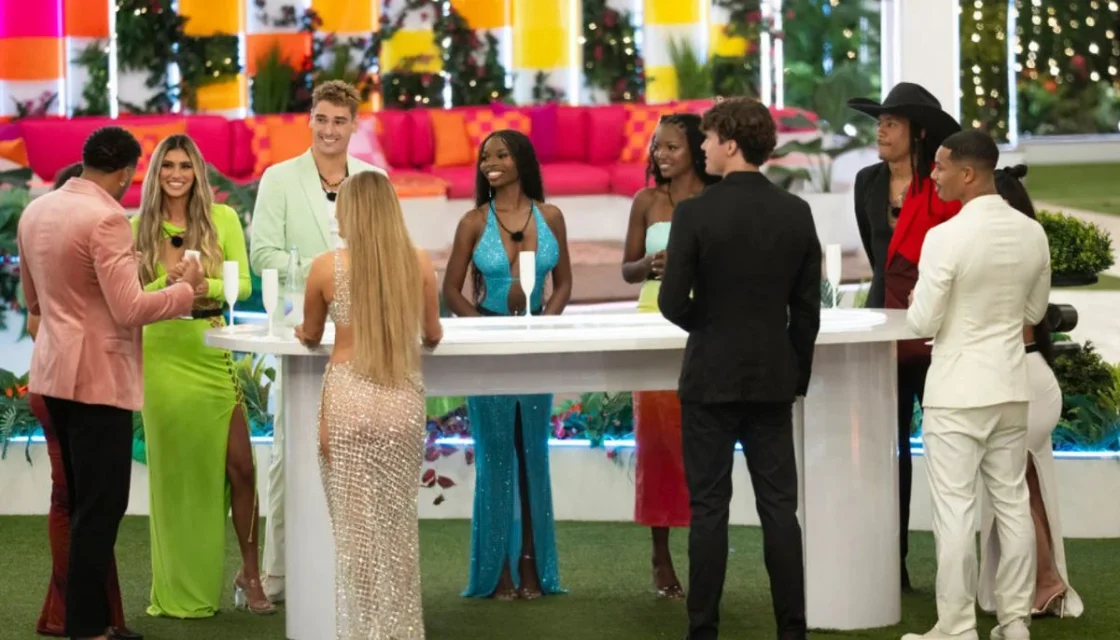 (Peacock)
That’s probably the strangest part of modern reality.
The actual episodes only tell half the story. The rest unfolds online through TikTok edits, fan theories, Instagram comments, reaction podcasts, and viewers building entire narratives around contestants while the season is still airing.
People pick sides.
One Islander becomes ‘protected at all costs’ while another gets buried under nonstop criticism because audiences decided they handled a challenge badly or flirted with the wrong person. And because fans spend weekly emotionally invested in these couples daily, reactions become much more intense than producers probably intended originally.
The villa drama doesn’t stay inside the villa anymore.
Ariana Madix is Returning During a Different Era of the Franchise
Season 8 marks Ariana Madix’s third season hosting the Peacock version of the series.
Her arrival helped push the franchise further into mainstream pop culture after the Vanderpump Rules cheating scandal turned her into one of reality TV’s most publicly supported figures for a while. Since then, Love Island USA stopped feeling like background reality programming.
Now the show creates daily headlines, memes, celeb commentary, viral arguments, and nonstop internet analysis while episodes are still streaming. Contestants walk into the villa knowing their lives could completely change within days depending on how viewers react to them online.
The Show Wants Obsession Without the Fallout
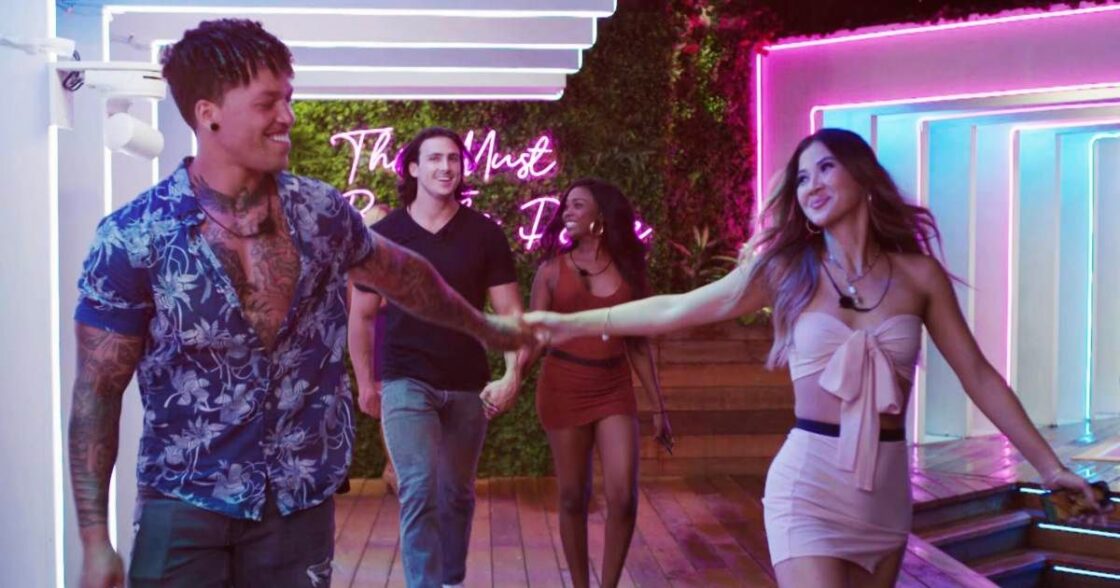 (Peacock)
Love Island USA depends on viewers caring enough to vote, post clips, debate couples, and spend hours discussing Islanders online. But once audiences become too emotionally attached, the line between entertainment and harassment disappears quickly.
And unlike reality stars fifteen years ago, contestants now leave the villa directly into millions of opinions waiting for them. That’s probably why this warning landed with more impact than standard network PR language.