
Caitlin* was a normal, healthy 40-year-old. Then one day she developed a severe, persistent headache. After three days of taking over-the-counter pain meds with no relief, she decided it was time to go to the emergency room. During her exam, she struggled to find words while speaking to the doctor about her headache. Then she lost consciousness and started to have a seizure.
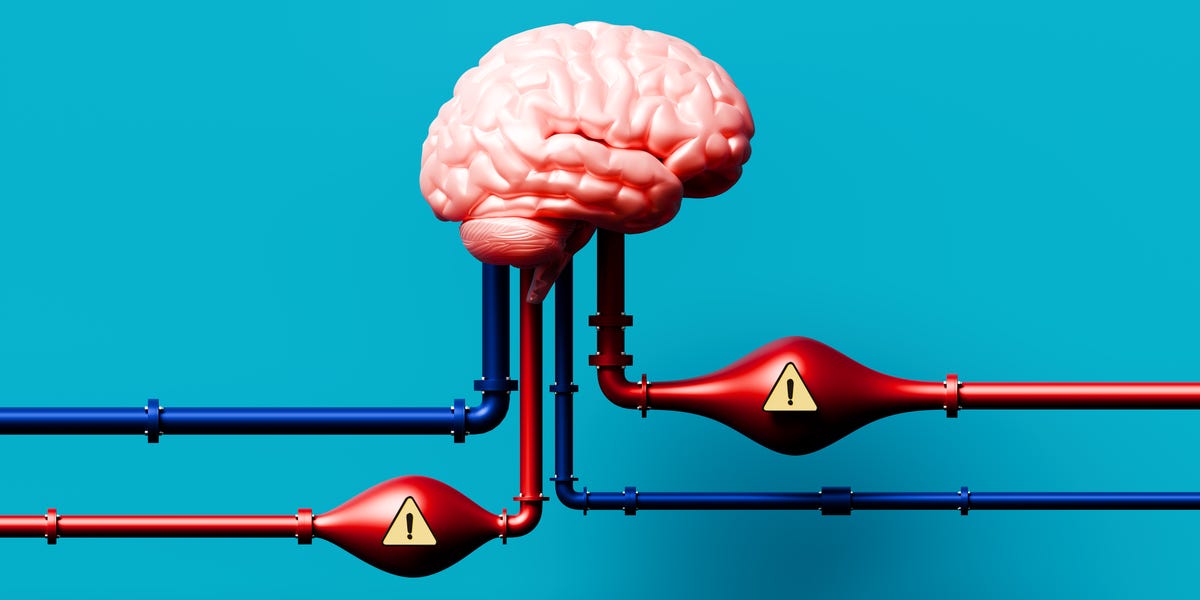
Testing revealed Caitlin had a stroke due to a cerebral venous sinus thrombosis (CVST), a rare condition in which the blood flow out of the brain gets blocked. She was hospitalized and placed on blood thinners to reopen the blockage. Her medical team determined that the stroke was caused by a blood-clotting disorder, which was associated with her decades-long use of oral contraceptives.
Caitlin is one of over 795,000 people in the United States who experience a stroke every year. It’s a leading cause of long-term disability and death, and it’s easy to understand why: Our brains rely on a constant flow of oxygen-rich blood to function at their best. A stroke happens when that flow is interrupted, either by a clot or narrowed artery (ischemic stroke) or from a ruptured blood vessel (hemorrhagic stroke).
Stroke can happen to anyone, not just older adults, and it affects both men and women. Certain communities are particularly at risk: For example, African American adults, particularly Black women, have a higher incidence of stroke and are more likely to experience stroke at younger ages compared with white adults. But the encouraging news is that up to 80 percent of strokes can be prevented through lifestyle habits and careful management of medical conditions such as high blood pressure, diabetes, and elevated cholesterol. And as Caitlin’s experience shows, listening to your body and taking quick action can make a huge difference in the moment, too.
May is National Stroke Awareness Month, but protecting your health matters all year round. Since women account for 47 percent of all stroke cases each year and make up 57 percent of deaths from stroke, this is an important opportunity for us to learn how to recognize symptoms, understand our unique risk factors, and take steps to prevent future strokes. Here’s what every woman needs to know.
1. Strokes are more common than you’d expect in women.
You might find this surprising, but about one in five women between the ages of 55 and 75 will experience a stroke during their lifetime. Because women tend to live longer and have unique stroke risk factors (more on those ahead), stroke awareness and prevention are especially important throughout every stage of a woman’s life.
2. Women have unique stroke risk factors.
The traditional causes of stroke that can affect anyone include high blood pressure, diabetes, high cholesterol, heart disease, and smoking. But women have unique risk factors that deserve attention (and awareness). They include:
Hormonal Changes
Hormonal fluctuations during pregnancy, childbirth, and menopause can influence a woman’s stroke risk. For example, pregnancy places extra stress on the body, and certain complications like preeclampsia (sudden high blood pressure during pregnancy) can increase the risk of stroke in certain women. Although rare, data shows that the risk of stroke is three times higher in pregnant and postpartum women compared with women of the same age who aren’t pregnant. That’s why it’s important to discuss your stroke risk factors with your doctor during this time.
Then after menopause, the drop in estrogen levels affects women’s cholesterol levels and blood pressure. Both issues increase the risk of stroke for postmenopausal women.
Oral Contraceptive or Hormone Therapy (HT) Usage
Oral contraception and HT are both very effective and safe. But in some individuals, certain formulations of oral contraception and HT can increase the risk of blood clotting, which can lead to a stroke. The risk is higher in women who smoke or who have other health conditions. If you’re on one of these medications (or are considering them), talk to your doctor to better understand your unique risk of stroke and, if necessary, adjust your treatment plans.
Migraine with Aura
Migraine with aura, which predominantly affects women, causes transient neurological symptoms either before or during a headache, like visual distortions (flashing lights, zigzag lines, blind spots), numbness or tingling, speech difficulties, and/or weakness. People who have migraine with aura have double the risk of ischemic stroke compared with people who don’t. But the absolute risk (as in, the overall odds you will have one) is low for most individuals, and it can be managed by addressing other lifestyle factors that contribute to stroke.
Autoimmune Diseases
Certain autoimmune diseases like lupus and rheumatoid arthritis are more common in women and can increase the risk of stroke. These conditions can affect the blood vessels, causing inflammation and blood clots. Just because you have an autoimmune diagnosis does not mean you will definitely have a stroke. Instead, think of it as an opportunity to understand your personal risk and take proactive steps to stay healthy.
3. You can effectively manage these risks with your doctor.
Just because you have a particular health condition or risk factor doesn’t mean that you will have a stroke. Knowing you may have a higher chance of developing a stroke provides an opportunity to work with your doctor to modify your lifestyle, perhaps start a new medication, and take charge of your health.
If you’re concerned, here are some questions you can ask your doctor:
What are my individual stroke risk factors?Do I have any risk factors like high blood pressure, migraine with aura, smoking, or family history that could affect my treatment options?Should we be monitoring things like blood pressure, cholesterol levels, and inflammatory blood markers more closely?Does this type of medication affect my stroke risk? Are there options that might be safer for me?Are there lifestyle changes that could help me?What are the symptoms that should prompt me to seek immediate medical care?4. Lifestyle changes make a difference.
The encouraging news is that many stroke risk factors can be controlled with small but meaningful lifestyle changes. Managing conditions such as high blood pressure, diabetes, and elevated cholesterol—along with regular exercise, a healthy diet, quality sleep, reducing stress, avoiding smoking, and limiting alcohol—supports long-term brain and heart health and can significantly lower your odds of getting a stroke.
5. Acting quickly can save a life…and someone’s brain.
I know that learning about stroke can feel scary or intimidating. But it is important to realize that many people who experience a stroke make strong recoveries and return to their daily lives. In fact, you may already know someone who had a stroke without even realizing it.
When it comes to strokes, every minute counts. Recognizing the signs early and seeking immediate medical attention can significantly improve the chances of a good outcome. The acronym BEFAST is a helpful way to remember what to look for:
Balance: Sudden loss of balance or coordination
Eyes: Blurred vision or loss of vision in one or both eyes
Face: One side of the face becomes droopy or numb
Arms: Sudden weakness or numbness in one arm
Speech: Difficulty speaking or slurred speech
Time: It’s time to call 911 if you notice any of these symptoms!
*Last name has been removed for privacy reasons.
Member Exclusive: Read Our Trending Wellness Stories