
Photo: VNP/Phil Smith
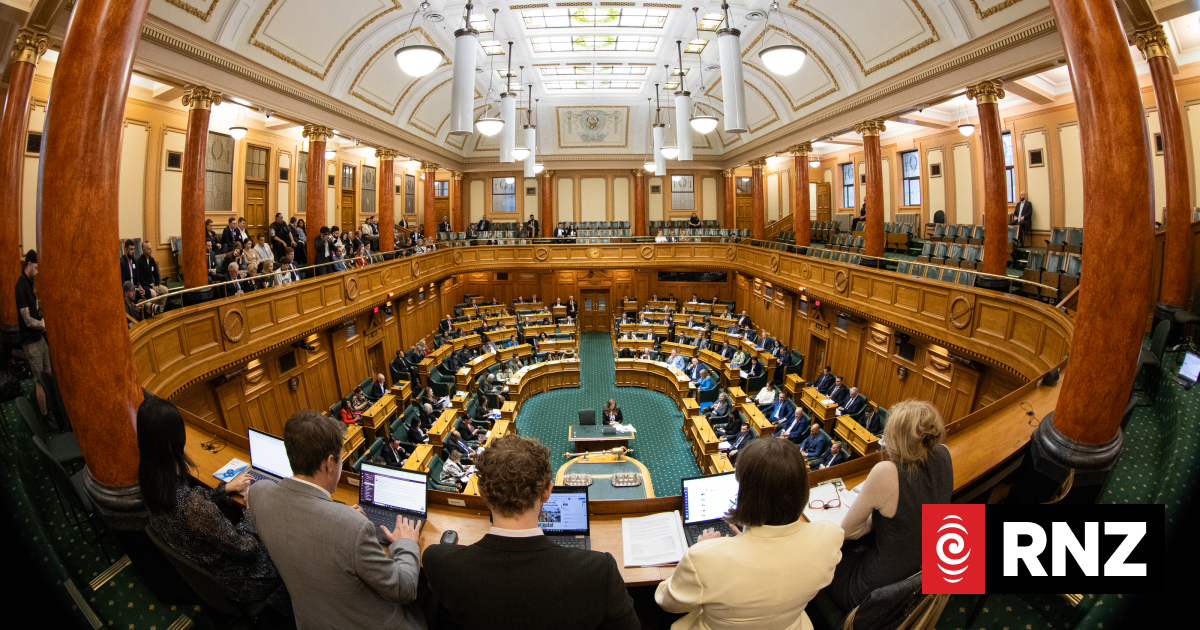
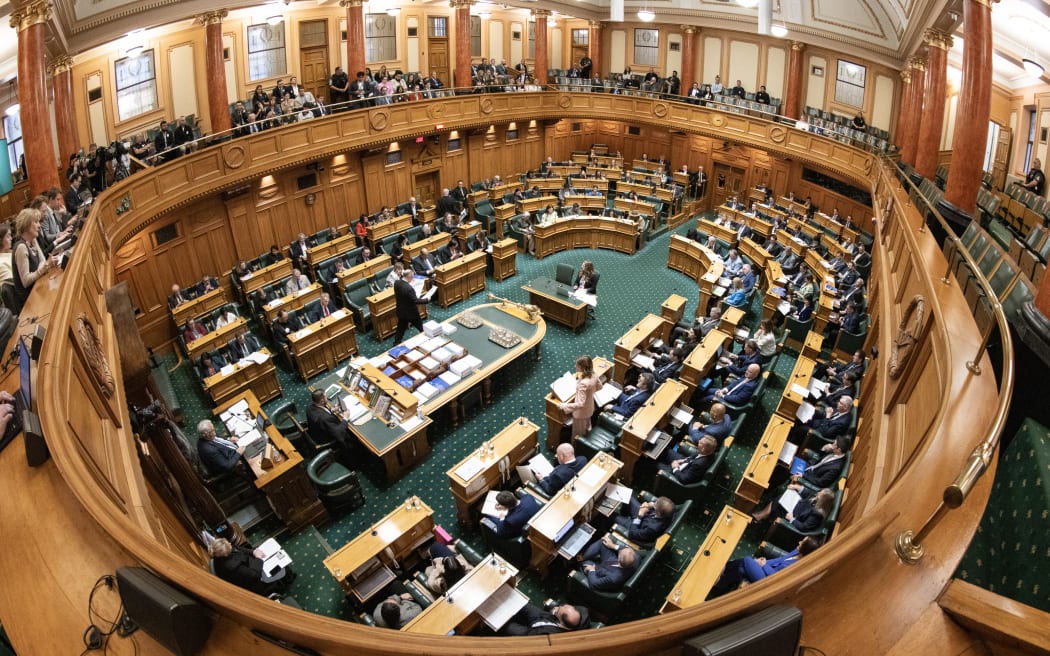
The stage was set for one of Parliament’s larger annual set-piece events. Almost every MP was present.
The Press Gallery area (left) was sparsely populated with reporters, photographers and videographers – most of the press gallery journalists had spent three hours in the pre-budget lock-up with the documents and were at their desks trying to weave a deluge of data and messaging into stories.
The public galleries were unusually quiet.
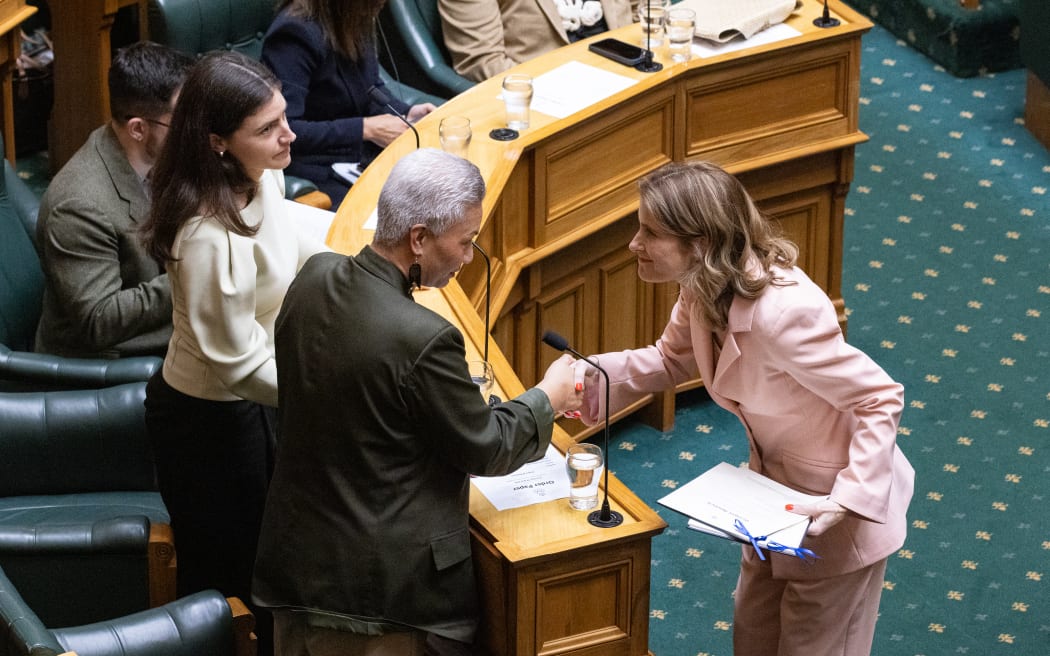
Photo: VNP/Phil Smith
Even the pre-budget delivery of copies of the Budget Speech has politics. Delivering a copy to the Green Party’s co-leaders Willis bows especially deeply. When she arrives at Winston Peter’s seat, he stays seated-to the amusement of those in his own party.
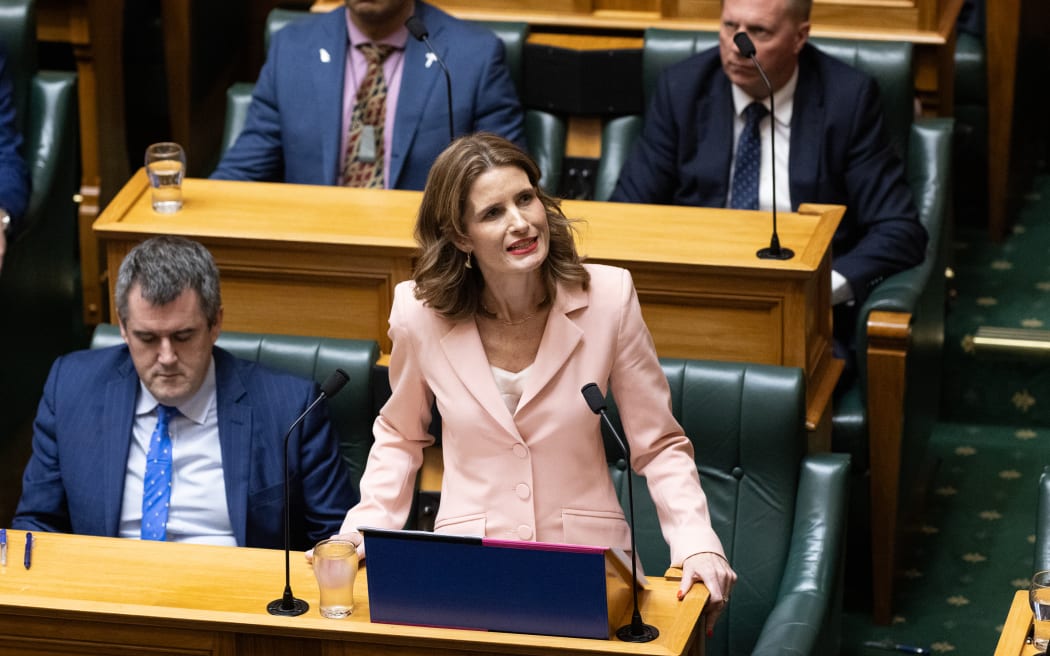
Photo: VNP/Phil Smith
Willis delivers her speech. Budget speeches are not an easy listen. They tend to be an endless whirl of numbers carefully chosen from the multitude to support a series of political messages. It takes a feat of concentration to stay focused for a forty-one minute speech.
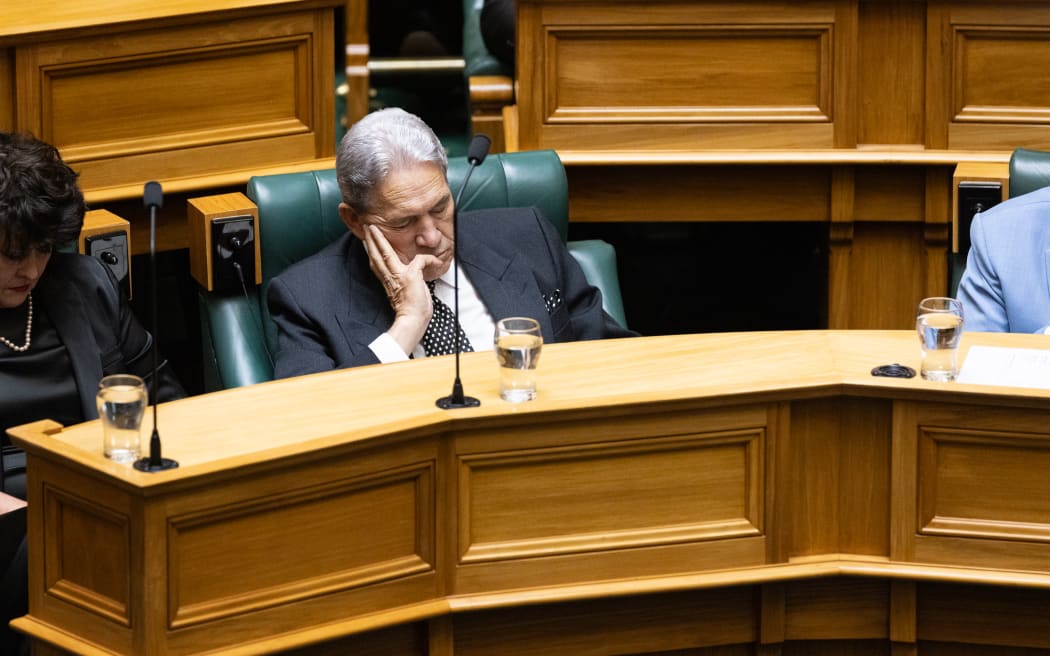
Photo: VNP/Phil Smith
Governing side MPs that aren’t on camera (being behind the Finance Minister), tend to assume a comfortable ‘listening’ pose.
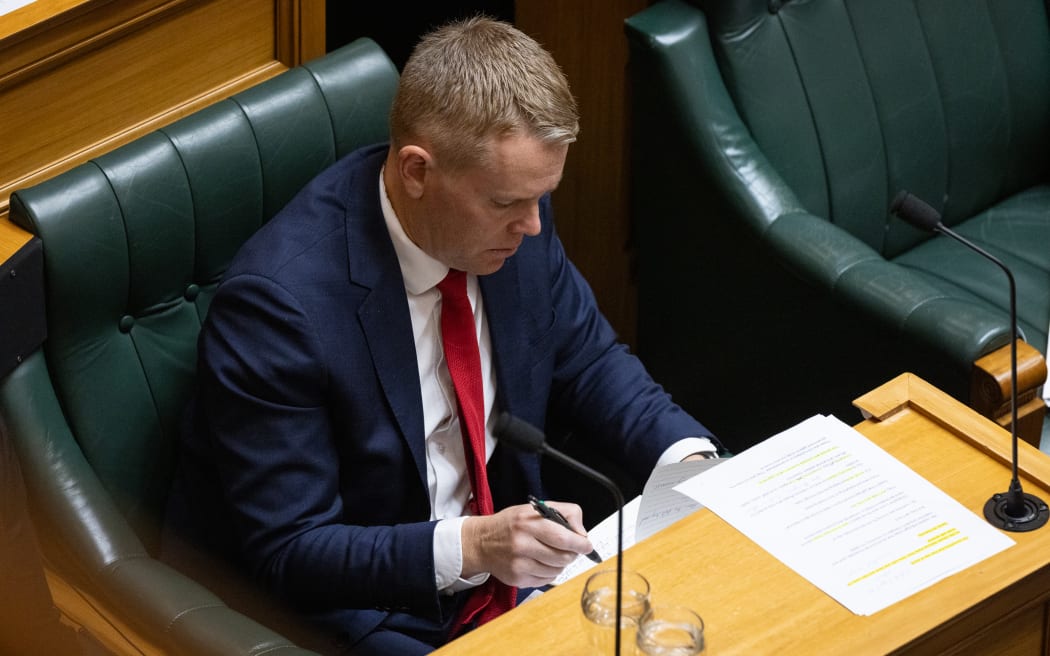
Photo: VNP/Phil Smith
Across the chamber, Opposition leaders don’t get to doze; they have to add the finishing details to their own speeches. Some opposition spokespeople were on their laptops, going through the budget documents looking for hidden, telling details.
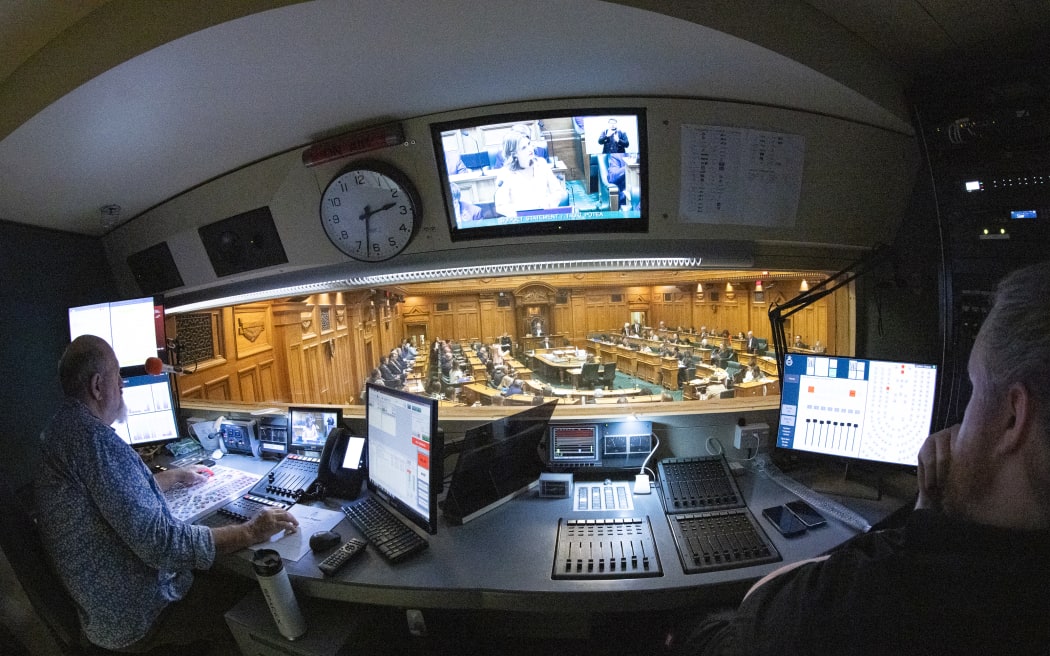
Photo: VNP/Phil Smith
In the audio booth behind the chamber the engineers have very little to do. Sometimes it’s a flurry of action in here. As the action above pingpongs around the chamber, they must select the correct microphone (from 130 or so), and adjust the incoming volume (between a nervous quaver and a thundering yawp). Today, across three straight hours, only ten different voices will be heard across seven speeches.
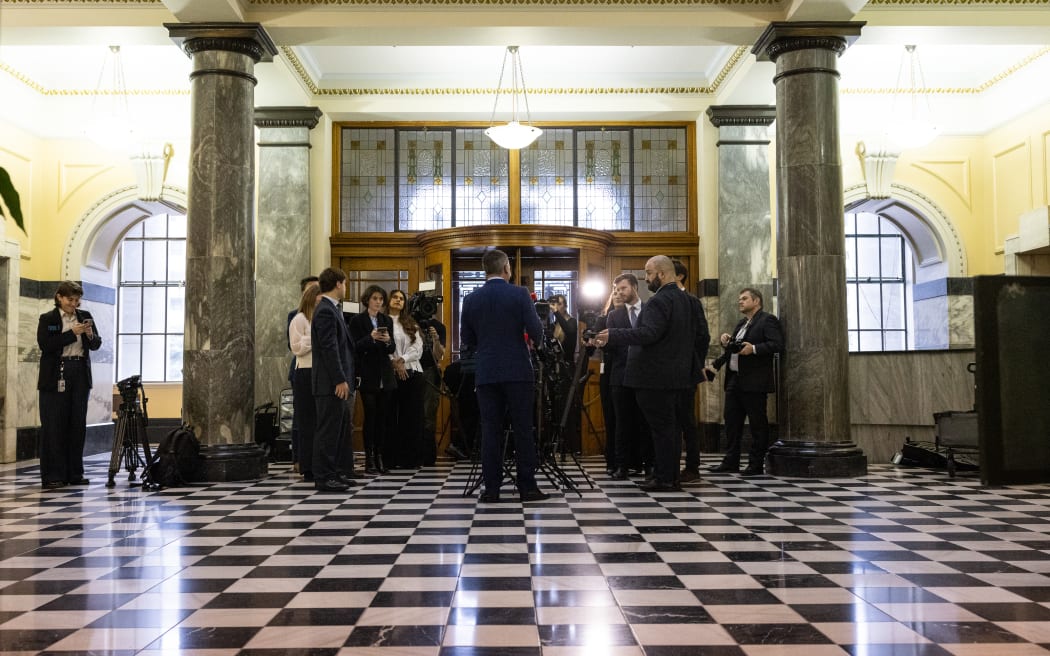
Photo: VNP/Phil Smith
With the initial speeches still underway in the chamber the action and attention begin to diverge, as party leaders, commentators, and TV presenters begin their interviews, live crosses and press conferences. Here David Seymour answers questions from a scrum of journalists on “the tiles”-the closest public foyer to the debating chamber. As the debate goes on most party leaders and finance spokespeople will stand in the same spot to add their two cents.
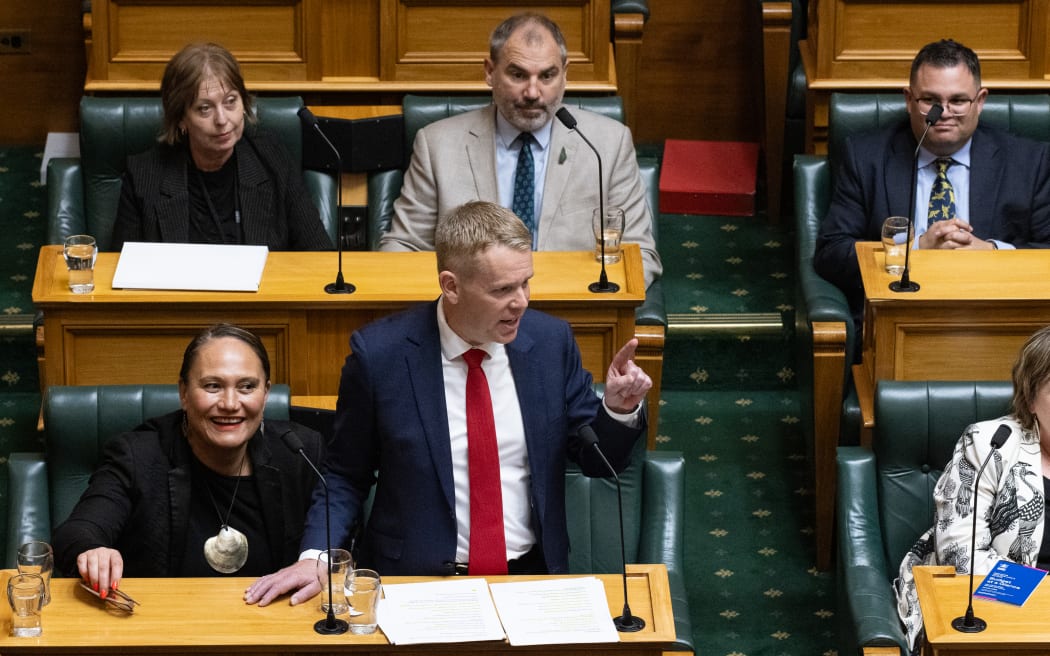
Photo: VNP/Phil Smith
The response speeches always begin with a no-confidence motion from the Leader of the Opposition, Chris Hipkins. Party leaders get 20 minutes to rebut. With each speech, the budget tends to change its name. Nicola Willis called it a “responsible budget”, Chris Hipkins goes for “last chance budget”.
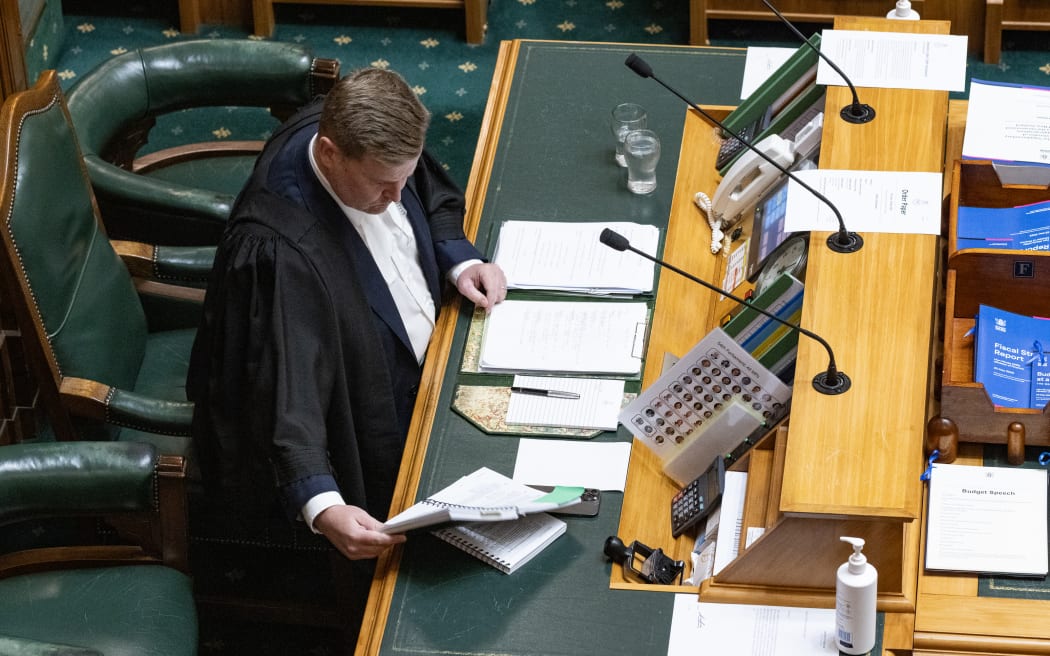
Photo: VNP/Phil Smith
The Clerk on duty at The Table, James Picker, checks a rule detail for the Speaker Gerry Brownlee. Once Hipkins’s speech is over Brownlee will try to remind MPs that-in this particular debate-interjections are not allowed. The ruling uses the charming language “courtesies of restraint”. It doesn’t work. As the debate drags on, government MPs are increasingly restless. By its conclusion they are wandering the chamber, fist bumping and chatting, while someone tries to make a speech nearby.
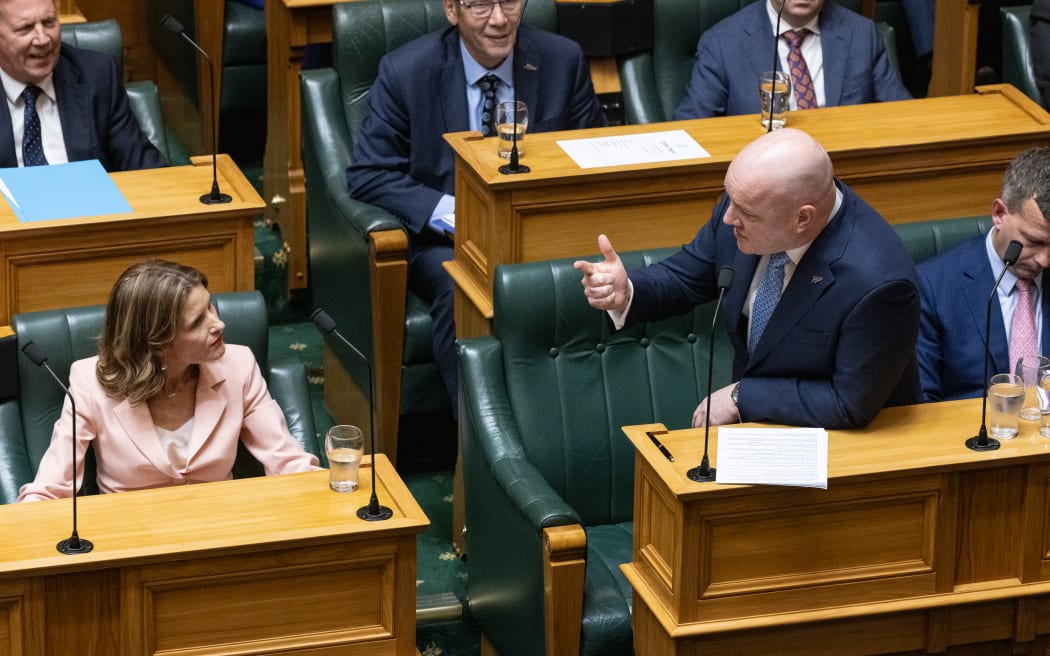
Photo: VNP/Phil Smith
This is a debate where, unusually, the Prime Minister speaks third. Theoretically, in Parliament all speeches are addressed to the Speaker (which is why you cannot say “you” when accusing your foes of something). Christopher Luxon’s habit is to turn sharply to his right and address his speeches to his own National Party colleagues. This leaves the Speaker (and ACT coalition partners) behind him.
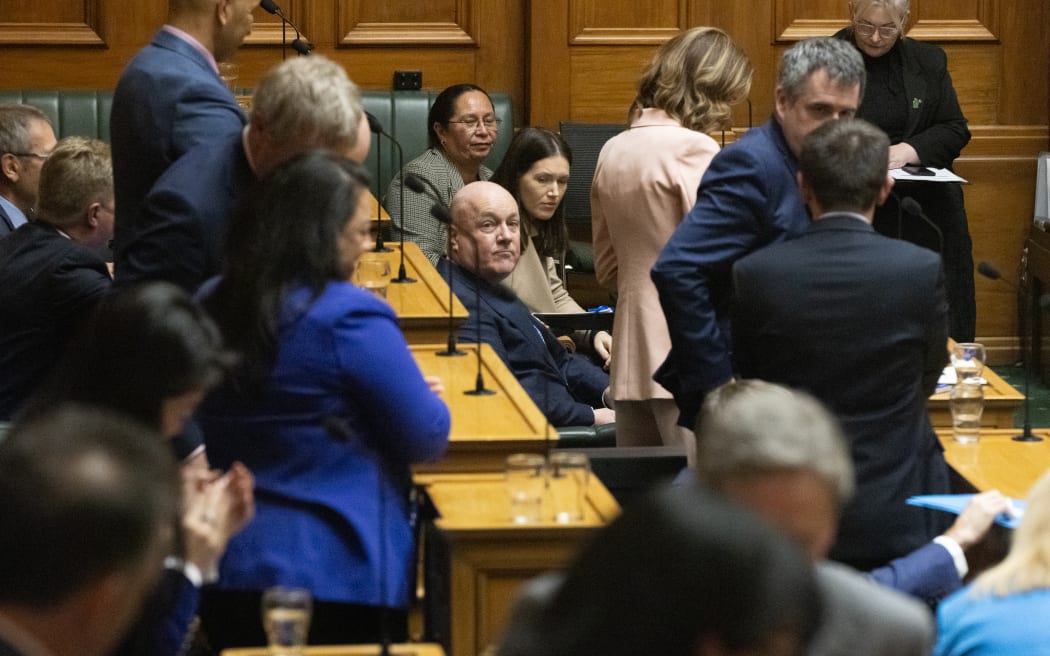
Photo: VNP/Phil Smith
When each party leader finishes their speech their colleagues applaud. Then there is a brief moment where that standing ovation becomes a stolen chance to stretch bent legs, leaving the leader sitting alone and apparently forgotten, as soon as the ovation ends. The MPs beyond Luxon are ACT members who, having not offered an ovation to another party’s leader, have missed their leg stretching opportunity.
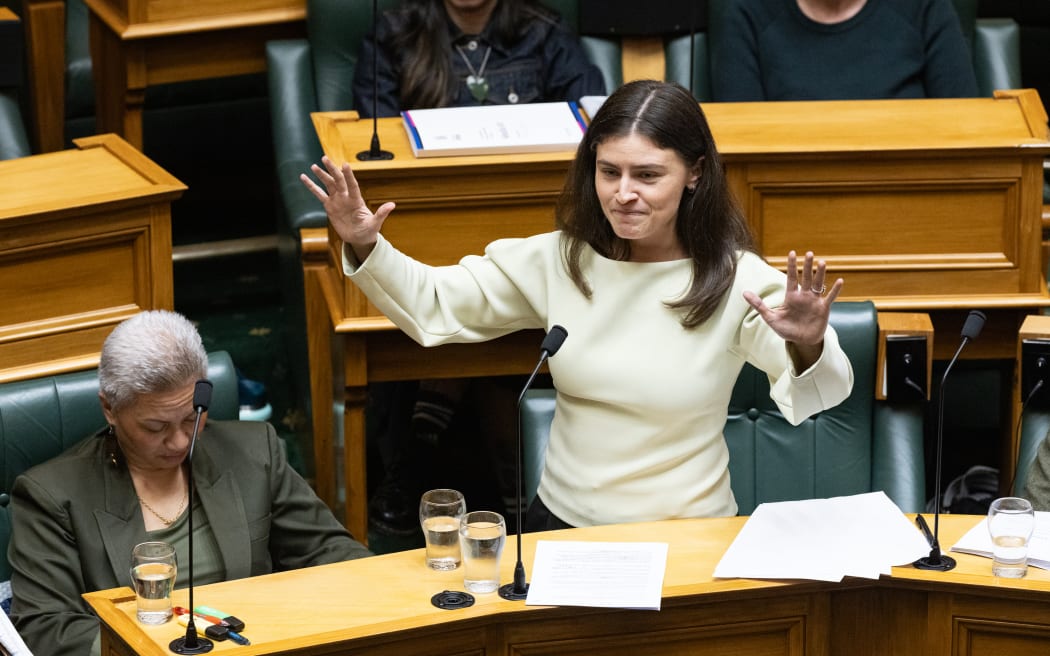
Photo: VNP/Phil Smith
For parties with co-leaders (Greens and Te Pāti Māori) only one gets to speak in this opening salvo of the Budget Debate. This year the Green’s speaker is Chlöe Swarbrick. Generally, once a party’s leader has spoken, most MPs from that party leave the chamber. So a wide shot at this point would show that Swarbrick is speaking to a diminishing crowd.
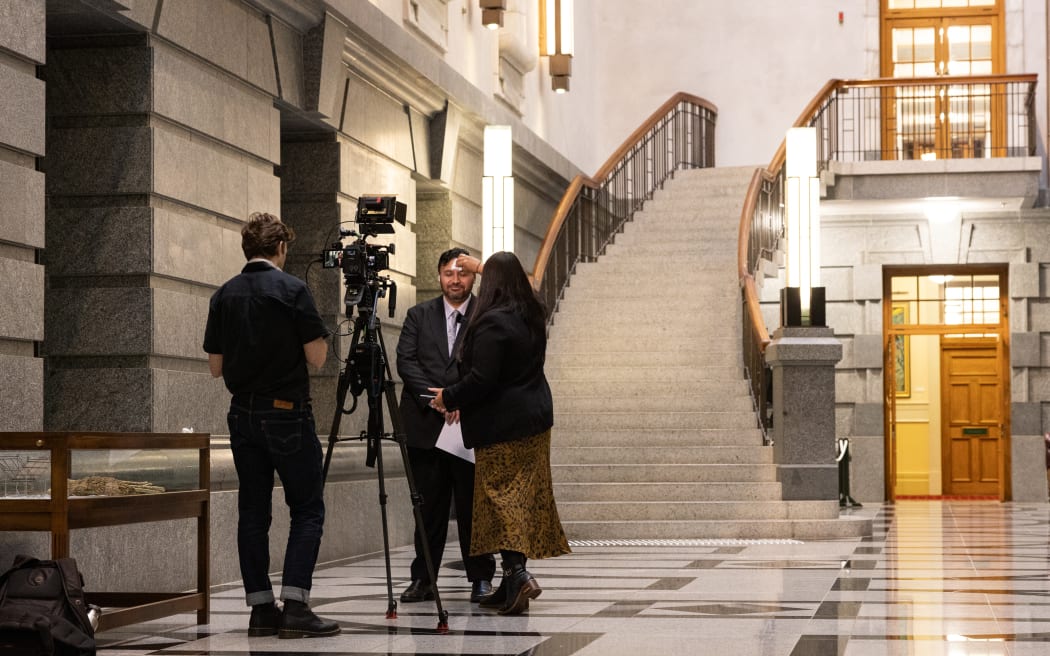
Photo: VNP/Phil Smith
Concurrent with speeches in the chamber, press conferences continue on The Tiles. TV interviewees process through the Grand Hall and party spokespeople wander through the press gallery looking for ears to bend. In this shot, in Parliament’s Atrium, a television journalist receives running repairs while waiting for a live cross.
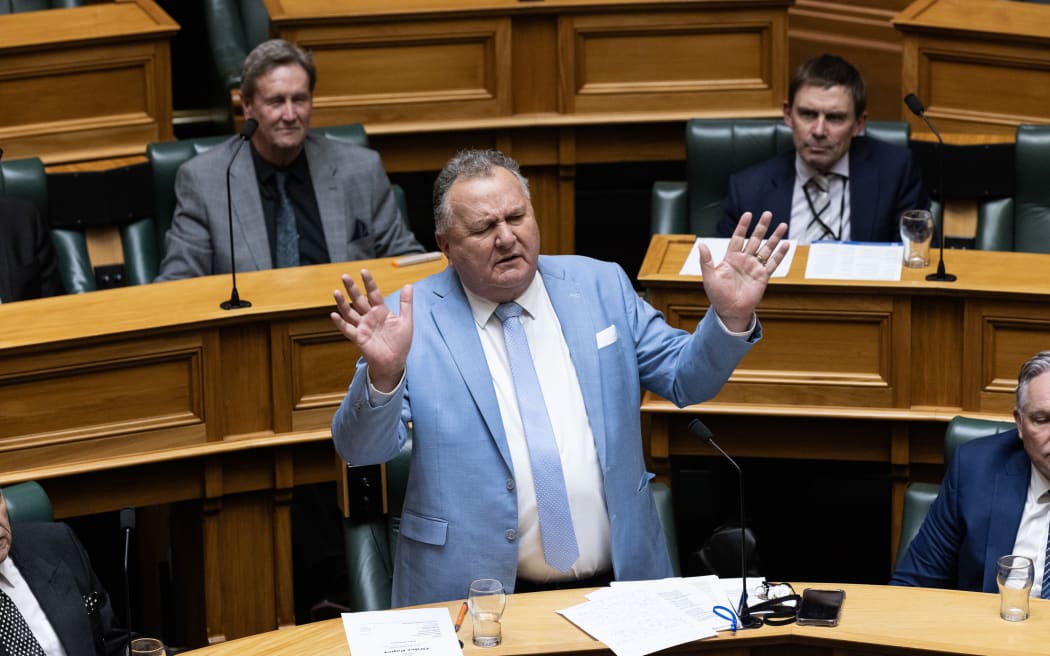
Photo: VNP/Phil Smith
In the House, the penultimate speech is New Zealand First’s. Deputy Leader Shane Jones gives out revivalist preacher ‘come to Jesus’ vibes.
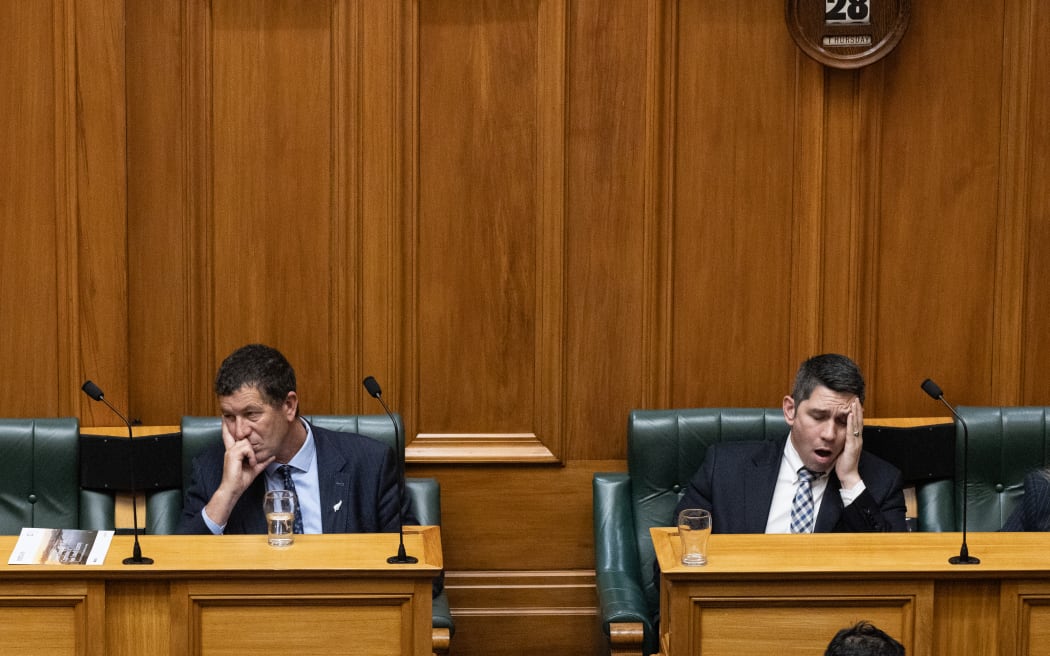
Photo: VNP/Phil Smith
Many National Party MPs have stayed to support their smaller coalition partners, but the wearying effect of nearly three hours of amplified yelling is starting to tell.
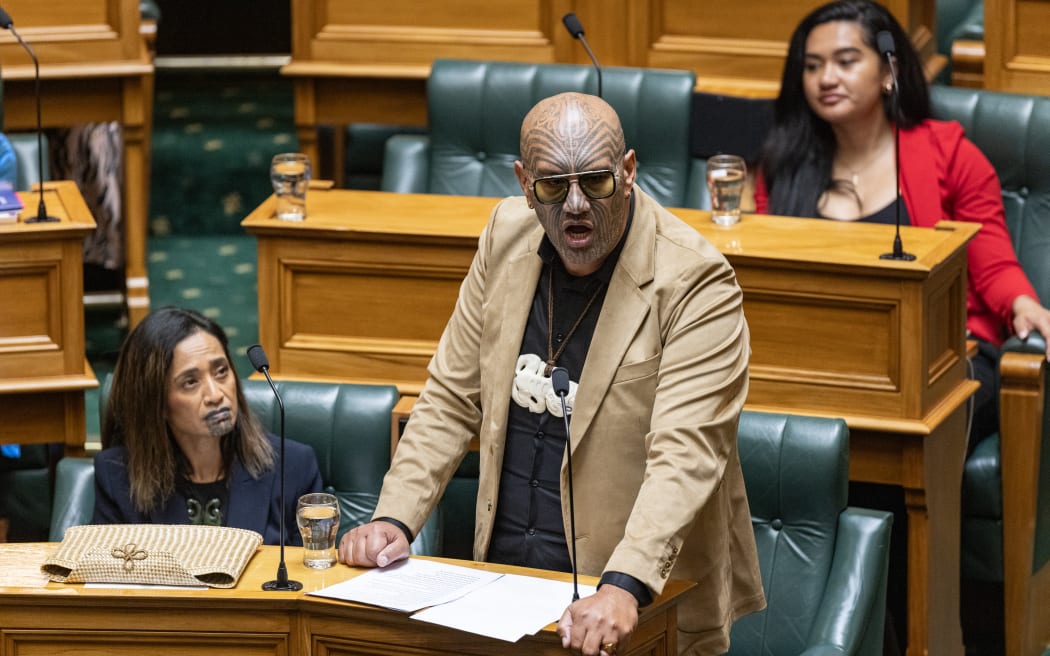
Photo: VNP/Phil Smith
Last cab off the rank is Te Pāti Māori co-leader Rawiri Waititi, who opens and closes his speech with Michael Jackson lyrics. Once he is done, the Budget Debate is adjourned (with hours of speeches to go), so the House can spend the next two days bludgeoning through government bills under urgency. Budget urgency is a long-standing tradition aimed at enacting critical budget measures before markets open and before people can stockpile goods against announced change in excise duties. This year’s budget urgency motion included seven policy bills, three through all stages. One tax bill is budget related. The other six are just normal government business.
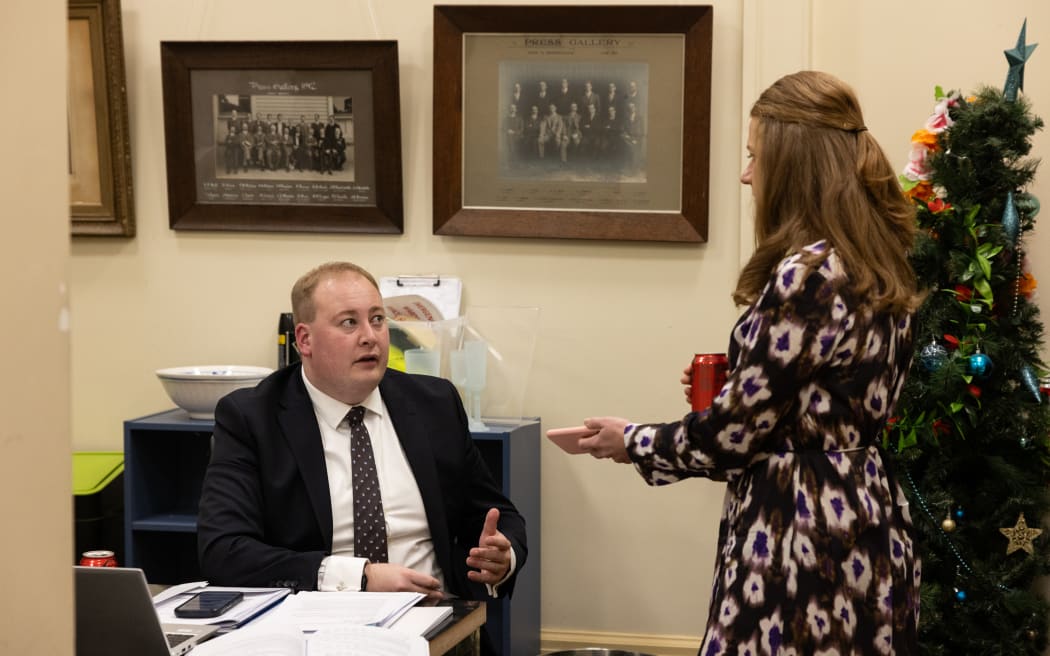
Photo: VNP/Phil Smith
As the political sound and fury winds down in the chamber, the numbers become the focus. Journalists and economists begin the long, onerous task of wringing sense from multiple volumes of funding data. The speeches were all about what politicians wanted us to know; but what else is hidden in the numbers? That work can take months of careful spreadsheeting. Here, economist and commentator Brad Olsen (who has borrowed the Press Gallery’s kitchen table for a temporary workspace), gives some commentary on deficit projections to the Herald’s Wellington Business Editor Jenée Tibshraeny.
*RNZ’s The House, with insights into Parliament, legislation and issues, is made with funding from Parliament’s Office of the Clerk. Enjoy our articles or podcast at RNZ.