
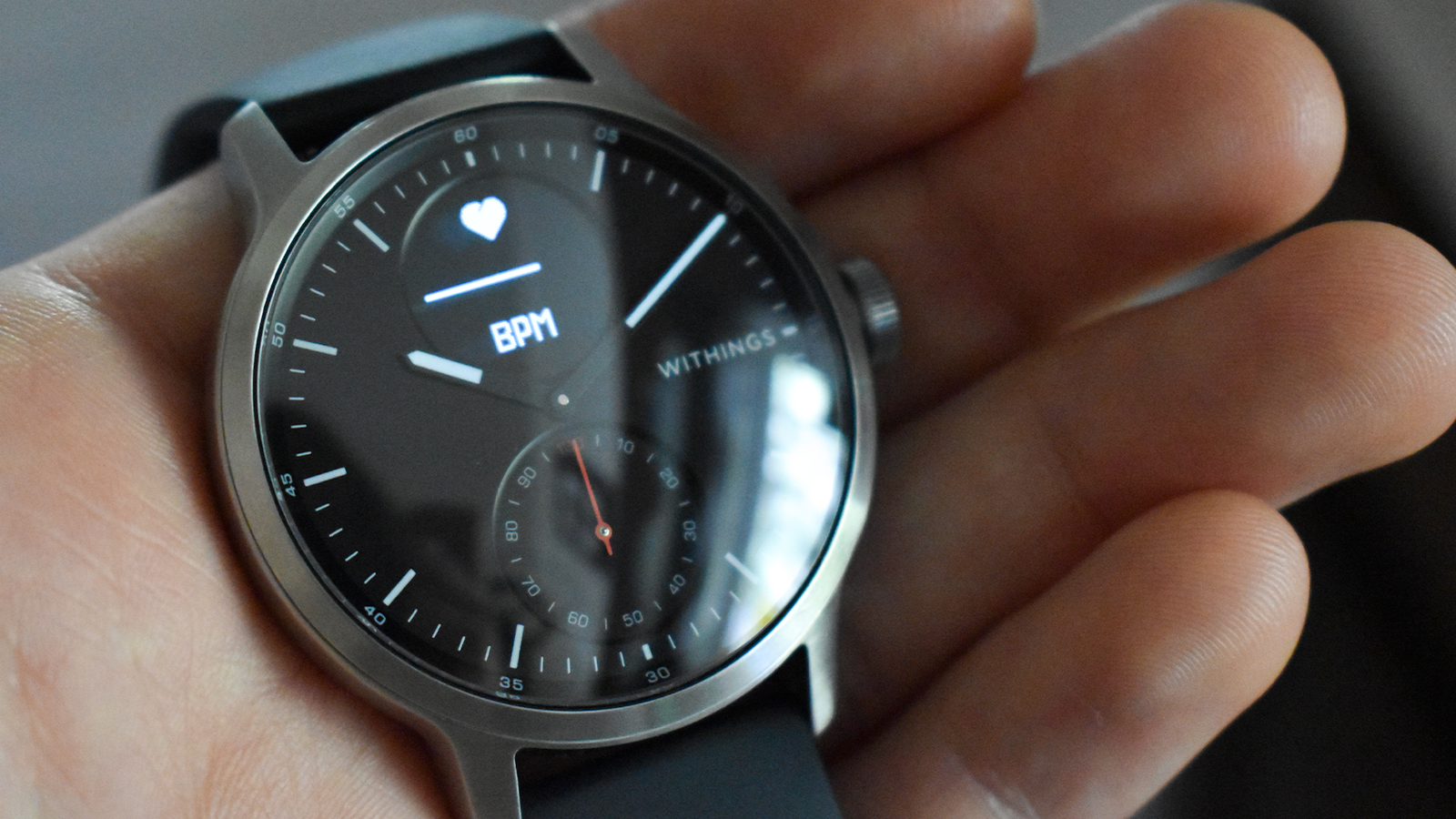
Hybrid watches have always seemed like an interesting concept to me. I’m someone who loves tech, but when it comes to watches, nothing beats the aesthetics, reliability, and simplicity of a traditional wristwatch. Although the idea of adding smart features to a traditional watch sounds like a match made in heaven, it never quite comes together in reality.
Hybrid watches sound awesome on paper
A simple idea that promises the best of both worlds
Whether you’re in the smartwatch or traditional wristwatch camp, you can’t deny that the concept of a hybrid watch is appealing. People who can’t live without their smartwatch get the option to wear something more fashionable, while horologists can finally dip their toes into the world of smartwatches without giving up the design they’re used to. It sounds like the perfect compromise for people who don’t want to stray too far from traditional watch design.
Before we get any further, it’s worth pointing out that there are many different ways to execute the hybrid smartwatch concept.
For instance, screenless hybrid watches like the old Fossil Q Hybrid look much more like traditional watches. They combine classic styling with a vibration motor, pre-determined hand positions for notifications or heart rate alerts, a small dial for tracking daily steps, and various other smart features. Some models also include heart rate sensors.
But the bulk of hybrid watches combine physical hands and dials for time-telling with a small screen (or screens) for smart functionality.
The display can show or control many of the things you’d typically expect from a smartwatch, such as heart rate, blood oxygen levels, weather, notifications, workout data, and more. Since this is probably what most people picture when they hear the term “hybrid watch,” that’s what I’ll be focusing on today.
Most hybrid watches lack the features you actually want in a smartwatch
The “smart” part usually falls short
Credit: Bertel King / How-To Geek
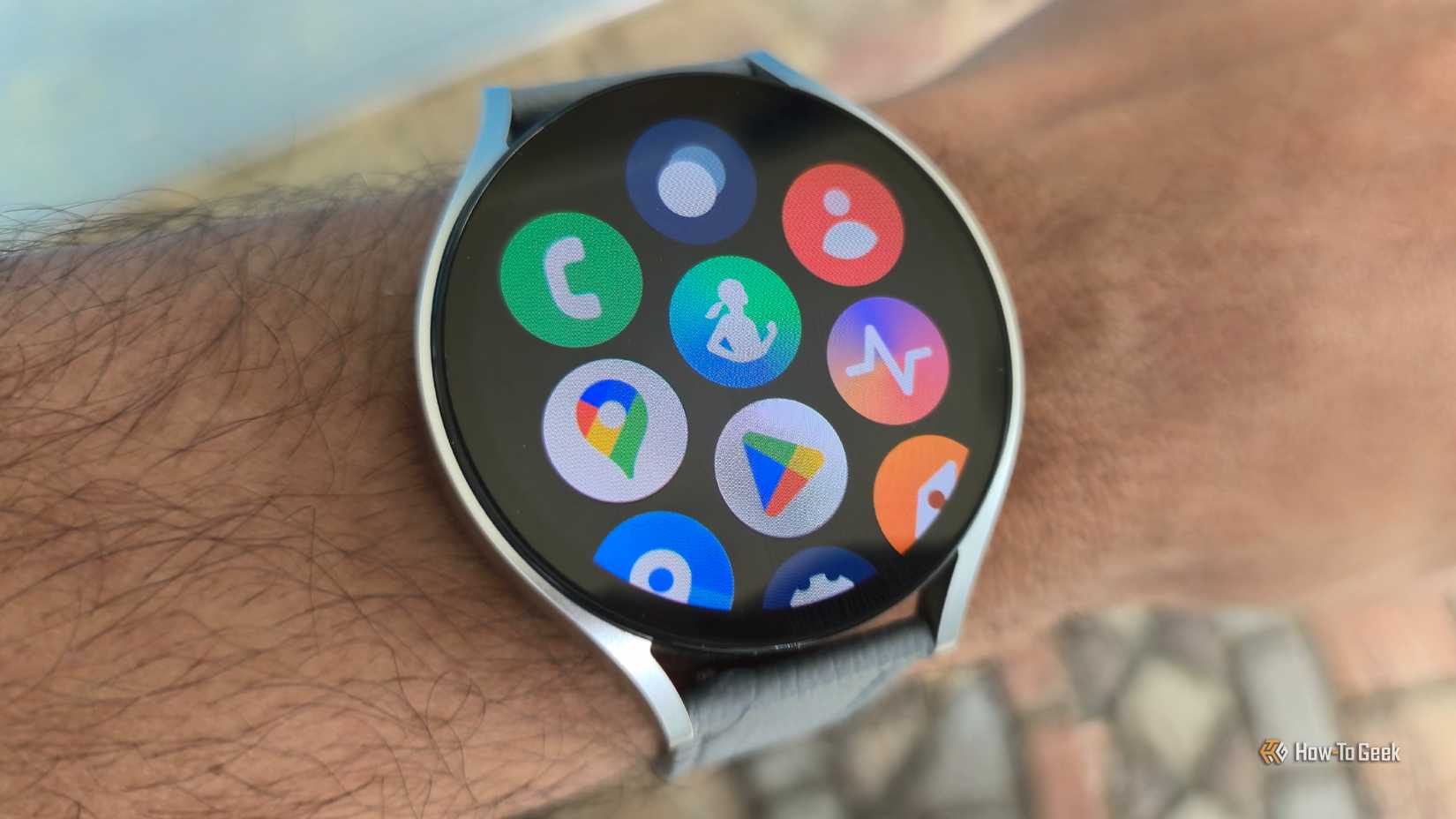
When you switch from a typical smartwatch to a hybrid smartwatch, you’re making several sacrifices. One of the biggest is losing the ability to customize your watch faces. That might not matter to everyone, but if you ask me, setting up personalized watch faces is one of the most fun parts of owning a smartwatch.
Replacing a boring default dial with something like the Pip-Boy from Fallout or the Chronomark watch from Starfield adds a lot of personality. Still, swapping those artificial digital recreations of analog watches for actual physical hands and dials may just be worth the sacrifice.
Unfortunately, the same can’t be said for the tiny screens that often occupy hybrid watches. Whether it’s a pill-shaped cutout at the bottom or a small display tucked near the top, hybrid watches almost never match the usability of a regular smartwatch.
On top of severely limiting the amount of fitness data you can view at a glance, reading a message longer than a few words quickly becomes frustrating and usually requires fiddling with buttons or the crown. In many cases, you also have to physically move the watch hands out of the way just to get an unobstructed view of the display.
Even if a hybrid watch features a hidden touch display like the Garmin Vivomove Trend, there’s still nowhere near as much information available at a glance as on a proper smartwatch.
Another major disadvantage of hybrid watches is that they’re largely read-only devices. In other words, you’re heavily limited in what you can actually do directly from the watch itself with that painfully slow, clunky display. You can’t dictate replies, quickly tap a canned response, or properly interact with notifications.
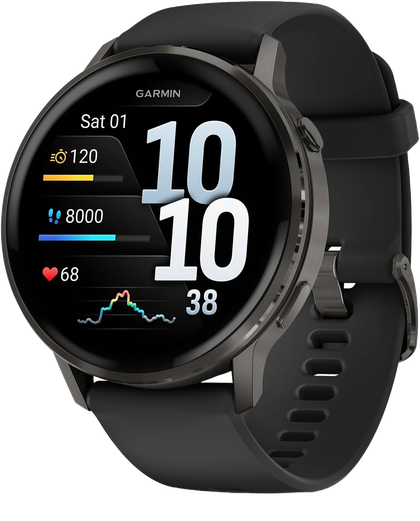
Most of the time, you’ll still have to pull your phone out of your pocket anyway, which defeats much of the purpose of wearing a smartwatch in the first place. Honestly, the whole experience of switching from a smartwatch to a hybrid watch feels like going from a modern smartphone to a Nokia Lumia Windows Phone. If you can’t get past that, a regular smartwatch like the Garmin Venu 4.
Brand
Garmin
Heart Rate Monitor
Yes
If you want the full smartwatch and fitness experience without compromise, devices like the Garmin Venu 4 already do practically everything you could ask for. It combines advanced health tracking, workout tools, GPS, notifications, calling features, and excellent battery life into a package that makes hybrid compromises feel unnecessary.
The “watch” part should come first
Design compromises that get in the way of being a good and fashionable watch
Credit: Ismar Hrnjicevic / How-To Geek
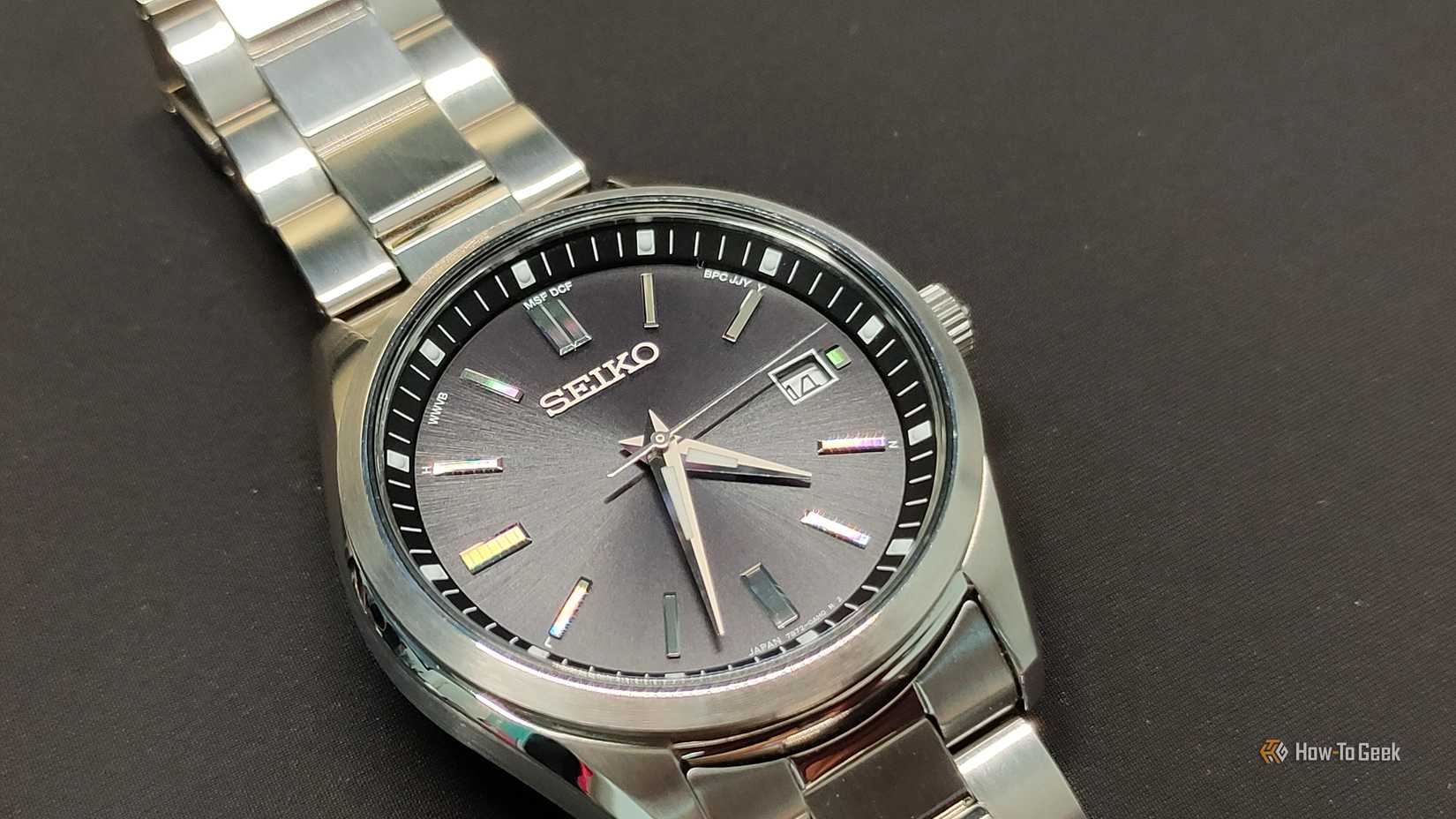
Unfortunately, on top of offering a poor smartwatch experience, most hybrid watches just plain struggle at being good watches.
Many hybrid watches rely heavily on a companion app and your phone to the point that they won’t even let you adjust the time manually. And unless they’re solar-powered, you still have to charge them fairly regularly. A traditional quartz watch might only need a battery replacement every few years, whereas a typical hybrid watch often needs charging at least once a month.
Some older hybrid watches were optimized around disposable coin-cell batteries, but their smart features drained them quickly enough that replacements became a hassle anyway.
Perhaps the biggest drawback of hybrid watches compared to traditional watches is their overall appeal. They’re often quite bulky because of the sensors and circuitry, and very few of them look as premium and sleek as a regular watch.
Lack of options is another problem. When it comes to traditional watches, there are tens of thousands of models from hundreds of brands, past and present, with an almost endless variety of dial designs, case shapes, and complications to choose from.
With hybrid watches, you’re limited to a relatively small selection of brands, models, and sizes. Not to mention that many of them stick to black dials to help those low-resolution displays blend in better.
Speaking of screens, another major issue with hybrid watches is that their displays come with a built-in expiration date that can make them feel dated surprisingly quickly.
People who buy traditional watches often want something long-lasting that builds emotional value over time. One of my favorite watches is an old hand-wound model from the 1970s that was passed down from my grandfather, and it still works perfectly. Compared to something like that, hybrid watches start to feel like a poor long-term investment.
Hybrid smartwatches will likely end up as another short-lived tech trend
Credit: Nathaniel Pangaro / How-To Geek
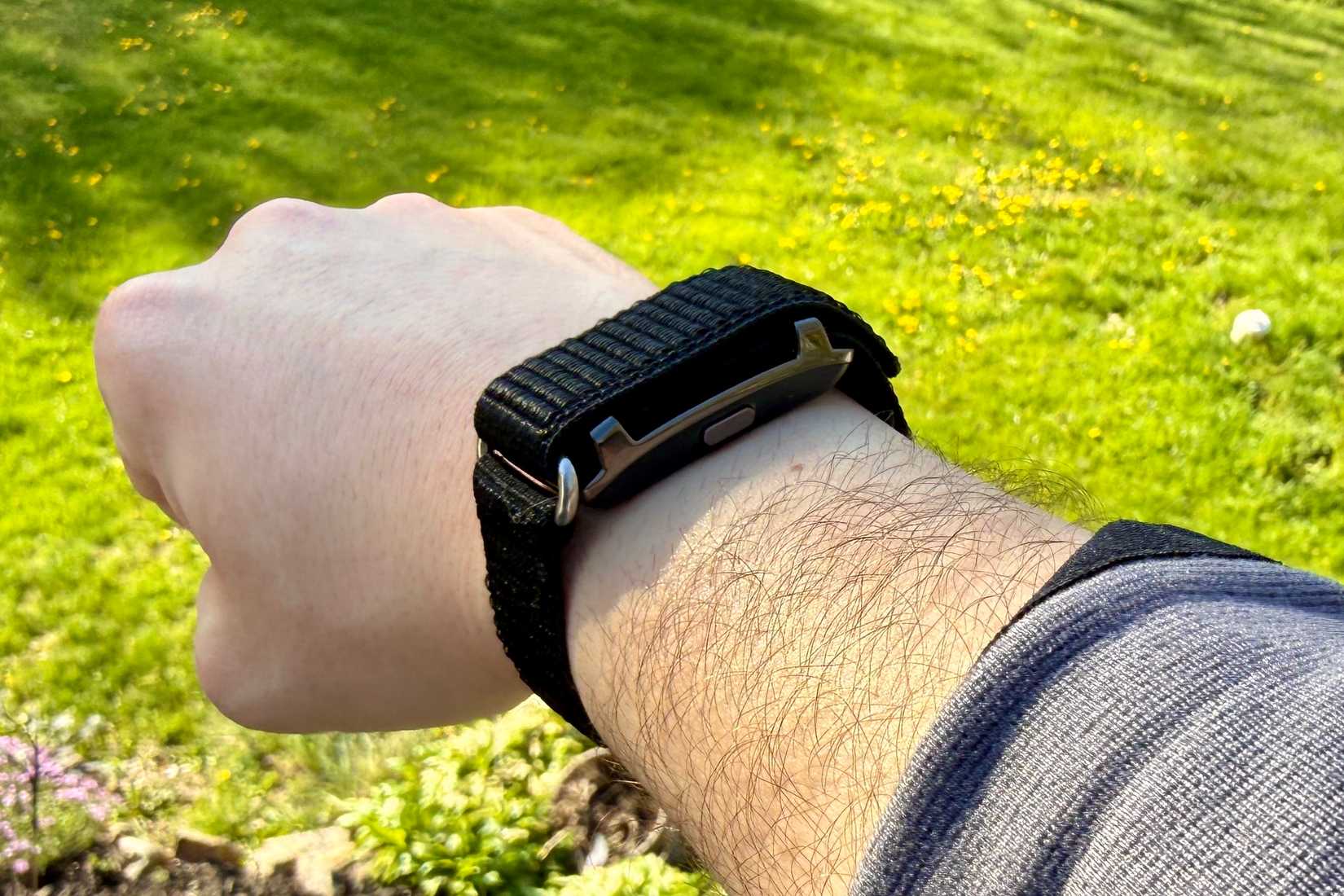
All things considered, most hybrid watches offer very little practical functionality beyond tracking your heart rate and workouts, which is something a fitness ring or even a cheap fitness band can already do well.
If you’re still set on buying a hybrid watch instead of a traditional watch or smartwatch, consider your options carefully. I’d recommend picking a model that you’re confident will still look good to you five to ten years from now, and treating the smart functionality as a small bonus rather than the main event.
Related
I thought smartwatches were cool, five years later I’m ditching mine
It’s time for a different kind of watch.