
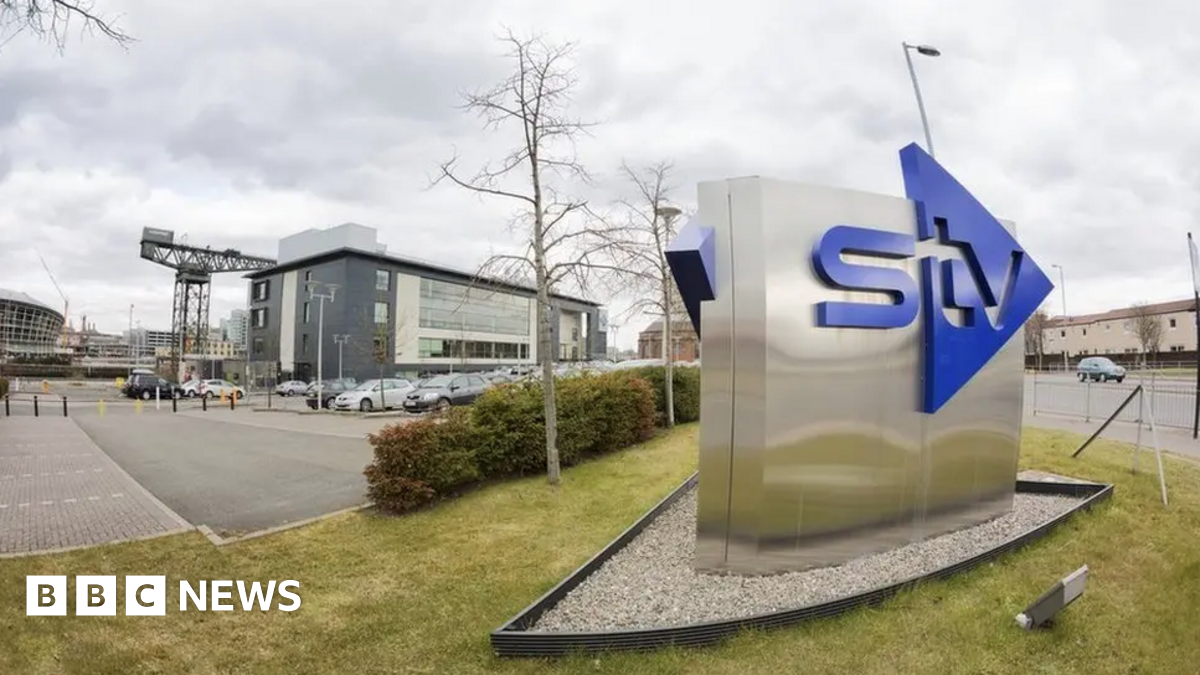
STV’s chief executive officer Rufus Radcliffe said the company had to respond to the “significant shift” in audience behaviour.
He said: “As a commercial public service broadcaster, that receives no public funding, we are focused on the future and what we do best – trusted news and high-quality content that continues to resonate with audiences across all of Scotland.”
Last year, the SNP, Scottish Conservatives, Scottish Labour, Scottish Liberal Democrats and the Scottish Greens united to sign a letter to TV watchdog Ofcom condemning the proposal.
Nick McGowan-Lowe, the NUJ’s organiser for Scotland, described Ofcom’s decision as “sadly predictable”.
He said the proposal had been opposed by the vast majority of viewers in the north of Scotland.
He said: “This decision is bad for viewers, bad for business and bad for local democracy – all of which rely on quality local journalism.”
The NUJ had claimed the changes were primarily driven by STV’s financial position. The share price fell badly after a profit warning last year and has not recovered.
It also questioned the company’s decision to invest in setting up a radio station while making cuts to its main business.
Meanwhile Russell Borthwick, chief executive at Aberdeen and Grampian Chamber of Commerce, said Ofcom’s decision was “deeply disappointing”.
He said: “While STV has made changes to its original proposals, the reality remains that the north of Scotland will lose its dedicated news service and the local presentation that has been a trusted part of viewers’ lives for generations.”