
The latest edition of our Sustainable Views newsletter
Dear reader,
In 2020, the then prime minister of New Zealand Jacinda Ardern promised a carbon-neutral government by 2025, calling climate change “one of the greatest challenges of our time”. Fast forward to May 2026 and the government appears to be taking a very different approach, saying it will amend the country’s climate legislation to prevent litigation on the basis of climate damage liabilities.
Ben and Elizabeth take a look at the announcement, how it came about and what it means for New Zealand, businesses operating in the country, and climate litigation more widely.
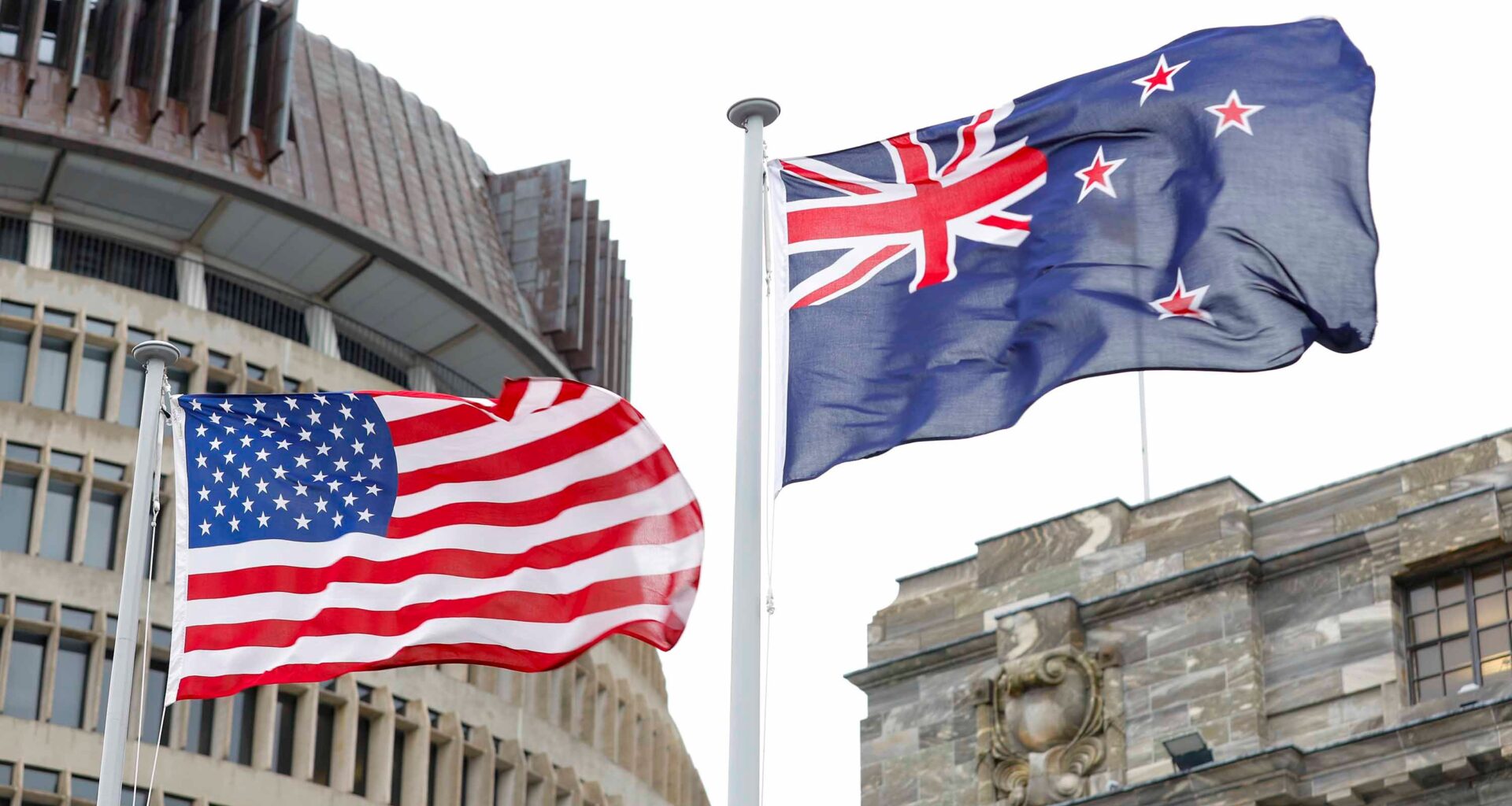
Some legal experts say the move puts the country closer to the US on climate legislation challenges.
“The New Zealand response divides it into a camp that we’re seeing playing out in some places in the US,” says Catherine Higham, senior policy fellow at the Grantham Research Institute, a climate change research hub at the London School of Economics. Sarah Mead, co-director of non-profit the Climate Litigation Network, says: “The US is the only other jurisdiction where we’re seeing a concerning reach of the executive into the judicial function. It places New Zealand as an international outlier.”
And many of them conclude it shows New Zealand has gone from being a climate leader under Ardern to a climate laggard under current Prime Minister Christopher Luxon. However, there is also evidence suggesting the country made less progress on climate than Ardern’s ambitious words suggest. A study by researchers at the University of Wellington, published in January 2025, says advances were made on climate policy during Ardern’s tenure, but that “policy changes were not transformative, and few policies were enacted that will substantially decrease emissions”.
One quote often cited in relation to Ardern’s stance on climate change is her reference to the issue as her “generation’s nuclear-free moment”. The statement was an allusion to New Zealand’s decision in the 1980s to be a nuclear-free country, including banning nuclear-powered vessels from its waters — a choice that strained relations with the US. This weekend, New Zealand’s defence minister, Chris Penk, was reported as saying the country should have a “conversation” on its anti-nuclear stance. Luxon says the stance is non-negotiable.
French connection
Another country where action on climate change could change direction is France. President Emmanuel Macron, in power since 2017, the same year Ardern was also elected to head her country, has always been good at climate rhetoric.
“By polluting the oceans, not mitigating CO₂ emissions, and destroying our biodiversity — we are killing our planet. Let us face it. There is no planet B,” he told US lawmakers in 2018.
His record since then is decidedly mixed. But the future could be distinctly worse if the far-right Rassemblement National party wins next year’s presidential elections. With this in mind, Fiona reports on a series of senior ESG departures at big investors in recent weeks. “We can see the ESG teams are being reduced in French asset managers — ESG and impact are no longer a priority,” says one analyst at a large French asset manager.
Finally, apologies to the Corporate Leaders Group Europe, which I mistakenly called the Climate Leaders Group in Friday’s newsletter.
Until tomorrow,
Philippa
Philippa Nuttall is the editor of Sustainable Views