
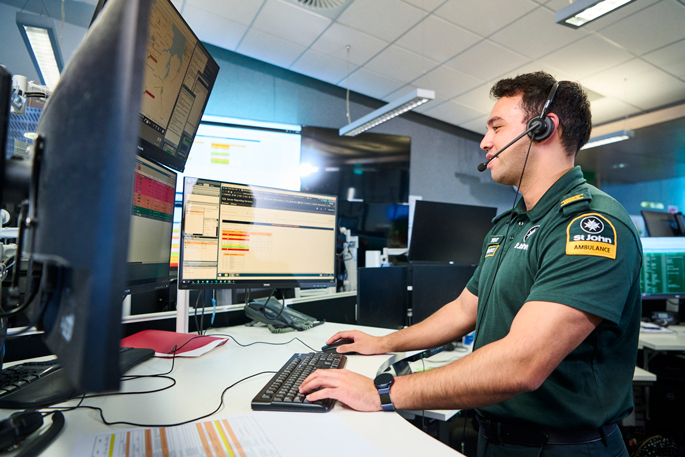
Hato Hone St John is urging New Zealanders to protect their health this winter as the ambulance service prepares for seasonal demand.
In a media release this week, the organisation said last winter was its busiest on record, with crews responding to more than 50,000 incidents in August alone – the highest number recorded in a single month.
During the same period, incidents involving breathing difficulties were 33% higher than the 12‑month average.
Clinical services deputy chief executive Jon Moores said winter consistently places added pressure on emergency services.
“The winter months consistently drive up demand for ambulance services, as colder weather, higher rates of influenza and respiratory illness place additional pressure on the health system.”
Moores said while Hato Hone St John was prepared for the seasonal increase, the public could help reduce strain on the system.
“We are well prepared to manage the seasonal increase in demand, but there are some important steps people can take to protect themselves, their whānau and the wider community.”
He urged people to stay home when unwell to limit the spread of illness, particularly to vulnerable groups, and to follow basic hygiene practices such as wearing masks in crowded indoor spaces, covering coughs and sneezes, and washing hands thoroughly.
Moores said the organisation continued to strengthen initiatives aimed at easing pressure on emergency departments, while ensuring patients received appropriate care.
“When it is clinically safe to do so, some patients may receive advice and care from a clinician over the phone without an ambulance being sent or a trip to the hospital emergency department.
“Others may be connected with another telehealth provider or a more appropriate healthcare service.”
He said it was important people understood how to access the right care over winter, including using services such as Healthline, local pharmacists and after-hours clinics for non-urgent issues.
“We encourage everyone to take extra care this winter and look out for their whole whānau,” Moores said.
“And remember, you should always call 111 for an ambulance in an emergency. Our clinicians are highly trained and ready to provide the care you need.”