
Entrepreneurship often begins not with opportunity, but with discomfort- the recognition that something fundamental is not working as it should.
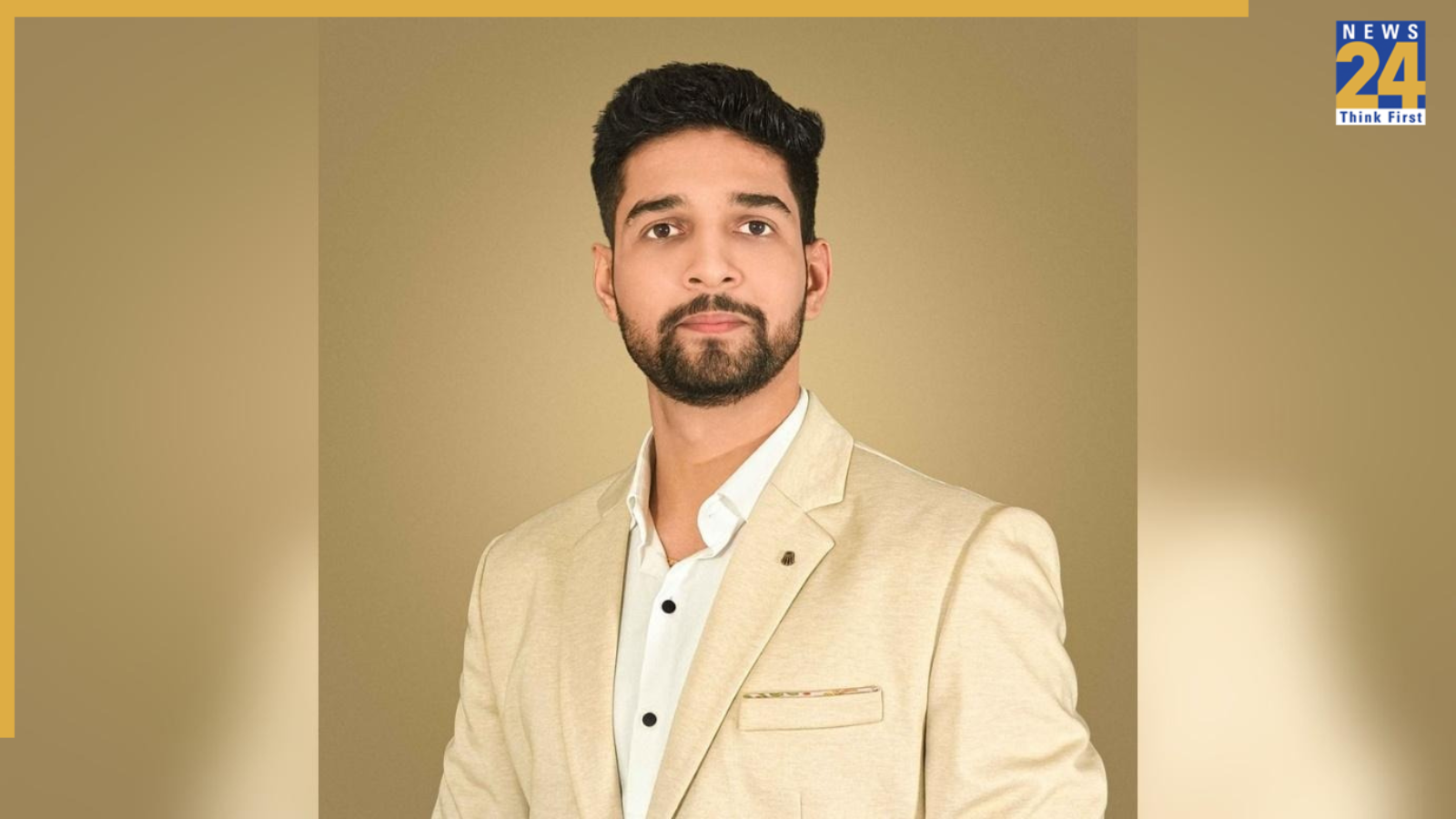
In the case of Abhinav Dobrial, that discomfort emerged early.
Having entered the fitness space and started a venture around it during his college years, he witnessed firsthand the contradictions that define the weight loss industry. On one hand, there was a list of basic solutions like diet plans, supplements, etc. On the other hand, there was a persistent gap between root cause analysis and holistic weight loss care.
The industry of weight loss, in many ways, had normalised inconsistency and blamed the user.
Over time, this observation evolved into a deeper inquiry. Why, despite increased awareness and access, were outcomes not improving proportionately?
Why did individuals repeatedly cycle through different programs and not stick to the results?
Why is the percentage of obese people increasing in India?
Part of the answer, he realised, lay like the problem itself.
Obesity is not a short-term challenge. It is a chronic, multifactorial condition influenced by lifestyle, psychology, accountability, and metabolism. Addressing it requires continuity, not episodic intervention.
This understanding became sharper when he read Homo Deus, and how that excess calorie intake would define future health challenges, resonated strongly with him.
Around the same time, GLP-1 medications began gaining traction internationally and eventually entered the Indian market. Their impact was visible and, in many cases, compelling.
But what concerned him was not their efficacy; it was their usage among Indians, where you can access prescription drugs easily.
There was a growing pattern of individuals accessing these medications without structured medical guidance. The narrative was shifting from “treatment” to “trend,” and in that transition, the risk of misuse was becoming evident.
It was this intersection between scientific advancement and behavioural gap that led to the founding of Lean Protocol.
The idea was not to build another weight loss platform, but to create a system of accountability around an emerging intervention.
Lean Protocol was designed with a few core principles.
First, not everyone is a candidate for GLP-1 therapy. The platform incorporates an eligibility framework to assess whether the intervention is appropriate for an individual’s medical profile.
Second, medication is only one part of the journey. Equal, if not greater, emphasis is placed on nutrition, physical activity, and lifestyle alignment.
Third, outcomes must be measured beyond weight. It is the metabolic health and overall well-being which are considered equally important indicators of success.
This approach reflects a shift from commodification to curation.
In practical terms, it also means that access is selective. A significant proportion of applicants may not qualify for the program, reinforcing the principle that responsible health interventions must prioritise suitability over scale.
From an entrepreneurial standpoint, this is not the easiest path. It requires balancing growth with governance, and opportunity with restraint.
Lean Protocol, in that sense, represents more than a business model. It reflects an attempt to bring structure to a space that has long operated without it.
The journey is still at an early stage. The market will evolve, regulations will adapt, and consumer behaviour will continue to shift.
But the underlying insight remains clear.
Sustainable impact in health cannot be achieved through shortcuts. It requires systems that align science with responsibility and ambition with ethics. And it is in building such systems that entrepreneurship and platforms like Lean Protocol finds its highest purpose. Please visit for More Information: leanprotocol.in
Entrepreneurship often begins not with opportunity, but with discomfort- the recognition that something fundamental is not working as it should.
In the case of Abhinav Dobrial, that discomfort emerged early.
Having entered the fitness space and started a venture around it during his college years, he witnessed firsthand the contradictions that define the weight loss industry. On one hand, there was a list of basic solutions like diet plans, supplements, etc. On the other hand, there was a persistent gap between root cause analysis and holistic weight loss care.
The industry of weight loss, in many ways, had normalised inconsistency and blamed the user.
Over time, this observation evolved into a deeper inquiry. Why, despite increased awareness and access, were outcomes not improving proportionately?
Why did individuals repeatedly cycle through different programs and not stick to the results?
Why is the percentage of obese people increasing in India?
Part of the answer, he realised, lay like the problem itself.
Obesity is not a short-term challenge. It is a chronic, multifactorial condition influenced by lifestyle, psychology, accountability, and metabolism. Addressing it requires continuity, not episodic intervention.
This understanding became sharper when he read Homo Deus, and how that excess calorie intake would define future health challenges, resonated strongly with him.
Around the same time, GLP-1 medications began gaining traction internationally and eventually entered the Indian market. Their impact was visible and, in many cases, compelling.
But what concerned him was not their efficacy; it was their usage among Indians, where you can access prescription drugs easily.
There was a growing pattern of individuals accessing these medications without structured medical guidance. The narrative was shifting from “treatment” to “trend,” and in that transition, the risk of misuse was becoming evident.
It was this intersection between scientific advancement and behavioural gap that led to the founding of Lean Protocol.
The idea was not to build another weight loss platform, but to create a system of accountability around an emerging intervention.
Lean Protocol was designed with a few core principles.
First, not everyone is a candidate for GLP-1 therapy. The platform incorporates an eligibility framework to assess whether the intervention is appropriate for an individual’s medical profile.
Second, medication is only one part of the journey. Equal, if not greater, emphasis is placed on nutrition, physical activity, and lifestyle alignment.
Third, outcomes must be measured beyond weight. It is the metabolic health and overall well-being which are considered equally important indicators of success.
This approach reflects a shift from commodification to curation.
In practical terms, it also means that access is selective. A significant proportion of applicants may not qualify for the program, reinforcing the principle that responsible health interventions must prioritise suitability over scale.
From an entrepreneurial standpoint, this is not the easiest path. It requires balancing growth with governance, and opportunity with restraint.
Lean Protocol, in that sense, represents more than a business model. It reflects an attempt to bring structure to a space that has long operated without it.
The journey is still at an early stage. The market will evolve, regulations will adapt, and consumer behaviour will continue to shift.
But the underlying insight remains clear.
Sustainable impact in health cannot be achieved through shortcuts. It requires systems that align science with responsibility and ambition with ethics. And it is in building such systems that entrepreneurship and platforms like Lean Protocol finds its highest purpose. Please visit for More Information: leanprotocol.in
First published on: Jun 11, 2026 09:41 AM IST
Get Breaking News First and Latest Updates from India and around the world
on News24. Follow News24 on Facebook, Twitter.
End of Article
About the Author

Sreelekha Venugopal
Read More
Related Story

Jun 14, 2026 12:42 PM IST“Shankhnaad”: Patanjali announces launch of Civil Service Academy to forge new generation of “Trustee” administrators and decolonize Indian Bureaucracy

Jun 12, 2026 12:08 PM ISTDharavi Redevelopment Project advances with BMC starting the Shahunagar relocation process

Jun 12, 2026 08:10 AM ISTChina secures $2.9 bn Kenya airport contract, surpassing shelved Adani bid by nearly 50%

Jun 12, 2026 07:56 AM ISTIndia Makes a Quantum Leap: Fortytwo Labs’ Indigenous Quantum-Safe Algorithm Earns the First-Ever C-SAFE Recognition from DSCI

Jun 11, 2026 09:30 AM ISTKarnataka Youth Development Initiative announced through collaboration between Vedavyas Kamath, J. Krishna Palemar and Catalyst School of Business

Jun 10, 2026 03:46 PM ISTAdani Solar emerges as India’s top-ranked firm in Wood Mackenzie’s 2026 rankings

Jun 10, 2026 09:49 AM ISTRegisterKaro Reports ₹100 Cr ARR, Announces Early-Stage Investment Initiative

Jun 09, 2026 01:40 PM ISTAdani Energy Solutions to acquire IntelliSmart, one of India’s largest smart meter players

Jun 09, 2026 12:06 PM ISTResearch reveals India’s workforce has an optimistic outlook on AI
Sponsored Links by Taboola