
John Constable may have been raised in Suffolk but he lived and worked in Hampstead for almost 20 years.
He painted many large canvases at his studio in Well Walk and took his sketch book out almost daily to capture the skies over Hampstead Heath – including his favourite spot Branch Hill Pond.
John Constable lived in Well Walk Hampstead. (Image: Wikimedia Commons)
A new exhibition has just opened at Burgh House in Hampstead to mark the 250th anniversary of the artist’s birth.
It explores his deep creative connection to Hampstead Heath and the surrounding area and delves into a pivotal period in Constable’s life, bringing together rare paintings, mezzotints, portraits, and personal letters.
Amy Miller, curator of Burgh House in New End, said: “John Constable’s years in Hampstead were among the most creatively rich and emotionally significant of his life.
“The Heath offered him both inspiration and solace, shaping some of his most experimental and atmospheric works.
Oil study of Hampstead Heath with rainbow (1830) by John Constable is part of the exhibition at Burgh House Hampstead marking the artist’s 250th birthday. (Image: Burgh House)
“This exhibition reveals not only Constable’s extraordinary observation of the natural world, but also the deeply personal connections he formed within Hampstead itself.
“We are delighted to bring together works and archival material that shed new light on this important chapter of his career.”
The Constable family first arrived in Hampstead in 1819, seeking cleaner air for the artist’s wife Maria Bicknell, who was suffering from tuberculosis.
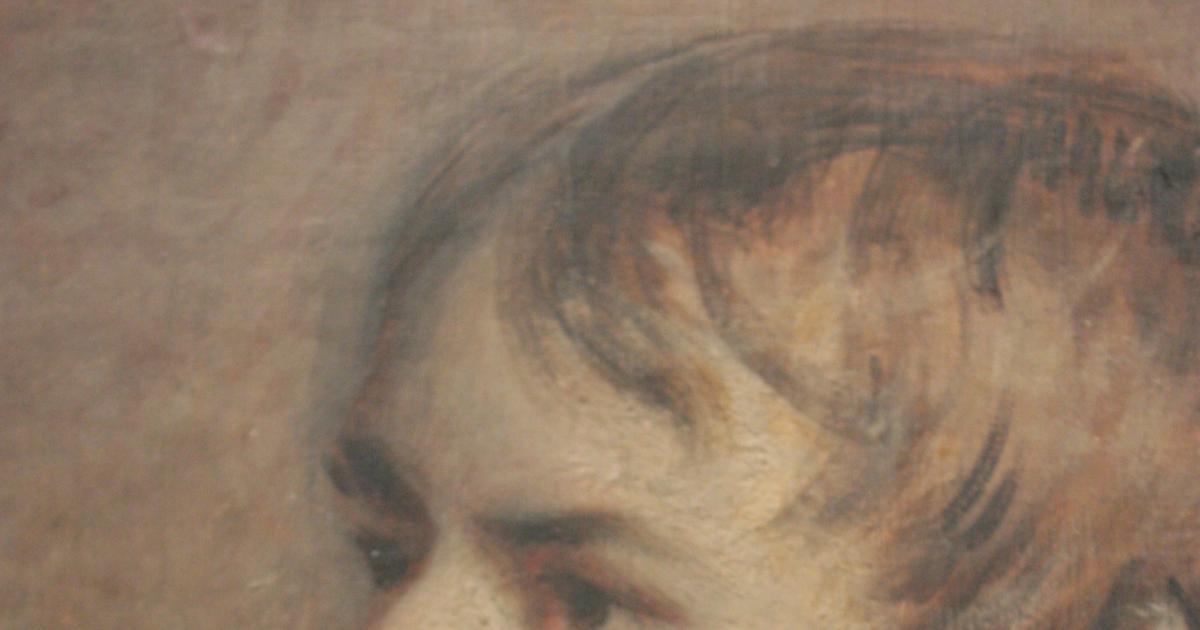
Dr Herbert Evans by John Constable. (Image: Burgh House)
They eventually settled at 6 Well Walk (now 40 Well Walk), just a short distance from Burgh House.
Constable used his time in Hampstead to study the skies and landscape, producing some of his most famous ‘Cloud Studies’ and developing the dramatic cloudscapes that characterised his later work.
The exhibition traces his investigations into weather, atmosphere and light, showing how Hampstead influenced his artistic evolution during these years.
Among the highlights is an oil study for Hampstead Heath with a Rainbow (c.1830), on loan from a private collection.
The painting captures a view of Branch Hill Pond beneath a gathering storm and glowing skies, reflecting the mature style for which Constable became known.
Technical analysis of the work revealed an unfinished portrait underneath the scene, believed to depict the artist’s uncle David Pike Watts.
The exhibition also explores Constable’s collaboration with printmaker David Lucas, who worked with him between 1830 and 1832 on the celebrated mezzotint series English Landscape Scenery.
The tomb of John Constable and his wife Maria in Hampstead Parish churchyard. (Image: Wikimedia Commons)
Rare examples from this series are on display, including two recent acquisitions made possible by donations from Burgh House trustee Frances Carey and Henry Gerrish of Gerrish Fine Art.
Personal elements of Constable’s time in Hampstead are also featured.
Items relating to Dr Herbert Evans, the family physician who cared for Maria during her final illness, include a portrait of Dr Evans’s mother Deborah Mescall Evans, accompanied by a letter about her experience sitting for Constable.
Constable remained deeply connected to Hampstead throughout his life, returning for a final visit in 1836 to deliver a lecture on landscape painting at the Assembly Rooms.
He died the following year in his London studio and is buried at St John-at-Hampstead alongside his wife and six of their children.
Moira Lascelles, director of Burgh House, said: “John Constable’s connection to Hampstead forms an important part of both the artist’s legacy and the area’s cultural history.
“We are delighted to mark this major anniversary with an exhibition that brings together rare works, personal stories, and remarkable landscapes, while continuing Burgh House’s mission to celebrate Hampstead’s artistic heritage.”
A special talk by assistant curator Helen Woollison will take place at Burgh House on July 30 and will explore Constable’s artistic practice in Hampstead.
John Constable in Hampstead runs at Burgh House until September 20.