
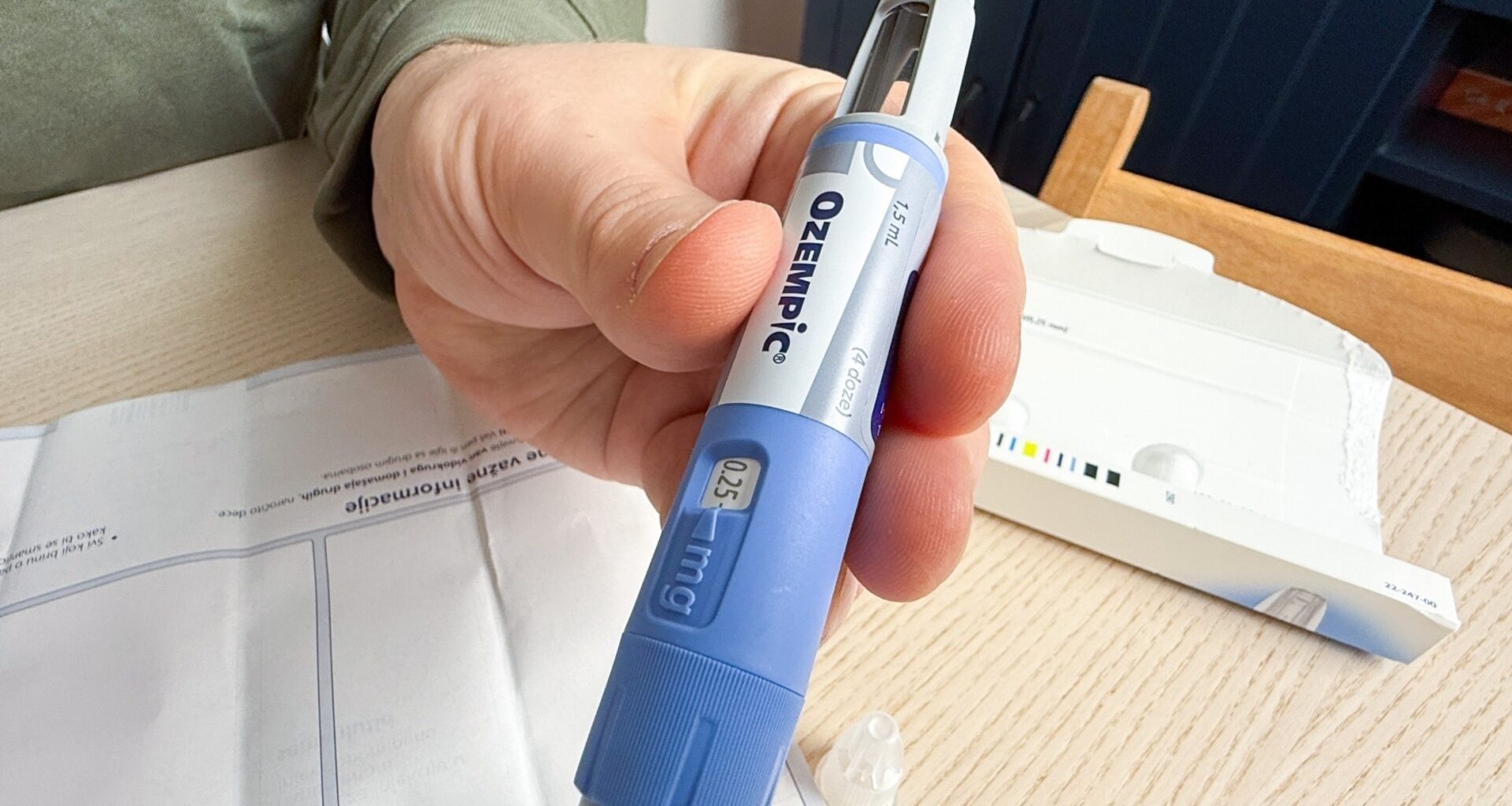
People on GLP-1 weight-loss drugs keep reporting the same side effects. The pull toward a second drink fades, the cravings ease, and the constant mental noise about food goes quiet.
A pair of criminologists noticed that pattern and pursued a new question.

They wanted to know whether a drug that quiets the urge to drink might also quiet the urge that leads people to violence.
GLP-1 drugs ease many cravings
GLP-1 medications are sold as Ozempic and Wegovy, and prescribed mostly for diabetes and obesity.
Over a few short years, doctors and patients noticed the injections seemed to dial down far more than appetite.
One trial found that a low dose cut drinking and cravings in adults with alcohol problems.
Other reports tied the medications to less smoking and weaker compulsive urges.
Data from a national survey
Dr. Daniel C. Semenza is a criminologist at Rutgers University who directs research at New Jersey’s gun violence research center.
In collaboration with his colleague Christopher Thomas, Dr. Semenza turned to a 2025 survey built to mirror the adult U.S. population – with 7,521 people answering questions about their health and habits.
Within that data, 821 individuals had used a GLP-1 drug at some point. About 600 were still taking the medication, and roughly 220 had stopped.
The survey asked people to report their own violent behavior over the past year. This included fighting, assault, and robbery.
The questions also gauged impulsivity and how much each person drank – two factors that are linked to violence.
Impulsive violence drops among GLP-1 users
Among former GLP-1 users, the old rule held. People who scored high on impulsivity, or who drank heavily, reported far more violence – just as generations of research predicted.
Switch to people currently on the drug and that link weakens.
Impulsivity’s pull toward violence was about 62 percent weaker than in the group that had stopped taking the medication, the largest effect the researchers found.
Two things were already known. Impulsive people commit more violent crime, and GLP-1 drugs calm cravings. Nobody had joined those facts to see what happened to violence.
“Among current users, those relationships were much less pronounced,” Semenza said.
Former users showed the textbook tie between impulsive, hard-drinking people and violence. Current users barely showed it.
The drinking effect
Alcohol told a similar story, but with more static. The link between heavy drinking and violence ran about 52 percent weaker among current users, a real drop at first glance.
The researchers ran additional analyses to see whether the findings would survive stricter testing. The impulsivity result did.
The drinking result was less consistent, showing up in some models but disappearing in others.
Even the softer signal fits a growing body of work. One large study tracking people for years found fewer alcohol-related hospital visits while they used a GLP-1 drug.
The new paper hints the effect may extend to violence, and not just personal drinking.
Calming the brain’s reward system
Why would a weight-loss drug have an effect on violence?
The drug latches onto receptors in brain areas involved in reward, motivation, and the brakes on rash action.
A systematic review suggests these drugs quiet parts of the brain’s reward system involved in craving and motivation.
Researchers think that effect could extend beyond food and alcohol. If the brain becomes less reactive to urges, the path from impulse to action may weaken as well.
Thomas likened the effect to cognitive behavioral therapy, the talk therapy that teaches people to notice an urge and pause before acting.
The drug seems to weaken the path from impulse to action – not the impulse itself.
A pattern, but not proof
The study has some limitations. It captured one moment in time, with no way to follow people as they started or stopped the drug.
That design can spot a pattern, but cannot prove a cause. The people who stay on these drugs may differ in ways the survey never caught, such as in temperament.
Self-reported violence is never a clean record, and that is what the survey relied on.
Further research is needed to track users over time – ideally in trials that include the time before and after GLP-1 drugs are used.
Where this goes next
For the first time, researchers have evidence that people on a GLP-1 drug show a far weaker link between impulsivity and violence than similar people who have stopped.
The implications extend well beyond weight and blood sugar. Millions already take these medications, and the findings raise new questions about how they affect impulse control and behavior.
That does not mean doctors will start prescribing them to prevent violence, and the researchers are not suggesting they should.
What the study offers instead is an unexpected connection between medicine and criminology – one that now needs to be tested with stronger evidence.
The study is published in the journal Criminology.
—–
Like what you read? Subscribe to our newsletter for engaging articles, exclusive content, and the latest updates.
Check us out on EarthSnap, a free app brought to you by Eric Ralls and Earth.com.
—–