

Welcome to Trump’s America, The i Paper’s World Insight series presenting the sharpest, deepest thinking on an era-defining shift in history and politics, investigating how Donald Trump and his administration have changed the US and the world – and where we go from here.
• How America’s conspiracy theorists broke the US
• The US is becoming impossible to live in
• I told Trump over dinner he didn’t have my loyalty – it sealed my fate
• This is how the world will look after Trump
• I’ve seen what ICE has done to Minnesota. Farage wants to import that to the UK
• The men who want to stop women voting
• Trump isn’t damaging America. He’s reinventing it’
Dreaming about retirement is an American obsession: this is an immigrant society where people work their socks off to provide a better future for their children.
At 57, I hope my golden years will be lived out in “coastal Grandma” style, full of grandchildren, beach walks, photogenic dogs and some watercolour painting before cocktail hour. I’m already learning bridge and Mahjong – next on the list is Canasta. I plan on escaping the bitterly cold New York City winters by flying south to Florida for a few weeks a year, where I’ll play tennis and make new friends.
The hope is that at some point you can stop working yourself into the ground and enjoy the fruits of your labours. But if you can’t afford to retire, you’ll just have to keep working. The bills keep on coming, as the owner of my local pet shop observed, while we were comparing notes on our recently replaced hips – they’re made of titanium and will outlast us, which is one less thing to worry about.
How much money do you need to retire comfortably in America? It’s a question that millions grapple with – and earlier this month, those nearing retirement age received a nasty shock. Retirees, who currently receive $2,081 (£1,570) month in social security checks on average, could face a 22 per cent reduction in benefits by the end of 2032.
Here’s the alarming news. The retirement safety net, established in 1935 and funded by payroll taxes, is running out of money. The trustees of the US Social Security system have projected a shortfall in the fund’s surplus unless Congress acts. And soon.
Why? The fund is collecting fewer taxes as a result of President Trump’s Big Beautiful Bill, plus tax revenues overall are shrinking due to declining fertility rates and reduced immigration. And Social Security’s finances are under pressure because the US population is ageing.
Baby boomers are retiring – and collecting their social security checks. Congress is expected to find a fix as retirees are the most reliable voting bloc in America. But with the US national debt exceeding GDP, there is a limit to the amount of creative accounting which can be done without freaking out the bond markets and further driving up the cost of borrowing.
In the 1950s, seniors made up a mere eight per cent of the population. In 2024, that percentage had increased to 18 per cent – and by 2030, more than a fifth of Americans are projected to be over the age of 65. America is greying – and that’s expensive.
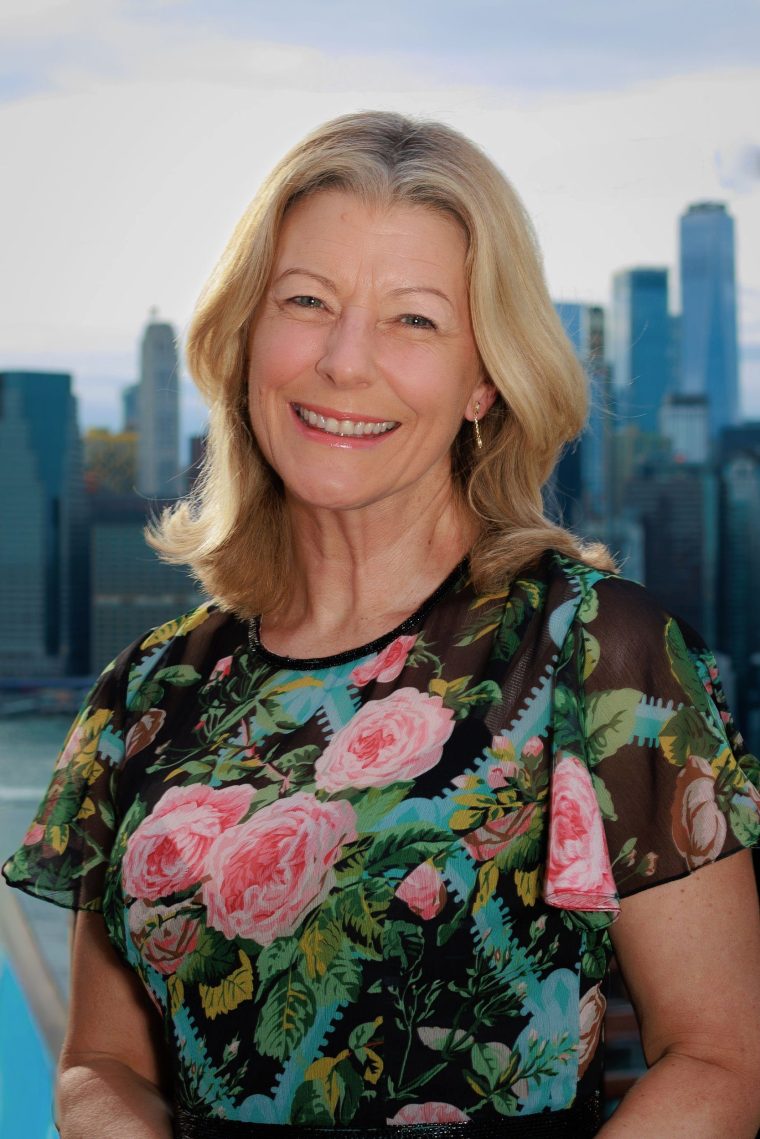 Laura Trevelyan, a naturalised American citizen, dreams of escaping the bitterly cold New York City winters in her retirement by flying to Florida (Photo: Kelley Holmgren)
Eek. I recently logged into my social security account to see how much I will be eligible for every month should I wait until I’m 67, which is what’s known here as Full Retirement Age, to claim retirement benefits. You can claim Social Security at 62, known as Early Claiming, but you get less. The monthly amount I would get looks OK should I wait 10 years to start claiming – but not if the fund is running out of money. If I am going to be part of the first generation to face cuts in Social Security, I’m willing to bet that our benefits will be reduced by a lot more than 22 per cent.
Then there’s rising inflation. Grocery bills are up almost 25 per cent since the pandemic, and now the war with Iran and the closure of the Strait of Hormuz have driven up energy costs which are feeding their way into the price of everything. If you add fears about permanently high inflation to worries about the health of entitlement programmes, it’s not surprising that just 61 per cent of Americans are very or somewhat confident about having enough resources for retirement. That’s down considerably from a high of 72 per cent in 2021.
The richest Americans have become even richer because the stock market has been booming – take Elon Musk, as an extreme example, who became a trillionaire last Friday when his Space X rocket company made its stock market debut. The wealthiest 10 per cent of Americans own 87 per cent of all stocks – so they’re seeing the benefits of the AI boom which is driving Wall Street trading to new heights, at least for now. Musk and his fellow tech bros don’t need to worry about affording their old age. But everyone else is dealing with higher home insurance due to more frequent flooding and fires as the climate gets warmer, stubborn inflation and the prospect of a social safety net which has huge holes in it.
Most Americans simply aspire to living in dignity in old age. A recent survey from an insurance company found that roughly 70 per cent of US workers who haven’t retired yet have considered pushing back their retirement date. Nearly half of those surveyed said they were afraid they wouldn’t have enough money to retire. Other research suggests that about 58 per cent of workers retire earlier than they intended – typically because of poor health, being laid off and caring for family members – with just 21 per cent of those surveyed saying they retired early because they could afford it.
Retirement may not be a choice. Yet if you don’t have enough money to retire and you’re forced out of full time work by ill health, you could be forced to stack shelves at a supermarket part-time just to make ends meet.
The future of healthcare is another worry for older Americans. My older friends tell me how much they love Medicare – the federal health insurance programme for the over 65s. While not entirely free – there are things like deductibles and fixed fees towards doctor’s visits and prescriptions which you have to pay – provided you or your spouse worked and paid Medicare taxes for enough years then you’re eligible.
Medicare is a little like the NHS, but only for seniors, my retired pals tell me. If you never paid Medicare taxes, then you have to pay a monthly premium to get the care. Confused? Welcome to the American health insurance system. So while the encouraging news is that Medicare exists – the bad news is that it too is facing a financial cliff. By 2033, Medicare’s revenues will only cover 89 per cent of the costs, thanks to taxes being reduced.
On top of the uncertainty surrounding the future of pensions and healthcare is the question of who will take care of us as we age. America is the ultimate mobile society, and it’s a geographically vast one. Many of my friends live thousands of miles away from their ageing parents, and aren’t in a position to look after them. While many elderly Americans can live at home independently, others need care at home or in a residential home.
Immigrants make up an estimated 28 per cent of the workforce in the long-term care industry, and care has reportedly been disrupted at homes as workers are too scared to show up after Donald Trump’s immigration crackdown ended deportation protections for thousands of migrants with temporary legal status. The Supreme Court is expected to rule on the legality of the Trump administration’s bid to end what’s known as temporary protected status (TPS) in July. If the administration prevails, the question of who will work in the care industry remains a pressing one.
The US fertility rate is also declining – which could leave us with fewer younger working adults to look after an ageing population and fewer taxpayers to support our social services programmes. Immigrants traditionally drive population growth – so if the Maga movement succeeds in curbing immigration in the long term, we could have a shrinking population and fewer people prepared to work in nursing homes.
As America’s pensioners worry about their financial futures, and who will care for them in their old age, two members of Congress introduced a bill last week to create an independent commission charged with finding “common sense” solutions to ensure the survival of social security. More of that kind of sensible thinking, please, I say as a naturalised American citizen who hopes to enjoy her golden years on this side of the pond.
Shorts
Scroll to previous short
Scroll to next short

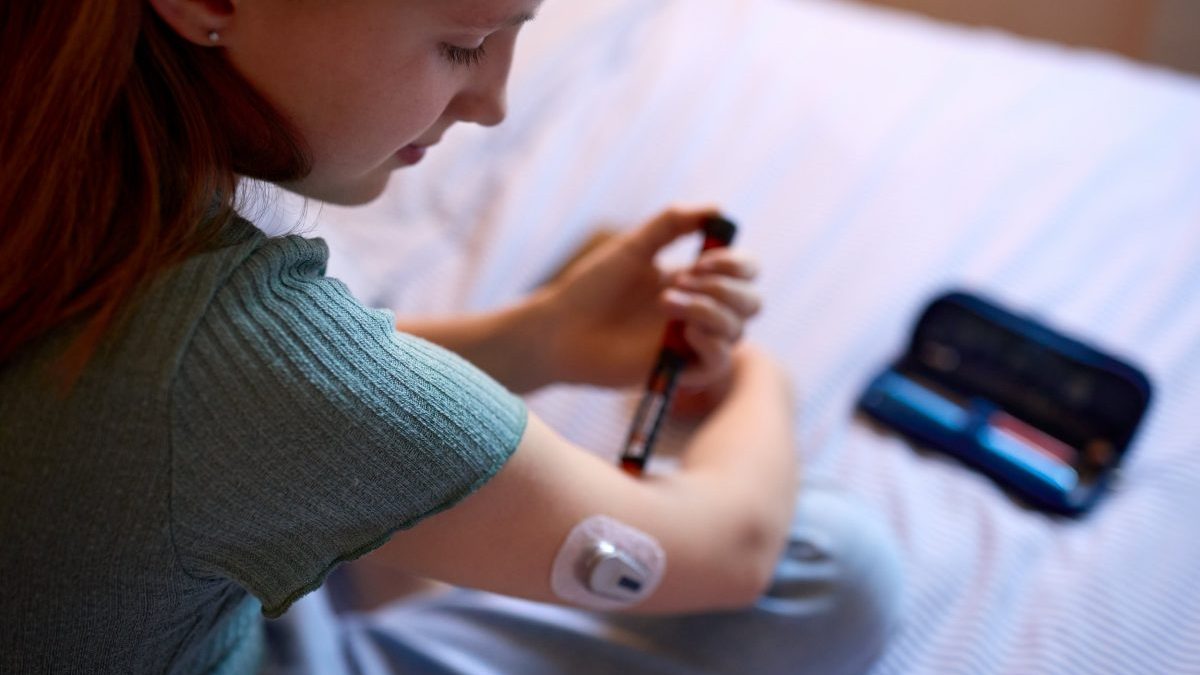 Caption: Close Up Of Diabetic Girl On Bed In At Home Using Insulin Pen To Measure To Check Blood Sugar Level
Photographer: monkeybusinessimages
Provider: Getty Images
Source: iStockphoto
How new type 1 diabetes drug welcomes ‘new age of treatment’
A new drug which can delay the onset of type 1 diabetes for up to three years will be made available on the NHS, in what experts have called a “landmark moment”.
Teplizumab could help 1,100 people in first year
Teplizumab is a first-of-its-kind therapy, approved for children aged eight and over and adults who have type 1 diabetes in its early stage before symptoms appear.
By delaying the onset of type 1 diabetes, it means those with early symptoms can live a fuller life before having to manage their condition with insulin.

HEALTH
4 min read
NEWS
3 min read
The expert view
For the first time in 100 years, we are moving beyond insulin, with a medicine that targets the root cause of the condition. This is an extraordinary moment for celebration in the type 1 diabetes community, and represents a shift towards a future where type 1 diabetes can be prevented altogether.
Dr Elizabeth Robertson, director of research at Diabetes UK
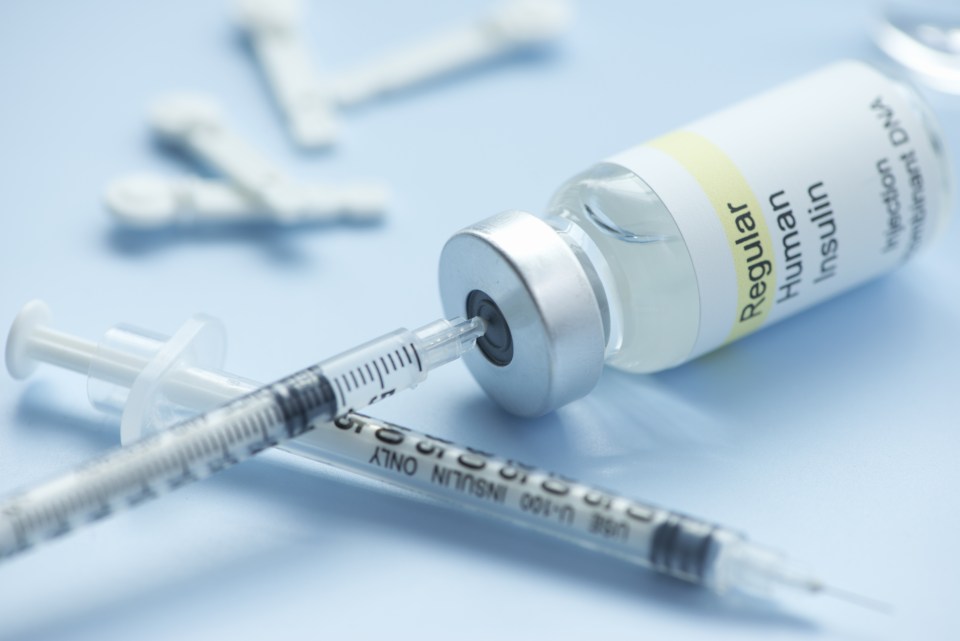 About 30 per cent of diabetics use insulin (Photo: Shutterstock)
How Teplizumab works
About 400,000 people in the UK have type 1 diabetes, a lifelong condition which causes the immune system to attack insulin-producing cells in the pancreas.
Teplizumab trains the immune system to stop attacking those cells.
Teplizumab is given through a drip into a vein once a day for 14 days in a row.
Each infusion takes at least 30 minutes.
The dose starts low and is gradually increased over the first few days of treatment.
It is a one-time course of treatment.
‘Detecting type 1 diabetes early is key’
Identifying those with the condition early means they could then be eligible for teplizumab. In the UK, there are currently two studies looking at screening for type 1 diabetes: the Elsa study for children aged two to 17, and the T1DRA study for adults 18-70.
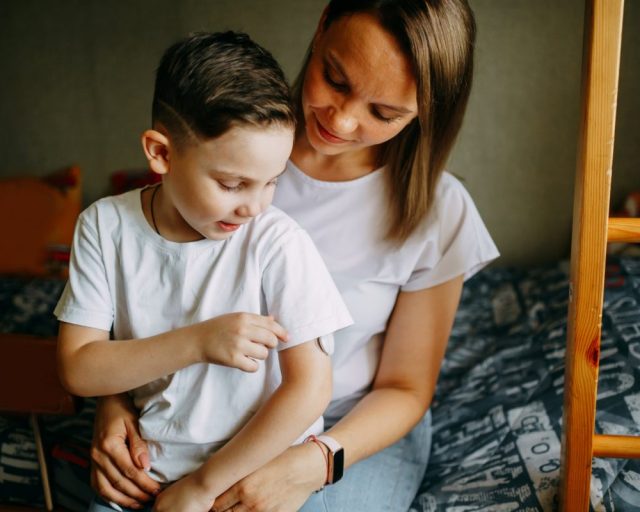 (Photo: Svetlana Repnitskaya/Getty).
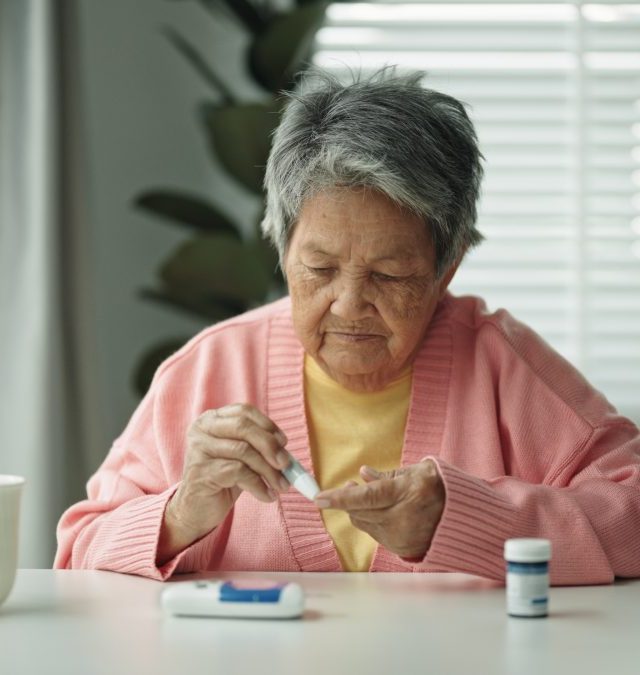 Elderly patient with diabetes using blood glucose meter. – stock photo. (Photo: Getty)
The National Institute for Health and Care Excellence estimates that around 1,100 people could be eligible for teplizumab in the first year, dropping to around 820 patients in the coming years.
 Caption: This is a generic photo of a man looking as his total sleep data on a smartwatch. See PA Feature WELLBEING Sleep. WARNING: This picture must only be used to accompany PA feature WELLBEING Sleep PA Photo. Picture credit should read: Alamy/PA.
NOTE TO EDITORS: This picture must only be used to accompany PA Feature WELLBEING Sleep.
Photographer: Alamy/PA
Provider: Alamy/PA
TECHNOLOGy
Drivers told not to use a smartwatch behind the wheel
Drivers are being urged not to use smartwatches behind the wheel, with legislation covering the gadgets described as “unclear”.
The RAC, which issued the plea, said motorists could fall foul of handheld phone rules if they clear notifications on smartwatches.
How owners are ‘in the dark’
The motoring services company warned that smartwatch owners are “in the dark” about the rules for using while driving.
It commissioned a survey which suggested 40 per cent of motorists who drive at least once a month own a smartwatch, rising to 73 per cent among 17-34 year-olds.
Some 22 per cent of respondents with smartwatches said they touch them while on the road.

Analysis
4 min read
A closer look at the detail
The RAC described these actions as “potential causes of distraction” but stated people doing them “cannot be sure whether they are committing an offence”.
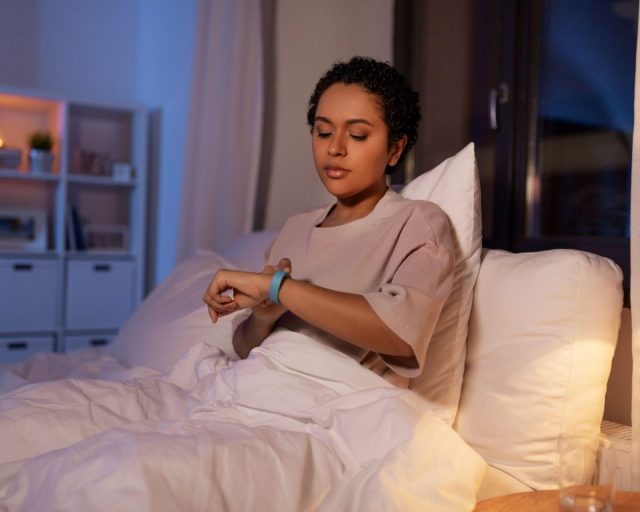 Caption: This is a generic photo of a woman sitting up in bed looking at sleep tracking data on a smartwatch. See PA Feature WELLBEING Sleep. WARNING: This picture must only be used to accompany PA feature WELLBEING Sleep PA Photo. Picture credit should read: Alamy/PA.
NOTE TO EDITORS: This picture must only be used to accompany PA Feature WELLBEING Sleep.
Photographer: Alamy/PA
Provider: Alamy/PA
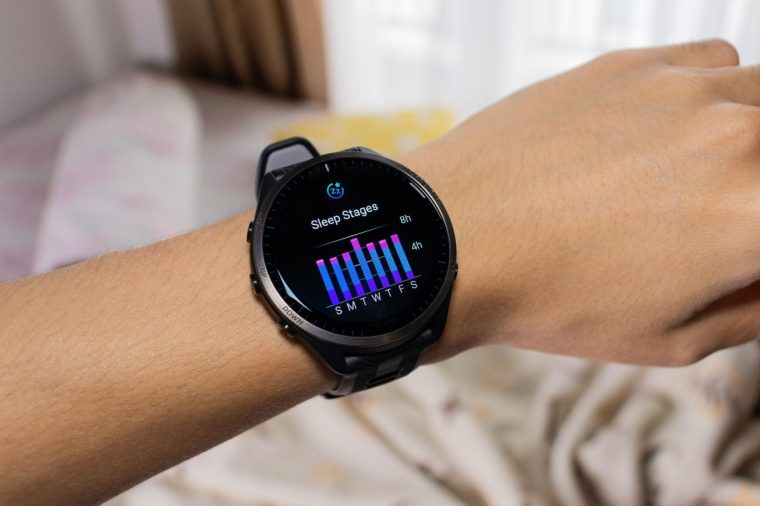 Caption: This is a generic photo of a smartwatch displaying sleep stage data. See PA Feature WELLBEING Sleep. WARNING: This picture must only be used to accompany PA feature WELLBEING Sleep PA Photo. Picture credit should read: Alamy/PA.
NOTE TO EDITORS: This picture must only be used to accompany PA Feature WELLBEING Sleep.
Photographer: Alamy/PA
Provider: Alamy/PA
It is illegal to use a hand-held mobile phone while driving. In the majority of cases this carries a punishment of six points and a £200 fine.
The expert view
Current legislation on smartwatches is unclear and could lead to drivers unwittingly paying the price. As smartwatch ownership becomes the norm for younger drivers, their use on the road is only likely to grow. Lawmakers need to get ahead of this issue.
RAC road safety spokesman Rod Dennis
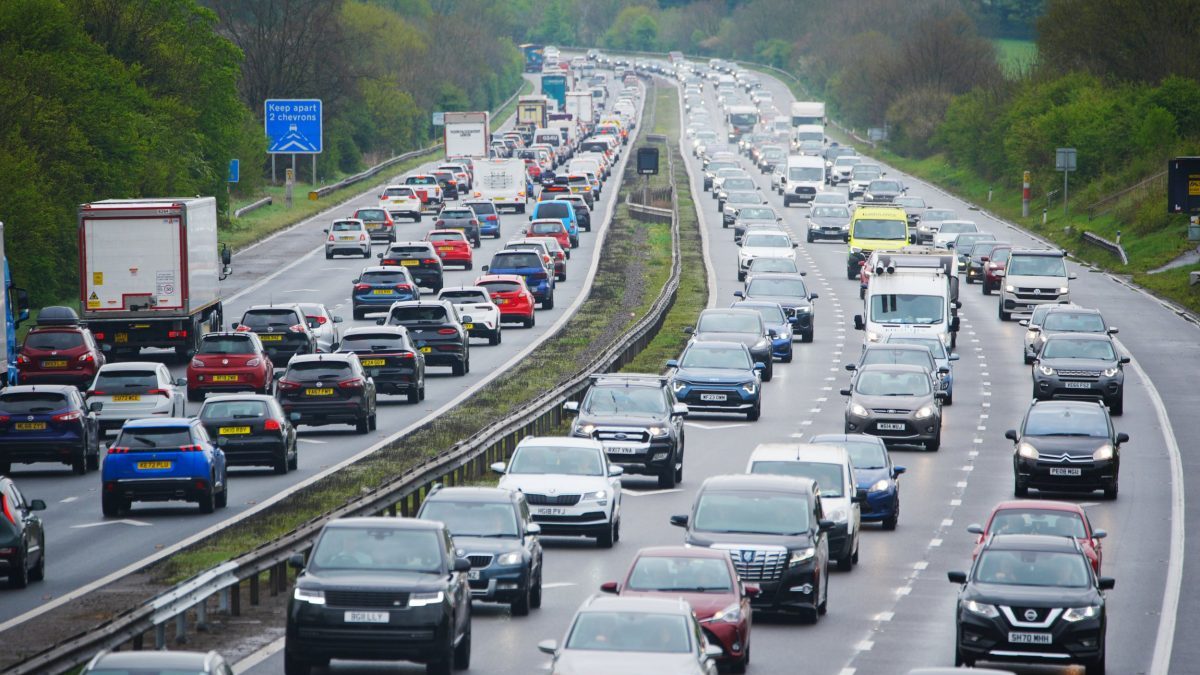 Motoring groups are worried about tax changes (Photo: Ben Birchall/PA Wire)
SCIENCE
Why this heatwave could be more dangerous and feel worse than ever
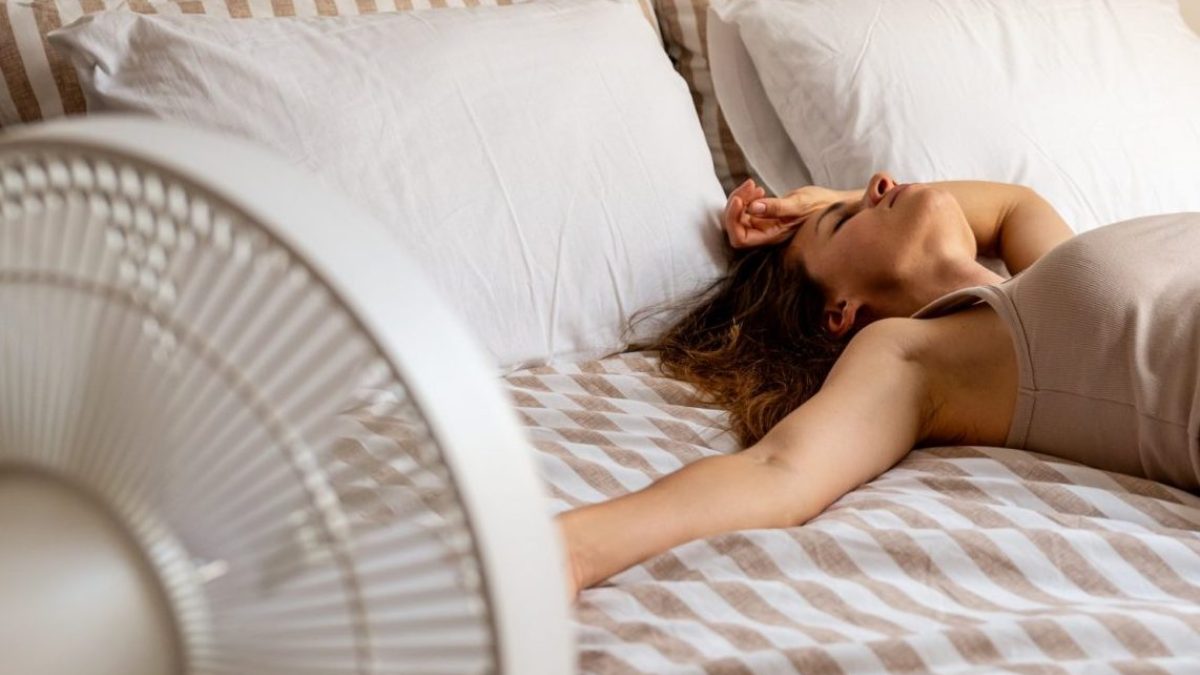

Most of England and Wales face a fierce heatwave in the next few days, with parts of southern England set to come close to 40°C. While the UK has reached this point before, there’s a special feature of this heatwave that will make it feel worse than ever – the humidity.
The danger of humidity
Humidity – the amount of water vapour being carried in the air – is important because high levels interfere with sweating, the main way that that we cool down. So, when it is both hot and humid, it feels warmer than the air temperature suggests.

Analysis
3 min read

LIFESTYLE
7 min read
The expert view
When humidity is high, sweat cannot evaporate as effectively, so the body struggles to regulate its temperature even if the air temperature itself is not at its peak. What makes this week particularly notable is not just the heat but the humidity. Humid heat is harder heat.
Professor Hannah Cloke, a climate expert at the University of Reading
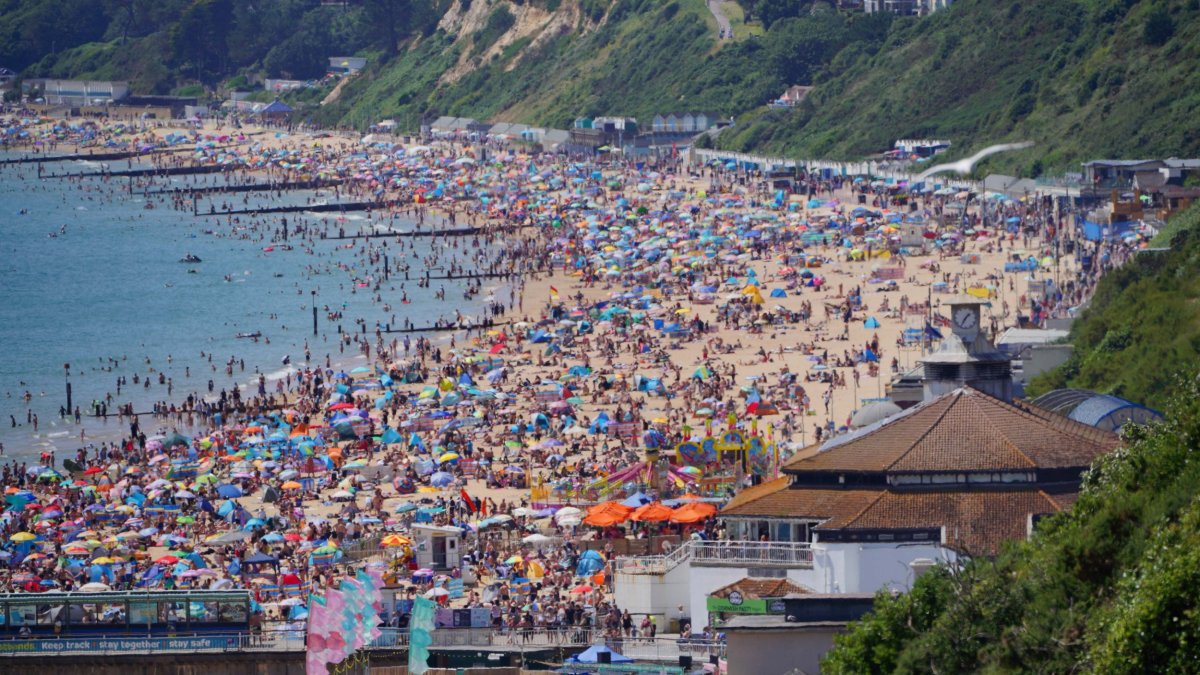 Caption: People enjoy the weather on Bournemouth beach in Dorset. England could see the hottest day of the year this weekend as the skies finally clear after weeks of wet and humid weather. Picture date: Saturday July 17, 2021. PA Photo. Photo credit should read: Ben Birchall/PA Wire
Photographer: Ben Birchall
Provider: PA
Source: PA
What this means for health consequences
This means that not only will it feel muggy and unpleasant, but people may also be at higher risk of suffering serious health consequences.
While overheating is rarely recorded as a direct cause of death, there can be up to thousands more deaths during heatwaves, from common causes such as heart disease, stroke and lung conditions.
Explained
4 min read
What to expect this week
In the summer of 2022, when parts of southern England reached 40°C for the first time, there were nearly 3,000 more deaths than would have been expected in England.
The humidity during this heatwave “will be significantly higher than what we observed during the heatwave in July 2022”, says Met Office spokesman Stephen Dixon.
For instance, humidity on Wednesday is forecast to reach 50 per cent in Reading at 10am, while it was only 28 per cent there at the same time in 2022.