
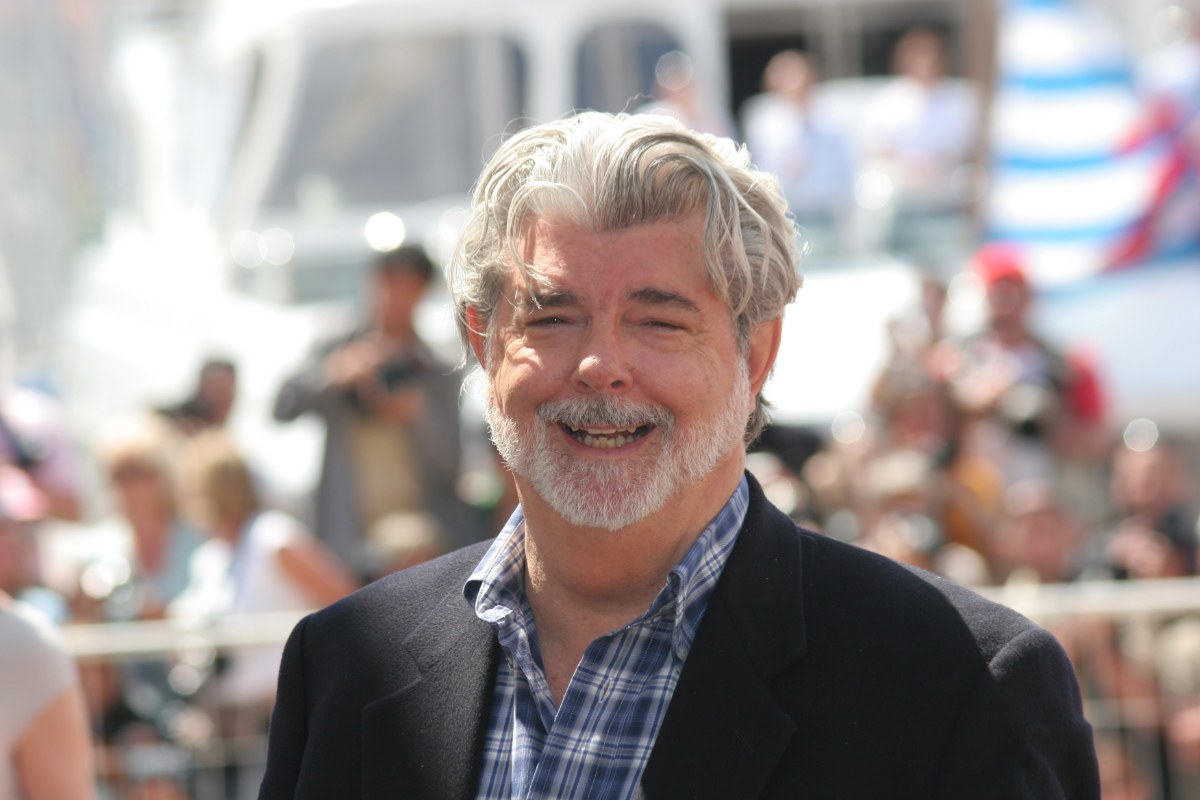
“It sounded really exciting,” Ian McDiarmid said of a Star Wars series George Lucas once discussed with him more than 20 years ago, centered on Emperor Palpatine’s rise to power. Speaking at Spacecon 2026 in San Antonio, McDiarmid described an arc likened to the ascent of historical dictators and said he even hoped to direct an episode, but the project was ultimately shelved as Disney+ ramped up Star Wars TV output.
At Spacecon 2026 in San Antonio, Ian McDiarmid let slip that George Lucas once floated a Star Wars series built around Emperor Palpatine, sketched out more than 20 years ago over a lunch meeting. The pitch followed Palpatine’s rise to power with the kind of grim historical parallels usually reserved for real-world dictators, including Adolf Hitler. McDiarmid says it “sounded really exciting”, even mulling the idea of directing an episode, but the project never made it to production. It’s a striking what-if, especially now that Disney+ is crowded with new Star Wars series that would have made room for it.
A Star Wars series that never saw the light
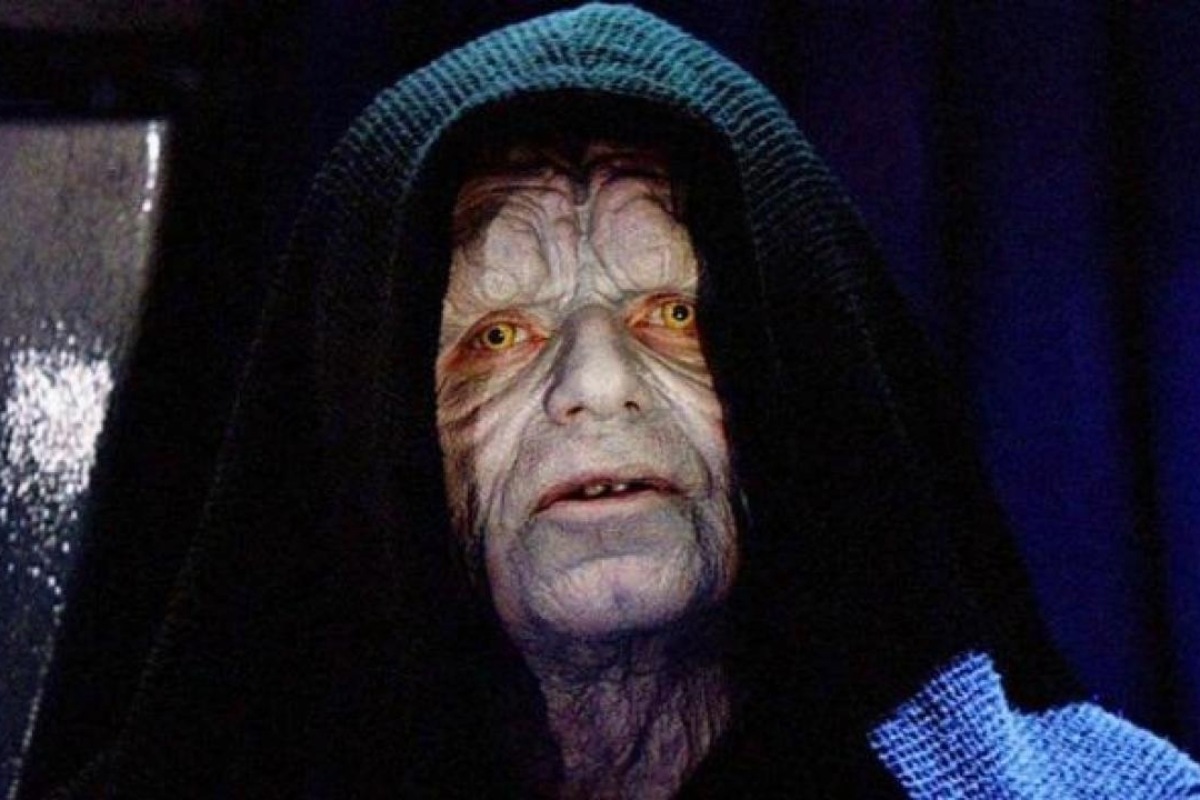
Long before the current flow of Star Wars spinoffs, there was a different kind of pitch floating around Hollywood. More than 20 years ago, George Lucas reportedly weighed a live-action TV series centered on Emperor Palpatine, not to repeat familiar lightsaber milestones, but to trace the quiet, procedural climb that made him inevitable. Today, with Star Wars firmly at home on Disney+, that lost concept reads like a particularly tempting “what if.”
The hook was simple and unsettling: focus on the politician before the tyrant, the smiling public servant before the hooded Sith. Instead of chasing the next battle, the story would have leaned into persuasion, leverage, and the careful shaping of public fear, the things that don’t look like action until it is too late.
Ian McDiarmid shares what Lucas wanted
The clearest window into the abandoned plan comes from Ian McDiarmid, the actor who has embodied Palpatine across decades of films and TV. Speaking at Spacecon 2026 in San Antonio, he described Lucas bringing up the series over lunch, framing it as a political rise rather than a supernatural origin story.
McDiarmid said Lucas even compared Palpatine’s arc to real-world authoritarian trajectories, including Adolf Hitler’s, emphasizing how an ambitious figure can move through legitimate systems and come out the other side as a dictator. The idea also included an assassination attempt that would fail, a plot point that neatly fits Palpatine’s talent for turning danger into sympathy and control.
Why the project stayed on the shelf
For all the excitement, the series never moved forward. McDiarmid has suggested he was eager to participate, and that Lucas floated the possibility of him directing an episode, which tells you how personally shaped this show might have been.
Still, the timing worked against it. A prestige, effects-heavy Star Wars drama was a much harder sell in the early 2000s television ecosystem, especially one built around procedure and power rather than a rotating set of heroes. What audiences now expect from franchise TV, and what budgets can support, simply was not standard then.
What Star Wars TV became instead
Palpatine’s path is already sketched across the prequel films, where he maneuvers from respected senator to chancellor and then to Emperor, all while presenting each step as order restored. A dedicated series could have slowed that down and lived in the details, making every handshake and backroom promise feel like a turning point.
By the time The Mandalorian arrived in 2019, the industry had finally built an on-ramp for big-screen worlds to thrive on the small screen. That shift makes Lucas’s shelved Palpatine idea feel less strange now, and more like an early signal of where Star Wars storytelling was headed.