
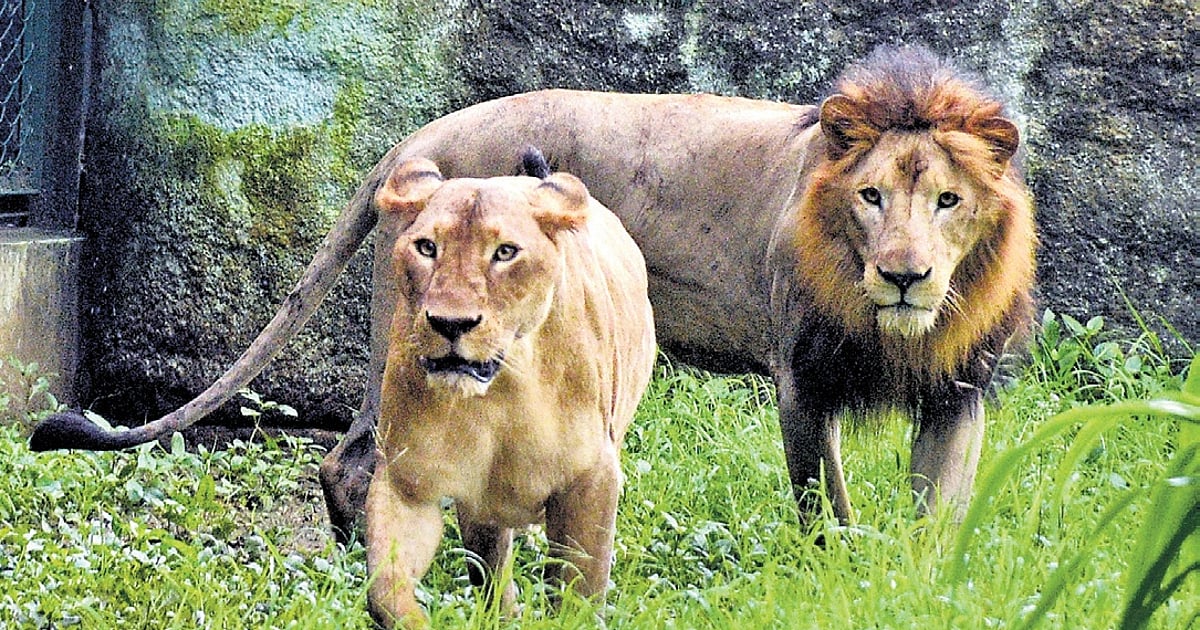
Such responses are typically reserved for high-risk scenarios. In an open, interconnected habitat like Gir, where prides overlap and movement is continuous, even a localized infection can potentially escalate into a wider outbreak. That risk is what has kept the episode under close watch.
What is babesiosis?
Babesiosis is a parasitic disease caused by microscopic organisms of the genus Babesia, typically transmitted through tick bites. Once inside the body, the parasite invades red blood cells and destroys them, leading to severe anaemia, organ stress and, in advanced cases, death.
In wildlife settings, the disease is particularly difficult to detect early. Symptoms often remain hidden until the infection has progressed significantly, leaving limited scope for intervention. Unlike in controlled medical environments, wild animals receive no timely diagnosis or structured treatment, making outcomes far more severe.
For conservationists, babesiosis is therefore not just a veterinary concern but a wider ecological risk—one that can silently affect population stability if not detected early.
A recurring pattern in Gir
Gir has seen similar episodes before. Outbreaks of babesiosis were reported in 2018 in the Dalkhaniya range and again in 2020 and 2021 in parts of Dhari and Khambha. Each time, sudden deaths were followed by containment efforts and field investigations.
The recurrence of such cases has raised difficult questions: whether the disease is being fully eliminated or merely resurfacing due to persistent ecological or management gaps, including tick prevalence, habitat stress or monitoring limitations.
A deeper historical warning: CDV
If babesiosis represents the immediate concern, canine distemper virus (CDV) remains a more enduring warning.
In 2018, more than 23 lions died in the Dalkhaniya range due to CDV, a highly contagious viral disease that typically affects domestic dogs but can spill over into wild carnivore populations. The outbreak triggered widespread alarm and underscored the vulnerability of a single, geographically concentrated lion population.