
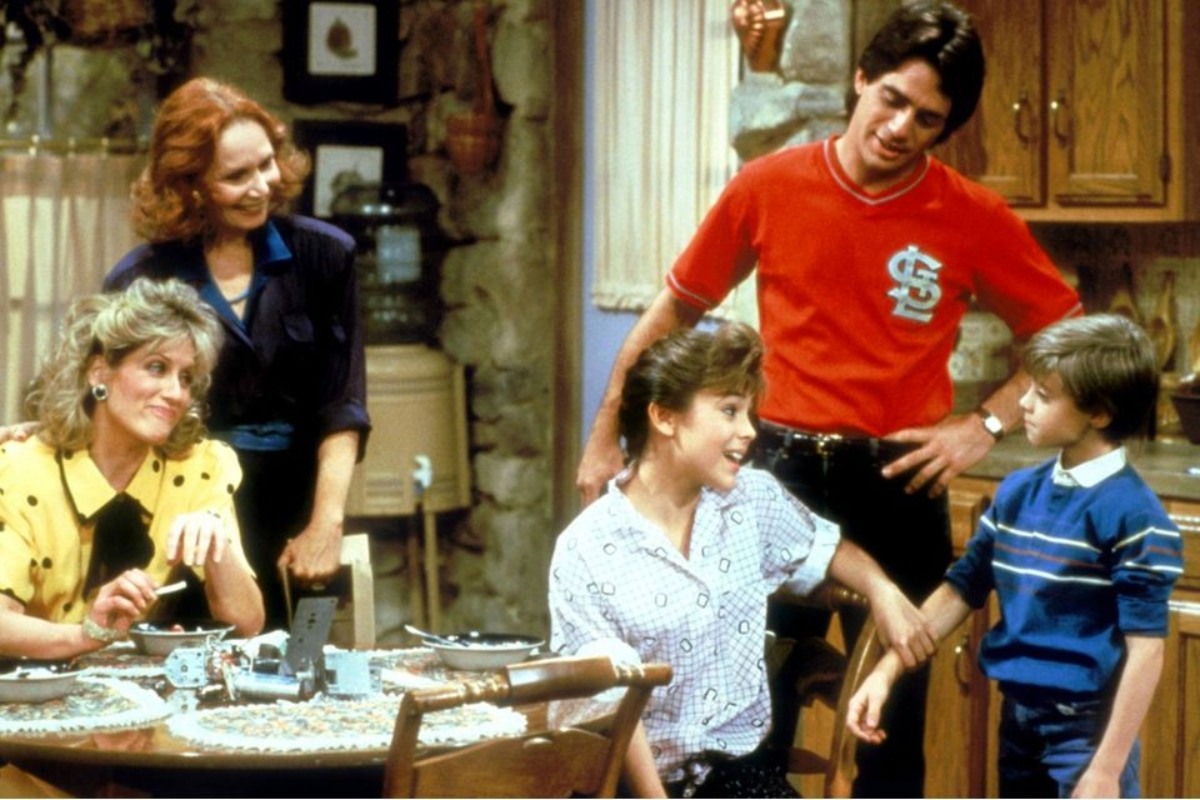
Danny Pintauro, who played Jonathan Bower on Who’s the Boss? from 1984 to 1992, says he now picks up shifts as an Amazon Flex delivery driver. The former child star points to inconsistent income from rerun and DVD royalties and the need to stack multiple jobs to support his family.
For many viewers, Danny Pintauro is still the kid who played Jonathan Bower on “Madame est servie,” sharing scenes with Tony Danza and Alyssa Milano week after week. Today, at 50, he spends his days on the road as a delivery driver for Amazon Flex, a far more common paycheck than the one people assume comes with old fame. In interviews relayed by Fox News and Page Six, he points to a simple reality: reruns and DVD sales do not reliably cover a life, especially in a shaky economy. His story lands on a stubborn misconception about Hollywood, that a familiar face automatically means lifelong financial comfort.
From prime-time fame to a quieter kind of hustle
For many Americans, sitcom reruns are a time machine. You catch an episode, and suddenly the living room feels like the late 1980s again. That’s why it lands with a small jolt to hear that Danny Pintauro, the kid millions watched grow up on Who’s the Boss?, now spends part of his week working the road as an Amazon Flex delivery driver.
Pintauro played Jonathan Bower through the show’s long run, from 1984 to 1992, sharing scenes with Tony Danza and Alyssa Milano as the series became a staple of American prime time. He also appeared in the film “Cujo,” then kept working in fits and starts. These days, he still auditions, but he also clocks in somewhere far from a soundstage.
The reality behind reruns and royalty checks
In an interview he gave to Fox News that was later picked up by entertainment outlets, Pintauro pushed back on a familiar assumption: that recognition automatically means security. Indeed, the economics of older TV contracts were built for a different era, long before streaming libraries, DVD box sets, and endless on-demand viewing reshaped how shows earn.
His explanation was bluntly practical. When a series is licensed and re-licensed, the slice that makes its way back to performers can shrink over time, and it may not track with how often viewers watch. Pintauro said that for early episodes, he can receive as little as 5 to 6 cents per episode, a figure that turns nostalgia into something more sobering.
A choice to diversify, not a headline-friendly “fall”
Pintauro doesn’t frame the delivery job as a cautionary tale. He talks about it as a normal response to the current economy, where more people patch together multiple income streams, even if their face is familiar.
There’s also a reason his old paychecks didn’t become a permanent cushion. He has said he used a significant portion of what he earned acting to pay for school, including a dramatic arts degree at Stanford University. That’s not scandal, just arithmetic, the kind most households understand.
What his pivot says about fame in 2026
Pintauro’s story lands because it gently rewrites the script we tend to hand former child actors. The public still treats “regular work” as a surprise twist, when for many performers it’s simply part of staying afloat between gigs.
And maybe that’s the real takeaway. A recognizable name can still mean auditions, side jobs, and budgets that need watching, just like anyone else trying to make a living in America right now.