
Dementia deaths among women are at the highest level in five years, according to figures.
Women are twice as likely to die from dementia, which for the last decade has been the leading cause of death in the UK, outside of 2020-21 when it was Covid-19.
Females are also more likely to develop dementia and provide unpaid care to others, making the disease a “triple burden” to women, the charity Alzheimer’s Society has said.
In 2025, deaths from dementia in England and Wales rose to 72, 272, the highest since records began and 4,000 more than the year before.
However, almost two thirds of these – 45,874 – were among women, data from the Office for National Statistics (ONS) shows. That was the second-highest on record, rising in each of the past five years, and accounting for one in six of all deaths among females. This increases to a quarter among women who are aged 80 and over.
And despite two-thirds of people living with dementia also being female, the majority of unpaid carers are still also women, at 68 per cent, research shows.
Michelle Dyson, the chief executive of Alzheimer’s Society, said there was a “disproportionate impact on women compared to other major health conditions”.
“They are more likely to develop the condition, die from it and bear the brunt of care,” she said. “This new data further emphasises the immense toll this condition has on women.”
Ms Dyson said women “are repeatedly being failed by a system that is stuck in delay and denial”.
“Often not prioritised by professionals and unable to access the support they so desperately need, both as carers and as people living with the condition,” she added.
“The scale of the impact of dementia on women does not currently match the priority given to it by government. We must strive to better our understanding of the specific challenges faced by women with dementia through research, and the Government must take urgent action to avoid another decade of failing people with dementia.”
Dementia can often be missed in women or misdiagnosed because it can present differently than in men.
Women’s symptoms are typically more subtle, such as struggling to find the right word or becoming more withdrawn or sad, leading to it being misdiagnosed as menopause or depression.
More than one in three women are worried about trying to obtain a dementia diagnosis, the charity said.
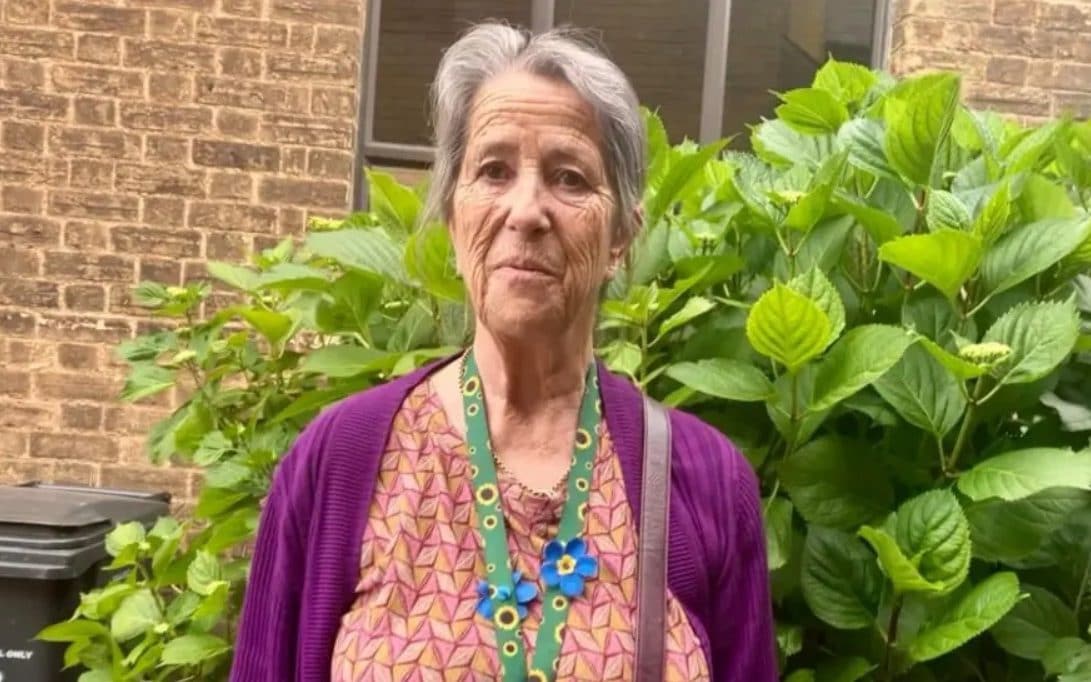
It took Ellen Turner, 68, from Bishops Hull, more than a year to receive a diagnosis of vascular dementia after her GP said she was “too young” to have the condition.
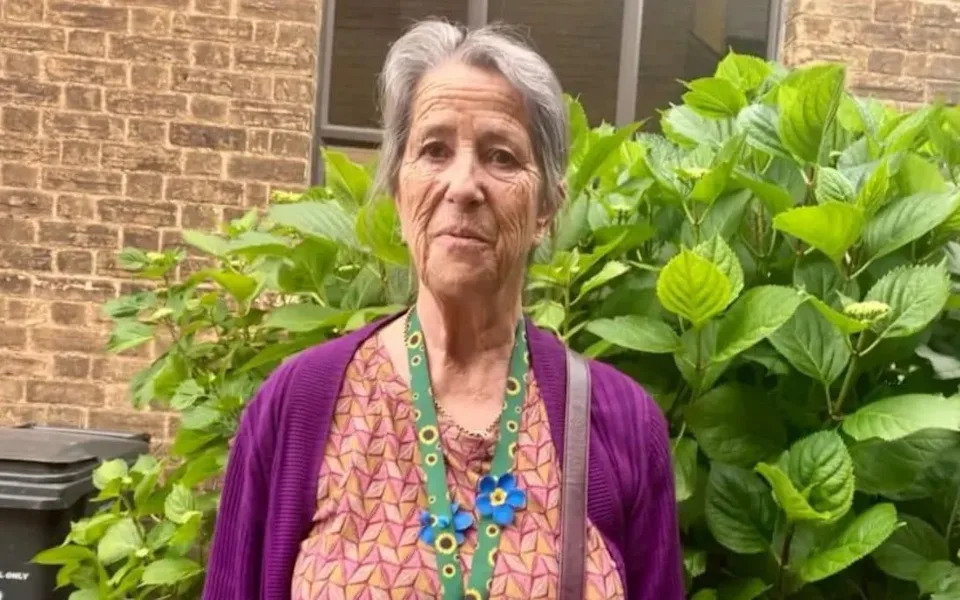
It took Ellen Turner more than a year to be diagnosed as having dementia
Ms Turner had seen dementia up close having also been a carer to her mother who had the condition.
“I knew the signs and symptoms of dementia from caring for Mum, so when I started noticing changes in myself, I went to my GP but was told I was too young at 63 to have it and sent away,” she said.
“More than a year passed before I finally got my diagnosis and the news left me feeling scared and alone.”
She added: “So many women spend years caring for others, only to face the condition themselves later on. We are living longer, but too often we’re left to face dementia without the support that is desperately needed.
“Dementia has shaped my life from both sides – as a carer and now as someone living with it – and it really shouldn’t be this hard to be heard and get help.”