
Negative energy prices reveal opportunities for markets and consumers.
US consumers have experienced rising prices for most of this decade. Energy bills have climbed at an even faster rate – particularly prices for retail electricity and, since the start of the Iran War, for gasoline and diesel. Curiously, even amidst this inflationary environment some energy prices have been negative – specifically, the price of natural gas sold in the Permian Basin and wholesale electricity prices during periods of high wind and solar generation and low demand. Negative prices mean that the value of the energy is so low that producers are willing to pay money for someone to take the product off their hands. It is a curious phenomenon that can reveal disconnects in the US energy system. I think it’s worth digging into whether negative energy prices reveal shortcomings in energy policy.
Too Much Gas
The most persistent negative prices this year have been for natural gas purchased at the Waha Hub in west Texas. The Waha Hub is in the heart of the Permian Basin, an oil and gas producing region spanning Texas and New Mexico. Waha Hub prices were negative for 90 consecutive days this year. Prices averaged -$2.19 per million British Thermal Unit (mmBTU) from the start of 2026 through mid-June. In contrast, national benchmark prices at Henry Hub were around +$3.00 per mmBTU during this period.
 SOURCE: Energy Information Administration.
The primary reason for natural gas prices being lower in the Permian Basin than elsewhere in the US is that there is too much Permian gas production relative to the pipeline capacity that can move the gas to consumers and a lack of nearby natural gas storage. Why don’t natural gas producers throttle back their gas production before prices go negative? The primary reason is that much Permian gas production is a by-product of oil production, referred to as “associated gas”, and oil prices have been high, so oil producers can sell their natural gas at a loss and still make a net profit from selling the oil. The negative prices also reflect environmental policies. Most products don’t enter negative pricing because the producer just gets rid of it. Say if there was a bumper zucchini crop – the extras would likely make their way to an industrial compost pile. Similarly, flaring natural gas would be a cheaper way to dispose of excess natural gas than paying someone to take it. Companies could choose to increase flaring given the market glut, but apparently some producers are instead deciding to bring their gas to market at a loss. This is almost surely due to needing to comply with regulations or corporate environmental commitments.
Do negative gas prices in the Permian point to energy policy shortcomings? I don’t think so. Companies are responding to the market dynamics by developing pipelines to flow Permian natural gas to the Gulf Coast, including projects coming online in 2026 and 2027. Future pipeline projects out of the region, including the Desert Southwest Pipeline expansion to Arizona, have to get through a gauntlet of permitting reviews which could slow things down. Policymakers concerned about flaring will need to monitor whether any pipeline permitting barriers have the unintended consequence of increasing flaring if companies continue increasing oil production before the new pipelines come on-line.
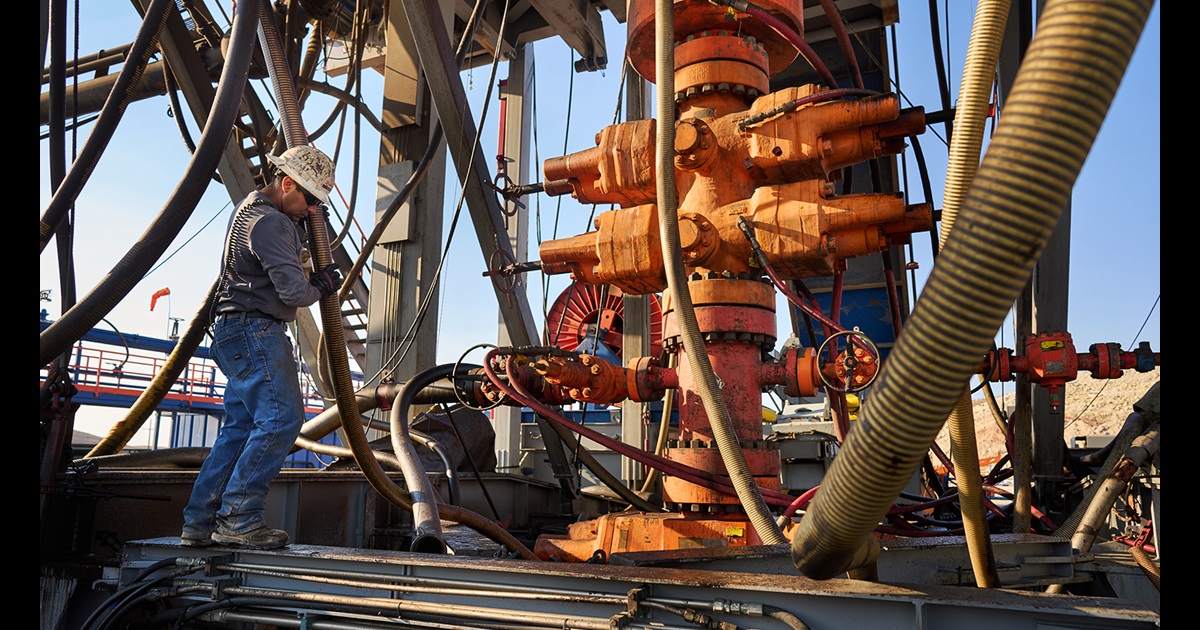
 Drilling equipment in the Permian Basin. SOURCE: Chevron.
Negative Electricity Prices – Unanswered Questions and Opportunities
Negative prices have also become common in wholesale electricity markets. Lucas Davis explored the dynamics leading to negative electricity prices in a 2017 blog post. Negative prices tend to occur at times when solar and wind generation levels are high and demand is low. These conditions are most common in the spring during the middle of the day.
The persistence of negative electricity prices remains curious though. As Lucas Davis illustrated in his most recent blog post, wind and solar generation can be curtailed when not needed. Why isn’t more wind and solar generation curtailed before prices become negative?
The frequency of negative prices in the California Independent System Operator’s (CAISO’s) markets has grown since 2017, but the just-released 2025 Annual Report report from the CAISO’s Department of Market Monitoring shows that the frequency of negative prices in the day-ahead market decreased from 8.8% of market intervals in 2024 to 7.7% in 2025. The frequency of negative prices in the same-day 15-minute and 5-minute markets also decreased. The growth of battery storage in the CAISO could explain the decline. Batteries can charge when prices are low or negative and discharge higher priced periods. The continued expansion of the west-wide Energy Imbalance Market could also be a driver by more effectively connecting areas of excess generation with areas that need to meet strong demand.
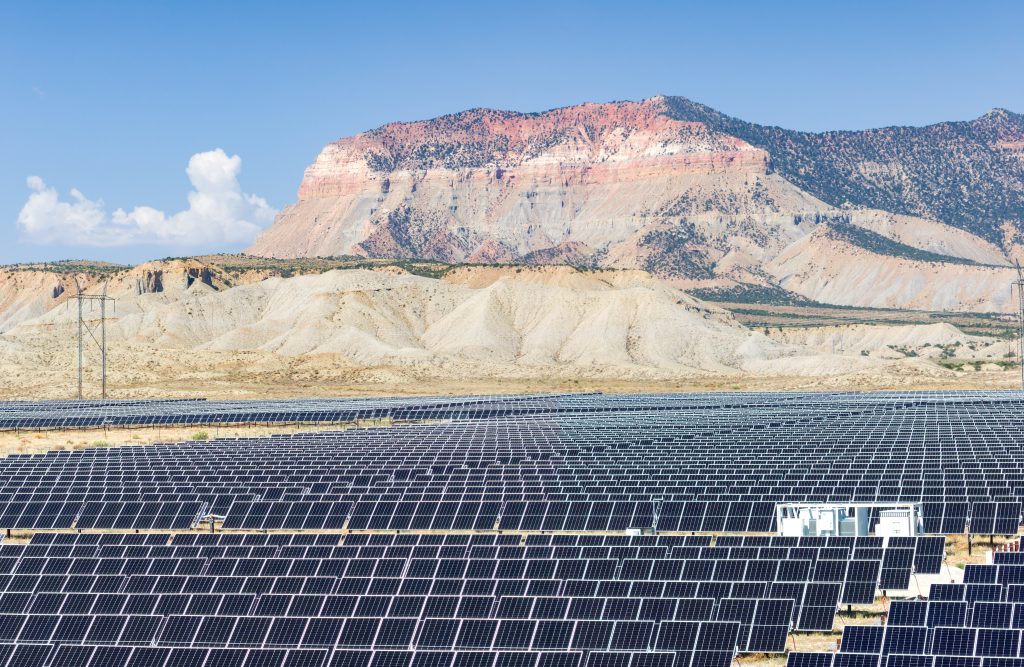 Castle Solar project in Utah. SOURCE: University of Utah.
Negative prices are not just caused by solar and wind generation. Some fossil-fueled generation, coal- and natural gas-fired, commit to production schedules a day or more in advance. When solar and wind generation is unexpectedly high or demand is unexpectedly weak, the fossil-fueled plants stick to their previously planned schedules, because they can’t change output too quickly, leading to negative prices. The newly-launched Extended Day Ahead Market (EDAM) could change this dynamic. The EDAM market combines the historical CAISO region with other western utilities into a common day-ahead market. The joint planning of generation schedules on a day-ahead basis could result in fossil-fueled generators operating more flexibly (i.e., less), and an outcome could be fewer negative price intervals.
The biggest untapped opportunities presented by negative electricity prices are on the demand-side. Today, electricity consumers in most markets have no way to get access to the negatively priced energy. The negative energy prices should be telling consumers to charge their vehicles, ramp up their industrial processes and shut off their rooftop solar systems, but consumers are not getting the message. Negative electricity prices should motivate policymakers to find ways to reform retail pricing and make negative electricity prices into a positive for consumers.
Follow the Energy Institute on Bluesky, LinkedIn, and our new Instagram. Also subscribe to our email list to keep up with future content and announcements.
Suggested citation: Campbell, Andrew G. “The Curiosity of Negative Energy Prices” Energy Institute Blog, University of California, Berkeley, June 29, 2026