
Cuts in excise of 32 cent on diesel and 27 cent on petrol, which were brought in due to rising oil prices as a result of the Iran war, are due to expire at the end of July.
It is understood that the Government is working on a timeline that would see the excise reductions gradually phased out.
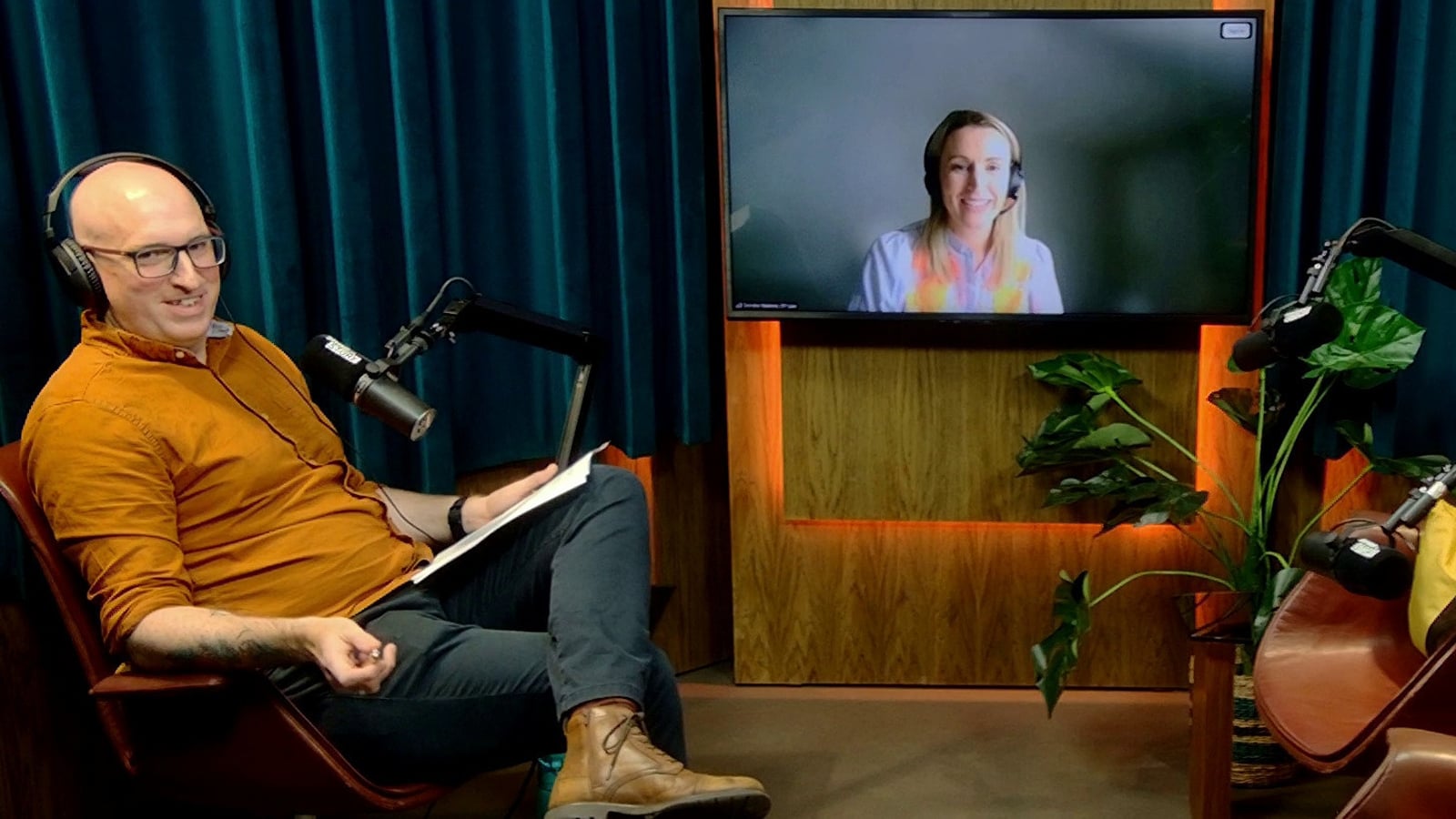
Political Correspondent Mícheál Lehane joins Adam Maguire on Behind the Story to discuss what could come next for people’s pockets, and why there will likely be big opposition to it.
Retirement age rights
New retirement age rights for employees have come into effect.
The legislation allows eligible workers to choose to remain in employment beyond their contractual retirement age, where that age is below the State pension age of 66.
Currently, thousands of workers are forced to retire at 65 – one year before the State pension begins.
The new rules give workers the option to work for an additional year to bridge that gap, but there will be no requirement to do so.
Deirdre Malone, Employment Law Head at EY Law Ireland, says employers who refuse to let workers stay on will have to explain why.
“If they want to say ‘No’, and if they want to force you retire on your 65th birthday, then they have to give you objective reasons why,” she said.
“It depends on the job quite frequently.
“What’s new in this legislation is it needs to be bespoke to the individual.”
Ms Malone said the changes are coming at a time when people are living longer.
“I think that there is great experience that we can get from our older generation, who are working and continue to work, and bring great value to those younger people,” she said.
“It’s just trying to get the balance right, and what this does is recognise that.”
Benefits past 65
Ms Malone said employers will have to ensure that other elements of workers’ rights are still in place if they stay past 65.
“When you have a contract of employment it might deal with ‘Death in Service’ – so your life assurance, health insurance and pension contributions.
“Many of those benefits are governed by third parties… and a lot of those insurance companies will put a cap on it,” she explained.
“I see the challenge for employers as ensuring that all of the benefits that you offer to your employees can be actually be provided until their 66th birthday.
“That could involve changing your pension deed, for example, to make sure your employee can continue to contribute to their pension scheme – and that’s really important.”
You can listen to Behind the Story on the RTÉ Radio Player.
You can also find episodes on Apple here, or on Spotify here.