
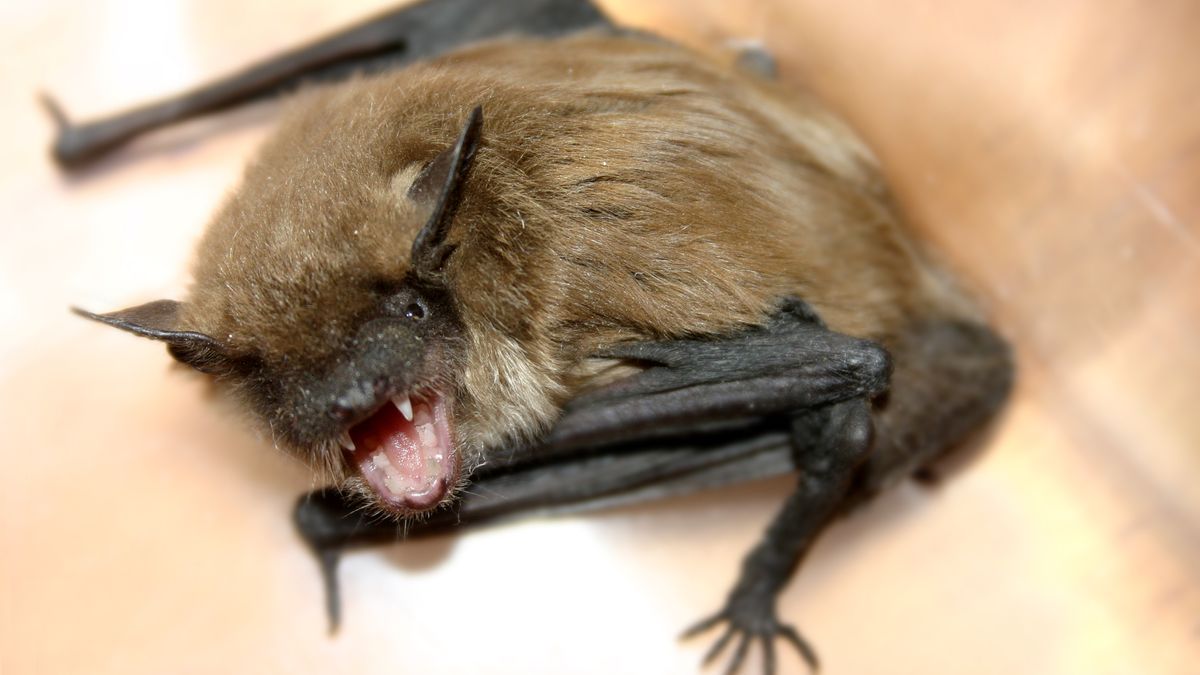
The boy was taken to a hospital 19 days after waking up to find a bat on his face but by then he already had symptoms and it was too late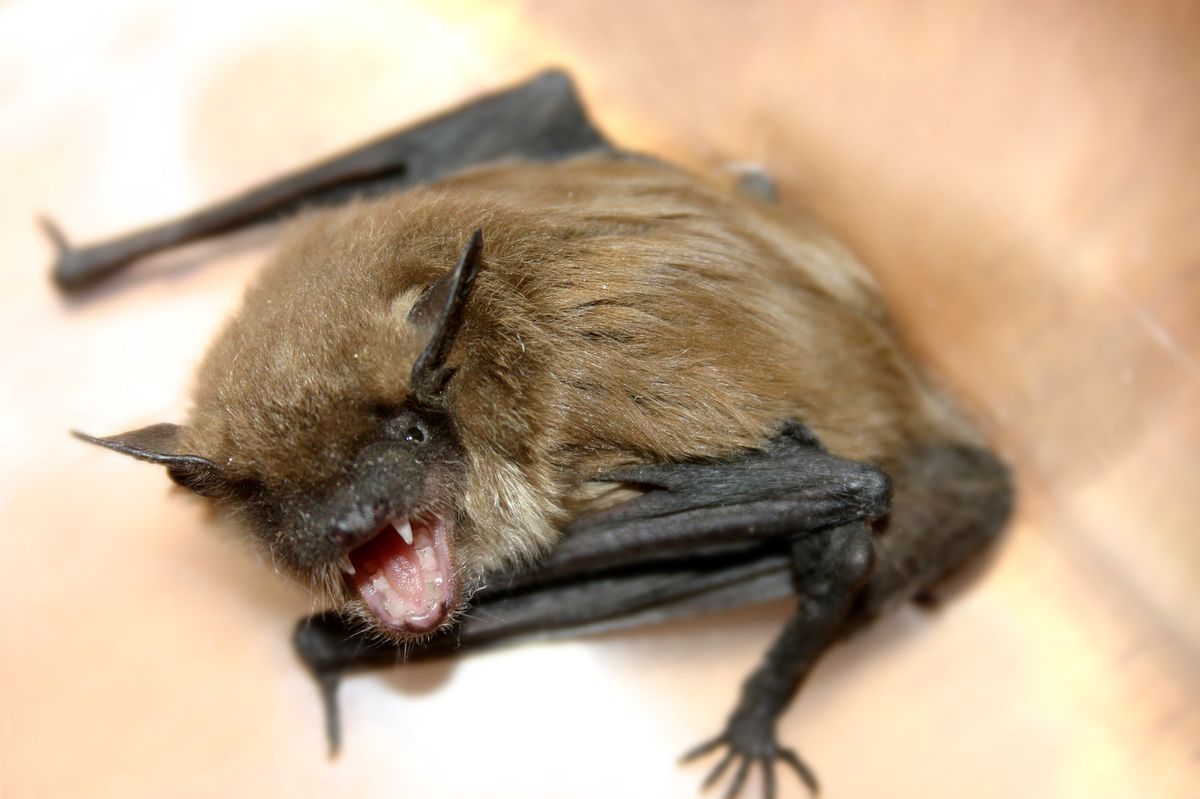
The boy woke up to a bat on his face(Image: Getty Images/iStockphoto)
An 11-year-old boy has tragically died from rabies just 19 days after waking up to find a bat resting on his mouth and nose.
The child succumbed to the fatal virus despite showing no visible bite or scratch marks, according to a newly published report. The heartbreaking incident marked the first rabies death in the Canadian province of Ontario in more than 50 years.
Health professionals are hopeful that the case study, featured in the Canadian Medical Association Journal (CMAJ), will offer vital insights to help avert future deaths from rabies. The horrific disease is nearly always fatal. However, post-exposure prophylaxis (PEP) with a series of rabies vaccines and human rabies immune globulin injections can prevent death if given promptly and before symptoms develop.
In North America, bats, raccoons, skunks, and foxes are the primary carriers of rabies.
Symptoms include numbness or tingling where you were bitten or scratched, seeing things that are not there (hallucinations), feeling very anxious or energetic, difficulty swallowing or breathing or being unable to move (paralysis).
Yet bats represent the most frequent source of rabies and carry an elevated risk, as their scratches or bites can be tiny and difficult to detect.
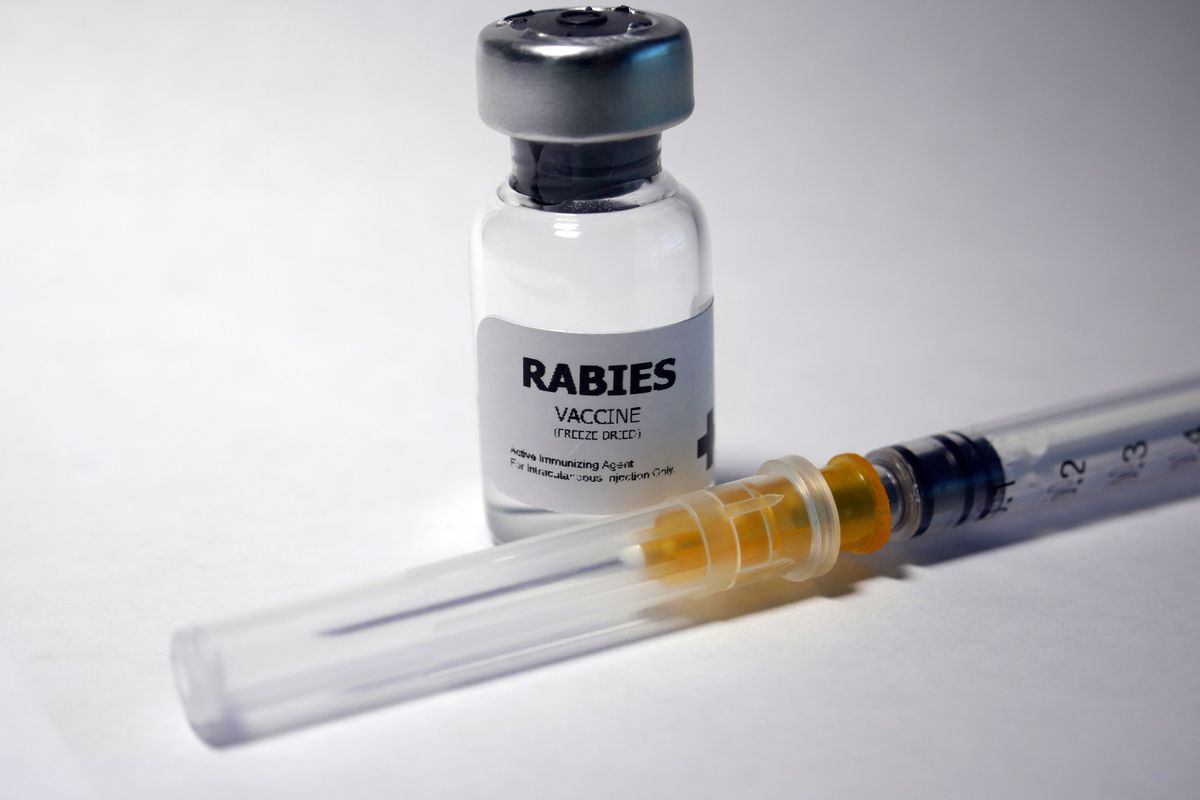
There is a vaccine for rabies but if symptoms show its already too late (Image: Getty Images)
In this 2024 Ontario incident, the boy showed no visible bite or scratch wounds. He arrived at an emergency department 19 days after discovering the bat on his face, experiencing multiple symptoms.
These included vomiting, facial “pins and needles,” and numbness. After receiving a rabies diagnosis, medical staff administered supportive care, as no cure exists once the virus symptoms emerge.
The boy’s parents, who chose not to disclose his identity, consented to share their son’s case to increase public awareness about rabies.
Report co-author Doctor Brian Hummel stated: “Any direct human contact with a bat – even in the absence of a visible bite or scratch – is an indication for PEP and should be discussed with public health authorities.
“This is especially important to consider as we approach the summer months, when human–bat encounters are at their peak.”
He urged anyone who might have come into contact with a wild creature potentially carrying rabies to get medical help right away. When there’s a chance of rabies exposure, health officials need to be alerted and PEP treatment should begin after consultation.
Dr Hummel, a pediatric infectious disease expert at McMaster Children’s Hospital and McMaster University in Ontario, explained: “Rabies is almost always fatal, with no established efficacious therapies, making prevention crucial.”
He continued: “Rabies PEP is highly effective if administered promptly, in consultation with public health authorities, after any direct human contact with a bat, even in the absence of visible lesions.
“Bats may or may not show classic signs of rabies; hence, any direct human contact with a bat is considered high risk.
“In people with neurological symptoms that may be compatible with rabies, clinicians should ask about exposure to potentially rabid animals.”