
NEED TO KNOW
An 11-year-old boy woke up to find a bat on his face at a cottage in northern Ontario in 2024
As there were no signs of a bat bite or wound, he did not seek treatment and died 19 days later
Experts stress seeking immediate medical care after any contact with bats due to the risk of rabies
An 11-year-old boy died from rabies just over two weeks after coming in contact with a bat.
The Canadian Medical Association Journal (CMAJ) shared the boy’s case in its latest article published on Monday, June 29, in order to help prevent similar incidents from happening in the future.
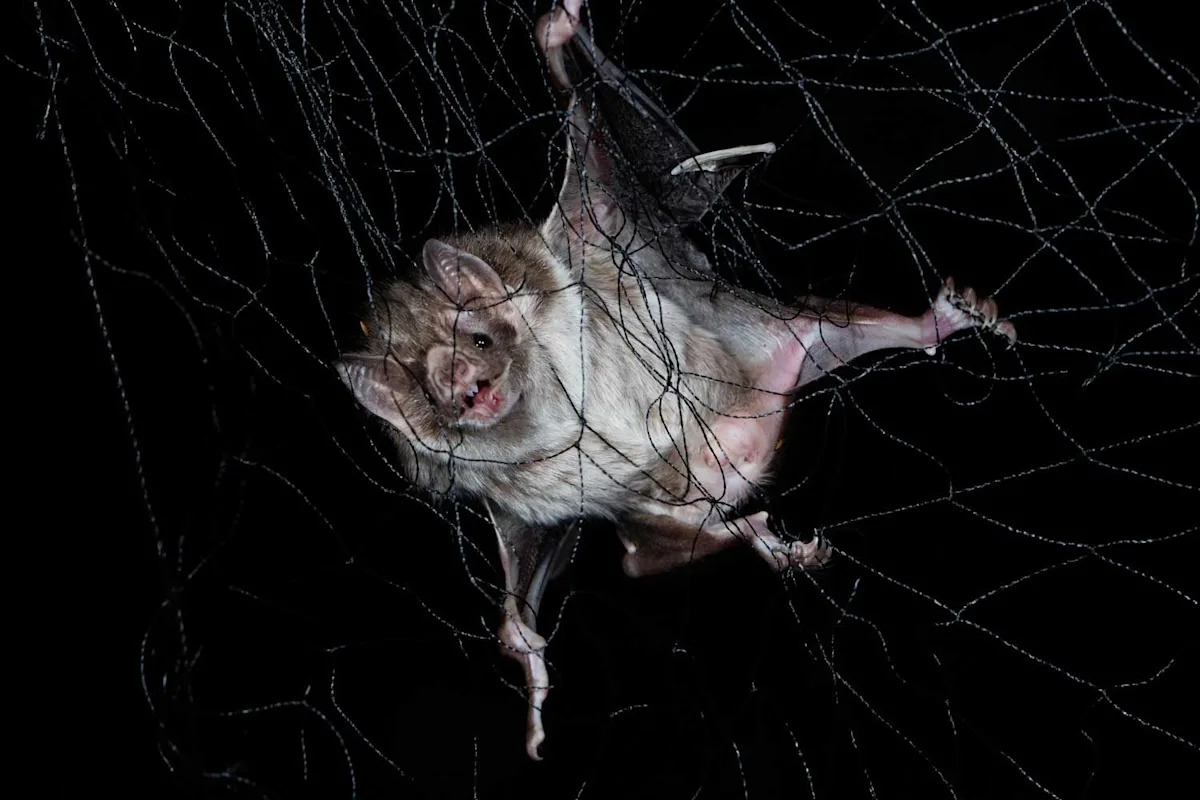
According to CMAJ, the boy, 11, woke up to find a bat lying on his nose and mouth. He had been sleeping at a cottage in northern Ontario in the summer of 2024 when it happened, per CBC.
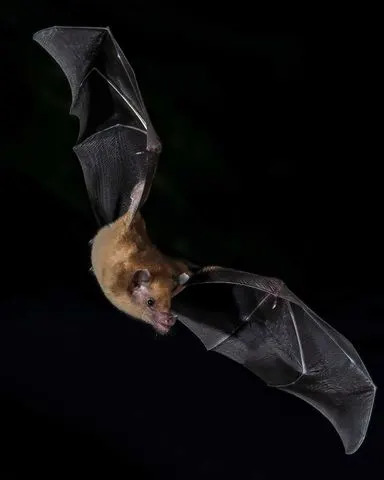
A photo of a medium-sized bat found in Central and North America. Cloud forest in Costa Rica.
Credit: Getty
He swatted the bat away, and his father caught it in a pot and released it outside, CBC reported. Since there were “no apparent bite or scratch marks” on him, he didn’t immediately seek medical attention for rabies.
Just 19 days after the incident, the boy visited an emergency department with a range of symptoms, including “vomiting, facial [tingling] and numbness.” He was diagnosed with rabies and subsequently died, as “there is no cure once rabies symptoms develop,” per the study.
“Any direct human contact with a bat, even in the absence of a visible bite or scratch, is an indication that [Rabies post-exposure prophylaxis] PEP [should be administered] and should be discussed with public health authorities,” said Dr. Brian Hummel, a pediatric infectious disease specialist at the McMaster Children’s Hospital in a statement included in the report. PEP is the immediate, life-saving treatment given after potential exposure to a rabid animal, per the Centers for Disease Control and Prevention (CDC).
“This is especially important to consider as we approach the summer months, when human–bat encounters are at their peak,” Hummel added.
The CMAJ said that anyone who has contact with a wild animal that could potentially have rabies should seek medical attention as soon as possible because a series of vaccines and a dose of antibodies can stop the infection.
“If you get symptomatic rabies infection, it is near universally fatal. But if you get the prevention before symptoms develop, it is near universally successful,” Hummel told CBC.
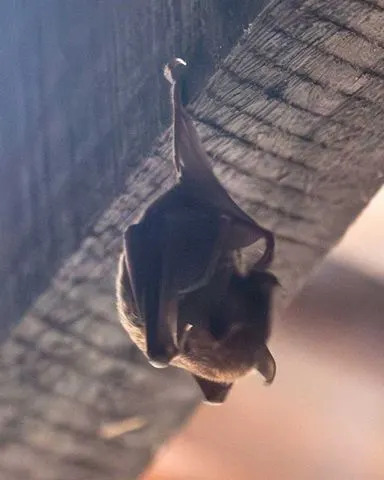
A bat hangs upside down from the wooden roof of an old rural house in Brazil.
Credit: Getty
Never miss a story — sign up for PEOPLE’s free daily newsletter to stay up-to-date on the best of what PEOPLE has to offer, from celebrity news to compelling human interest stories.
Rabies is a deadly viral disease that attacks the central nervous system, causing severe brain inflammation. Hummel described it as “an extraordinarily rare infection” with just 28 cases reported since 1924.
“It was important to us and to the family to take the opportunity to find learning experiences and lessons that we could take from his case to try and help spread awareness and understanding of rabies infection and risks,” Hummel told CBC.
Read the original article on People