
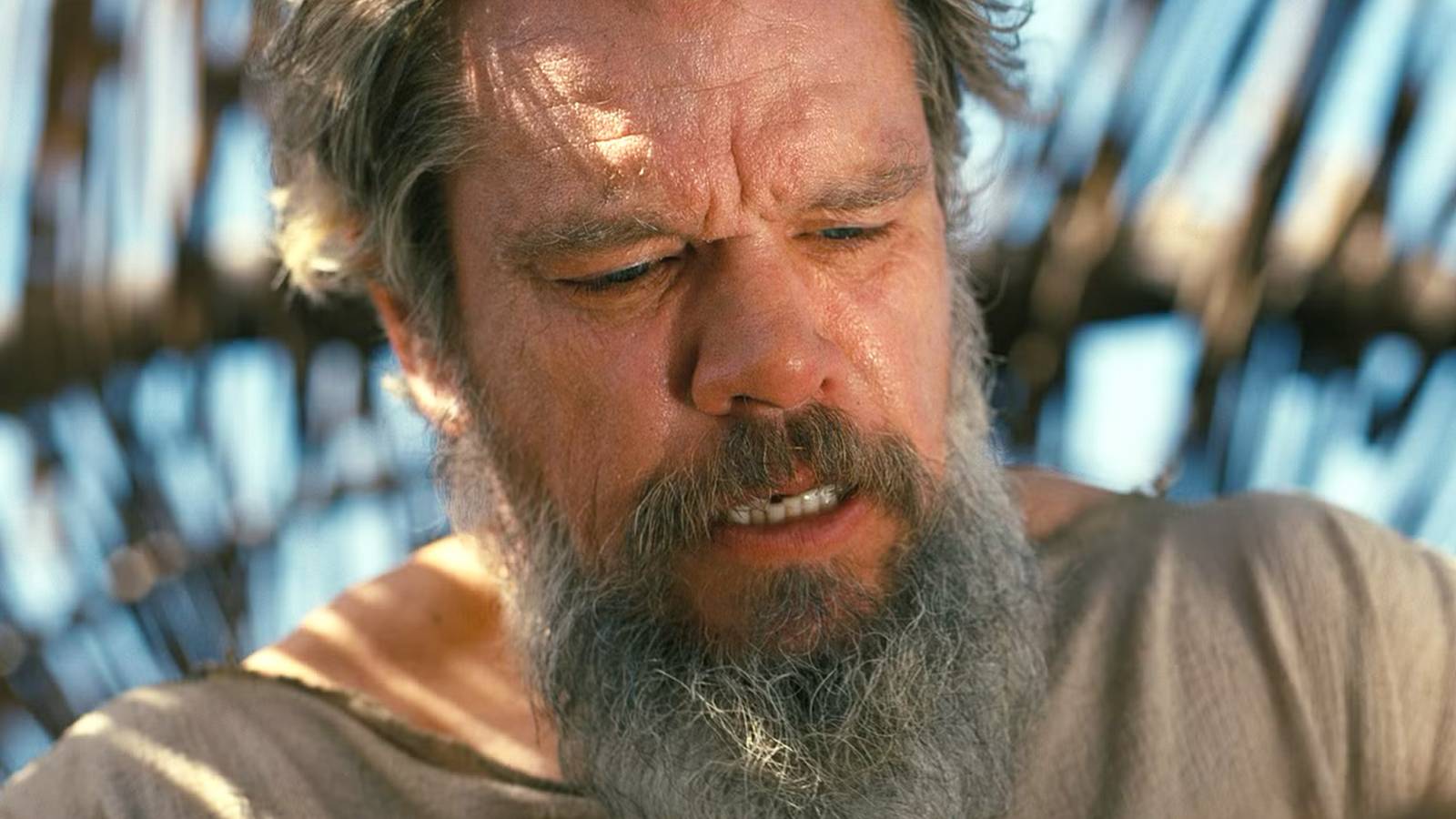
After the success of 2023’s Oppenheimer, Christopher Nolan returns with his next big summer blockbuster, The Odyssey. Based on the epic poem by Homer, it follows King Odysseus of Ithaca and his perilous decade-long journey back home after the Trojan War. The movie will arrive in theaters on July 17, but the adaptation is already stirring up controversy based on what audiences know about it so far.
Film adaptations are always tricky, as filmmakers must try to find a balance between honoring the source material and justifying the move to another medium. However, it seems everyone on the Internet has opinions about The Odyssey. From its diverse cast to Universal Pictures’ decision to cancel word-of-mouth screenings, here are the biggest controversies surrounding Nolan’s latest movie.
The Odyssey’s Casting Choices Have Ruffled Plenty of Feathers
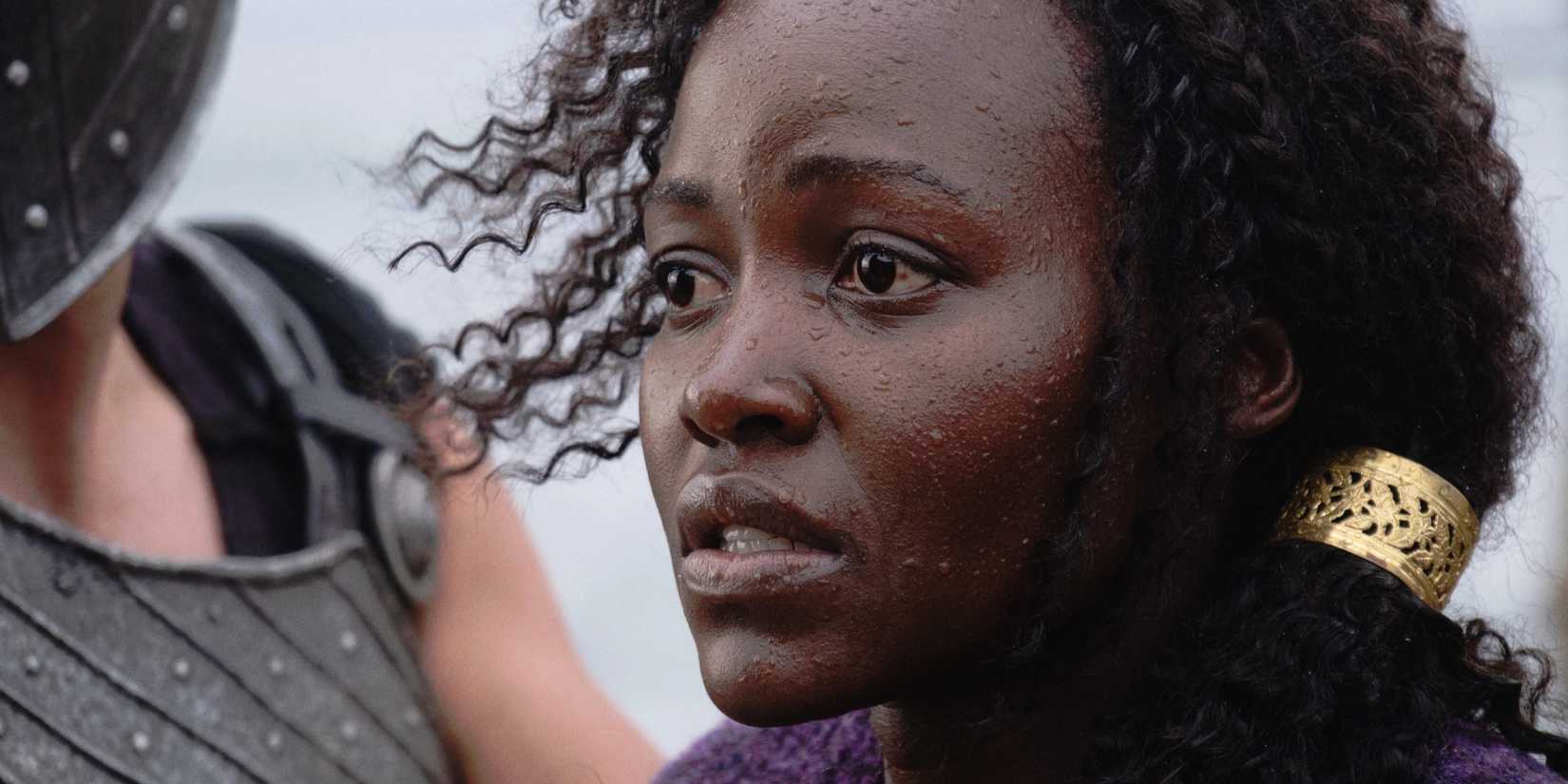
Lupita Nyong’o in The Odyssey (2026).Image via Universal Pictures
One of the earliest things viewers learned about the film was its cast list, which is unsurprisingly full of prominent Hollywood stars and frequent Nolan collaborators. After audiences found out it was The Odyssey, however, the movie was hit by backlash on social media. Further cast announcements have only drawn more criticism, though the reasons behind it vary.
With the push for more diverse representation and authentic casting in Hollywood, some viewers are disappointed that The Odyssey, a Greek epic poem centered on Greek characters, is largely devoid of Greek actors. Certain viewers have also been strongly against the casting of certain actors, particularly Lupita Nyong’o as Helen of Troy/Clytemnestra, Travis Scott as a bard, and Elliot Page, whose role hasn’t been officially confirmed.
Nolan has defended his casting, stating in an interview with Elle Magazine that Nyong’o was chosen because of her superb acting chops. Although he hasn’t spoken about Page’s casting, the same reason likely applies. He also explained in an interview with Time Magazine that he included controversial rapper Travis Scott as a nod to The Odyssey’s origins as an oral history, which Nolan compared to rap.
Fans Accuse The Odyssey of Being Historically Inaccurate
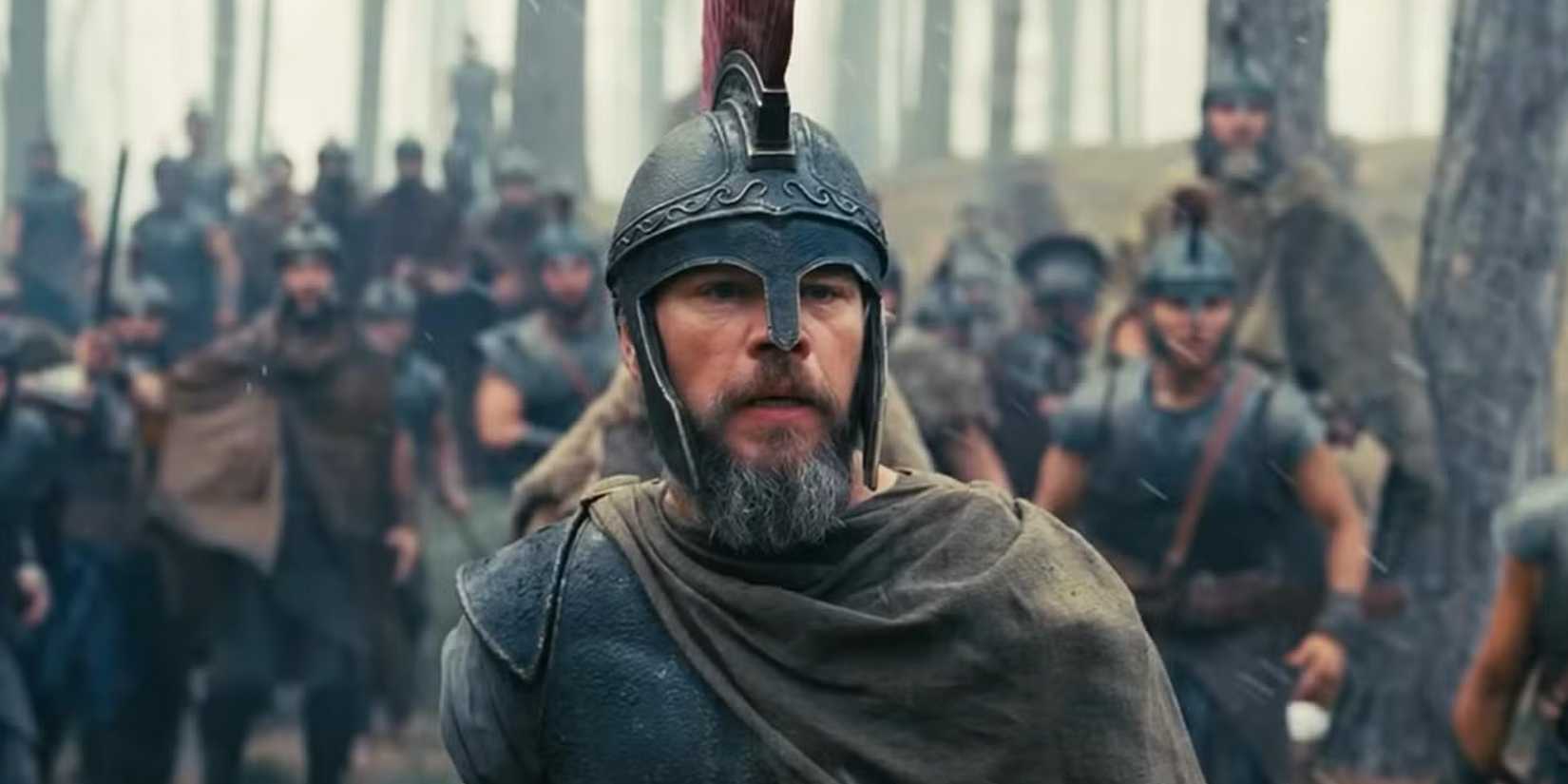
Matt Damon’s Odysseus leading soldiers in The OdysseyImage via Universal Pictures
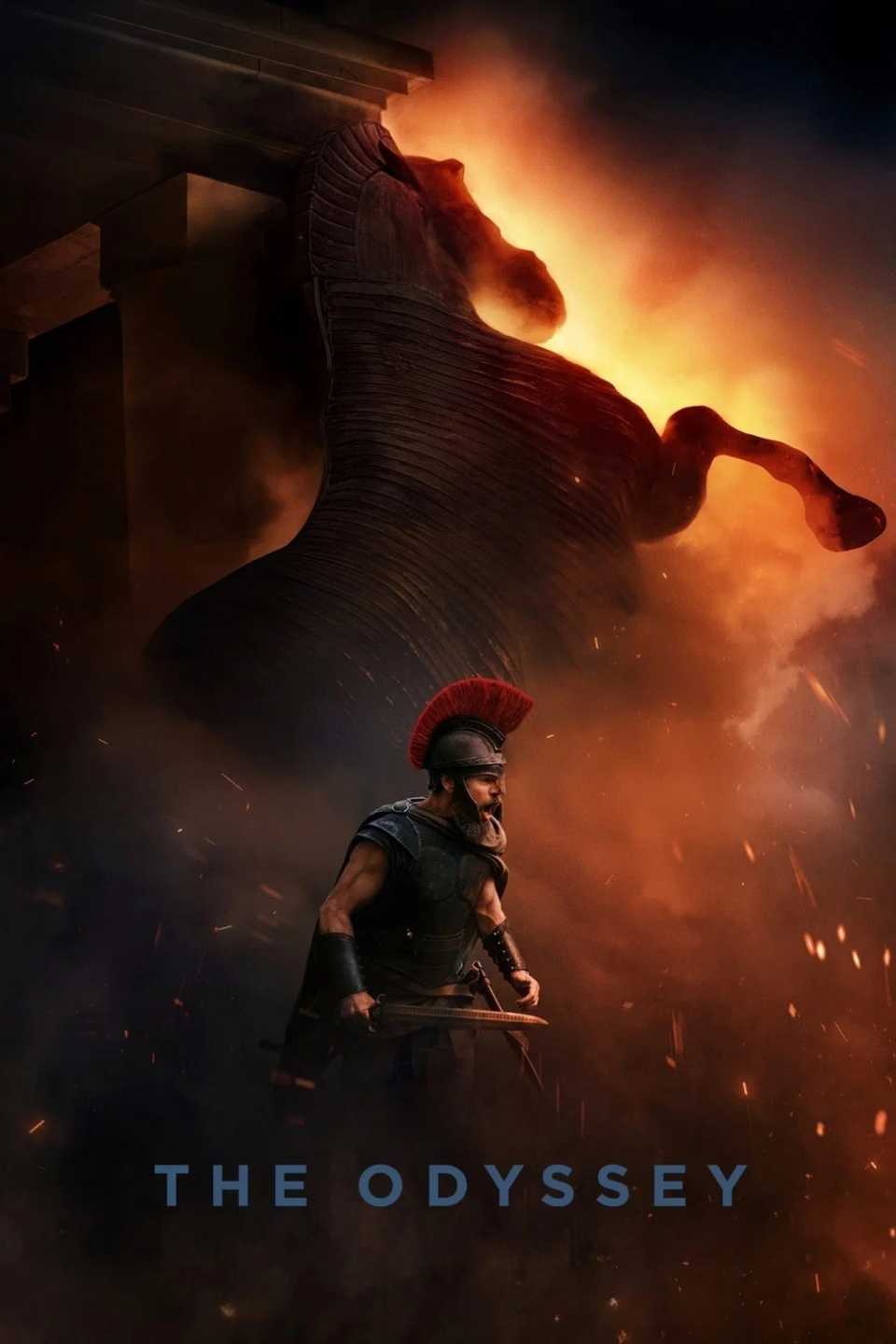
Much criticism has been aimed at The Odyssey’s costuming, namely its armor, for not being historically accurate. In particular, viewers have taken issue with the silver armor worn by the giant figures in the poster and Agamemnon’s stylized black armor. Many have said that the latter would look more at home in one of Nolan’s Batman movies than in ancient Greece.
Defenders have pointed out that The Odyssey is widely considered a fictitious account of the Trojan War, which allegedly took place sometime in the 12th or 13th century BC. In the same Times interview, Nolan defended Agamemnon’s black armor, citing Mycenaean daggers from that era made with blackened bronze. He further claimed that Homer’s version reflected his own time in the eighth century BC and was, thus, historically inaccurate too.
Although some audience members have doubled down on historical accuracy as a key factor in whether they can immerse themselves in the story, others have made another clarification. Regardless of whether the armor is authentic, some viewers simply think The Odyssey’s armor is aesthetically displeasing.
While most English-language movies opt to use English accents when depicting classical European stories and other ancient works, The Odyssey’s actors speak in American accents. This provoked some raised eyebrows when the first trailer was released. However, the second trailer, which included more dialogue, sent shockwaves through the Internet when Telemachus referred to Odysseus as his “dad,” and Antinous used the term “daddy.”
American accents might have been a refreshing choice that audiences could get used to, but many were caught off guard by these modern-sounding words. Since Nolan hasn’t explained the thinking behind this creative decision, some have wondered if the modern vernacular is an ill-conceived attempt to make The Odyssey more “accessible” to today’s audiences. If that is the case, it seems to have missed the mark.
Universal Pictures’ Decision to Cancel Influencer Screenings Is The Odyssey’s Latest Scandal
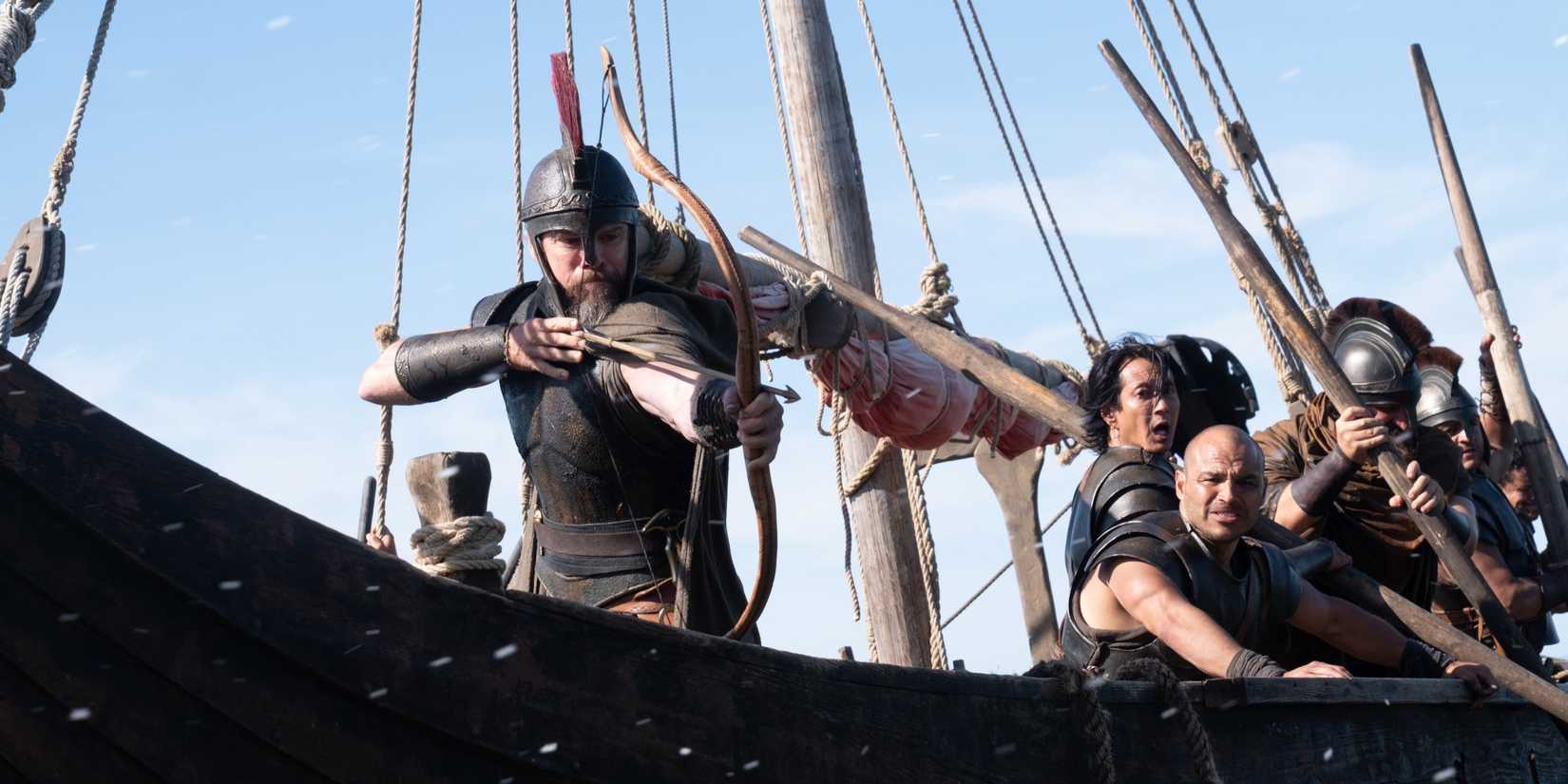
Odysseus (Matt Damon) on a ship with his men wielding a bow and arrows in The Odyssey (2026).Image via Universal Pictures
Word-of-mouth screenings, aka influencer screenings, have become common practice for major blockbuster releases, allowing studios to generate excitement on social media ahead of a film’s release. Universal Pictures eschewed these screenings for Nolan’s last movie, Oppenheimer, and it has done so again for The Odyssey. This set off plenty of online debates on whether it was a sign of faith or a vote of no confidence.
Since Oppenheimer had the advantage of already being one half of the social media phenomenon Barbenheimer, it’s understandable that it forewent influencer screenings. The Odyssey doesn’t have quite the same level of hype, and some of the previous controversies listed have certain audience members planning to skip the film altogether. That said, it’s still one of the most anticipated films of 2026 and is expected to perform well.
Tickets for select IMAX screenings went on sale a full year before The Odyssey’s release date and sold out within 12 hours. When tickets became available for the general public on June 4, theatergoers pushed AMC and Fandango’s websites to their limits trying to get their seats. Currently, The Odyssey is projected to make $80-100 million in its opening weekend, thanks in part to the demand for premium formats.
On top of that, influencer screenings have come under fire in recent months, with general audiences finding the early reviews from said screenings increasingly disingenuous. With The Mandalorian & Grogu, Disclosure Day and Supergirl all facing criticism for their influencer-based marketing tactics, Universal’s decision to rely on good old-fashioned film critics might be for the best.
Release Date
July 17, 2026
Runtime
172 Minutes