
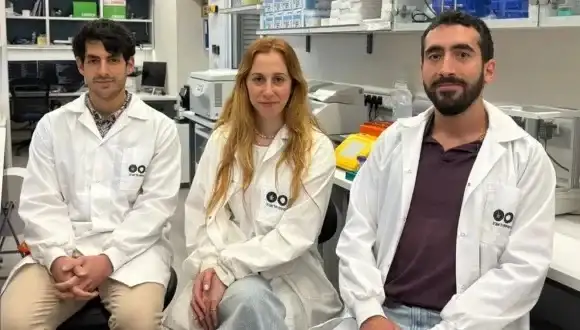
The study, led by Tel Aviv University’s Dr Merav Cohen and doctoral students Roi Balaban and Ori Moskowitz, found that the process begins when macrophages engulf dead cancer cells.
Instead of simply breaking down the cellular debris, the macrophages undergo genetic changes that alter their behaviour and shift them towards supporting tumour growth.
To observe this process, the researchers developed a technique called Effero-seq, which enabled them to identify macrophages that had consumed dead cancer cells and track how their gene expression changed over time.
Using a melanoma model, the team found that these reprogrammed macrophages promoted the formation of new blood vessels within tumours.
These blood vessels supply tumours with oxygen and nutrients, allowing them to grow more rapidly. At the same time, the macrophages became less responsive to signals that normally trigger immune attacks against cancer cells.
The researchers also analysed data from patients with uveal melanoma, a rare form of eye cancer. They found that patients whose tumours contained higher numbers of macrophages with this genetic signature generally had lower survival rates.
According to Cohen, the findings offer new insight into how tumours manipulate the body’s immune defences.
“The better we understand these mechanisms, the better equipped we will be to develop treatments that block them and restore the immune system’s ability to fight cancer,” Cohen said.
The researchers suggest that future therapies may focus not only on targeting cancer cells directly, but also on preventing immune cells from being reprogrammed to support tumour growth. However, they caution that this approach remains experimental and will require further study before clinical application.
“This research points to a new and promising therapeutic target, one that focuses not only on the cancer cells themselves, but also on the processes that enable them to thrive,” Cohen said.
The findings were published in the peer-reviewed journal Science Immunology.